You wake up in a cold sweat, heart pounding, after dreaming about being in prison. It feels so real—the cold bars, the isolation, the panic. I’ve been analyzing dreams for over a decade, and let me tell you, prison dreams are more common than you think. They’re not just random nightmares; they’re your subconscious screaming for attention. In this guide, I’ll break down exactly what these dreams mean, why they happen, and how you can deal with them. No fluff, just straight talk from someone who’s seen hundreds of these cases.
What You’ll Discover in This Guide
What Does a Prison Dream Really Mean?
Most people jump to conclusions—they think a prison dream means they’re guilty about something. But that’s too simplistic. In my experience, these dreams often symbolize feeling trapped in a situation you can’t escape. It could be a job, a relationship, or even your own thoughts. I once worked with a client who kept dreaming about being locked in a cell. Turns out, she was stuck in a dead-end career but too scared to quit. The dream was her mind’s way of highlighting that cage.
Top 3 Common Prison Dream Scenarios and Their Meanings
Let’s get specific. Here are the most frequent prison dream scenarios I’ve encountered, and what they might signal:
- Dreaming of being wrongly imprisoned: This often points to feelings of injustice in your waking life. Maybe you’ve been blamed for something you didn’t do, or you’re dealing with unfair treatment at work. Your subconscious is reacting to that perceived lack of control.
- Dreaming of escaping prison: On the surface, it seems positive, but it can indicate anxiety about whether you’ll succeed in breaking free from a restrictive situation. I’ve seen this in people contemplating divorce or career changes—they’re hopeful but terrified.
- Dreaming of being a prisoner but feeling calm: This is a tricky one. It might suggest resignation or acceptance of a limiting circumstance. Sometimes, it’s a warning that you’re becoming too passive in your life.
Notice how each scenario ties back to real-life emotions? That’s the key. Dreams about being in prison aren’t about literal incarceration; they’re metaphors for confinement.
Here’s a mistake I see all the time: people obsess over every detail of the dream, like the color of the walls or the guard’s face. But in prison dreams, the core emotion—fear, frustration, helplessness—is what matters most. Focus on that feeling when you wake up.
The Psychology of Prison Dreams: Beyond Surface Interpretation
To really get prison dreams, you need to dive into psychology. Mainstream dream interpretation sites often repeat the same basics, but they miss the nuance. For instance, many overlook the role of modern stressors like social media pressure or financial anxiety in shaping these dreams.
Freud’s Take on Confinement Dreams
Freud might have linked prison dreams to repressed desires or guilt. In his view, the prison represents superego restrictions—the part of your mind that enforces rules. If you’re dreaming of being locked up, it could mean you’re punishing yourself for something, even subconsciously. But honestly, Freud’s theories can feel outdated. I find that for most people today, it’s less about sexual repression and more about daily stress.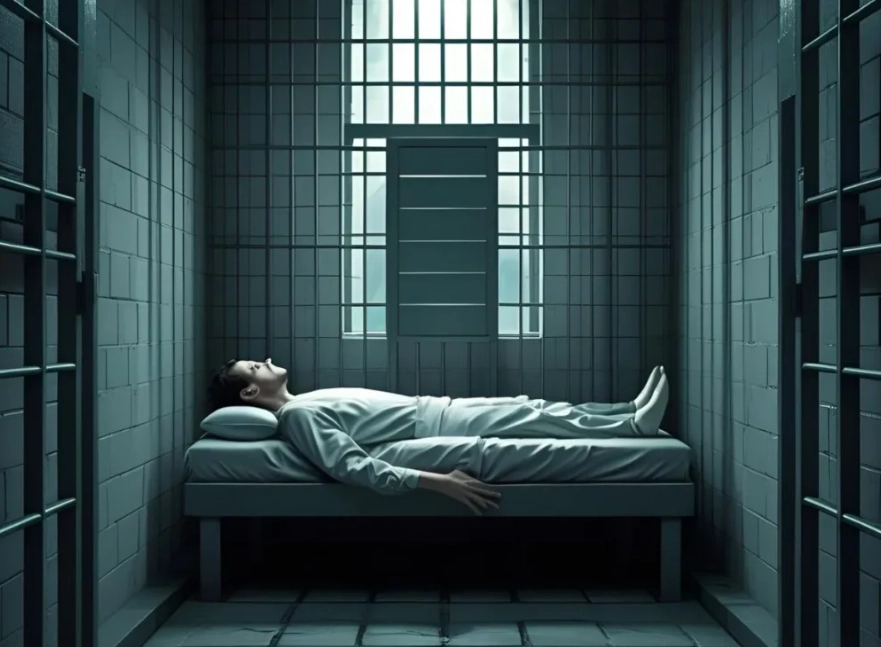
Jungian Archetypes in Prison Dreams
Jung offered a richer perspective. He saw dreams as messages from the unconscious, using symbols like the prison to represent the “shadow self”—parts of you that you deny or hide. A prison dream might indicate that you’re confining aspects of your personality, like creativity or anger. I had a client, a musician, who dreamed of being in a prison cell every night. Through therapy, he realized he was suppressing his artistic side to please his family. The dream stopped once he started playing music again.
Modern psychology adds another layer. Research from sources like the American Psychological Association suggests that dreams often reflect unresolved trauma or anxiety disorders. If you have recurring prison dreams, it might be worth exploring if there’s underlying anxiety or PTSD at play.
How to Stop Recurring Prison Dreams: A Step-by-Step Guide
If you’re tired of waking up in a panic, here’s a practical plan. I’ve used this with clients, and it works if you stick to it. Don’t just read it—act on it.
Step 1: Journal Immediately After Waking As soon as you wake up from a prison dream, grab a notebook. Write down everything: the setting, your emotions, any characters. Don’t overthink it. This helps externalize the dream and reduces its power. I keep a journal by my bed for this reason.
Step 2: Identify the Real-Life “Prison” Ask yourself: where in my life do I feel trapped? Be brutally honest. Is it your job? A toxic friendship? Your own perfectionism? List it out. For example, one person I coached realized his prison dream linked to his overwhelming debt—the cell was his financial burden.
Step 3: Take Small Actions to Break Free You don’t need to quit your job tomorrow. Start with tiny steps. If work feels like a prison, maybe set a boundary by leaving on time one day a week. Action, even small, signals to your subconscious that you’re taking control. I’ve seen dreams shift within weeks when people do this.
Step 4: Practice Relaxation Techniques Before Bed Anxiety fuels bad dreams. Try deep breathing or progressive muscle relaxation for 10 minutes before sleep. It calms your nervous system. Apps like Calm or Headspace can help, but even simple breathing works. I recommend the 4-7-8 technique: inhale for 4 seconds, hold for 7, exhale for 8.
Step 5: Consider Professional Help if Dreams Persist If prison dreams keep coming back for months, it might be a sign of deeper issues like anxiety or depression. Talking to a therapist can uncover roots you might miss. From my experience, cognitive-behavioral therapy (CBT) is especially effective for nightmare disorders.
Here’s a table summarizing these steps for quick reference:
| Step | Action | Expected Outcome |
|---|---|---|
| 1 | Journal the dream details | Reduces dream intensity and provides insights |
| 2 | Identify real-life sources of feeling trapped | Clarifies the dream’s connection to waking life |
| 3 | Take small, actionable steps toward freedom | Empowers you and reduces subconscious anxiety |
| 4 | Use relaxation techniques before sleep | Lowers overall anxiety and improves sleep quality |
| 5 | Seek therapy if dreams continue | Addresses underlying psychological issues |
Remember, consistency is key. You won’t stop prison dreams overnight, but with effort, they’ll fade.
Prison Dream FAQ: Expert Answers to Your Burning Questions
 How can I differentiate a prison dream from other anxiety dreams?
Wrapping up, dreaming about being in prison is a powerful signal from your inner self. Don’t ignore it. Use it as a tool for self-reflection and growth. Over the years, I’ve seen these dreams transform lives when people take them seriously. Start with the steps above, and remember—you have the key to your own cell.












Comments
Join the Conversation