I used to think dreams about money were just random brain noise—until one night, I dreamed I was drowning in coins, feeling more stressed than rich. That's when it hit me: money dreams aren't about cash; they're coded messages from your subconscious, often tied to value, anxiety, or hidden opportunities. If you've ever woken up puzzled by a dream involving dollars, cents, or even imaginary currency, you're not alone. In this guide, we'll cut through the fluff and dive deep into what dream symbol money really means, how to interpret it, and why most online advice gets it wrong.
Jump to What Matters
What Do Dreams About Money Really Mean?
Money in dreams rarely symbolizes actual wealth. Instead, it's a metaphor for value, self-worth, or control. Think about it—when you dream of cash, are you feeling secure or scrambling? The context matters more than the amount. For example, dreaming of endless stacks of money might reflect ambition, but if those stacks are crumbling, it could signal instability in your job or relationships.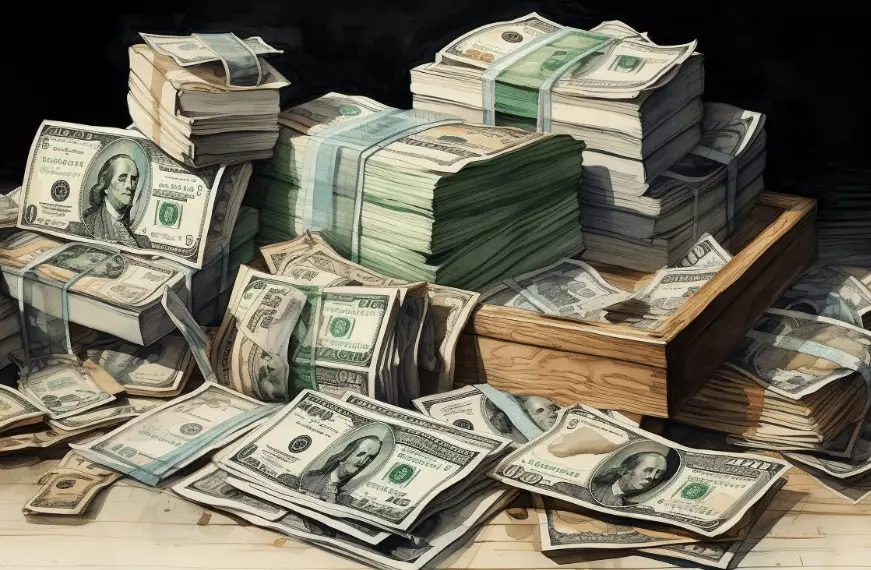
From my years exploring dream analysis, I've seen people fixate on the monetary value and ignore the emotions. A client once described dreaming of finding a wallet full of cash but feeling guilty. Turns out, she was undercharging for her freelance work. The dream wasn't about luck; it was a nudge to reassess her pricing.
Research from the International Association for the Study of Dreams suggests that money dreams often spike during economic uncertainty, linking to broader anxieties. But personally, I find they're more personal—like a barometer for how you value yourself.
Common Types of Money Dreams and Their Interpretations
Let's break down specific scenarios. Here's a quick overview of frequent money dreams and what they might indicate:
Finding money: Often tied to unexpected opportunities or unrecognized talents. But watch out—if you find money and feel uneasy, it might hint at imposter syndrome.
Losing money: Usually reflects fear of loss or financial stress. However, it can also symbolize letting go of outdated beliefs, like clinging to a job that doesn't pay enough.
Spending money: This could mean investment in yourself or wasteful anxiety. I once dreamed of buying expensive shoes I didn't need—later realized I was overspending on non-essentials to cope with work pressure.
Counterfeit money: Deception or inauthenticity. It's not just about fraud; it might mean you're feeling fake in a social situation.
Notice how each type has layers. Most online lists stop at surface-level meanings, but your dream's details—like the currency type or who's involved—add depth. For instance, dreaming of ancient coins might connect to inherited beliefs about money from family.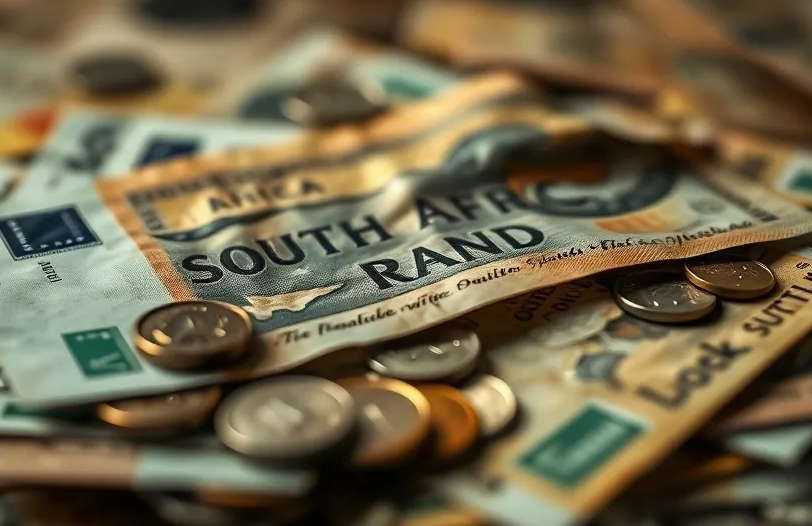
Why Context Is King
If you dream of money in a storm versus a sunny park, the interpretation shifts. Stormy settings often amplify anxiety, while calm ones might suggest hidden resources. I recall a friend who dreamed of counting bills during a hurricane—she was actually juggling multiple debts without a plan. The dream pushed her to create a budget.
How to Interpret Your Money Dreams: A Practical Guide
Forget generic symbolism dictionaries. Here's a step-by-step method I've refined over time, based on real cases.
Step 1: Record immediately upon waking. Write down everything—emotions, colors, amounts. Don't edit; just dump it on paper. Dreams fade fast, and details like feeling relieved or panicked are clues.
Step 2: Identify the core action. Is it earning, losing, or sharing money? This sets the theme. For example, earning money in a dream might relate to career efforts, but if it feels effortless, it could signal untapped skills.
Step 3: Link to waking life. Ask: What financial or value-based issue was on my mind yesterday? Maybe you argued about bills or felt undervalued at work. This connection is where most people stumble—they treat dreams as separate from daily life.
Step 4: Look for patterns. If money dreams recur, track them for a week. You might notice they pop up before payday or after stressful meetings. Patterns reveal triggers.
Step 5: Take small actions. Dreams are prompts, not prophecies. If you dreamed of losing money, review your budget. If it was about finding cash, brainstorm new income ideas. Action seals the insight.
I've used this with clients who felt stuck. One man kept dreaming of empty wallets; we traced it to his fear of retirement savings. He started a side hustle, and the dreams lessened. It's not magic—it's mindfulness.
Case Study: Analyzing a Real Money Dream
Let's walk through an actual example. Sarah, a 30-year-old teacher, shared this dream: "I'm in a crowded market, trying to pay for groceries with foreign currency that no one accepts. I feel frantic and embarrassed."
First, the emotions—frantically and embarrassed—suggest anxiety and inadequacy. The setting (crowded market) implies public scrutiny or comparison. Foreign currency often symbolizes unfamiliar values or systems.
In waking life, Sarah was transitioning to a new curriculum at school, feeling unsupported and "out of place." The dream mirrored her fear of not measuring up. Instead of focusing on money, we discussed her need for training (the "currency" of skills). She joined a workshop, and the dreams faded.
This case shows how money dreams mask deeper issues. Many interpreters would just say "financial confusion," but the foreign twist is key. Always dig beyond the obvious.
Expert Insights: What Most Dream Guides Miss
After talking to psychologists and long-time dream analysts, I've gathered some non-obvious points. First, money dreams aren't always about you—they can reflect societal pressures. For instance, during a recession, dreams of scarcity might be collective anxiety, not personal failure.
Second, the amount matters less than you think. Dreaming of $10 versus $1,000 often has similar symbolism; it's the context that differs. A common mistake is overanalyzing numbers. I once read a guide that assigned specific meanings to denominations—that's mostly nonsense.
Third, negative dreams aren't bad omens. They're alarms. If you dream of debt, it might be your subconscious urging you to check your credit score. Ignore it, and the dream might recur until you act.
Lastly, cultural background shapes symbolism. In some cultures, money dreams are seen as lucky, while in others, they warn of greed. Consider your upbringing—it adds nuance.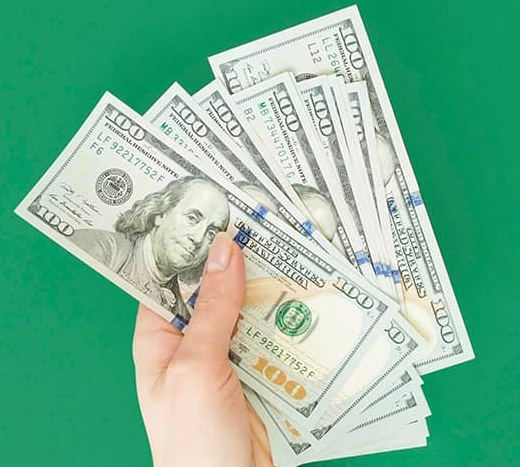
Frequently Asked Questions About Money Dreams
Dreams about money are more than random images—they're conversations with your deeper self. By paying attention to symbols like currency, you can unlock insights about value, anxiety, and opportunity. Remember, interpretation is personal; use this guide as a starting point, but trust your instincts. Next time you dream of money, don't just wonder—write it down, connect the dots, and take a small step toward understanding. Your subconscious might be offering the clarity you've been searching for.











Comments
Join the Conversation