Quick Navigation
It happens to almost everyone at some point. You're walking down a street in your dream, or maybe digging in your own backyard, and there it is—a crisp bill, a handful of coins, a forgotten stash. The feeling is instant: surprise, excitement, a little thrill. Then you wake up, and the first groggy thought is, "What on earth did that mean?" Is it a literal promise of fortune? A warning? Or just your brain playing weird games with your daily worries?
I've been fascinated by dreams for years, not as a professional psychologist, but as someone who keeps a journal and talks to friends about their weird night-time adventures. The dream interpretation finding money topic comes up a lot. And let me tell you, the cookie-cutter answers you find on some sites—"It means wealth is coming!"—often feel shallow and miss the mark completely. I remember a friend dreaming of finding soggy, torn dollar bills in a gutter and feeling anxious, not rich. That's not a simple "good luck" sign.
So, let's ditch the generic horoscope-style interpretations. This guide is about digging deeper. We'll look at the common scenarios, the psychology behind them, the cultural angles, and most importantly, what your specific dream might be trying to tell you. Think of it less as a dictionary and more as a toolkit for understanding your own mind.
Key Takeaway Right Away: Dreaming about finding money is almost never about literal, physical cash coming your way. It's a symbol. Money in dreams typically represents value, self-worth, energy, resources, or opportunities. The act of "finding" it suggests discovering something of this nature that was already present but hidden, overlooked, or unrecognized in your waking life.
The Nitty-Gritty: What Your Specific Money-Finding Dream Might Mean
The devil is in the details, as they say. Where you found the money, its condition, and how you felt are the real clues. Let's break down the most common scenes.
Finding Coins vs. Finding Bills
This is a big one. Coins and paper money often carry different weights in our subconscious.
Finding Coins (Pennies, Nickels, Dimes, Quarters): Coins are small change. They're often associated with modest beginnings, small but valuable insights, or the "little things" in life. Dreaming of finding coins might point to you recognizing your own small, daily efforts that add up. Maybe you're finally seeing the value in a consistent habit, or a minor piece of advice you received is starting to make sense. It can also hint at a feeling of searching for something of value in a place you consider ordinary or mundane. On the flip side, if you're bending over constantly to pick up pennies, it could reflect a worry about "scraping by" or focusing too much on insignificant details.
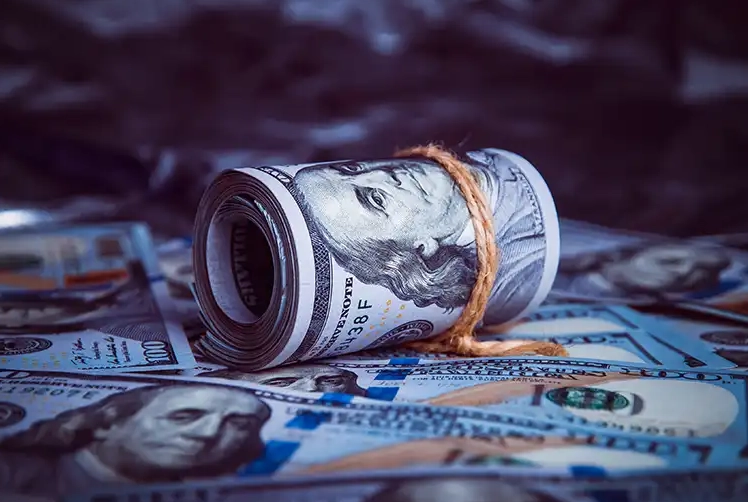
Finding Bills (Dollar Bills, Larger Notes): Paper money represents larger value, more significant resources, or greater opportunities. Finding a $20 bill feels different from finding a penny, right? In a dream, this could symbolize stumbling upon a more substantial untapped skill, a major opportunity you initially overlooked, or a boost in your confidence (your sense of self-worth). Finding a large bill in an old coat is a classic—it's about discovering a resource you already possessed but forgot about.
I had a dream once where I found a folded $100 bill stuck in a library book I was about to return. For me, in waking life, that book was about a skill I wanted to learn but felt was too late to start. The dream felt like a nudge: the resource (the knowledge) was already in my hands; I just hadn't fully recognized its potential value.
The Location and Context: Where Did You Find It?
The setting of your dream about finding money is a huge piece of the puzzle.
- On the Ground/Street: This often symbolizes opportunities or value that are "right in front of you" in your public or professional life. It's accessible but requires you to look down and notice it. Is there an opportunity in your current path you're ignoring?
- In Your House (pockets, drawers, under furniture): This is deeply personal. The house usually represents the self or your inner world. Finding money here suggests discovering untapped potential, forgotten talents, or unresolved value within yourself. It's an internal discovery. A client once told me about finding rolls of coins under their childhood bed—it led us to talk about rediscovering joys and talents they had as a kid.
- In Water (puddle, fountain, beach): Water connects to emotions. Finding money in water can mean discovering value or resources linked to your emotional state. Clear water might point to a positive emotional discovery, while muddy water could suggest value emerging from a confusing or turbulent emotional period.
- Receiving It as a Gift or Inheritance: This shifts the focus from "discovery" to "reception." It might relate to accepting a quality, responsibility, or resource from your family line (inheritance) or from someone else (gift). The key question is, how did you feel about receiving it? Grateful? Burdened?
The Condition of the Money: Torn, Dirty, Shiny, Fake?
This aspect is crucial and often overlooked. The state of the money reflects the perceived state of the "value" or "opportunity."
| Condition of Money | Possible Symbolic Meaning | A Quick Question to Ask Yourself |
|---|---|---|
| New, Crisp, Shiny | Fresh opportunities, untapped potential, a clean start. The value feels pure and full of promise. | Is there a new beginning I'm excited about but haven't fully committed to? |
| Old, Worn, Faded | Long-held but neglected talents, wisdom from past experiences, or ideas that have been around a while but are still valid. | What old skill or project have I set aside that might still hold value? |
| Dirty, Torn, Wet | Opportunities or self-worth that feel compromised, associated with guilt, or that come from a messy situation. Value that feels tainted. | Do I feel my worth is tied to a difficult situation or a mistake? |
| Foreign Currency | Value or opportunities in an unfamiliar area of your life. Something that feels exciting but also foreign and maybe hard to "spend" or use right now. | Am I venturing into a new area (relationship, job, hobby) where I don't yet know the "rules" or my own value? |
| Fake Money / Counterfeit | A big red flag. This can symbolize something that looks valuable on the surface but is ultimately empty—a deceptive opportunity, false promises, or inauthentic self-esteem. | Is there an area where I'm pretending or where something seems too good to be true? |
See how much richer (pun intended) the interpretation gets when we add these layers? A dream about finding a torn, dirty dollar in a dark alley carries a completely different message than one about discovering a stack of crisp new bills in your sunlit garden.
Why Does Our Brain Even Cook Up These Scenarios? The Psychology Angle
If you want to go beyond folk symbolism, it helps to see what the field of psychology says. I'm not a therapist, but reading the works of experts gives a solid foundation. Two giants, Freud and Jung, had different takes, and modern psychology blends and expands on them.
For Freud, dreams were primarily about wish fulfillment and repressed desires. In that framework, a dream interpretation finding money could be a literal expression of a desire for financial security or the things money can buy. It's the simplest read. But even Freud acknowledged symbolism—money could represent psychic energy or something else the dreamer valued.
Jung's view is, in my opinion, more useful for most of us today. He saw dreams as a way for the unconscious mind to communicate with the conscious mind, using a shared set of symbols (archetypes) to promote balance and wholeness, a process he called individuation. In Jungian psychology, money is a classic symbol of psychological energy, life force, or personal power. Finding it in a dream, then, is about integrating lost or unused parts of your own energy and potential into your conscious self.
A modern cognitive perspective might see these dreams as the brain's way of problem-solving or managing anxiety. If you're stressed about resources (time, energy, money), your sleeping brain might create a scenario where the problem is solved—you find what you need. It's a form of emotional regulation. The American Psychological Association (APA) has resources on the functions of sleep and dreaming, though they rightly avoid simplistic dream dictionaries. You can explore their general material on sleep and psychology for a scientific baseline.
Then there's the plain memory theory. Maybe you walked past a coin on the street that day, or paid with cash, and your brain just replayed and dramatized the fragment. But if the dream feels emotionally charged and sticks with you, it's likely more than just mental debris.
From Dream to Daylight: What To Actually Do After This Dream
Okay, so you've pondered the symbols. The real value of dream interpretation finding money isn't in a clever decoding; it's in whether it changes anything in your waking life. Here’s a practical, step-by-step approach I've found useful.
- Record the Dream Fast: Before you even get out of bed, jot down keywords: location, money type, condition, feeling. The details evaporate quickly.
- Focus on the Feeling: This is the most important part. Were you elated? Anxious? Guilty? Indifferent? The emotion is the direct message from your subconscious about your current relationship to "value" or "resources." Joy suggests alignment; anxiety suggests conflict.
- Ask, Don't Tell: Instead of deciding "this means X," ask yourself questions based on the symbols.
- "What in my life feels like a hidden or overlooked resource right now?"
- "Where do I feel my self-worth or energy is 'dirty' or 'compromised'?"
- "What opportunity is lying in plain sight that I haven't picked up?"
- Look for Waking-Life Parallels: In the next few days, stay open. You might notice a real-life situation that echoes the dream's theme—maybe you "find value" in a friend's unexpected compliment (finding a coin of praise), or you realize an old project has merit (finding an old bill).
- Consider a Small, Symbolic Action: This grounds the insight. If the dream felt positive, maybe literally clean a drawer at home (symbolizing making space for/internal order). Or commit 15 minutes to a forgotten hobby. If the dream felt negative, you might write down what "fake money" represents to you and consciously decide to reject that inauthentic path.
The goal isn't to become obsessed with every dream fragment. It's to use these vivid narratives as mirrors, reflecting back aspects of our inner world we might be too busy to see clearly during the day.
Your Burning Questions Answered (FAQ)

A Few Final, Unvarnished Thoughts
Look, the dream interpretation industry is full of fluff. Anyone who gives you a one-size-fits-all meaning for finding a dime is probably selling something. The truth is messier and more personal.
The real work of dream interpretation finding money isn't about divining the future; it's about understanding your present. It's a conversation starter with yourself. Sometimes the conversation is exciting ("Hey, I have more to offer than I thought!"). Sometimes it's uncomfortable ("Why do I feel my worth is counterfeit?").
Pay less attention to the supposed "universal meaning" and far more to the specific details your unique mind provided. That's where the gold is actually buried.
And if all this feels like too much? That's fine too. Sometimes a dream about finding money is just a fun, fleeting story your brain told itself. You get to decide how much weight to give it. But if it nags at you, I hope this guide gives you a better map to start your own excavation.











Comments
Join the Conversation