Dreaming about crabs? It's more common than you think, and it usually signals something deep about your emotional world. I've spent years analyzing dreams, and crab dreams often get brushed off as weird or scary, but they're packed with meaning. Let's cut to the chase: crabs in dreams symbolize protection, sensitivity, and sometimes, a need to withdraw. If you're here, you're probably wondering what your crab dream means—maybe it felt vivid or unsettling. I'll break it down so you can make sense of it, without the fluff you see on generic sites.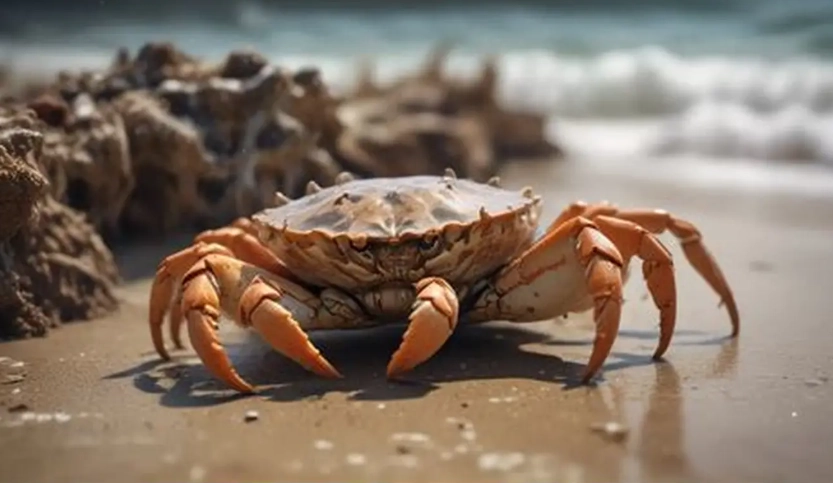
Quick Navigation
What Does a Crab Dream Really Mean?
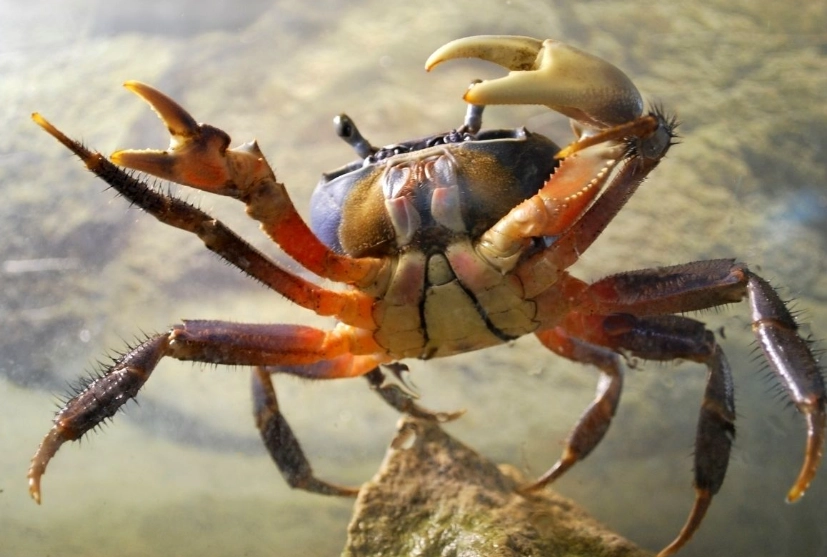
At its core, a crab dream taps into themes of defense and emotional armor. Crabs have hard shells and claws—they're built to protect themselves. In dreams, this translates to your own ways of shielding your feelings. But here's a nuance many miss: it's not just about being defensive; it's about why you feel the need to be. For example, if you're going through a tough time at work, a crab might appear as your subconscious highlighting your stress.
Protection and Armor: Why Crabs Represent Defense
Think of the crab's shell. It's a barrier. In dreams, this often means you're putting up walls. Maybe you're avoiding a conversation or feeling criticized. I've had clients describe crabs in dreams during relationship conflicts, and it always circles back to fear of getting hurt. The crab isn't attacking; it's guarding. Some online interpretations call this negative, but I disagree—it's a natural response. The key is to ask: what am I protecting?
Emotional Sensitivity and Withdrawal
Crabs move sideways, not straight. That sideways motion in dreams can symbolize avoidance or taking an indirect approach. If you dream of a crab hiding, it might reflect you pulling back from social situations. I remember a friend who dreamed of crabs after a family argument; she realized she was emotionally withdrawing instead of addressing the issue. It's a subtle cue from your mind.
Personal take: Many dream dictionaries oversimplify this. They say "crab equals bad luck," but that's lazy. In my experience, crab dreams are more about emotional awareness than doom. If your crab dream felt intense, it's likely pointing to a real-life sensitivity you need to acknowledge.
Common Crab Dream Scenarios Explained
Not all crab dreams are the same. The details matter—like the crab's actions, color, or setting. Let's walk through some frequent scenarios. I've compiled these based on years of discussions and case studies.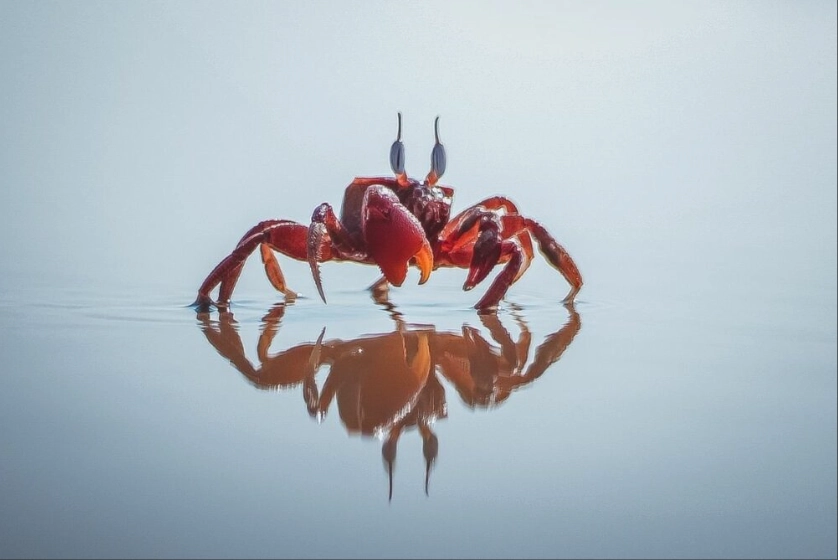
- Dreaming of a crab crawling: This often means you're navigating a tricky situation slowly. Maybe a project at work is progressing, but you're feeling cautious. The crab's movement mirrors your pace.
- Dreaming of a crab pinching or attacking: As mentioned earlier, this ties to feeling threatened. It could be criticism from others or self-doubt. I've seen this in people facing job interviews or public speaking.
- Dreaming of a dead crab: This might signal emotional exhaustion or the end of a defensive phase. It's not necessarily negative; it could mean you're ready to let go of old hurts.
- Dreaming of multiple crabs: Indicates overwhelming emotions or multiple stressors. Think of it as your mind saying, "Too much on your plate."
Here's a quick table to summarize key scenarios and their potential meanings:
| Dream Scenario | Possible Meaning | Common Life Context |
|---|---|---|
| Crab crawling sideways | Indirect approach or avoidance | Work conflicts, social anxiety |
| Crab pinching you | Feeling emotionally attacked | Family disputes, criticism at work |
| Dead crab | End of a defensive period | After a breakup, resolving issues |
| Crabs in water | Emotional depth or subconscious fears | Personal growth phases, therapy |
Notice how each scenario links to real emotions. That's where most interpretations fail—they don't connect to daily life. For instance, if you dream of crabs on a beach, consider if you're feeling exposed or vulnerable lately.
How to Analyze Your Crab Dream: A Step-by-Step Guide
So you had a crab dream. Now what? Don't just Google it and panic. Here's a practical method I've refined over time. It's straightforward, but it requires honesty.
Step 1: Write it down immediately. Details fade fast. Note the crab's size, color, actions, and how you felt. Was it scary? Neutral? This sets the baseline.
Step 2: Link to recent events. Think about the past week. Any conflicts, stresses, or changes? Crab dreams often pop up after emotional triggers. A client of mine dreamed of a giant crab after a promotion—it reflected her fear of new responsibilities.
Step 3: Identify your emotional armor. Ask yourself: Where am I being defensive? Maybe in a relationship or at work. The crab's shell is a metaphor for your barriers.
Step 4: Consider the outcome. Did the dream resolve? If the crab walked away, it might suggest moving on. If it lingered, there's unresolved tension.
Step 5: Take small actions. Use the insight. If the dream highlighted withdrawal, try reaching out to a friend. I'm not saying overhaul your life; just make a tweak.
Let me share a personal case. A few years back, I dreamed of a red crab pinching my hand. At the time, I was avoiding a difficult conversation with a colleague. The dream jolted me into action—I scheduled the talk, and the anxiety eased. It wasn't magical, but it showed how dreams can nudge us.
Common mistake: People obsess over every detail. Don't. Focus on the big emotions. If the crab was blue, it might not mean much unless blue holds personal significance.
Cultural and Spiritual Takes on Crab Dreams
Crab symbolism varies across cultures, and this adds depth to your interpretation. It's not just psychology; it's about shared human stories.
In Native American traditions, crabs are seen as symbols of protection and emotional depth. Some tribes associate them with the moon and tides, linking dreams to cyclical emotions. If your crab dream feels tied to nature, this perspective might resonate.
In Chinese mythology, crabs represent resilience and adaptability. They're often linked to the idea of "shedding shells" for growth. This aligns with dreams where crabs molt—it could mean personal transformation. I've found this useful for clients in transition phases, like career changes.
From a spiritual angle, some view crab dreams as messages from the subconscious to guard your energy. It's less about fear and more about self-care. For example, if you're an empath, a crab dream might signal you're taking on too much emotional baggage.
I recommend checking sources like the American Psychological Association for research on dream symbolism, though they don't focus solely on crabs. The key is to blend these views without getting dogmatic. Your personal context outweighs general symbolism.
Here's a negative review I have: Some New Age sites push crab dreams as astrological signs or tarot connections, but that's often a stretch. Unless you're into astrology, stick to emotional and psychological lenses. It keeps things grounded.
Frequently Asked Questions About Crab Dreams
 Wrapping up, crab dream meaning boils down to your emotional landscape. It's not about fortune-telling; it's about self-awareness. Next time you dream of a crab, don't freak out—see it as a clue. Your mind is talking. Use the steps here to decode it, and remember, even weird dreams have purpose. If anything, they remind us to check our shells now and then.











Comments
Join the Conversation