I still remember the first time a tarantula showed up in my dreams. It wasn't scuttling across the floor or lurking in a corner. It was just... sitting on my windowsill, massive and fuzzy, backlit by the moon. I woke up with my heart hammering, a cold sweat on my neck, and a single thought: what on earth was that about? If you're here, you've probably had a similar rude awakening. That visceral jolt is the starting point, but it's not the whole story. A dream about a tarantula is one of the most potent messages your subconscious can send. It's rarely about actual spiders.
What's Inside: Your Dream Guide
What Does a Tarantula Represent in Dreams?
Let's ditch the generic "spider = creativity" trope. A tarantula is a specific archetype. Think about its real-world characteristics: large, hairy, often perceived as dangerous but typically quite passive unless provoked. It moves deliberately. It can feel alien and intimidating. In dream language, it becomes a symbol for things in your life that share those qualities.
Most interpretations cluster around three core ideas:
- A fear you're consciously avoiding. This isn't a simple phobia. It's the big, hairy, overwhelming thing—a financial crisis, a health scare, a confrontation you're dreading. The tarantula gives that abstract fear a tangible, creepy-crawly form.
- A person or situation exerting control. Does someone in your life make you feel trapped or powerless? A micromanaging boss, a demanding relationship, or even a personal addiction can manifest as this large, controlling presence in your dreamscape.
- Your own repressed power or a hidden aspect of yourself. This is the twist many miss. That intimidating tarantula might represent a part of you that you find frightening: your ambition, your anger, your sensual nature, or a deep patience and resilience you haven't yet owned. It feels foreign and powerful, so your mind codes it as a monster.
Common Tarantula Dream Scenarios and Their Meanings
The plot of your dream is where the symbolism gets personal. Here’s a breakdown of the most frequent scripts and what they're likely pointing to.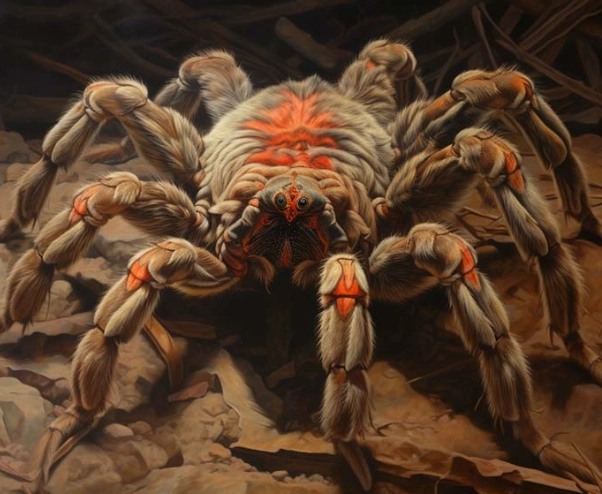
Being Chased by a Tarantula
This is the classic panic dream. You're running, it's pursuing, and the fear is all-consuming. This almost always signals that you're in active avoidance mode in your waking life. What are you running from? A decision? A conversation? A responsibility? The dream is highlighting that the "chase"—the stress of avoidance—is itself exhausting. The tarantula here is the embodied consequence you fear.
Seeing a Tarantula, Calmly Observing It
If you're watching it from a safe distance, maybe even with curiosity, the dynamic changes. This suggests awareness. You see the problem (the fear, the controlling factor, your own power) but haven't engaged with it yet. It's a stage of recognition. It's less urgent than the chase but a clear sign your subconscious has placed an issue on your mental desk for review.
A Tarantula on Your Body (Arm, Leg, Back)
Location matters. On your arm or hand? This could relate to an action you're afraid to take or something you've created that feels risky. On your back? That's a classic "burden" symbol—something weighing on you that you can't easily see but can constantly feel. The intimacy of contact raises the stakes; the issue is no longer external but is directly "on you."
Killing or Hurting a Tarantula
Aggression in the dream can reflect a desire to violently eliminate a problem or a part of yourself. While it might feel like a victory, it can also point to a harsh, unsustainable approach. Are you trying to crush a feeling instead of understanding it? Forcing a solution without nuance?
Controlling or Communicating with a Tarantula
This is a powerful, positive sign. If you're guiding it, containing it safely, or even feeling a strange connection to it, it suggests you're beginning to integrate whatever it represents. You're moving from fear to management, or even acceptance, of that powerful force within or around you.
The Crucial Context Clues Everyone Misses
Forget the spider for a second. The dream's setting and supporting cast are where the true message is hidden. A tarantula in your childhood bedroom points to a fear or power dynamic rooted in your past. One in your office is almost certainly about work. The people with you matter too—if your overbearing parent is in the dream, the "control" symbolism clicks into focus.
I once worked with someone who dreamed of a tarantula in a glittering, empty mansion. The spider wasn't the main symbol; the mansion was. It represented a lucrative but isolating career path they felt trapped by. The tarantula was the specific fear of the emptiness that success would bring. See the difference?
Your actions after the dream event are also telling. Do you scream for help? That might indicate a desire for external rescue. Do you try to handle it yourself? That points to self-reliance. These details are the breadcrumbs leading back to your waking-life situation.
What to Do After a Disturbing Tarantula Dream
Don't just shake it off and check it off as a "bad dream." That's wasting a direct memo from your inner self. Here's a practical, three-step process I've used for years:
1. Capture the Feeling, Not Just the Facts. As soon as you wake up, jot down three words that describe your core emotion (e.g., "powerless," "watched," "curiously calm"). This is more important than remembering how many legs it had.
2. Run a Quick Life Scan. Ask yourself, bluntly: "Where in my current life do I feel most like I felt in that dream?" Is there a situation that makes you feel equally trapped, observed, or intimidated? The connection is often immediate and obvious once you ask.
3. Define One Tiny, Non-Spider Action. The goal isn't to become a spider expert. It's to address the waking-life trigger. If the dream was about a controlling situation, your action might be drafting a single sentence you want to say to that person. If it was about a hidden strength, your action could be spending 10 minutes on a hobby you've neglected. This translates the dream's energy into real-world momentum.
Your Burning Questions Answered
That tarantula on your windowsill, or in your shoe, or staring you down from the ceiling? It's not a random horror movie clip. It's a reflection. A distorted, hairy, eight-legged mirror showing you something about your own life that's asking for your attention. The fear is real, but it's also a doorway. The next time you have that dream, take a deep breath after the initial scare. Get curious. Ask it what it represents. The answer might be uncomfortable, but it will always be aiming you toward a more integrated, aware, and empowered version of yourself. That's a message worth deciphering.










Comments
Join the Conversation