You wake up, the chill of a winter landscape still clinging to your mind. The world in your dream was silent, transformed by snow. Was it peaceful or terrifying? The meaning of dreaming of snow isn't a one-size-fits-all fortune cookie message. As someone who's worked with dream analysis for over a decade, I've seen people misinterpret a beautiful snow dream as a bad omen, and vice versa. The key isn't just the symbol—it's the context you feel in your bones when you wake up. Let's melt away the generic interpretations and find what your unique snow dream is trying to tell you.
What's In Your Snow Dream? Jump Straight There
The Universal Language of Snow in Dreams
Before we get to your specific vision, let's understand the raw materials. Snow in dreams is a powerful symbol because it's water in a transformed state—it covers, quiets, and preserves. In my experience, it almost always points to something happening in your emotional landscape.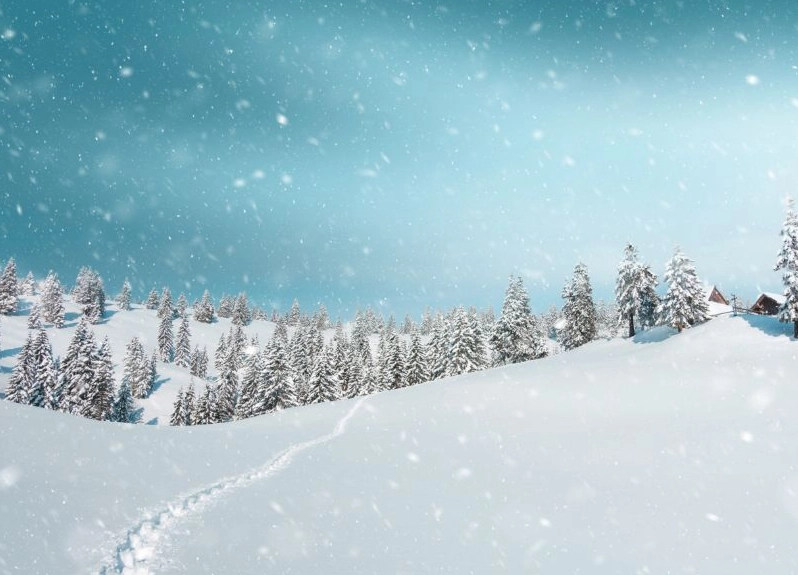
Think about the properties of snow:
- It covers everything: This can mean hidden emotions, a desire to forget ("let it be covered"), or a period of dormancy before new growth.
- It brings silence: This isn't always peaceful. It can symbolize emotional numbness, a communication breakdown, or a needed pause from mental noise.
- It's cold: Often linked to emotional distance, loneliness, or a "cold" situation in your life. But cold can also be cleansing.
- It's temporary: Snow melts. This is crucial. It reminds us that emotional states, even difficult frozen ones, are not permanent.
The biggest mistake I see? People go straight to a dream dictionary that says "snow = death" or "snow = purification." That's like saying "car = travel." Is it a race car, a broken-down sedan, or a family minivan? The details make all the difference.
12 Common Snow Dream Scenarios and What They Might Mean
Here’s where we get specific. The setting and action in your snow dream are the clues to its personal meaning for you.
Dreaming of Gentle, Falling Snow
This is often a positive sign. It can represent peace settling after a turbulent time, gentle clarity descending on a confusing situation, or a sense of calm anticipation. Ask yourself: Did you feel calm watching it? This could be your psyche's way of self-soothing.
Dreaming of a Heavy Snowstorm or Blizzard
This is the classic overwhelm dream. You likely feel blinded by options, emotionally overwhelmed, or stuck in a situation where you can't see a way forward. The wind direction matters—are you walking into it (fighting the overwhelm) or with it (being carried by it)?
Dreaming of Being Snowed In or Trapped
This points directly to feeling stuck or isolated in your waking life. It could be in a relationship, a job, or a personal habit. The critical question: What's the quality of the trap? Is it a cozy, safe isolation you might need? Or a panicky, claustrophobic one?
Dreaming of Pristine, Untouched Snow
A blank canvas. This strongly suggests a new beginning, a clean slate, or untapped potential. It's an invitation. The feeling here is usually awe or possibility, not fear.
Dreaming of Dirty or Melting Snow
The clean slate is ending or being muddied. This can mean hidden issues are coming to the surface, a period of innocence is over, or an emotional thaw is beginning—which can be messy. It's rarely a pretty process, but it's often necessary.
Dreaming of Playing or Making Snow Angels
Your inner child is calling. This dream often appears when you're too serious, burdened by adult responsibilities. It's a nudge to reconnect with joy, playfulness, and simple pleasures.
Other quick-fire scenarios:
- Seeing snow in summer: Emotional incongruity. Feeling out of place or experiencing an unexpected emotional chill in a usually warm situation.
- Eating snow: Trying to satisfy an emotional need with something that provides no real sustenance (cold comfort).
- Snow turning to rain: An emotional thaw is in progress; frozen feelings are starting to flow again, which can be relieving or tumultuous.
- A single snowflake: A unique idea, a fragile insight, or the beginning of something new. Handle with care.
- Snow on a specific object (like your car or house): Look at what that object represents. Snow on your car (your means of moving forward) suggests your progress is stalled or on hold.
- Dreaming of a snowball fight: Light-hearted conflict or deflecting emotional "hits" with humor. Could also mean a small issue is gaining momentum.

How to Decode Your Specific Snow Dream: A 4-Step Framework
Forget the dictionaries. Use this framework as soon as you wake up, even if you just jot down keywords on your phone.
Step 1: Capture the Core Feeling (Not Just the Image).
This is the most important step. Before you even remember the plot, how did you feel? Peaceful? Anxious? Awe-struck? Lonely? This emotional residue is your North Star. A dream of a snowstorm where you felt exhilarated means something completely different than one where you felt terrified.
Step 2: Isolate the Key Action.
What were you doing in the dream? Were you an active participant (shoveling, running) or a passive observer (watching from a window)? Action reveals your subconscious stance. Shoveling snow suggests you're actively trying to clear an emotional burden. Watching silently suggests contemplation or feeling powerless.
Step 3: Cross-Reference with Waking Life.
This is where the magic happens. Take the core feeling (e.g., "trapped panic") and the main action ("trying to dig out") and hold them against your current life. Where do you feel trapped and panicky? Is it a project with a deadline? A conversation you're avoiding? The connection usually clicks with a quiet, "Oh."
Step 4: Find the Message or Invitation.
Dreams are rarely just reports; they're advisors. What is this dream suggesting? If you dreamed of pristine snow, is it inviting you to start fresh on something? If it was a blizzard, is it telling you to stop trying to "see through it" and just find shelter until it passes (i.e., pause and rest)?
Common Mistakes People Make When Interpreting Snow Dreams
After years of listening to people's interpretations, I've noticed patterns of error that block true understanding.
Mistake 1: Taking It Too Literally. Dreaming of a snowstorm does not mean you should cancel your travel plans or that a literal disaster is coming. It's a metaphor for your inner weather.
Mistake 2: Ignoring the Positive Thaw. People fear the "cold" of snow, but melting snow is essential. Dreams of snow melting can indicate a necessary, if uncomfortable, emotional release. It's not a bad dream; it's a healing one.
Mistake 3: Over-Spiritualizing a Psychological Message. Not every snow dream is a mystical sign. Most are your brain's brilliant way of processing daily stress and emotion using the symbol of snow. Address the psychological need first ("I feel overwhelmed") before searching for a spiritual prophecy.
Mistake 4: Not Acting on the Insight. This is the biggest one. If your dream highlights feeling "snowed under" at work, and you just say "Huh, interesting" and do nothing, you've missed the point. The dream is a call to action, even if that action is small, like delegating one task or scheduling a break.
Your Burning Questions About Dreaming of Snow
Are dreams about snow always negative or a sign of depression?
Not at all. This is a common misconception. While a bleak, frozen landscape can mirror feelings of isolation, the context is everything. Dreaming of pristine, sparkling snow under a clear sky often symbolizes peace, clarity, and a fresh start. The emotional tone you feel in the dream—awe versus dread—is your primary clue. A blanket of snow can represent emotional insulation, which isn't inherently bad; it might mean you need a period of quiet introspection.
How can I tell if my snow dream is a psychological message or a spiritual sign?
Start with the psychological. Examine your current stress levels, emotional numbness, or desire for a clean slate. If those resonate, the dream is likely processing daily life. The spiritual layer often appears if the snow feels numinous—exceptionally bright, accompanied by a sense of guidance, or if it transforms something in the dream. For example, snow healing a wound suggests spiritual purification. Journal the dream, then sit with it for a day. The interpretation that continues to feel intuitively 'sticky' and relevant is usually the correct one.
I keep having recurring dreams of being trapped in a snowstorm. What should I do?
Recurring storm dreams are a strong signal your subconscious is trying to get your attention. First, don't just analyze—act. The storm likely represents overwhelm. Before sleeping, try a 'dream redirection' technique: visualize yourself finding a cozy cabin in that same storm, complete with the feeling of safety and warmth. More crucially, in waking life, identify one source of 'blinding' overwhelm and create a concrete, small-step plan to address it. The dream may recur until you take tangible action, proving to yourself you're not powerless.
Dreaming of snow is one of the more vivid and memorable dream experiences. It sticks with you. The next time it happens, resist the urge to slap a generic meaning on it. Grab the details—the feeling, the action, the landscape. Your subconscious isn't trying to confuse you; it's using the most powerful metaphor it has, the quiet transformation of a snowscape, to show you what's happening inside. Listen to it. That silent, covered world in your mind has something important to say about the world you walk in every day.









Comments
Join the Conversation