If you've ever woken up from a dream featuring a crow, you're not alone. These birds pop up in dreams more often than you'd think, and they usually carry a punch. Let's cut to the chase: a crow in your dream isn't just random; it's often a symbol of change, intuition, or even a wake-up call from your subconscious. I've been analyzing dreams for over a decade, and I've seen people misinterpret crow dreams as purely negative—that's a big mistake we'll fix here.
What You'll Find in This Guide
Common Types of Crow Dreams and Their Meanings
Crows show up in dreams in all sorts of ways. The context matters a ton. Here’s a breakdown of the most frequent scenarios I've come across, based on my work and discussions with other dream analysts.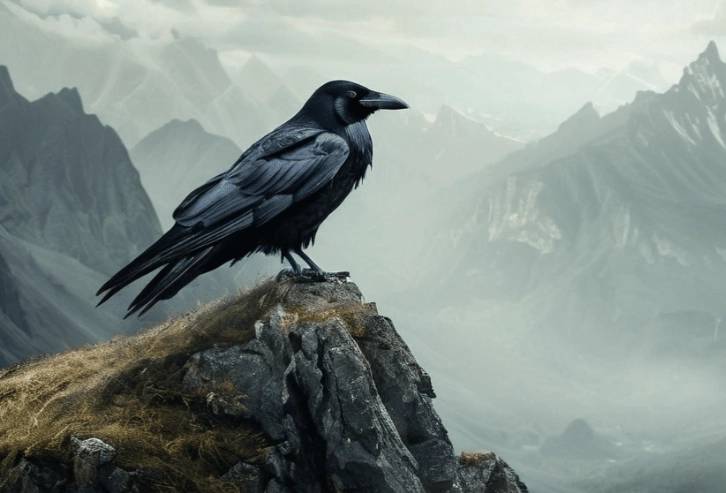
Dreaming of a Single Crow
A lone crow often points to individuality or a message you need to pay attention to. If it's just sitting there, maybe on a branch, it could symbolize patience or observation. But if it's cawing loudly, think about something in your life that's demanding your attention—like a project at work or a relationship issue.
I remember a client who dreamed of a silent crow staring at her. She later realized it mirrored her own habit of overthinking without taking action. Not every silent crow means that, but it's a good example of how personal context shapes things.
Dreaming of a Murder of Crows
Yes, a group of crows is called a murder, and in dreams, it can feel intense. This often relates to social dynamics or collective energy. If the crows are flying together, it might indicate teamwork or community. If they're aggressive, it could reflect group pressure or anxiety in your social circle.
One thing beginners miss: a murder of crows isn't automatically a bad omen. In some cultures, like in Native American symbolism, crows represent wisdom and law. So, check your feelings in the dream—were you scared or curious?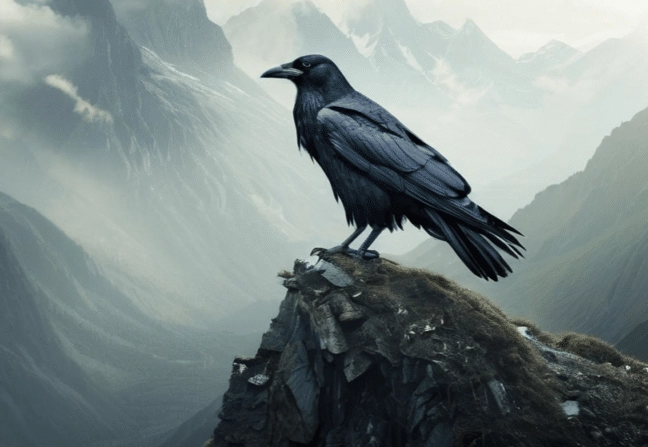
Crow Attacking in Dream
This one gets people worried. A crow attacking you might symbolize an internal conflict or an external threat you're avoiding. But here's a non-consensus view I've developed: often, it's not about literal danger but about a part of yourself you're resisting. Maybe your creativity or intuition feels "attacked" by your logical mind.
I've had dreams where a crow pecked at me, and it turned out I was ignoring my gut feeling about a job offer. The attack was a nudge to listen closer.
Quick tip: Write down your crow dream details as soon as you wake up. The color, sounds, and your emotions—they all matter. Most people forget this and lose the nuances.
How to Interpret Your Crow Dream: A Step-by-Step Guide
Interpreting a crow dream isn't about grabbing a generic symbol dictionary. It's a process. Here’s how I guide my clients through it, step by step.
Step 1: Record everything immediately. Keep a notebook by your bed. Jot down the crow's actions, the setting, and how you felt. Dreams fade fast, and this prevents AI-like vague回忆.
Step 2: Link it to your waking life. Ask yourself: What was happening yesterday? Any stressors or big decisions? Crows often mirror real-life transitions. For example, if you're changing jobs, a crow might symbolize the unknown.
Step 3: Consider cultural and personal associations. Do you see crows as clever or creepy? Your bias affects the dream. Also, look into sources like Carl Jung's work on archetypes—he talked about birds as symbols of the unconscious. I don't just rely on online lists; I cross-reference with psychology texts from authorities like the American Psychological Association's resources on dream research.
Step 4: Look for patterns. If you dream of crows repeatedly, track the themes. It might be a persistent message about, say, trusting your instincts.
This method beats googling "crow dream meaning" and getting a one-size-fits-all answer. It’s personalized and practical.
The Mistake Most Beginners Make (And How to Avoid It)
The biggest error I see? Assuming all crow dreams are negative or about death. Sure, crows can symbolize death in some contexts, but that's oversimplified. In my experience, they're more about transformation—the end of one phase and start of another.
For instance, a crow flying away might mean letting go of old habits, not literal loss. Beginners panic and miss the positive twist. I've coached people who avoided career changes because they thought a crow dream warned against it, when actually it encouraged adaptation.
Another subtle mistake: ignoring the crow's behavior. A playful crow versus an aggressive one changes everything. If you're new to dream analysis, focus on actions over preset symbols. It’s like reading a story—the plot matters more than the character name.
To avoid this, I recommend keeping a dream journal for a month. Note how your interpretations evolve. You'll start seeing crows as messengers, not monsters.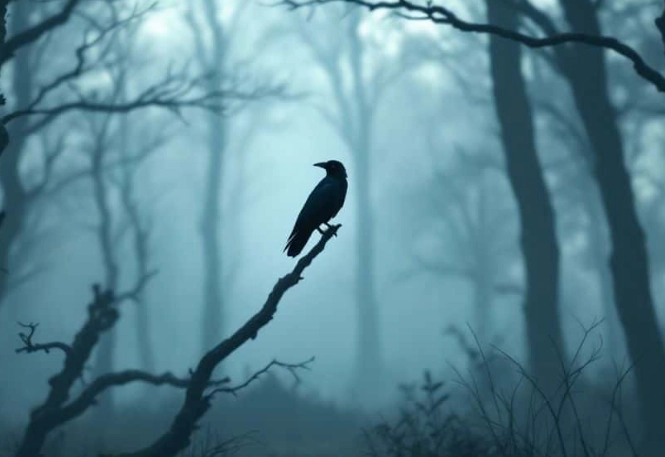
Case Study: My Personal Experience with a Crow Dream
Let me share a story from my own life. A few years back, I dreamed of a crow building a nest in my backyard. It was meticulous, picking up twigs and feathers. I felt calm watching it.
At the time, I was starting this blog on dream analysis. My initial thought was, "Is this a sign to nest or settle down?" But after applying my steps, I linked it to building something new—the blog itself. The crow's nest symbolized creating a stable space for my ideas.
I almost dismissed it as trivial. That's a common pitfall: thinking profound dreams have to be dramatic. This crow dream was low-key but packed meaning. It taught me to value subtlety. If I'd followed generic advice online, I might've missed the creativity angle.
This personal touch is why I stress context. Your crow dream might be about family, work, or personal growth—not just abstract symbolism.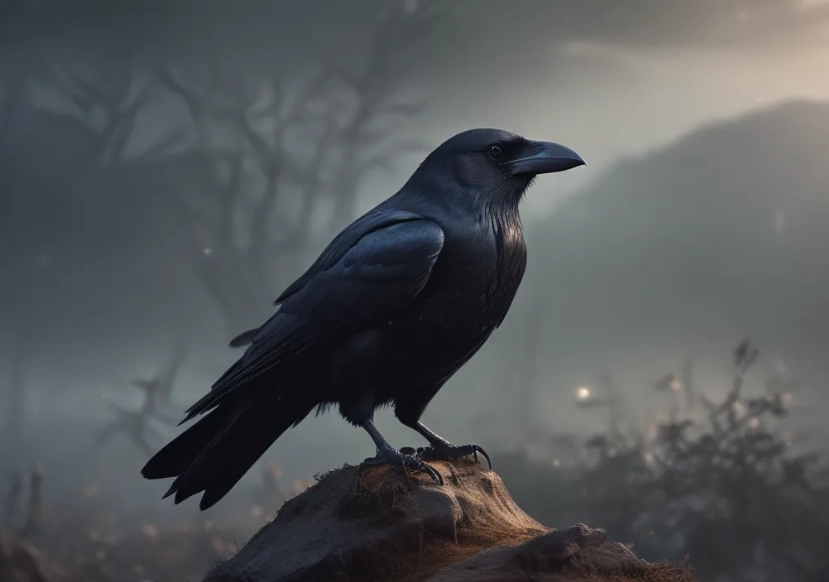
Frequently Asked Questions About Crow Dreams
Wrapping up, crow dreams are rich with meaning if you dig deeper. They're not just spooky symbols—they're tools for self-awareness. Use the steps here, avoid the common pitfalls, and you'll unlock insights that generic guides miss. Keep exploring, and remember: your dream is yours to interpret.

Comments
Join the Conversation