You wake up. Your heart might still be pounding. The image of a wolf—stalking, howling, or just watching you—is burned into your mind. The first thing you do, like most of us, is search for "wolf dream meaning." You'll find a sea of generic answers: "freedom," "instinct," "wildness." But what if your dream felt more specific, more urgent, or just plain confusing? Those one-word interpretations fall flat. Let's cut through the noise. Dreaming of wolves isn't about a single universal meaning; it's a complex message from your subconscious, woven from your personal psychology, your life circumstances, and deep-rooted cultural symbols. This guide is for anyone who's tired of superficial lists and wants a real, actionable understanding of their wolf dream.
What's in This Guide?
The Universal Symbolism of the Wolf in Dreams
Before we get personal, let's look at the shared cultural backpack we all carry. The wolf archetype is powerful and dualistic. In many Native American traditions, the wolf is a revered teacher and pathfinder, symbolizing loyalty and sharp intelligence. In European folklore, it often represents danger, the "big bad wolf" of our childhood stories. Your dream taps into these reservoirs.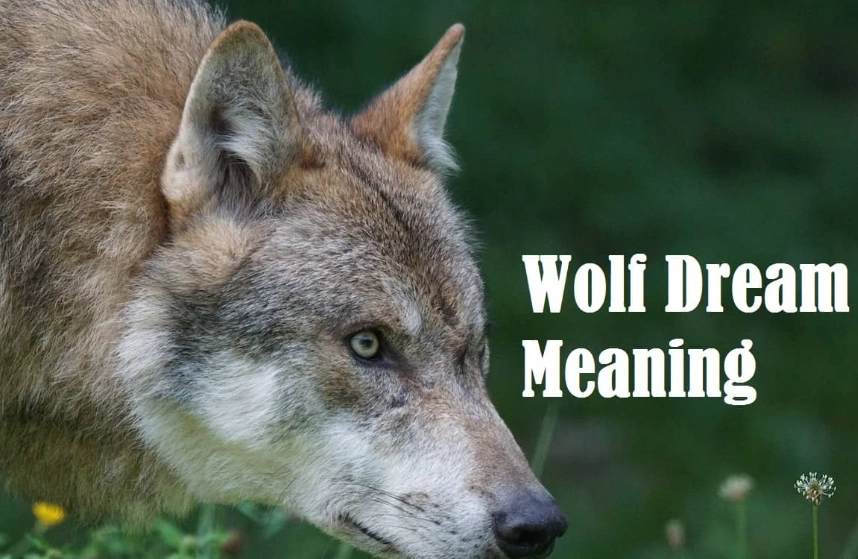
But here's the key: your dream's context decides which archetype is speaking. A wolf peacefully leading you through a forest hits different than one baring its teeth at your door.
To make sense of common scenarios, let's break them down. This table isn't a definitive answer key, but a starting point for your own reflection.
| Dream Scenario | Common Symbolic Angles | Questions to Ask Yourself |
|---|---|---|
| Being Chased by a Wolf | Running from a problem, fear, or an aspect of yourself you don't want to face (your "shadow self"). Suppressed instincts. | What am I avoiding in my waking life? What feels like it's "hunting" me? |
| Seeing a Lone Wolf | Independence, self-reliance, but potentially isolation. A call to trust your own path. | Do I feel alone in a current situation? Am I proud of my independence, or lonely because of it? |
| Observing a Wolf Pack | Community, family dynamics, teamwork, or social hierarchy. Your role within a group. | How do I function in my family, friend group, or at work? Am I a leader, a follower, or an outsider? |
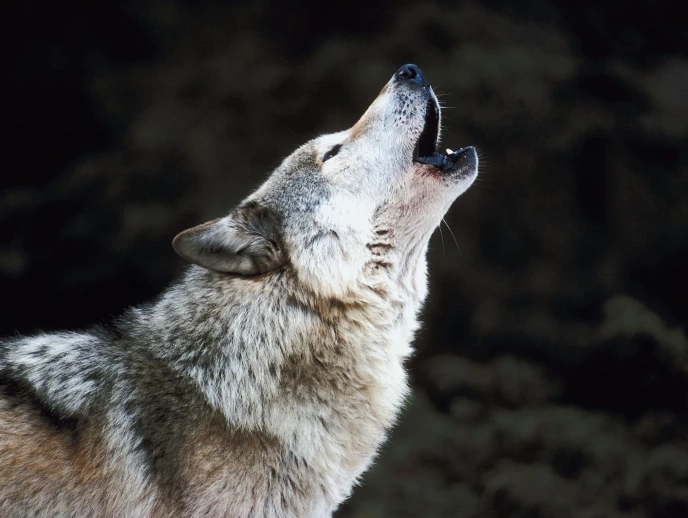
| A Wolf Howling | Communication, expression of deep emotion (grief, longing, joy), a call for connection or to be heard. | Is there something I need to express that I'm holding back? What am I calling out for? |
| A Friendly or Tame Wolf | Integrating your wild, instinctual side in a healthy way. Mastering your impulses. A protective force. | Where in my life have I successfully channeled my passion or assertiveness? What feels protective right now? |
| A Wolf Attacking You | Feeling threatened, overwhelmed, or "under attack" by external circumstances or internal conflict. | What conflict feels most vicious right now? Is this an external threat or am I fighting myself? |
The Psychology Behind Wolf Dreams: It's Not Just About Aggression
Now, let's put on a psychologist's hat. From a Jungian perspective, the wolf often represents the shadow—the parts of our personality we repress because society deems them unacceptable: raw anger, fierce independence, primal sexuality, or unchecked ambition.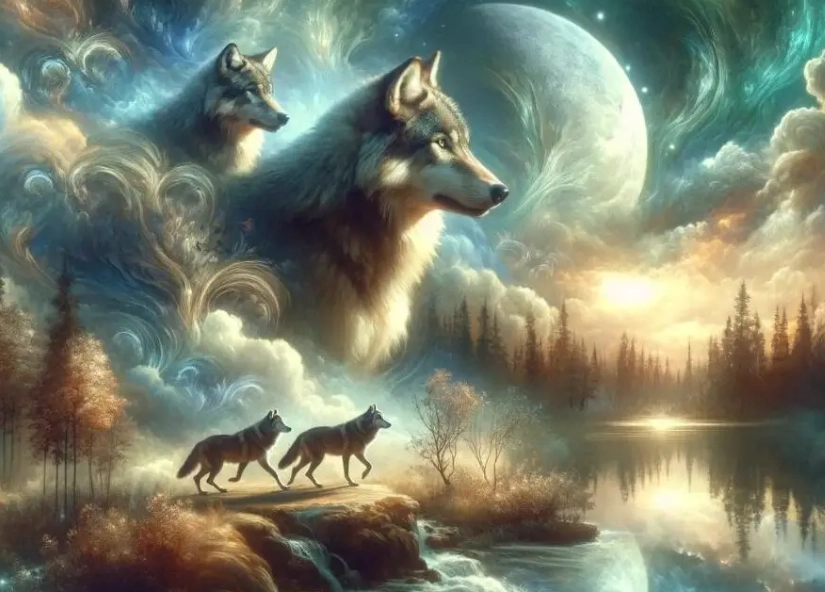
Dreaming of a threatening wolf might mean your shadow is demanding attention. You're bottling something up. I remember a client, let's call her Sarah, who kept dreaming of a snarling wolf trapped in a cage. In her waking life, she was the "perfectly nice" manager, never expressing frustration. The dream didn't stop until she started setting healthier boundaries at work. The "snarling" wasn't evil; it was her rightful assertiveness begging to be let out.
From a more modern cognitive angle, a wolf dream can be your brain's way of processing feelings of:
- Vulnerability: Do you feel exposed or unprotected in some area of your life?
- Social Anxiety: The wolf pack can mirror complex social dynamics you're navigating.
- Leadership Pressure: The alpha wolf imagery can relate to pressures to lead or provide.
The wolf's behavior is a metaphor for your emotional state. A pacing wolf might mirror your anxiety. A sleeping wolf could point to dormant instincts.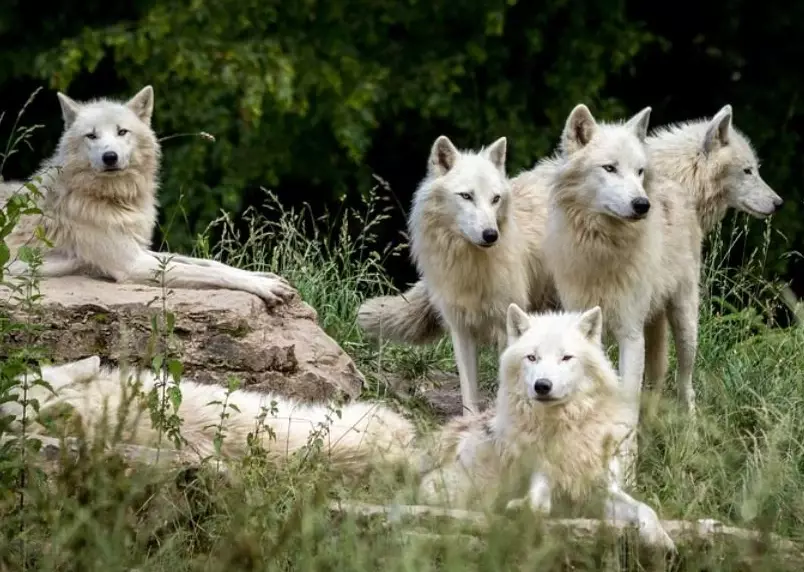
Wolf as Spirit Animal or Messenger in Dreams
This is where many searchers land. If you're drawn to spiritual frameworks, a wolf appearing in a dream can feel like a visitation. In many shamanic and animist views, animals in dreams can be spirit guides, totems, or messengers.
So, what is a spirit animal wolf trying to tell you? Common messages include:
- Trust Your Instincts: You know the answer. Stop overthinking.
- Protect Your Energy: Who or what in your life is draining you? The wolf is a fierce protector of its pack and territory.
- Embrace Your Authentic Path: Wolves don't follow roads. They make trails. Are you conforming too much?
- Value Your Tribe: It's a reminder of the strength of your loyal circle, or a nudge to find one.
Is It a Totem or a One-Time Messenger?
This is a crucial distinction. A totem animal (like a spirit animal wolf) represents a lifelong guiding energy. You might see wolves repeatedly in dreams and in waking life (art, conversations, nature). A messenger animal appears for a specific, timely lesson. The dream has a singular, powerful clarity about a current situation.
Ask yourself: Does this wolf feel like an old, familiar presence, or a startling new visitor with a direct message?
How to Interpret Your Wolf Dream: A Practical Guide
Ready to decode your own dream? Ditch the generic dictionary. Follow these steps instead.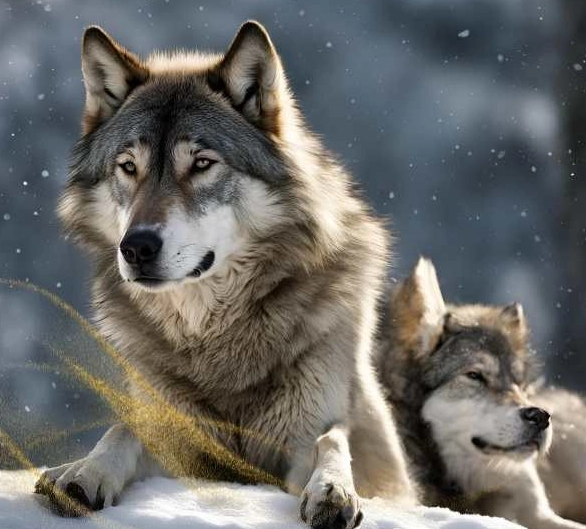
Step 1: Replay the Dream Like a Movie. As soon as you wake up, jot down everything. Not just "saw a wolf." Where were you? (A snowy forest? Your childhood home?) What was the wolf doing? (Staring? Running? Eating?) Most importantly, what was YOUR emotion? (Terror? Awe? Curiosity?) This detail is gold.
Step 2: Identify the Core Feeling. This is your compass. Was the dominant feeling fear, freedom, loneliness, or protection? That feeling is almost always a mirror of a waking-life situation. Feeling trapped at a job? That might be the "caged wolf" feeling.
Step 3: Cross-Reference with Your Waking Life. This is the most skipped step. Literally ask: "Where in my life right now do I feel this same core feeling?" Be brutally honest. It might be about a relationship, a work project, or an internal struggle with self-confidence.
Step 4: Consider the Wolf's Specific Action. Use the table above as a prompt, not a verdict. A wolf howling at the moon during a time of grief might be your soul's expression of loss. The same howl during a creative dry spell might be a call to express yourself.
Step 5: Synthesize the Message. Combine the feeling and the symbol. "I felt terrified of the wolf chasing me (feeling), and at work, I'm terrified of my impending deadline (waking life). The dream is highlighting my fear and telling me I need to stop running and face this project head-on."
Common Mistakes and Advanced Interpretation Tips
After years of discussing dreams, I see the same errors crop up.
Mistake #1: Taking It Too Literally. Dreaming of a wolf does not mean a literal wolf—or a literal person who acts "like a wolf"—is coming to get you. It's symbolic. The threat is usually metaphorical.
Mistake #2: Ignoring the Positive Wolf. We're conditioned to see wolves as threats. But what about the wolf that walked beside you calmly? Or the wolf pup you protected? These often point to positive integration of strength, intuition, or nurturing your wild creativity.
Mistake #3: Outsourcing the Meaning. No online guide, including this one, can tell you what your dream means. We can give you tools, frameworks, and questions. You hold the only key to the personal context that makes the symbol meaningful.
Advanced Tip: The Wolf's Color. While not universal, colors add a layer. A pure white wolf might connect to spiritual guidance or purity of purpose. A black wolf could delve deeper into the shadow or the unknown. A grey wolf often speaks to the balance between opposites.
Advanced Tip: Your Interaction. Did you fight the wolf? Flee? Feed it? Observe from a distance? Your action reveals your current relationship with whatever the wolf represents. Feeding a hostile wolf suggests an attempt to appease a problem. Standing your ground shows developing courage.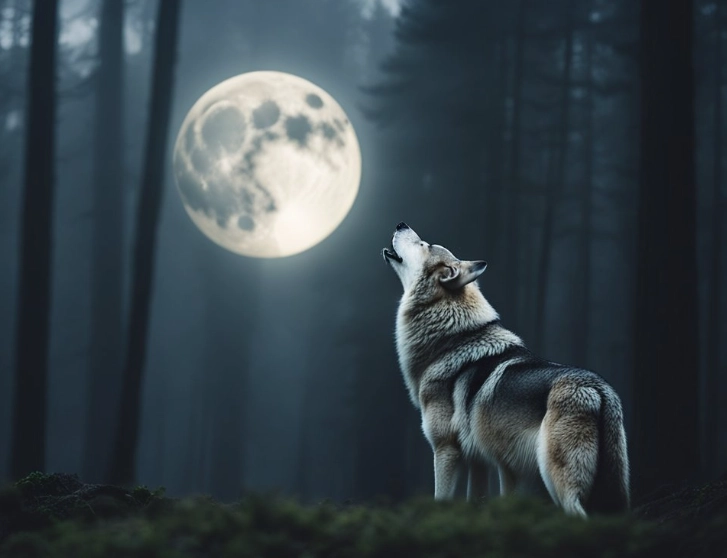
Your Wolf Dream Questions, Answered
Ultimately, dreaming of wolves is an invitation. An invitation to listen more closely to your gut, to acknowledge your power—both its fierce and gentle aspects—and to navigate your world with the intelligence and resilience these creatures embody. Your dream isn't a random broadcast; it's a personal conference with your subconscious. Grab a notebook, ask the tough questions, and see what truths start to howl back.





Comments
Join the Conversation