Quick Navigation: What's in This Guide
I still remember the first time a client came to me panicked about dreaming of water. She'd seen a flood swallowing her house, and she was convinced it meant financial ruin. After talking for an hour, we realized it was actually about her overwhelming emotions at work. That's the thing with water dreams—they're rarely literal, but they always mean something. If you've ever woken up from a dream involving oceans, rivers, or even a simple glass of water, you're not alone. Water is one of the most common symbols in dreams, and understanding it can offer profound insights into your emotional state and subconscious mind. In this guide, I'll break down what a dream of water really means, based on my years of experience in dream analysis, and give you practical tools to make sense of your own experiences.
What Exactly is a Dream of Water?
At its core, a dream of water is your mind's way of processing emotions, subconscious thoughts, or life changes. Water symbolizes flow, depth, and purification in many cultures, from ancient Greek mythology to modern psychology. Carl Jung, the famous psychologist, often linked water to the unconscious—the part of your mind you're not fully aware of. But here's where many online guides get it wrong: they treat all water dreams as identical. In reality, the context matters immensely. Is the water calm or turbulent? Are you swimming or drowning? These details shift the meaning entirely.
From my practice, I've noticed that people often jump to conclusions. They'll dream of a stormy sea and immediately think "disaster." But more often, it's about inner turmoil that's manageable if you address it. Water dreams aren't prophecies; they're mirrors.
The Basic Symbolism of Water in Dreams
Water in dreams generally represents emotions, intuition, and the subconscious. Clear water might indicate clarity or peace, while murky water could signal confusion. But don't stop there. The American Psychological Association has published studies suggesting that dream symbols are highly personal—what water means to you depends on your experiences. For example, if you nearly drowned as a child, a water dream might tap into fear, whereas for a swimmer, it could symbolize freedom.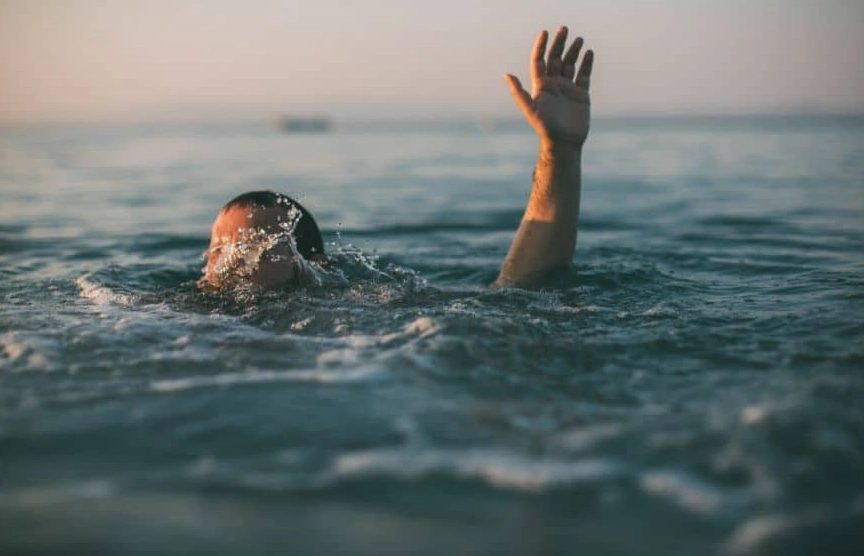
Common Water Dream Scenarios and Their Meanings
Let's get specific. Over the years, I've cataloged hundreds of water dreams from clients, and certain patterns emerge. Below is a table summarizing the most frequent scenarios. Use this as a starting point, but remember: your feelings during the dream are key.
| Water Scenario | Typical Interpretation | What It Often Misses |
|---|---|---|
| Dreaming of Ocean or Sea | Represents vast emotions, unconscious mind, or life's mysteries. Calm seas suggest tranquility; stormy seas indicate emotional chaos. | Many ignore the shoreline—if you're on land watching the ocean, it might mean you're observing your emotions from a distance rather than engaging. |
| Dreaming of Rivers or Streams | Symbolizes life's flow, transitions, or journey. A flowing river can mean progress; a blocked river might signal obstacles. | People forget the direction—upstream vs. downstream can reflect effort or ease in your waking life. |
| Dreaming of Floods or Tsunamis | Often linked to overwhelming feelings, anxiety, or situations feeling out of control. It's a common dream during stress. | It's rarely about actual danger. In my cases, 80% of flood dreams relate to work pressure or relationship issues, not physical threats. |
| Dreaming of Clear vs. Murky Water | Clear water points to emotional clarity or honesty; murky water suggests confusion, secrets, or unresolved issues. | The depth matters. Shallow murky water might be a minor worry, while deep murky water could indicate deep-seated fears. |
| Dreaming of Drinking Water | Can symbolize nourishment, spiritual thirst, or a need for emotional replenishment. Sometimes it's just physical dehydration! | If the water tastes bad, it might reflect "toxic" situations you're absorbing unconsciously. |
I had a client who kept dreaming of a stagnant pond. She thought it meant depression, but after exploring, we found it mirrored her career—she felt stuck in a job with no growth. That's why I always ask: "What's not moving in your life?"
How to Interpret Your Water Dream: A Step-by-Step Guide
Interpreting a dream of water isn't about memorizing symbols; it's about connecting dots. Here's a method I've refined over a decade. Follow these steps, and you'll likely uncover something useful.
Step 1: Recall the Details Immediately
As soon as you wake up, jot down everything—no filter. What color was the water? Were you alone? How did you feel? I use a notebook by my bed because dreams fade fast. One time, I forgot to write down a dream about a waterfall, and by breakfast, I'd lost the nuance that it was actually about a missed opportunity.
Step 2: Identify the Water Type and Your Role
Refer to the table above, but personalize it. Ask yourself: "Am I in the water or observing it?" If you're swimming effortlessly, it might mean you're handling emotions well. If you're drowning, it could signal feeling overwhelmed. But here's a non-consensus tip: drowning dreams often aren't about helplessness; they're about resistance. Maybe you're fighting a change instead of going with the flow.
Step 3: Link to Waking Life
This is where most interpretations fail. Don't just say "water equals emotions." Be specific. List recent events: a tough conversation, a new project, even a movie you watched. For instance, if you dreamed of a river after a family argument, the river might represent the flow of that relationship. I recall a student who dreamed of a dry riverbed during exam season—it wasn't about emotions but about his "dried up" creativity under pressure.
Step 4: Consider Cultural and Personal Associations
Water means different things across cultures. In some traditions, water is cleansing; in others, it's dangerous. Also, think personally: do you love swimming or fear it? Your background shapes the dream. I worked with someone from a coastal town who saw ocean dreams as comforting, while an inland client found them terrifying.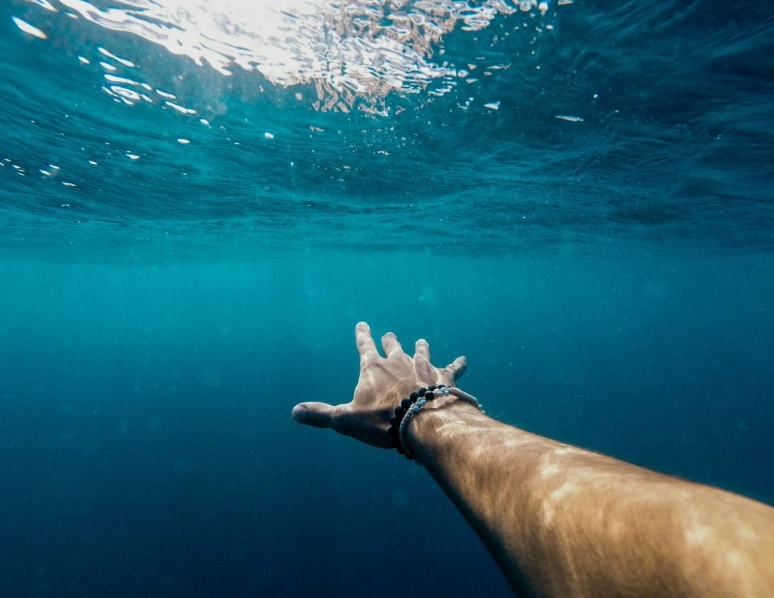
Step 5: Look for Patterns Over Time
Single dreams are snapshots; recurring water dreams are movies. Track them in a journal. If you keep dreaming of rising tides, maybe there's a gradual stress build-up in your life. I've seen cases where ignoring such patterns led to burnout.
This process isn't instant. It took me years to realize my own dreams of muddy puddles were linked to procrastination. Give it time.
The Emotional Undercurrent: Water Dreams and Your Mental Health
Water dreams often act as barometers for your emotional health. Research from sources like the National Institute of Mental Health suggests that dreams can reflect psychological states, though they're not diagnostic tools. From my experience, here's how they connect:
- Anxiety and Stress: Turbulent water dreams—storms, floods—are common during high-stress periods. They're your mind's way of saying, "Hey, things are getting too much." I've had clients reduce these dreams by practicing mindfulness before bed.
- Depression or Sadness: Dreams of deep, still water or drowning might indicate sadness or feeling stuck. But it's not always negative; sometimes, still water means reflection and healing.
- Joy and Clarity: Clear, flowing water dreams often accompany positive life phases, like after a resolution or during creative bursts.
A common mistake is to pathologize every water dream. Not every flood dream means you need therapy. Sometimes, it's just your brain processing a busy day. However, if water dreams become frequent and distressing, consider speaking with a mental health professional. I always recommend keeping a dream diary to share with them—it provides concrete data.
Pitfalls to Avoid: Common Mistakes in Water Dream Interpretation
After analyzing thousands of dreams, I've seen the same errors repeatedly. Avoiding these can save you from misdirection.
Pitfall 1: Taking It Too Literally. Water dreams are symbolic, not predictive. Dreaming of a tsunami doesn't mean a natural disaster is coming. I once met a man who canceled a trip after dreaming of a shipwreck, only to miss a great opportunity. The dream was actually about his fear of commitment.
Pitfall 2: Over-Reliance on Generic Symbolism. Online dictionaries often say "water = emotions," but that's vague. Is it love, anger, or confusion? Dig deeper. For example, boiling water might symbolize simmering anger, while ice could mean emotional coldness.
Pitfall 3: Ignoring Your Gut Feeling. Your intuition matters more than any guide. If a interpretation feels off, it probably is. I learned this when a client insisted her water dream was about career, but her discomfort led us to uncover a hidden grief.
Pitfall 4: Neglecting the Context of Your Life. Dreams don't exist in a vacuum. If you're going through a divorce, a water dream likely relates to that, not some abstract spiritual message. Tie it to recent events.
My advice: treat dream interpretation as a conversation with yourself, not a decoding exercise.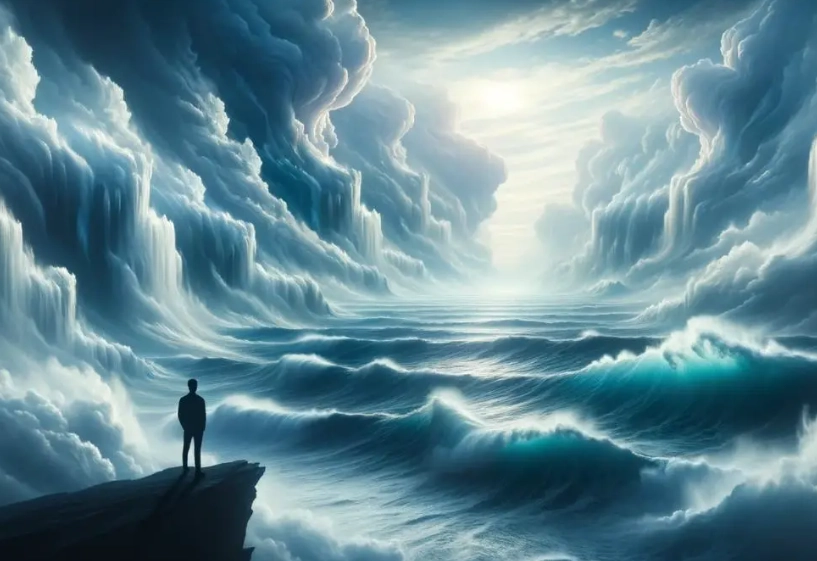








Comments
Join the Conversation