You wake up, the taste of chocolate cake or the image of a rotten apple still vivid behind your eyes. Why? What is your mind trying to tell you with this midnight menu? Interpreting food in a dream isn't about finding a one-size-fits-all meaning in some dusty old book. It's a personal conversation with your subconscious. Forget the generic lists. Let's talk about how your brain uses these symbols, the common pitfalls in interpretation, and what you can actually do with this information.
What's on the Menu? A Quick Guide
The Language of Food in Your Dreams
Think of your subconscious as a chef. It doesn't have words, so it uses images, sensations, and symbols to whip up a message. Food is a perfect ingredient for this. It's universal. We need it to live. We associate it with pleasure, comfort, guilt, celebration, and survival.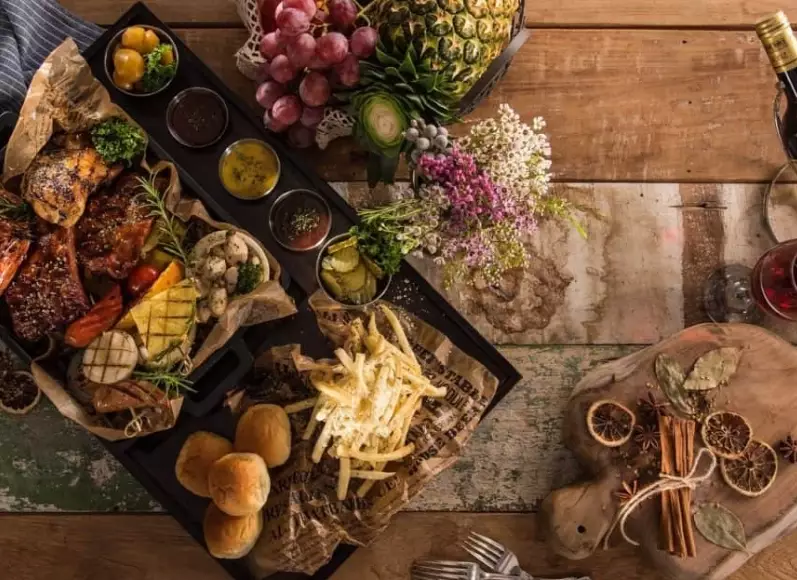
At its core, dreaming about food almost always ties back to nourishment. But what kind? Emotional nourishment? Intellectual stimulation? Spiritual fulfillment? Or is it pointing to a lack of these things? The International Association for the Study of Dreams often discusses how dream symbols are personal metaphors. A steak isn't just "protein" – for you, it might symbolize a hard-earned reward, while for a vegetarian, it could represent a conflict or something they've chosen to avoid.
Here's the first big mistake people make: they jump straight to the symbol dictionary. "Apple = knowledge. Done." But that's like reading a recipe without knowing if you're making a pie or a sauce. The context changes everything.
A personal note: I used to dream about endless buffets all the time. The classic interpretation is "abundance of choices." Felt wrong. For me, it was overwhelm. Too many options, none satisfying, a feeling of needing to try everything before time ran out. It perfectly mirrored my career anxiety at the time. The dictionary was a starting point, but my personal feeling was the real translation.
What Do Common Food Dreams Mean?
Let's break down some frequent culinary guests in the dream world. Remember, these are common themes, not fixed rules.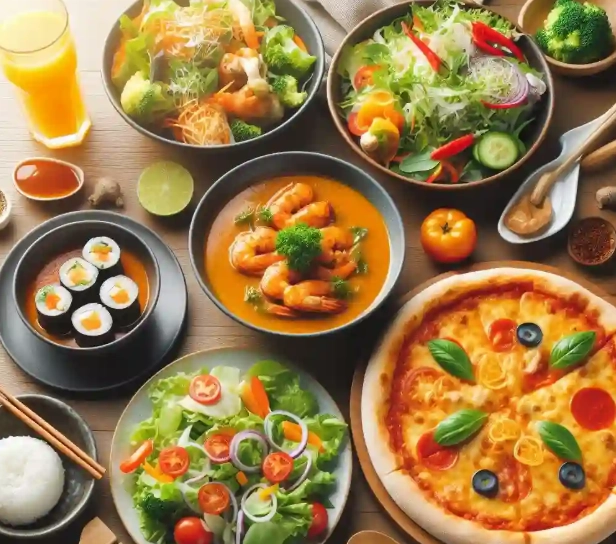
Sweets, Cakes, and Desserts
Usually about indulgence, reward, or desire. Dreaming of eating a giant slice of cake might mean you feel you've earned a treat or you're craving more sweetness (joy, pleasure, fun) in your life. But if you feel guilty while eating it in the dream, it might highlight a real-life indulgence you feel conflicted about. I knew someone who dreamed of eating forbidden chocolates before making a big, risky career move they felt both excited and ashamed about wanting.
Fruits
Often positive. They can symbolize natural growth, health, fertility (of ideas, not just babies), and the "fruits of your labor." Finding ripe, juicy fruit suggests something is coming to fruition. Eating sour or unripe fruit? Maybe an opportunity or idea isn't ready yet, or there's a sour note in some situation.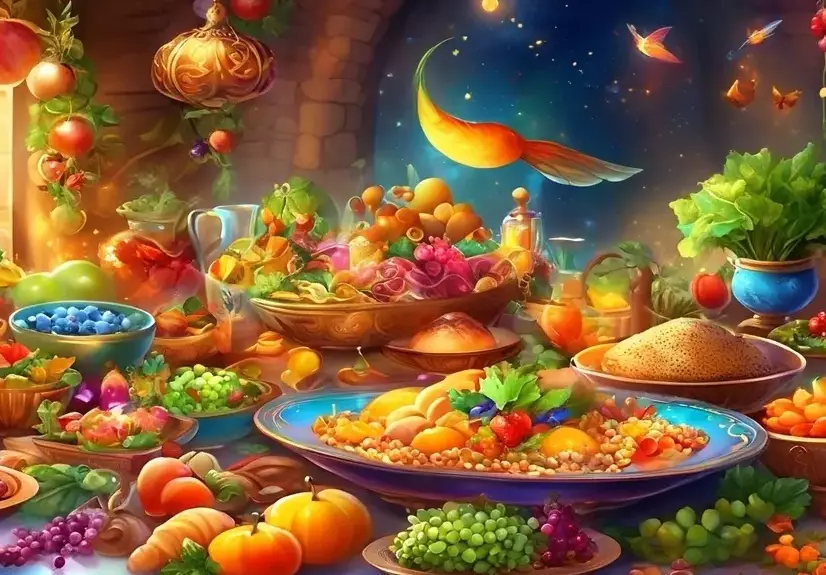
Meat
This gets primal. It can represent basic instincts, animal drives, raw passion, or substantial nourishment. A juicy steak might symbolize taking in strength or confronting something "bloody" and real. Rotten meat, which we'll get to, is a different story.
Rotten, Spoiled, or Inedible Food
This is your subconscious's big, flashing warning light. It's rarely about actual food poisoning. It's about something in your life that has "gone off." A plan that's no longer fresh. A relationship that's turned toxic. A job opportunity that's expired. An idea you've left to mold. The dream is urging you to identify it and throw it out.
Watch out for this: Many online sources will melodramatically claim rotten food dreams predict literal illness or betrayal. In over a decade of looking at these patterns, I've found they almost never do. They're metaphorical. Treating them as literal prophecies causes unnecessary anxiety and misses the practical, actionable message your mind is sending.
The Details Everyone Misses: It's Not Just the Food
This is where you move from amateur guesswork to skilled interpretation. The food item is just the main character. The plot is in the details.
The Setting: Are you at a lavish banquet or alone in a empty kitchen? A banquet might relate to social nourishment, community, or public recognition. An empty kitchen screams personal lack, a feeling of being emotionally or creatively starved.
The Action: Are you eating greedily? Maybe you're taking in too much of something (information, responsibility, criticism). Are you cooking? That's about preparation, transformation, combining elements of your life. Are you serving others but not eating? Classic caregiver fatigue. Are you searching for food and can't find any? That's a direct signal of a perceived lack.
The Sensation: This is the most important part. The feeling in the dream is the true message. Was it joy, anxiety, guilt, satisfaction, frustration, or fear? That emotion is the key to what the symbol means for you. A dream of eating pizza that feels cozy and happy has a totally different meaning than a dream of eating pizza that feels rushed and disgusting.
How to Record and Analyze Your Food Dreams
Want to get better at this? It's a habit.
- Keep a notebook by your bed. Phone notes are okay, but the physical act of writing can help cement the memory.
- Write immediately. The first 60 seconds after waking are gold. Don't think, just jot. List: The food. Its state (hot, cold, fresh, rotten, abundant, scarce). Who was there? The setting. The main action. And most crucially, the dominant feeling.
- Ask personal questions. Don't start with "What does cake mean?" Start with "What does cake mean to me?" Is it birthday celebrations? Childhood comfort? A guilty pleasure? That personal association is your primary dictionary.
- Look for patterns. After a few weeks, see if the same food or theme pops up. Recurring dreams are your subconscious raising its hand, trying harder to be heard.
Research from institutions like the Dream Research Foundation supports the idea that journaling dreams can increase self-awareness and problem-solving insight. You're not just decoding symbols; you're building a bridge to a deeper part of your own mind.
Your Food Dream Questions Answered
Let's tackle some specific, gritty questions that don't always get clear answers.
So the next time you dream of a feast or a famine, don't just shrug it off. Your inner chef is trying to send you a message. Grab your notebook, taste the feeling, and see what's really on the menu. It's one of the most direct ways to understand what you're truly hungry for.











Comments
Join the Conversation