You wake up, heart still pounding a bit, the image of a large, dark shape lingering behind your eyes. A black bear. It felt so real. Now you're left wondering: what on earth was that about? Is it a warning? A symbol of strength? Or just random brain static?
Here's the thing most dream dictionaries get wrong. They hand you a one-size-fits-all meaning—"black bear equals hidden danger"—and send you on your way. But that's like diagnosing an engine problem by only listening to one sound. It misses the context, the feel, the story of your dream. Having explored dream symbolism for years, I've found that a black bear is one of the most potent and misunderstood visitors from our subconscious. It's rarely just about the bear; it's about what the bear is doing, and more importantly, how you are reacting to it.
This guide won't just give you a generic definition. We'll walk through the most common scenarios, unpack the symbolism from multiple angles (psychological, spiritual, cultural), and I'll give you a practical framework to interpret your specific dream. Forget the fluff. Let's get into it.
What's Inside: Your Dream Decoder Map
What Does a Black Bear Symbolize in Dreams?
To understand your dream, we need to unpack the symbol. A black bear isn't a random animal. In the shared language of the subconscious, it carries weight.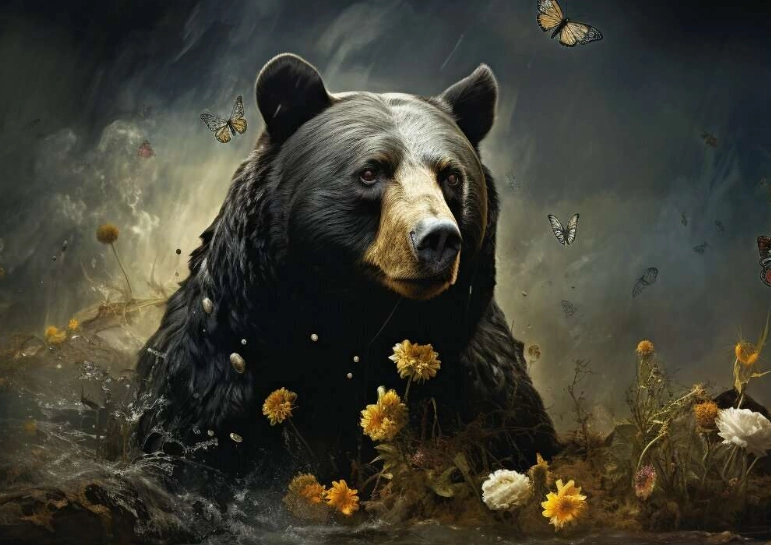
Primarily, it's about confronting the "shadow." This is a concept from Jungian psychology (popularized by Carl Jung) that refers to the parts of ourselves we repress, deny, or find unacceptable—our raw instincts, buried anger, deep-seated fears, or untapped power. The bear, as a powerful, sometimes unpredictable forest creature, is a perfect emblem for this hidden, instinctual self. Dreaming of one often means something from your "shadow" is demanding attention.
But that's not the whole story. The symbolism is richer:
- Instinct & Intuition: Bears hibernate and re-emerge, symbolizing a connection to deep, cyclical wisdom and gut feelings you might be ignoring.
- Personal Power & Boundaries: A bear is a force. This can reflect your own need to stand your ground, protect your space (or your "cubs"—projects, family, ideas), or own your strength.
- The Mother Archetype: Bears, especially sows with cubs, are fiercely protective. This can point to your own nurturing side or a need for maternal protection in your life.
- Solitude & Introspection: Bears are often solitary. The dream could be a nudge to take time for yourself, to go inward and "hibernate" for a period of reflection.
I once worked with a client, a high-powered but perpetually smiling executive, who kept dreaming of a black bear rummaging through her backyard. She was terrified of it. In waking life, she was praised for her constant agreeableness. The bear? It was her long-buried assertiveness and capacity for healthy anger, "making a mess" of her perfectly manicured emotional landscape. She wasn't in danger; she was being introduced to a lost part of herself.
7 Common Black Bear Dream Scenarios and Their Meanings
The single biggest mistake in dream interpretation is ignoring the plot. The scenario is everything. Here’s a breakdown of the most frequent black bear dream scripts and what they typically point toward.
| Dream Scenario | Common Waking-Life Correlates | Key Questions to Ask Yourself |
|---|---|---|
| 1. Being Chased or Attacked | Avoiding a major problem, conflict, or emotion (like anger or grief). Feeling overwhelmed by a situation or person. Repressed anxiety. | What am I literally "running from" right now? Who or what feels like it's "bearing down" on me? |
| 2. Calm / Peaceful Observation | Developing a healthier relationship with your own power or instincts. A period of introspection is yielding wisdom. Sensing protective energy around you. | Do I feel more grounded or secure lately? Am I learning to trust my intuition without fear? |
| 3. A Bear in Your House | An instinctual or emotional issue has entered your personal, private space (your mind, your home life). A boundary has been crossed. | What private matter is causing me instinctual stress? What feels like it's invaded my peace? |
| 4. Feeding or Caring for a Bear | Nurturing a powerful but potentially unruly part of yourself (e.g., a new business venture, a creative project, a personal transformation). | What big, demanding project am I "feeding"? Am I respecting its power while trying to care for it? |
| 5. Killing or Fighting a Bear | Attempting to violently suppress a part of yourself or a problem. This can indicate a costly "victory" where you defeat the symptom but not the cause. | Am I in a battle where "winning" might damage me? What am I trying to destroy that might be part of me? |
| 6. A Mother Bear with Cubs | Fierce protective instincts—towards children, a creative "brainchild," or a vulnerable part of yourself. Can also signal feeling vulnerable. | What do I feel fiercely protective of? Or, where in my life do I feel vulnerable and in need of protection? |
| 7. A Dead or Dying Bear | Disconnection from your instincts, intuition, or personal power. Feeling emotionally numb or that a source of inner strength has been depleted. | Have I been ignoring my gut feelings? Do I feel powerless or drained in a significant area of life? |
Look at the "Key Questions" column. That's where the real work starts. The table gives you a likely translation, but those questions make it personal.
Let's dive deeper into the two most reported scenarios.
1. Being Chased or Attacked by a Black Bear
This is the classic anxiety dream, and it's exhausting. The terrain matters. Are you running through a familiar neighborhood? That often ties the fear to your daily life. In a dense, unfamiliar forest? The source might feel more mysterious, more deeply psychological.
The bear's behavior is a clue. Is it relentlessly pursuing you, or is it more like it's just there and you're the one panicking and running? The latter is huge. It often means the "threat" is passive (a situation, a responsibility), but your reaction is one of flight. The bear isn't attacking; your perception of it is.
My advice, which contradicts many quick-fix sites: Don't just try to lucid dream to make the bear disappear. The dream is a messenger. Ask the bear (in your journaling or meditation) what it wants. Sounds silly, but this symbolic engagement can reveal the specific nature of the pressure you feel.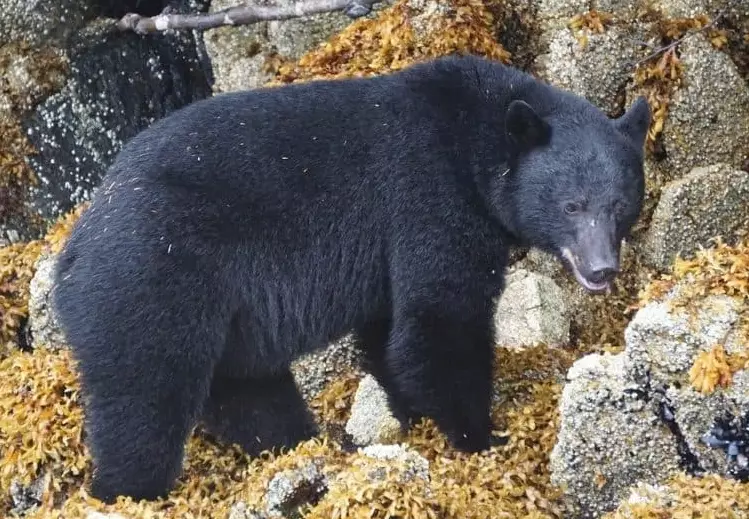
2. A Calm or Peaceful Encounter
These dreams are often overlooked because they're not scary, but they're incredibly significant. You see a black bear across a meadow, fishing in a stream, or walking calmly in the distance. You feel awe, curiosity, or peace.
This is a sign of integration. It suggests you are acknowledging your own powerful instincts or shadow aspects without fear. You're not running; you're observing. This can happen after you've faced a difficult truth or during a period of strong personal grounding.
I remember a period after I set a major, uncomfortable boundary at work. For weeks, I dreamed of watching a large black bear from the safety of my cabin porch. It wasn't a threat; it was a presence. My subconscious was showing me that my previously feared assertiveness (the bear) was now just a part of my landscape, something I could respect from a place of safety.
How to Interpret Your Black Bear Dream: A Step-by-Step Guide
Ready to crack your own dream's code? Follow this process. Grab a notebook.
Step 1: Record Immediately. Write down everything upon waking. Details fade fast. Note: Setting (forest, home, street?), Bear's Actions (chasing, eating, ignoring you?), Your Actions & Emotions (terrified? curious? protective?), and the Dream's Outcome (did you wake up? escape? get hurt?).
Step 2: Identify the Core Scenario. Match your dream to the table above. Is it primarily a chase, an observation, an invasion?
Step 3: Mine Your Emotions. This is the most crucial step. The emotion in the dream is the direct bridge to your waking life. Were you feeling trapped rage? That's a big clue. Awe? That's another. Don't think about the bear for a minute; think about the feeling. When did you last feel that exact way while awake?
Step 4: Cross-Reference with Waking Life. This is the detective work. Look at the "Common Correlates" from the table and the emotion you identified. Now, scan your current life. Is there a looming deadline (a "chasing" pressure)? A new project you're "feeding" that feels big and unpredictable? A relationship where your boundaries feel violated (a bear in the house)?
Step 5: Synthesize the Message. Form a statement. Instead of "My dream means danger," try: "My dream of being chased by a black bear reflects how I feel about the approaching tax deadline—it feels like a large, scary force I can't outrun, and I need to stop running and make a plan." See the difference? The second one is actionable.
Dreams are symbolic, not literal. A bear attack is almost never a prophecy of physical harm. It's a metaphor for emotional or psychological pressure. Treat it as a diagnostic tool, not a fortune cookie.
Your Black Bear Dream Questions, Answered
Final thought: A dream about a black bear is an invitation, not a sentence. It's your psyche's way of using a powerful, ancient image to get your attention about something happening below the surface. Don't fear the bear. Get curious about it. The answers you find might just be the strength you've been looking for.










Comments
Join the Conversation