If you've woken up from a dream where you were smoking, your first thought might be, "Do I secretly want to smoke?" or "Is this a bad sign?" Let's cut to the chase: smoking in dreams rarely means you're craving nicotine. In most cases, it's a metaphor for stress, hidden habits, or control issues in your waking life. I've spent years analyzing dreams, and the smoking symbol is one of the most misunderstood—people often fixate on the literal act, but the real juice is in the details like the setting, your emotions, and who else is there. This article will break down the symbolism, give you practical steps to decode your own dreams, and point out common mistakes even seasoned dream interpreters make.
Skip to What Matters
- What Smoking in Dreams Really Symbolizes (Beyond the Obvious)
- How to Interpret Your Smoking Dream Without Overthinking It
- Common Smoking Dream Scenarios and Their Hidden Meanings
- The Big Mistake Everyone Makes with Smoking Dreams
- A Simple 3-Step Plan to Analyze Your Dream Tonight
- Your Burning Questions Answered
What Smoking in Dreams Really Symbolizes (Beyond the Obvious)
Most websites will tell you smoking dreams represent addiction or health anxiety. That's surface-level. From my work, I've found it's more about ritual, escape, and self-image. Think about it: smoking in real life involves a repetitive action, a puff of smoke that dissipates, and often a social or solitary moment. In dreams, those elements translate to how you handle stress or habits.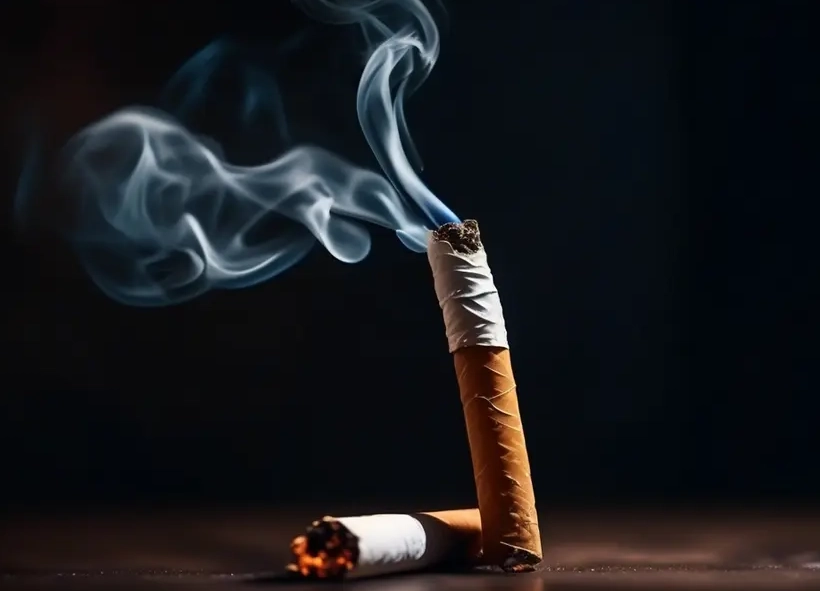
Here's a breakdown I use with clients:
- Stress relief: Smoking can symbolize a quick fix for anxiety. If you're dreaming of lighting up during a tense situation, like before a meeting, it might mirror your reliance on unhealthy coping mechanisms. I once had a client who dreamed of smoking whenever work deadlines loomed—turned out she was binge-watching TV to avoid tasks.
- Hidden habits: Not just smoking, but any repetitive behavior you're trying to quit. Dreaming of smoking could tie to procrastination, overeating, or even negative self-talk. The smoke often represents something fleeting but impactful.
- Control and release: The act of exhaling smoke might symbolize letting go of something. Conversely, holding a cigarette could mean grasping for control. It's nuanced.
Don't just take my word for it. Resources like the American Psychological Association often discuss dream symbolism as a reflection of waking concerns, though they avoid oversimplifying. In a report on dream analysis, they emphasize context over universal symbols.
And here's a non-consensus point: many experts claim smoking dreams are always negative. I disagree. I've seen cases where dreaming of smoking in a calm, social setting indicated a desire for connection or nostalgia. One person dreamed of sharing a cigarette with an old friend and realized they missed casual camaraderie, not the smoking itself.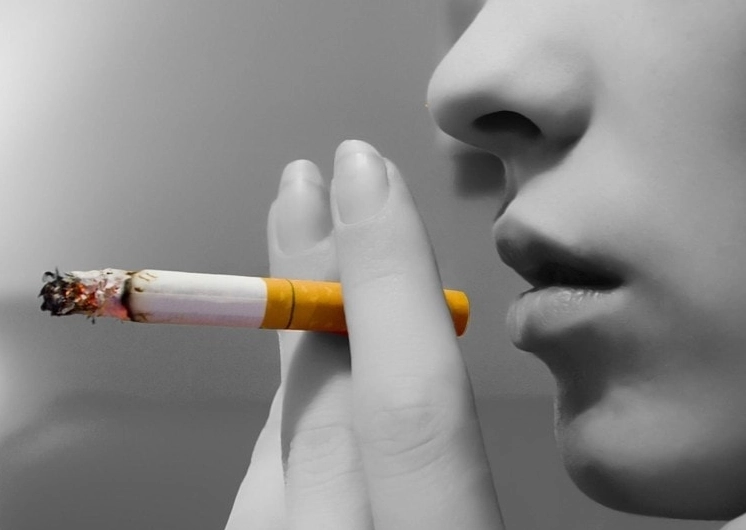
How to Interpret Your Smoking Dream Without Overthinking It
You don't need a psychology degree to make sense of your dream. Start by asking three questions right after you wake up. Write them down—yes, actually grab a notebook. I use a cheap one by my bed; it's messy, but it works.
Question 1: What was the emotional tone? Were you anxious, relaxed, or indifferent? Emotions are the backbone of dream interpretation. If you felt guilty while smoking, it might link to a real-life guilt trip. If you felt powerful, maybe you're asserting yourself in some area.
Question 2: Who was there? Alone or with others? Dreaming of smoking with a boss could relate to workplace pressure. With a parent? Might touch on inherited traits. I recall a dream where I smoked with a stranger, and later I connected it to feeling anonymous in a big city.
Question 3: What were the sensory details? Was it a cigarette, cigar, or something weird like a glowing stick? The type matters. Cigarettes often tie to daily stress, while cigars might symbolize celebration or arrogance. The setting—indoors, outdoors, in a car—adds layers. Outdoors could mean a desire for freedom.
Avoid the trap of looking up "smoking dream meaning" online and taking it as gospel. Those lists are generic. Your dream is unique to your life.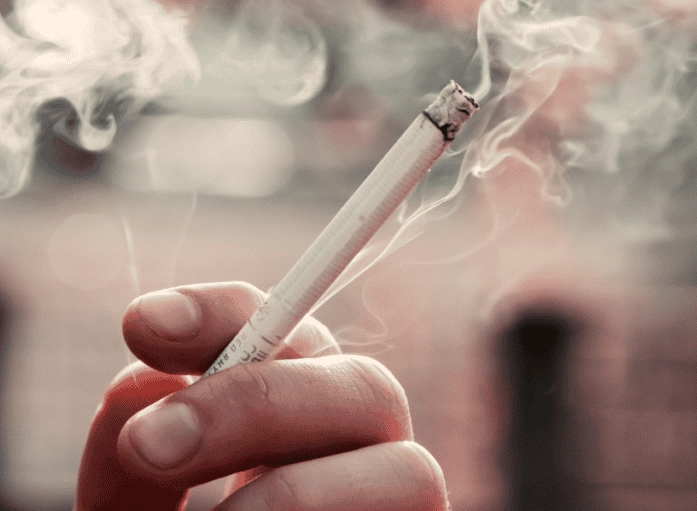
Common Smoking Dream Scenarios and Their Hidden Meanings
Let's get concrete. Here are three frequent scenarios I've encountered, with interpretations that go deeper than the usual stuff.
Scenario 1: Dreaming you're smoking after quitting in real life. Most people panic, thinking they'll relapse. But in my view, this dream often highlights the struggle of change, not the desire to smoke. The brain is processing the loss of a habit. It's like dreaming of an ex after a breakup—it doesn't mean you want them back. Focus on what you've gained since quitting, not the fear.
Scenario 2: Watching someone else smoke and feeling affected. This could reflect influence or projection. If it's a friend smoking, ask if you're adopting their bad habits. If it's a stranger, it might symbolize societal pressures. I had a client who dreamed of a crowd smoking and felt suffocated; she realized it mirrored her social anxiety at parties.
Scenario 3: Smoking in a bizarre or impossible place, like underwater or in space. That's your subconscious screaming for attention. It often means a habit or stressor feels surreal or out of control in waking life. Don't laugh it off—explore what feels "underwater" to you lately.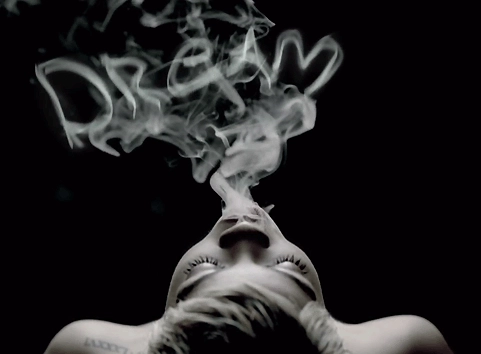
The Big Mistake Everyone Makes with Smoking Dreams
Here's where I get frustrated. The biggest error I see is overliteral interpretation. People assume dreaming of smoking equals a smoking problem, end of story. That's lazy analysis. Dreams are symbolic, not literal. Even reputable sources like the International Association for the Study of Dreams caution against one-size-fits-all meanings.
Another subtle mistake: ignoring the dream's timing. If you dream of smoking during a stressful week, it's likely stress-related. If it pops up randomly, maybe it's tapping into deeper memories. I once worked with someone who had smoking dreams only in spring—turned out they associated it with a past trauma anniversary they'd forgotten.
My advice? Treat your dream like a poem, not a news report. Look for metaphors, not facts.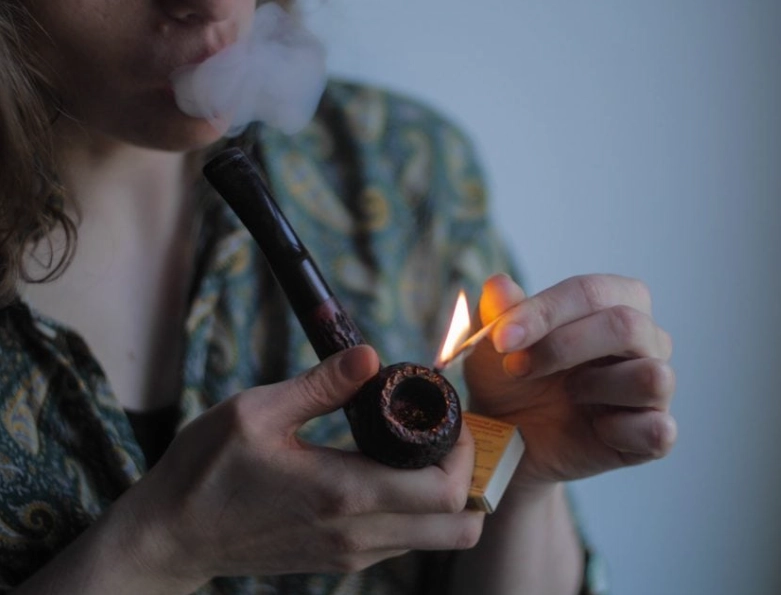
A Simple 3-Step Plan to Analyze Your Dream Tonight
Ready to dive in? This plan is based on my hands-on experience, not textbook theory. It takes 10 minutes max.
Step 1: Record immediately. Keep a dream journal or use a voice memo app. Note everything, even if it seems trivial. Include colors, sounds, and that weird feeling in your gut. I use my phone's notes app—it's disorganized, but capturing the raw memory is key.
Step 2: Identify the core symbol. In this case, smoking. But break it down: was it the lighting, the smoke, the ash? Each part can have meaning. For example, ash might symbolize something burnt out or forgotten.
Step 3: Connect to waking life. Ask, "What in my life right now feels like this?" Be honest. If you're avoiding something, the smoking dream might be a nudge. Don't force it; let connections arise naturally. Sometimes, sleeping on it for a day helps.
I've seen this method work for dozens of people. It's not about finding a perfect answer, but gaining insight. One woman realized her smoking dream linked to her habit of "smoking through" conversations without listening—she started practicing active listening, and the dreams faded.
Your Burning Questions Answered
Does dreaming about smoking always mean I have a smoking addiction?
No, it rarely points directly to addiction. In my experience, most people jump to that conclusion, but smoking in dreams often symbolizes stress, hidden habits, or a desire for control in other areas of life. For instance, if you're trying to quit a bad habit like procrastination, the dream might mirror that struggle, not necessarily nicotine dependence.
How can I stop recurring dreams about smoking if I've never smoked?
Focus on the context, not the act itself. Recurring dreams often highlight unresolved issues. Keep a dream journal for a week: note who was there, the setting, and your emotions. I've seen cases where non-smokers dream of smoking when facing social pressure or feeling 'toxic' in a relationship. Addressing those real-life tensions usually reduces the dreams.
What if I dream about someone else smoking and it affects me?
That often reflects projection or influence. Ask yourself if that person represents a part of you or an external stressor. For example, dreaming of a parent smoking might tie to inherited anxieties. Instead of overanalyzing, consider if you're absorbing someone else's negativity. A practical tip: write a letter to that dream figure (don't send it) to unpack the emotional residue.
Wrapping up, smoking in dreams is more than a quirky sleep event. It's a window into your subconscious, offering clues about stress, habits, and unspoken desires. By moving beyond literal interpretations and embracing the symbolism, you can turn a confusing dream into a tool for self-awareness. Next time you dream of smoking, don't panic—get curious. Your mind might be telling you something worth hearing.










Comments
Join the Conversation