What's Inside
You know that feeling, right? It's a quiet Tuesday evening, and instead of thinking about tomorrow's meeting, your mind drifts to a sun-dappled lake. You can almost feel the rod in your hand, the gentle tug on the line, the complete peace of being miles away from everything. That's dreaming fishing. It's not just about the fish. It's the whole package—the planning, the anticipation, the solitude, and yes, the thrill of the catch. It's the angler's version of a mental vacation. I've spent more hours than I'd care to admit lost in these daydreams, sketching out trips I might never take, and I've learned that turning that dream into reality is a skill in itself.
But here's the thing I learned the hard way. My first "dream trip" was a disaster. I packed every lure I owned, drove four hours to a famous trout stream I'd read about online, and spent two days getting skunked. The water was too high, the flies were wrong, and I felt like an imposter. That experience taught me that successful dreaming fishing needs a blueprint. It needs to bridge the gap between fantasy and the muddy, sometimes frustrating, wonderfully real world of fishing.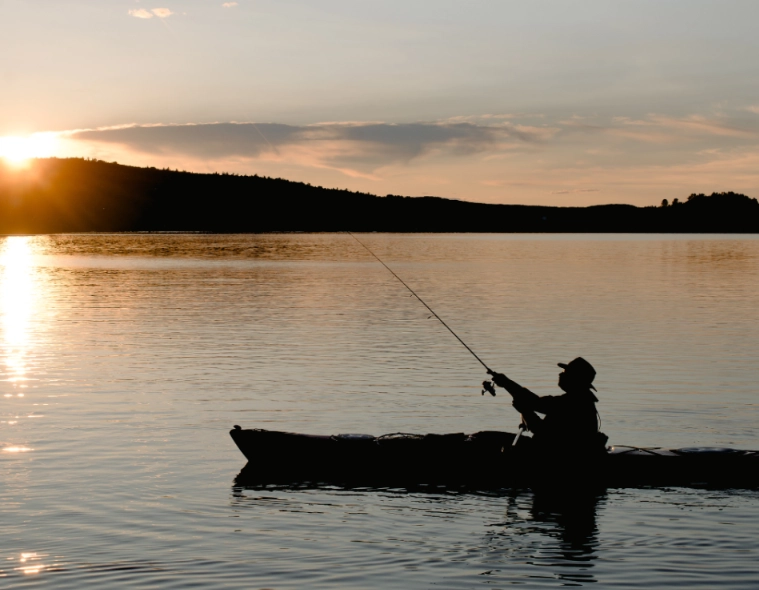
Building Your Dream: The Planning Phase
This is where the magic starts. Dreaming fishing is half about the journey in your head. But a dream without a plan is just a wish. You need to answer some basic questions before you even think about packing.
What's Your Fishing Fantasy?
Get specific. Are you picturing wading a crystal-clear mountain stream for wild trout, feeling the cold water around your legs? Or is it the powerful pull of a bass in a weedy lake at dawn, with mist rising off the water? Maybe it's the raw power of saltwater, fighting a redfish from a flats boat under a vast sky. Your target species and environment define everything else—your gear, your location, your season.
I'm a sucker for smallmouth bass in rivers. There's something about moving water and a feisty smallie that just clicks for me. That specific dream narrows my focus immensely.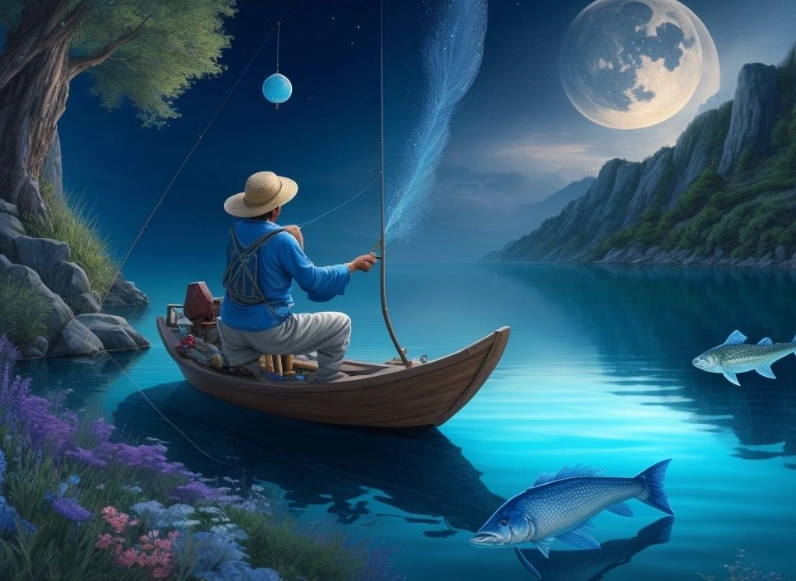
Location, Location, Location
This is the big one. You can't just pick a pretty spot on a map. Research is key. For freshwater, state wildlife agency websites are absolute goldmines. I can't stress this enough. For example, the U.S. Fish and Wildlife Service provides a huge amount of ecological and regulatory information. But for specific, fishable waters, you need to go local. Your state's Department of Natural Resources (DNR) site will have lake maps, stocking reports, boat launch info, and regulations. These are the official sources, and trusting anything else is a gamble.
For saltwater dreams, check with the state's marine resources division or coastal authority. They manage everything from shellfish licenses to size and bag limits for offshore species.
Consider access. Is it a public lake? A river with walk-in access? Do you need a boat or a kayak to reach your dreaming fishing spot? If you're bank-bound, scout for public parks, wildlife management areas, or even some overlooked urban fisheries. Some of my most surprising catches have come from places you wouldn't expect.
The Gear That Makes the Dream Real
Okay, let's talk tools. Gear obsession is a real part of dreaming fishing. But you don't need a garage full of equipment. You need the right equipment for your specific dream. A surf rod is useless on a brook trout stream, and a fly rod might not be your best bet for deep-water lake trout.
Here’s a breakdown of core gear categories, focused on function over flash.
| Gear Category | Key Considerations | My Personal Take & Common Pitfalls |
|---|---|---|
| Rod & Reel | Match the power (light, medium, heavy) to your target fish. Action (fast, moderate) affects sensitivity and hook-setting. Spinning combos are versatile for beginners. | Everyone buys a rod that's too heavy at first. For most freshwater dreaming fishing (bass, trout, panfish), a medium-light or medium-power rod is perfect. You'll feel every bite and the fight is more fun. |
| Line | Monofilament is cheap and forgiving. Braid is super strong and sensitive with no stretch. Fluorocarbon is nearly invisible underwater. Often used as a leader. | I spool my main reels with braid for sensitivity, then tie on a long fluorocarbon leader. It's a game-changer for clear water. Mono has its place, but it can get springy and old. |
| Terminal Tackle | Hooks (size/style), weights (split shot, bullet), swivels, bobbers. The nuts and bolts. | Don't cheap out on hooks. A sharp, strong hook is the single most important link between you and the fish. Dull hooks cost me fish for years before I wised up. |
| Lures & Bait | Artificial lures (crankbaits, soft plastics, spinners) vs. live bait (worms, minnows). Match the hatch or local forage. | For a true dreaming fishing experience, I prefer lures. It feels more like an active hunt. But there's no shame in live bait! Nightcrawlers are a universal language for panfish. Always check if live bait is legal in your chosen water. |
| Essential Accessories | Pliers/forceps, line cutters, net, tackle box/bag, ruler/scale, polarized sunglasses. | Polarized sunglasses are NOT optional. They cut glare and let you see into the water—seeing a fish stalk your lure is peak dreaming fishing fulfillment. A cheap pair is better than none. |
See, gear doesn't have to be complicated. It's about purpose. A well-organized tackle box with a few proven lures beats a chaotic mess of every shiny thing you've ever bought. The International Game Fish Association (IGFA) maintains world records and is a fantastic resource for ethical angling practices and species information, which should inform your gear choices if you're chasing trophies.
Skills & Techniques: The On-Water Reality
You can have the best gear and the perfect spot, but if you don't know how to use it, the dream fizzles fast. This is where dreaming fishing meets practice.
Casting Without Chaos
If you're new, practice in your backyard. Seriously. Put a hula hoop or a bucket out there and aim for it. Learn to cast sidearm for low-hanging branches and overhead for open water. A snagged lure in a tree on your first cast is a major mood killer. Muscle memory is your friend.
The Art of the Retrieve
This is where lures come to life. A steady retrieve for a spinnerbait. A jerk-pause-jerk for a topwater frog. A slow drag and hop for a soft plastic worm on the bottom. Fish aren't robots. Sometimes they want it fast and erratic, other times slow and dying. Vary your retrieve until you find what works. I've spent hours on a lake changing nothing but my retrieve speed and finally getting bit. It's a eureka moment.
Reading the Water
Fish aren't randomly distributed. They hang out where they find food, oxygen, and cover. Look for:
- Structure: Logs, rock piles, weed edges, drop-offs. These are fish highways.
- Current Breaks: In rivers, fish rest behind boulders or on the edge of fast water.
- Temperature Layers: In summer, fish might go deep to find cooler water.
Learning to read water turns you from a random caster into a hunter. It makes your dreaming fishing intentional.
Top Dreaming Fishing Destinations to Spark Your Imagination
Need some inspiration? Here are a few categories of destinations that live rent-free in many an angler's mind. Remember, "best" is subjective—it's about what calls to you.
The Wild Trout Sanctuary: Think small, cold streams in national forests or out West. It's less about size and more about the purity of the experience. Catching a vibrant wild brook trout from a trickling stream you had to hike into is a core dreaming fishing memory. Check the U.S. Forest Service website for maps and access details to countless hidden gems.
The Bass Factory Lake: A fertile reservoir or natural lake known for big largemouth or smallmouth. These places offer the chance at a personal best and are often well-developed with boat rentals and campsites. The dreaming fishing here is about power and strategy.
The Saltwater Flat: Wading or poling a shallow saltwater flat for sight-fishing to redfish, bonefish, or permit. This is arguably the pinnacle of challenging and visual fishing. It's expensive and skill-intensive, which is why it's such a potent dream for many.
The Unfamiliar Adventure: Maybe for you, dreaming fishing means something totally different—ice fishing on a frozen lake, chasing pike in Canada, or even a surf fishing trip on a remote beach. The unknown is a powerful draw.
Beyond the Catch: Conservation & Ethics
This part is non-negotiable for the modern angler. Dreaming fishing isn't just about taking; it's about stewardship. If we love these places and these fish, we have to protect them.
- Know and Follow Regulations: We said it before, but it's worth repeating. Limits, seasons, and special rules exist for a reason—to sustain fish populations.
- Practice Catch and Release Properly: If you're releasing fish, do it right. Wet your hands before handling. Keep the fish in the water as much as possible. Use barbless hooks or crush the barbs for easier release. A revived fish swimming away strong is a good feeling.
- Leave No Trace: Pack out all your trash—line, bait containers, snack wrappers. Don't leave monofilament tangled in trees; it's a death trap for wildlife.
- Respect the Resource: This includes private property, other anglers, and the non-fishing public. We're all sharing the outdoors.
Adopting sustainable fishing practices ensures that the spots we dream about will be there for others to dream about too. Organizations like the Recreational Boating & Fishing Foundation promote responsible angling and getting people started, which is great for the future of the sport.
Common Dreaming Fishing Questions Answered
Capturing the Dream: Logs, Photos, and Stories
The trip ends, but the dreaming fishing continues. This is how you keep the flame alive.
Keep a simple log. Date, location, weather, what worked, what didn't. It's not a chore; it's a treasure map for future trips. That weird purple jig that caught five smallmouth on a cloudy day in October? You'll want to remember that.
Take photos. But not just grip-and-grip shots. Take a picture of the sunrise over the water. The mist on the lake. Your tackle laid out on the tailgate. The funny-looking rock that marks your favorite spot. These context photos often bring back more feeling than the fish photo alone.
And tell the stories. The one that got away. The time you slipped and fell in. The perfect cast under the overhanging branch. This is the folklore of your own personal fishing life. It's what you'll think about next time you're daydreaming on that Tuesday evening.
That's the real cycle of dreaming fishing. It starts as an escape in your mind, becomes a tangible (and sometimes messy) adventure, and then settles back into your memory as fuel for the next dream. It's a lifelong pursuit, not a checklist. So dream big, plan smart, and get out there. The water's waiting.










Comments
Join the Conversation