You know the feeling. You wake up, the images from your dream still vivid, and you grab your phone. You type "dream of a train" or "being chased meaning" into a search bar. You get a list of generic, often contradictory meanings. A train means a journey. Or maybe it's death. Being chased means anxiety. It's frustrating, and it doesn't help when the same dream shows up next week.
That's where the concept of the dream dictionary train comes in. It's not a literal dictionary. It's a method. Think of each dream as a station, and the recurring symbols, emotions, and narratives as the cars linking them together. By examining the whole train—the sequence and connection of your dreams over time—you move beyond one-off guesses to a coherent understanding of what your subconscious is trying to communicate.
Your Journey Awaits: Navigate This Guide
What is the Dream Dictionary Train?
Forget the static, A-to-Z dream dictionary. The dream dictionary train is a dynamic, longitudinal approach. The core idea is that isolated symbols are hard to decipher, but patterns across multiple dreams are revealing.
Your subconscious doesn't usually send one-line emails. It sends serialized stories. A dream of a missed train one night, followed by a dream of being lost in a familiar city the next week, followed by a dream of your teeth falling out a month later—these aren't random. Viewed separately, they're confusing. Viewed as a connected narrative, a theme emerges: anxiety about losing control, missing opportunities, or a fear of unpreparedness.
I used to think a scary dream was just a scary dream. Then I started keeping notes. I realized that every time I was facing a tight deadline at work, I'd dream of tidal waves. Not just once. The wave dream was my personal "carriage" for work stress. That's the train in action.
How to Ride Your Dream Dictionary Train: A 5-Step Guide
This is the practical part. You don't need anything fancy—a notebook by your bed or a notes app on your phone works perfectly.
Step 1: The Dream Log (Catching the Train)
Write down everything the moment you wake up. Don't filter. Don't worry about grammar. Just capture images, feelings, colors, snippets of conversation, and even the physical sensations. Was it raining? Did you feel heavy? Was there a specific smell? This raw data is your primary source material.
Date each entry. This is non-negotiable for spotting patterns.
Step 2: Symbol Spotting (Identifying the Carriages)
Go back through your log after a few days. Circle or highlight recurring elements. These are your potential "carriages." Look for:
Objects: Trains, keys, water, houses, specific animals.
People: Strangers, old friends, family members (especially if their role was unusual).
Actions: Chasing, falling, flying, searching, hiding.
Emotions: Overwhelming fear, exhilarating joy, deep sadness, frustrating confusion.
Settings: Childhood home, work office, endless corridors, vast landscapes.
Case Study: Sarah's Promotion Anxiety
Sarah dreamed she was running for a train but her suitcase kept bursting open. A week later, she dreamed she was on a train going the wrong way. Two weeks after that, she was driving a train but couldn't see the tracks ahead.
The Train (Method) Analysis: The common carriage is clearly the train. Viewed as a sequence: First, she's struggling to get on board (missed opportunity). Then, she's on but going the wrong way (directionless). Finally, she's in control but blind (anxiety about leading without clarity). This train of dreams perfectly mapped her subconscious processing of a major promotion offer—excitement mixed with fear of failure and imposter syndrome.
Step 3: Context is King (Reading the Destination Board)
This is where most online dream dictionaries fail. They give you a universal meaning. You must cross-reference the symbol with your waking life.
Ask: What was happening in my life around the date of this dream? Was I stressed about a project? Having an argument with a loved one? Feeling excited about a new venture? The symbol's meaning is inextricably linked to your personal context. A dream of a snake might be terrifying if you have a phobia, but could symbolize healing or transformation if you've just started therapy.
Step 4: Pattern Recognition (Mapping the Route)
After a month or two of logging, lay out your entries. Look for the sequence. Does a dream about being chased often come before a dream about finding a hidden room? Does water imagery increase when you're emotionally overwhelmed? You're not just labeling symbols; you're seeing how they interact and evolve. This reveals the broader narrative your mind is constructing.
Step 5: Integration (Arriving at Understanding)
The final step is to ask: "What is the core message or theme of this dream train?" Is it a repeated warning about burnout? A creative idea trying to surface? An unresolved emotion from the past? The goal isn't always to "solve" something, but to acknowledge it. Often, the simple act of recognizing the pattern—"Ah, there's my 'overwhelmed by work' tidal wave dream again"—reduces the dream's anxiety and gives you clarity in waking life.
Common Carriages: A Quick-Reference for Frequent Symbols
While personal context is paramount, knowing common interpretive threads can give you a starting point. Think of this as a glossary of frequent train carriages, but remember, your cargo is unique.
| Symbol (Carriage) | Common Interpretive Threads | Key Question to Ask Yourself |
|---|---|---|
| Train | Life's journey, momentum, direction, being "on track" or derailed, the force of habit or routine. | "Am I feeling in control of my life's direction, or am I just along for the ride?" |
| Being Chased | Avoiding a problem, fear, anxiety, a part of yourself you're refusing to confront. | "What am I running from in my waking life?" (The chaser is often less important than the act of fleeing). |
| Teeth Falling Out | Anxiety about appearance, powerlessness, fear of saying the wrong thing, concerns about health or aging. | "Where do I feel vulnerable or lacking confidence in my ability to 'chew' on a problem?" |
| Water | Emotions, the subconscious mind, cleansing, overwhelm (tsunami) or peace (calm lake). | "What is my emotional state? Am I drowning in feelings or floating calmly?" |
| Flying | Freedom, perspective, ambition, escaping a situation, or a desire for control. | "Where do I desire more freedom or a higher perspective?" |
| House / Building | The self, the mind. Different rooms can represent different aspects of your life or psyche. | "Which 'room' of my life (career, relationships, creativity) was I in, and what was its condition?" |
Derailments to Avoid: Common Dream Interpretation Mistakes
After years of working with my own dreams and talking to others, I see the same errors crop up. Avoid these to keep your dream dictionary train on the rails.
Mistake 1: Taking it literally. Dreaming of a plane crash does not mean you should cancel your flight. It likely means you feel something in your life is "crashing" or out of control. Literal interpretation creates unnecessary fear.
Mistake 2: Over-relying on generic dictionaries. This is the big one. If you just plug in "spider" and read "deceit," you might spiral. But if you remember you watched a documentary on spiders the day before, or you have a personal fascination with them, the meaning shifts entirely. The generic dictionary is a brainstorming tool, not a verdict.
Mistake 3: Ignoring the feeling. The emotional tone of the dream is often more important than the plot. A dream about a joyful reunion with a lost loved one carries a completely different message than a dream about a tense, angry encounter with the same person, even if the "symbol" (the person) is identical.
Mistake 4: Giving up after one try. The dream dictionary train method requires a bit of patience. You need data—multiple dreams—to see the patterns. Don't get discouraged if the first entry seems cryptic. Consistency reveals the code.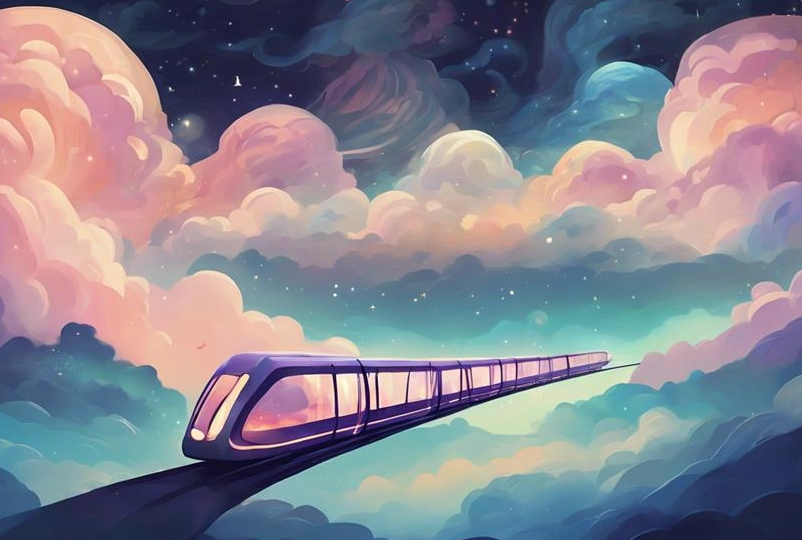
Your Questions Answered: The FAQ Stop
How accurate are online dream dictionaries for the train method?
Can the dream dictionary train method stop recurring dreams?
Is a negative symbol in my dream always a bad omen?
Start tonight. Keep a notebook by your bed. Write down whatever fragment you remember. Over time, you'll begin to see the carriages connect—the train of your subconscious mind pulling into station after station, revealing the landscape of your inner world. The dream dictionary train isn't about finding one right answer. It's about becoming fluent in the unique, symbolic language you already speak every night.











Comments
Join the Conversation