You wake up, heart pounding a little. The vivid image is still there—a chimpanzee staring at you from a tree, or a gorilla moving through a misty jungle. It feels significant, but what on earth does it mean? Dreaming of apes or monkeys is more common than you think, and dismissing it as just a weird movie spillover is a mistake. These creatures from our evolutionary family tree carry dense, powerful messages from the subconscious.
I've spent years tracking animal symbols in dreams, and apes are some of the most misunderstood. Most websites will give you a one-line answer: "monkey means mischief." That's like saying a car is just transportation. It misses the engine, the destination, the feel of the road.
What’s Inside This Guide?
What Does Dreaming of Apes or Monkeys Symbolize?
Forget simple definitions. Apes in dreams are complex symbols that operate on at least three levels: the primal, the social, and the shadow self.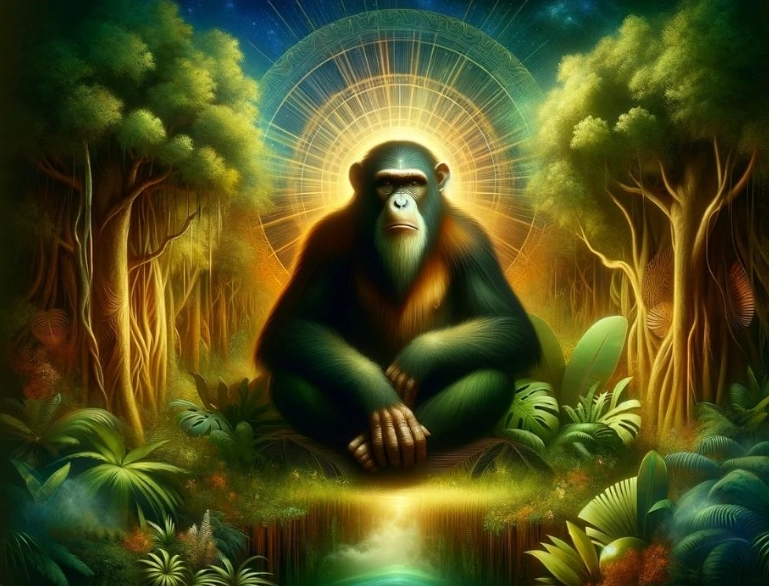
On a primal level, they connect us to our raw instincts, untamed intelligence, and basic survival drives. This isn't negative. That instinct could be the gut feeling you're ignoring about a business deal, or the creative urge you're suppressing to be "professional."
Socially, as profoundly social animals, dreaming apes often reflect our tribe—our family, friends, workplace dynamics. Are you mimicking others to fit in (aping their behavior)? Is there a social hierarchy you're navigating, feeling like the alpha or the outcast?
Then there's the shadow. Carl Jung talked about the shadow self—the parts of our personality we repress. The ape can embody these: raw anger, unbridled desire, playful silliness we deem inappropriate, or even deep wisdom we consider "uncivilized." A common error is to see the shadow ape as purely negative. Sometimes, the part of you locked away is your most authentic and powerful.
Key Insight Most Sites Miss: The specific type of primate matters hugely. A dream about a tiny, anxious marmoset is delivering a completely different memo than one about a massive, silent silverback gorilla. Generic "monkey meaning" lists are useless here.
Decoding Common Dreaming Apes Scenarios
Let's get concrete. Here’s how to break down the scenes your subconscious is screening.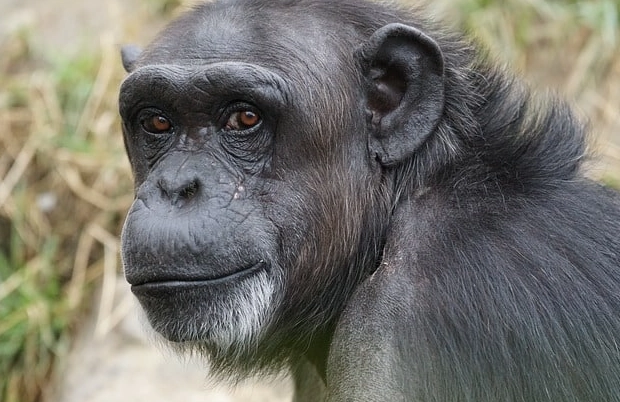
Being Chased or Attacked by an Ape
This is the classic nightmare. The immediate feeling is terror. But ask: what is the quality of the aggression? Is it a chaotic, shrieking attack (often linked to chaotic stress or verbal arguments) or a slow, powerful, deliberate pursuit (linked to a looming pressure like debt or a major life change)? The ape here usually represents a force or emotion you're running from. I had a client dream of a gorilla chasing her every night before she finally admitted her burnout at work. The gorilla was her own exhausted body and mind, demanding she stop.
Watching or Playing with a Peaceful Ape
These dreams feel curious or calm. You might be observing a family of chimps or offering food to a monkey. This often signals a connection to your instinctual side that is going well. It can mean you're integrating your raw creativity or learning from your gut feelings. If you're playing, it might be a nudge to incorporate more lightness and spontaneity. Don't spiritualize it too quickly, though. Sometimes a playful monkey is just your brain's reminder not to be so serious all the time.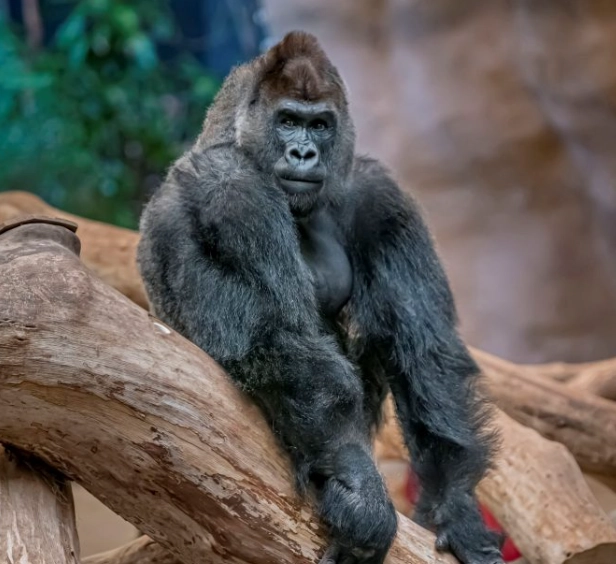
A Talking Ape
This is a powerful one. When the animal speaks, pay acute attention. The words usually come from a deep, non-rational part of your psyche. Write them down immediately upon waking. The message is often startlingly direct, cutting through the noise of your daily overthinking. It might offer a solution you'd never logically consider.
How to Interpret Your Ape Dream: A Step-by-Step Guide
Ready to play dream detective? Follow this process. Don't just read it—grab a notebook.
- Step 1: Capture the Raw Footage. As soon as you wake, jot down everything. Not just "ape." Was it in a jungle, a city, your childhood home? What color was it? What was its expression? What were you doing? Details are data.
- Step 2: Identify the Ape. Get specific. Was it a:
Chimpanzee/Bonobo: Intelligence, social politics, tool use, communication.
Gorilla: Strength, quiet authority, family protection, dignity.
Orangutan: Solitude, quiet wisdom, independence, gentle strength.
Generic "Monkey": Playfulness, mischief, curiosity, mimicry.
This alone refines your interpretation by 80%. - Step 3: Feel the Feeling. Was it fear, awe, curiosity, joy, sadness? The emotion is the subtitle of the dream. A fearful dream about a playful monkey suggests you're afraid of being seen as silly or unprofessional.
- Step 4: Connect to Waking Life. This is the crucial link. Ask: "Where in my life right now do I feel the energy of this ape?" Is there a situation requiring brute strength (gorilla)? A social group where I feel I'm performing (chimp)? A part of myself I'm treating as a wild animal to be caged?
- Step 5: Decide on the Action. Dreams are calls to action. If the ape was threatening, what boundary do you need to strengthen? If it was wise, what intuition have you dismissed? If it was playful, where can you inject 10 minutes of pure, unproductive fun today?
Beyond the Basics: The Deeper Psychological Layers
Here's where we go beyond dream dictionaries. Research, like that referenced by the American Psychological Association on the function of dreams, suggests they help process emotions and solve problems. Your dreaming ape is a problem-solver.
Think of it as a highly specialized consultant from your primal board of directors. It doesn't speak corporate jargon. It shows you metaphors. A chimp using a stick to get termites isn't about insects; it's showing you a tool (maybe a new skill or a conversation) to access a hidden resource.
Another layer is ancestral memory. Some Jungian thinkers propose that such potent animal symbols can tap into collective human experiences far older than our personal lives. An ape dream might connect you to feelings of tribal belonging or ancient survival strategies that feel oddly relevant to modern office politics.
The biggest mistake I see? People trying to force a single, "correct" meaning. Your dream is in a dialogue with you. The meaning that resonates, that clicks and makes you say "aha!"—that's the right one, even if it doesn't match a website's list.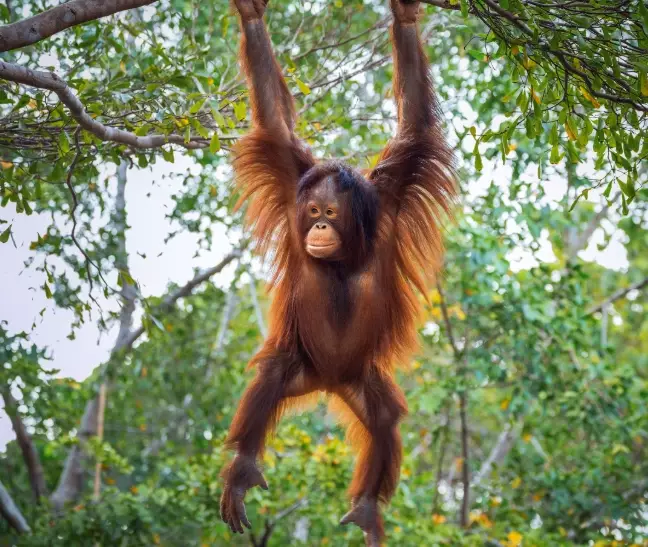
Your Dreaming Apes Questions Answered
Next time an ape visits your dreams, don't just shrug it off. Grab a pen. That primal visitor swinging through your mind's jungle might just have the key to a problem you've been chewing on all day. It's not random. It's a message from a very old, very smart part of you. Start listening.




Comments
Join the Conversation