I still remember the first time someone asked me about a tiger dream. It was a friend who woke up in a sweat, convinced it was a bad omen. Over my ten years interpreting dreams, I've seen hundreds of tiger dreams—they're not just random; they're packed with meaning. Let's cut to the chase: tiger dreams often symbolize raw power, hidden fears, or untapped potential. But that's just the surface. In this guide, I'll walk you through what your tiger dream might be telling you, based on real cases and common mistakes people make.
Jump to What Interests You
What Does a Tiger Dream Symbolize?
Think of a tiger in your dream as a messenger from your subconscious. It's rarely about the animal itself. Most dream analysts, including those from the International Association for the Study of Dreams, agree that animal dreams reflect our primal emotions. Tigers specifically tie into strength, aggression, and independence.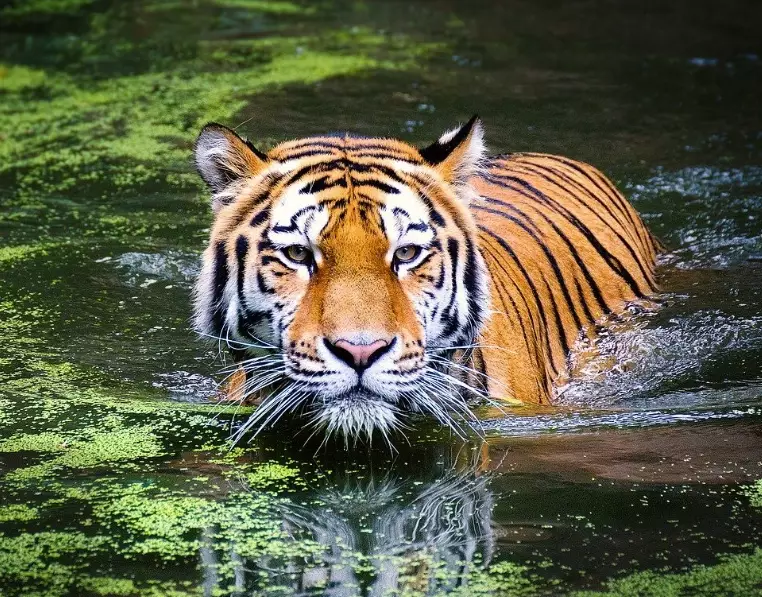
But here's where beginners slip up. They assume all tiger dreams are negative. Not true. I had a client who dreamed of a tiger peacefully walking through a forest—it turned out she was embracing a new leadership role. The symbolism shifted based on context.
Key Symbols in Tiger Dreams
- Power and Confidence: A tiger standing tall might mirror your own assertiveness. If you've been feeling timid, this dream could be a nudge to step up.
- Fear and Anxiety: A roaring or attacking tiger often points to stress. It's not always external; sometimes it's internal conflict you're avoiding.
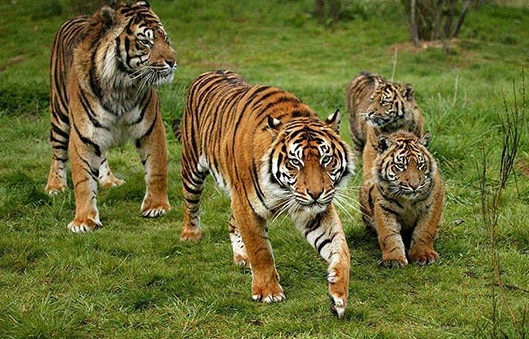
- Freedom and Wildness: Tigers in open spaces can signal a desire for liberation. Maybe you're feeling trapped in a routine.
Notice how I didn't list generic meanings? That's because your personal experience shapes the dream. A tiger might mean something totally different if you've had a past encounter with one.
How to Interpret Your Tiger Dream: A Step-by-Step Guide
Interpreting a tiger dream isn't about flipping through a dictionary. It's a process. Let me break it down with a case from last month. A man dreamed of a tiger chasing him through an office building. He thought it meant job loss, but after we dug deeper, it was about his fear of confronting a colleague.
Step 1: Recall the Details Immediately
Write everything down as soon as you wake up. Colors, sounds, emotions. Most people forget the emotions, but they're crucial. Was the tiger orange or white? Did you feel scared or curious?
Step 2: Identify the Setting
Where did the dream happen? A jungle, your home, a strange place? Settings add layers. A tiger in your living room might relate to domestic issues.
Step 3: Connect to Your Waking Life
Ask yourself: What's stressing me out? What am I proud of? Tiger dreams often mirror recent events. If you just started a new project, the tiger could represent the challenge.
Step 4: Avoid Common Pitfalls
Don't jump to worst-case scenarios. I've seen folks panic over a tiger dream, only to realize it was highlighting their strength. Also, don't ignore recurring dreams—they're your subconscious shouting.
Common Tiger Dream Scenarios and Their Meanings
Let's get specific. Here's a table of common tiger dream scenarios I've encountered in my practice. It's based on real interpretations, not just theory.
| Scenario | Possible Meaning | What Beginners Often Miss |
|---|---|---|
| Tiger chasing you | Unresolved fear or avoidance of a problem | The chase might symbolize excitement, not just danger |
| Tiger staring at you | Heightened awareness or intuition | It could be a call to pay attention to details |
| Tiger in a cage | Feeling restricted or controlled | The cage might represent self-imposed limits |
| Friendly tiger | Embrace of personal power or guidance | People dismiss this as too positive, but it's valid |
| Killing a tiger | Overcoming a major obstacle | It might also signal repressed anger |
See how each scenario has nuance? That's what most online guides skip. For instance, a tiger chasing you isn't always bad—if you're enjoying the run, it could mean you're thriving under pressure.
I recall a woman who dreamed of a tiger in her backyard. She assumed it was about invasion of privacy, but after talking, we linked it to her new hobby—gardening—which was making her feel more alive. The tiger symbolized that wild, growing part of herself.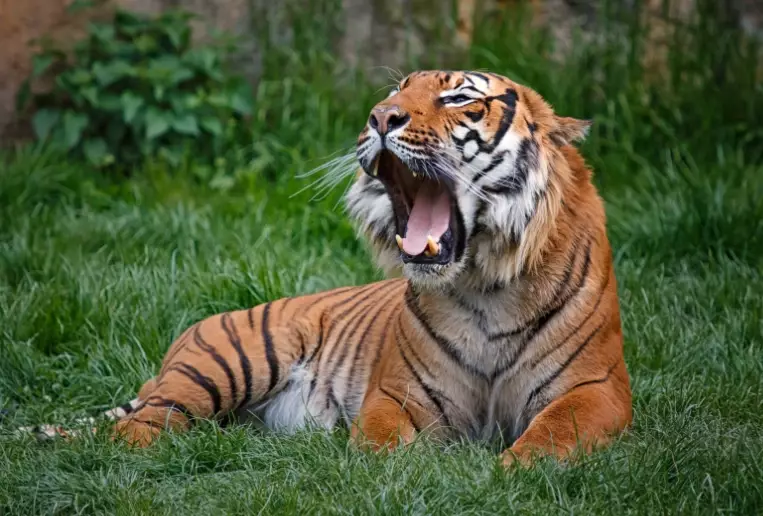
Expert Tips for Decoding Tiger Dreams
After a decade, I've picked up a few tricks. First, tiger dreams are rarely literal. If you dream of a tiger attacking, it's probably not predicting an actual attack. It's metaphorical.
Tip 1: Focus on Emotion Over Image
The tiger might look fierce, but how did you feel? Scared? Awed? That emotion is the real message. I've had clients who felt calm during a tiger encounter—it turned out they were subconsciously ready for a challenge.
Tip 2: Consider Cultural Context
In some cultures, tigers are spiritual protectors. If you have cultural ties, this might color your dream. A study by dream researchers often highlights how symbolism varies globally.
Tip 3: Don't Isolate the Dream
Look at your other recent dreams. Tiger dreams often come in clusters with other animal or conflict dreams. They're part of a bigger narrative.
Here's a mistake I see all the time: people use dream dictionaries without personal reflection. Those books list generic meanings, but your life is unique. A tiger dream after a promotion means something different than after a breakup.
Also, pay attention to colors. A white tiger might relate to purity or spiritual matters, while a black one could hint at the unknown. But again, it's not fixed—your associations matter most.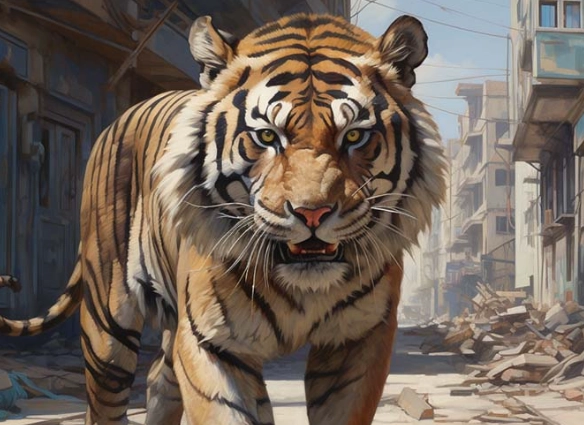
FAQs About Tiger Dreams
Wrapping up, tiger dreams are powerful tools for self-reflection. They're not something to fear. Next time you have one, take a breath, jot it down, and explore what it might be telling you. Your subconscious is smarter than you think.











Comments
Join the Conversation