Quick Navigation
It starts with an image, doesn't it? Lazy summer afternoons floating on your back, kids laughing, the smell of chlorine (or maybe not, we'll get to that) mixing with sunscreen. That classic dream of a swimming pool in your own backyard. It's a powerful daydream. I had it too. For years, I saved pictures of gorgeous infinity edges and sleek lap pools.
Then I actually started looking into it. Boy, was that a wake-up call.
It's not just about picking a pretty shape. It's about permits, soil tests, deciding between chlorine and salt, and figuring out if you're really ready to commit to cleaning leaves out of a skimmer basket every weekend for the next two decades. This guide is what I wish I'd had back then. It's not a sales pitch. It's a straight-talk companion for turning that lovely, fuzzy dream of a swimming pool into a solid, enjoyable plan. We'll cover the spark of inspiration, the nitty-gritty of planning, the big build, and the long-term reality of living with your pool.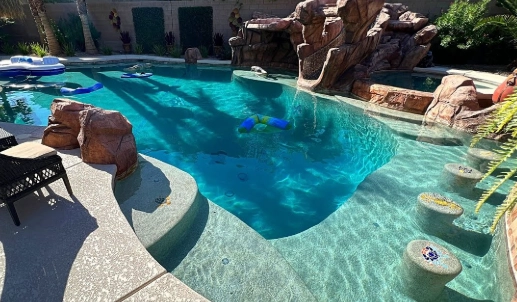
What's Really Behind Your Pool Dream?
Before you sketch a single design, get honest with yourself. Why do you want this? The answer shapes everything.
Is it for fitness? Then a long, straight lap pool is your friend. Is it purely for the kids to cannonball into? A durable, free-form design with a safe, gradual entry might be the goal. Maybe it's an aesthetic centerpiece—a shimmering, dark-bottomed pool that looks like a pond at night. Or perhaps it's that simple dream of swimming pool tranquility, a private spot to unwind after work.
I thought I wanted a huge party pool. After a reality check on maintenance and heating costs, my dream shifted to a smaller, deeper plunge pool with a powerful swim jet. Saved a ton of money and space, and I use it way more for actual swimming.
Let's pause for a quick reality check. A pool is a major investment of time and money. It can increase your home's value in some markets, but rarely by the full cost of installation. It's primarily for your own enjoyment. Think of it like buying a luxury car, not a stock portfolio.
The Blueprint Phase: Planning Your Dream Pool
This is where dreams get practical. Skipping this step is the biggest mistake you can make.
Location, Location, Location (In Your Yard)
Where you put it matters more than you think. You need sun exposure for natural heating (unless you're fine with a chilly dip). Avoid low spots where runoff will flood it. Stay clear of major tree roots (future problems) and overhead power lines (safety first). Check your local zoning laws and setback requirements—how far from property lines does it need to be? This isn't optional. A call to your local building department can save you a massive headache later.
And utilities! Before any digging, you must have all underground lines marked. In the U.S., you can call 811 a few days before any project to get this done for free. Hitting a gas line is a sure way to ruin your pool party before it starts.
Choosing Your Pool Type: It's Not Just Concrete
Gone are the days of one-size-fits-all. Your choice impacts budget, timeline, and longevity.
| Pool Type | Pros | Cons | Best For | Estimated Installed Cost Range* |
|---|---|---|---|---|
| Concrete (Gunite/Shotcrete) | Fully customizable (any shape, size, depth), extremely durable, long-lasting. | Most expensive, longest installation (3-6 months), rough surface needs plaster or tile finish, higher acid washing needs. | Those wanting a unique, forever-pool, luxury designs, uneven sites. | $70,000 - $150,000+ |
| Vinyl Liner | Lower upfront cost, smooth surface, can be installed faster than concrete. | Liner needs replacing every 7-15 years ($4k-$8k), less customizable shapes, liner can be punctured. | Budget-conscious families on a standard lot, areas with shorter seasons. | $45,000 - $85,000 |
| Fiberglass | Very fast installation (2-6 weeks), smooth gelcoat finish, low maintenance (algae resistant). | Limited to pre-formed shapes/sizes, transportation access can be an issue, higher initial cost than vinyl. | Homeowners wanting a quick, low-maintenance setup, simple classic shapes. | $60,000 - $100,000 |
*Costs are highly variable based on size, location, site difficulty, and features. This is a rough guide to create a starting budget.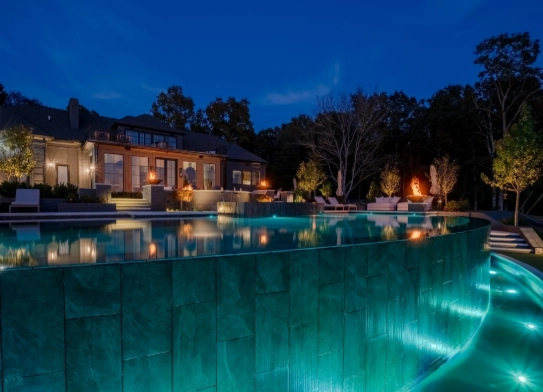
I was initially set on concrete for the customizability. But after talking to a neighbor who spent weeks acid-washing and re-plastering, the low-maintenance appeal of fiberglass started to win me over. It's a personal trade-off.
The Money Talk: Breaking Down the Costs
Let's not sugarcoat this. The initial quote is just the beginning. You need to budget for the whole project.
- Hard Costs: The pool shell itself (from the table above), the filtration system (pump, filter, skimmer), the cleaning system (manual, pressure-side, or robotic).
- Site Work: Excavation, hauling away dirt (a surprising cost!), any necessary retaining walls or grading.
- Decking & Coping: The material around your pool (concrete pavers, natural stone, composite wood). This area often costs as much as the pool!
- Extras & Features: Here's where dreams get expensive. Heating (gas, heat pump, solar), lighting (LED color-changing?), automation (controlling everything from your phone), water features (sheer descents, fountains), a spa (hot tub attached).
- The Hidden Stuff: Permits, engineering plans, electrical and plumbing hookups, fencing (legally required for safety in most places).
Get at least three detailed, itemized quotes from licensed and insured builders. Ask for references and go see their completed work. A cheap quote now can mean leaks and cracks later.
Pro Tip: When budgeting, add a 15-20% contingency fund. You never know what they'll find when they start digging—rock, poor soil, an old septic tank. It happens.
Living With Your Dream: The Long-Term Reality
The pool is full, the water is blue. Now what? This is where the real relationship begins.
Maintenance: The Non-Negotiable Routine
Your pool needs regular care. You can do it yourself or hire a service ($100-$200/month). The basics are:
- Circulation: Running the pump daily (8-12 hours in summer) to filter the water.
- Cleaning: Skimming debris, brushing walls, vacuuming the floor. A robotic cleaner is worth every penny for this.
- Chemistry: Testing and balancing pH, alkalinity, and sanitizer levels (chlorine, salt, or alternatives like bromine or mineral systems). Unbalanced water can damage equipment, irritate skin, and look cloudy.
The dream of a crystal-clear swimming pool depends on this weekly ritual. It's not hard, but it's constant.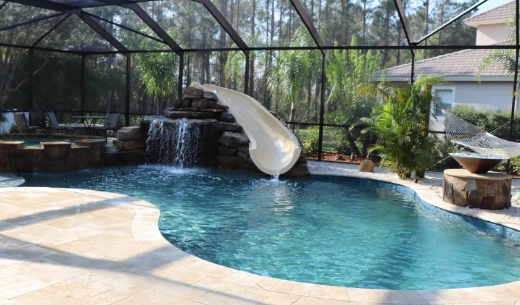
Water Sanitation: More Than Just Chlorine
Chlorine is the classic, effective workhorse. But many people now dream of a swimming pool without the red eyes and strong smell. That's often caused by chloramines (used-up chlorine), not proper chlorine levels. Saltwater systems are hugely popular—they use a generator to convert salt into chlorine, so the water feels softer and you avoid handling chlorine tablets. Other options include ozone generators and UV systems, which are usually used to supplement a primary sanitizer, reducing chemical needs.
For reliable, science-based information on pool water chemistry and sanitation methods, the International Pool Spa Professional Association (IPSPA) is a great resource for standards and best practices.
Energy Efficiency & Sustainability
Running a pool pump is the biggest energy cost. An old single-speed pump is a money pit. The single best upgrade you can make is a variable-speed pump. It uses up to 80% less energy by running longer at low speeds. Pair it with a large, efficient filter (like a cartridge or DE filter) and you've slashed your operating costs.
Heating is another big one. Gas heaters are fast but expensive to run. Heat pumps are more efficient but work slower and best in milder climates. Solar pool heating is a fantastic option if you have the roof space and sun—it has a higher upfront cost but near-zero running costs.
The U.S. Department of Energy has a detailed guide on energy-efficient pool pumps that breaks down the savings, which is worth a look before you buy any equipment.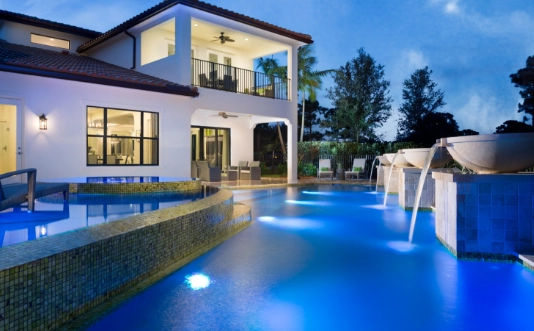
Answering Your Big Questions (The FAQ We All Need)
Here are the real questions that pop up when you're deep in the dream of swimming pool research.
How much does it *really* cost per year to run?
Beyond the mortgage or loan payment for the pool itself, budget $1,000 - $3,000 annually. This covers electricity for the pump, chemicals, water top-ups (from evaporation and splash-out), and potential minor repairs. Heating (gas or electric) can double or triple that if used frequently.
Will it increase my property taxes and insurance?
Almost certainly yes. The pool adds value to your home, so your property tax assessment will likely go up. Call your home insurance agent. You'll need to increase your liability coverage (a million dollars is common), and there may be a small premium increase. They might also require a specific type of fence or gate lock.
What about safety, especially with kids or pets?
This is critical. A four-sided, self-closing, self-latching fence separating the pool from the house is the gold standard and is legally required in most areas. Alarms on doors leading to the pool and pool surface alarms add layers of protection. Never, ever rely solely on a pool cover for safety. For comprehensive safety guidelines, the U.S. Consumer Product Safety Commission's Pool Safely campaign is an essential resource.
Can I build one myself?
Technically, some vinyl or fiberglass shell kits are marketed to DIYers. I'm going to be blunt: unless you have serious excavation, plumbing, electrical, and masonry experience, this is a terrible idea. One mistake in the structural shell, plumbing pressure, or electrical bonding (which prevents electrocution) can lead to catastrophic failure or life-threatening danger. This is one area to hire licensed pros.
What if I have a small yard?
The dream of a swimming pool doesn't require an Olympic-sized basin. Plunge pools (small, deep pools for cooling off), spools (spa/pool combos), and narrow lap pools are designed for compact spaces. You'd be surprised what a good designer can do.
The Bottom Line: A swimming pool is a lifestyle purchase, not just a home improvement. It brings immense joy, a gathering place for family, and a personal retreat. But it also brings responsibility, ongoing costs, and work. Go in with your eyes wide open, plan meticulously, and choose quality over flashy extras. Then, that initial dream of swimming pool bliss becomes a sustainable, daily reality you can enjoy for years.
Mine finally got built last year. Was it a perfect process? No. Did we go over budget? Of course we did. But on a hot evening, when I'm doing lazy laps under the stars, every bit of planning and hassle fades away. It was worth it. I hope your journey to your own backyard oasis is too.










Comments
Join the Conversation