In This Article: Penguin Dream Insights
- Why Penguins? Unpacking the Universal Symbolism
- Common Penguin Dream Scenarios and What They Might Mean
- Beyond the Basics: Psychology, Spirituality, and Culture
- Answering Your Burning Questions About Penguins in Dreams
- How to Work With Your Penguin Dream: A Practical Guide
- When to Dig Deeper: Could It Be More Than Symbolism?
- Final Thoughts: Embracing the Message of the Penguin
So you had a dream about penguins. Maybe it was cute, maybe it was weird, maybe it left you scratching your head over your morning coffee. You're not alone. Penguins popping up in our subconscious is more common than you'd think, and it's rarely just about the bird.
I remember the first time I dreamt of penguins. It was a decade ago, during a brutally cold winter and a period of intense work stress. In the dream, I was just watching a huddle of them on an ice floe, silent and still. Woke up feeling oddly calm, but also puzzled. What was that about? Was my brain just recycling a documentary I'd watched? That felt too simple.
That curiosity sent me down a rabbit hole of dream analysis, psychology, and even some cultural anthropology. Turns out, the symbolism behind penguins in dreams is rich, layered, and surprisingly personal. It's not a one-size-fits-all meaning. A playful penguin sliding on its belly means something entirely different from a penguin struggling in murky water.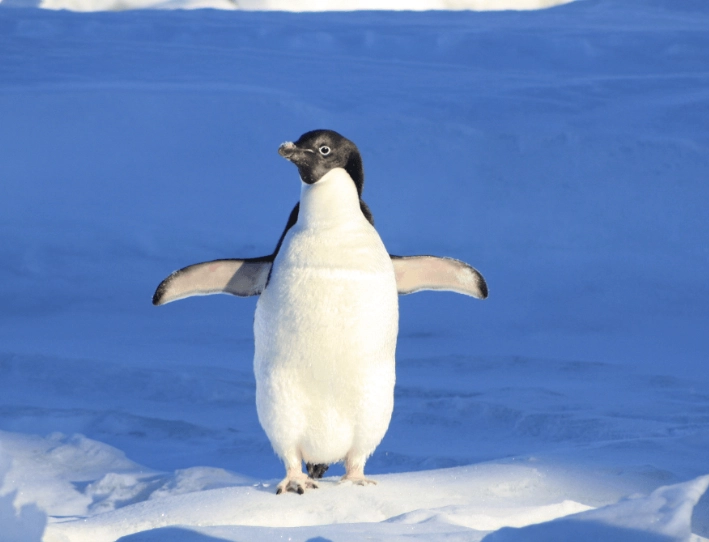
Let's be clear: I'm not a mystic or a professional therapist. I'm just someone who got fascinated by this specific symbol and talked to a lot of people, read a lot of research (from reputable sources, which I'll link to), and pieced together a framework that actually makes sense. This isn't about giving you a rigid dictionary. It's about giving you the tools to understand what your dream might be whispering to you.
Why Penguins? Unpacking the Universal Symbolism
Before we dive into your specific dream scenario, it helps to understand why our minds might pick a penguin as a messenger. Think about what we universally associate with them.
They're birds that don't fly. That's a big one. They're masters of a different element—the water. They thrive in some of the harshest climates on Earth, not by fighting the cold, but by adapting to it perfectly with teamwork (huddling) and specialized equipment (their tuxedo-like plumage isn't just for show, it's brilliant insulation). They're often seen as monogamous, dedicated parents, sharing childcare duties. They appear formal yet clumsy on land, but become incredibly graceful and powerful underwater.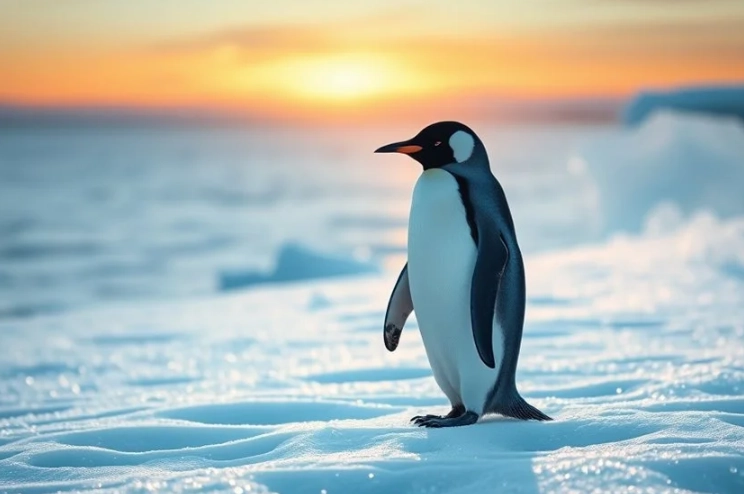
See the metaphors building?
- Adaptation & Resilience: Thriving in a "cold" or difficult situation.
- Community & Teamwork: The power of the huddle for survival.
- Emotional Reserve: The "stiff upper lip," keeping feelings composed under pressure.
- Dual Nature: Clumsy in one setting (land/social situations?), agile in another (water/emotional realm?).
- Parental Care & Partnership: Nurturing, shared responsibility.
When penguins appear in dreams, your subconscious is likely grabbing one or more of these potent symbols to tell you something about your waking life.
Common Penguin Dream Scenarios and What They Might Mean
This is where it gets personal. The plot of your dream is the key. A generic "penguin meaning" is useless. Here’s a breakdown of frequent scenarios I've cataloged from forums, anecdotal reports, and classic dream interpretation texts.
Dreaming of a Penguin Huddle
This is a big one. Are you feeling isolated at work or in your personal life? The huddle is the ultimate symbol of communal warmth and survival. Dreaming of being inside a penguin huddle might reflect a need for support, a desire to feel part of a team, or an acknowledgment that you're currently being supported. Seeing a huddle from the outside, however, could point to feelings of exclusion, loneliness, or observing a close-knit group you wish you belonged to.
I spoke to a teacher who dreamt of a tight penguin huddle during a stressful school term. For her, it directly mirrored her grade-level teaching team banding together to get through a tough curriculum change. The dream was a reassuring symbol of collective strength.
Dreaming of a Lone Penguin
A single penguin often highlights individuality within conformity, or feelings of solitude. Is this penguin lost? Or is it confidently marching to its own beat? The emotion in the dream is crucial. A lonely, sad lone penguin might mirror your feelings of being out of place or carrying a burden alone. A proud, determined lone penguin could be a symbol of your own independence and self-sufficiency, even if it means standing apart from the crowd.
It asks you: In your waking life, are you feeling isolated in a negative way, or are you choosing a path of dignified independence?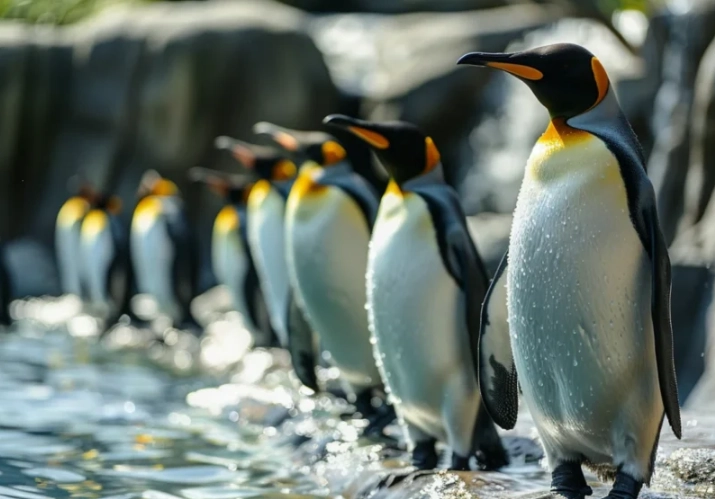
Dreaming of a Penguin Swimming Gracefully
This is almost always a positive sign relating to your emotional state or your work. Penguins are awkward on land but supremely elegant swimmers. This dream suggests you are in your element. You're navigating your emotions (the water) or a creative/intuitive project with skill, ease, and power. It's a pat on the back from your subconscious. You've adapted. You're flowing.
Dreaming of a Penguin Chick or Baby Penguin
This symbol often ties to nurturing, vulnerability, or new beginnings. It could relate to an actual child, a new project or idea (your "brainchild"), or a vulnerable part of yourself that needs care and protection. Are you, or is someone close to you, expecting? Or have you started something new that feels delicate and needs attention? The sight of a parent penguin caring for the chick would reinforce themes of nurturing and responsibility.
Dreaming of Penguins in Unusual Places (Desert, City, Your House)
This is where dreams get playful and pointed. A penguin in the desert is a powerful symbol of being profoundly out of your natural habitat. Do you feel out of place in your job, social circle, or even your own family? A penguin in your house might represent an aspect of yourself (resilience, community focus, emotional coolness) that you are "bringing home" or integrating into your personal life. I once dreamt of a penguin waddling through my office. At the time, I was trying to maintain a calm, professional demeanor (the penguin's formal appearance) in a chaotic work environment. The penguin was my own composed facade, feeling awkward in the chaos.
To help you cross-reference, here's a table summarizing some of these core scenarios. Think of it as a starting point, not a final answer.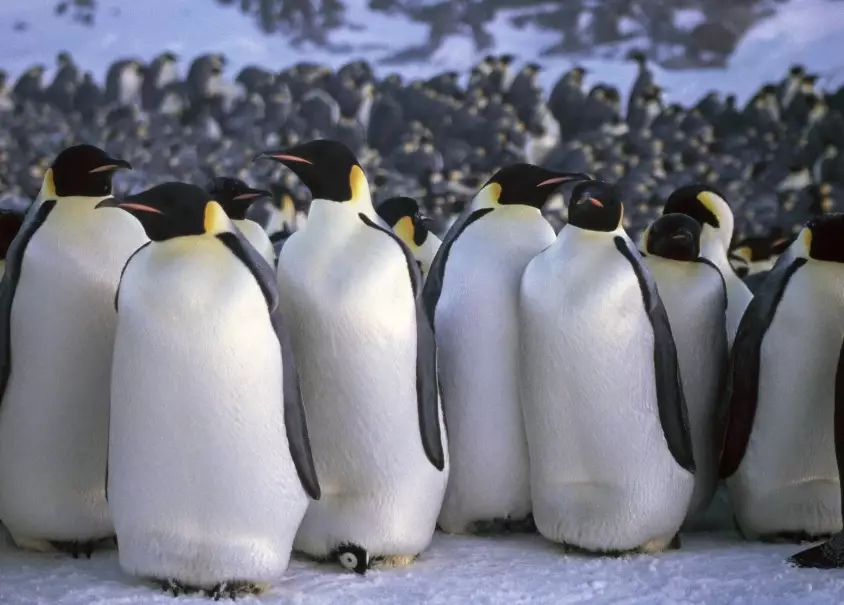
| Dream Scenario | Primary Symbolic Themes | Questions to Ask Yourself |
|---|---|---|
| A Huddle of Penguins | Community, teamwork, shared warmth, survival through unity, potential feelings of inclusion/exclusion. | Do I feel supported? Am I part of a team? Do I feel left out of a group? |
| A Lone Penguin | Independence, self-sufficiency, solitude, loneliness, marching to your own drum. | Am I choosing to be alone, or forced into it? Do I feel proud or sad about my independence? |
| Penguin Swimming | Being in your element, navigating emotions with grace, hidden strengths, adaptability. | Where in my life do I feel fluid and capable? Am I processing my feelings well? |
| Penguin Chick | Nurturing, new beginnings, vulnerability, care, responsibility (personal or professional). | What new project or idea needs my care? Is there a vulnerable person (including myself) I need to look after? |
| Penguin in Wrong Place | Feeling out of place, integrating traits into new areas, absurdity of a situation. | Where do I feel like I don't belong? What quality of mine feels awkward here? |
Beyond the Basics: Psychology, Spirituality, and Culture
If we stop at the basic symbolism, we're only halfway there. Different lenses can offer deeper, sometimes conflicting, insights. And that's okay. Dreams are messy.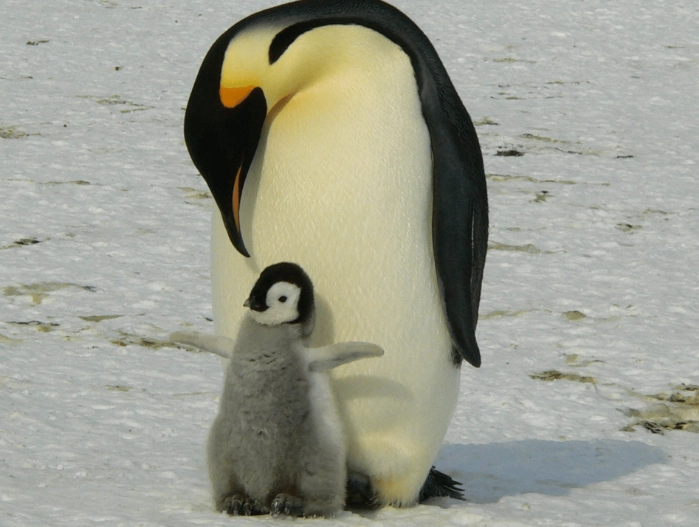
The Psychological Angle (Jungian Perspective)
Carl Jung might see the penguin as an aspect of the Self or an archetype. Its black and white coloration could symbolize the integration of opposites—conscious and unconscious, known and unknown, even good and bad—within yourself. The penguin's mastery of both land and water might represent a desired harmony between your conscious, logical mind (land) and your unconscious, emotional depths (water).
From a more modern cognitive perspective, dreaming of penguins could simply be your brain's way of processing feelings about social bonding, environmental stress, or adaptability. The American Psychological Association (APA) notes that dreams often help with memory consolidation and emotional regulation (APA on Dreams). So that dream of a penguin huddle might literally be your mind working through a team dynamic from the previous day, reinforcing the memory and smoothing out the social emotions attached to it.
Spiritual and Cultural Meanings
This is where it gets diverse, and you should only take what resonates with your own background or intuition.
- Balance & Duality: In many traditions, the penguin's tuxedo is seen as a symbol of balance between light and dark, day and night, yin and yang.
- Ancient Navigator: Some view the penguin as a spiritual guide for navigating difficult emotional "waters" or life transitions.
- Loyalty and Family: Their observed mating habits have made them a modern symbol of fidelity and dedicated parenting in popular culture.
It's worth noting that in some indigenous cultures from southern regions, penguins were seen as messengers or guides. Always be cautious about appropriating spiritual meanings that aren't from your heritage. For most of us, the personal and psychological interpretations are more than sufficient and more directly applicable.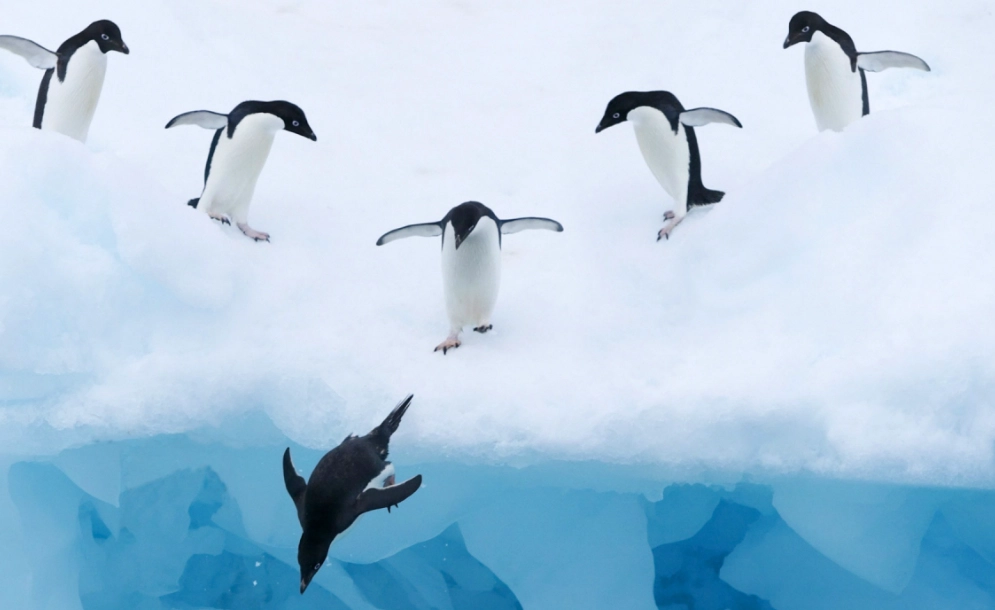
Answering Your Burning Questions About Penguins in Dreams
Is dreaming of penguins a good or bad omen?
Overwhelmingly, it's neutral to positive. Penguins aren't typically threatening animals. The "omen" depends entirely on context. A joyful dream of playing with penguins feels like a good sign—likely pointing to social harmony or personal grace. A nightmare about a penguin being attacked is obviously distressing and would point to anxiety about something the penguin represents (your community, your resilience, etc.). Don't fear the penguin. Look at what's happening to it or what it's doing.
What if I dream of a dead penguin?
This is a tough one, but important. A dead penguin in a dream rarely signifies a literal death. It's far more likely to symbolize the "death" or end of something the penguin represents to you. Has a supportive community (the huddle) disbanded? Have you felt your own resilience (the penguin's adaptability) fail in a situation? Has a period of emotional composure (the cool exterior) broken down? It's a symbol of loss related to those qualities. It's a call to examine what feels like it has ended or been depleted in your life.
Can dreaming of penguins relate to my love life?
Absolutely. Given their symbolism of partnership and shared parental duty, penguins in dreams can be powerful reflections of your romantic relationships. A pair of penguins courting or tending an egg could mirror desires for commitment, partnership, or starting a family. A dream where your partner turns into a penguin might be a quirky way of highlighting their loyal, supportive, or even emotionally reserved nature. Conversely, dreaming of a lone penguin while in a relationship might signal feelings of loneliness within that partnership.
Why do I keep having recurring penguin dreams?
Recurring dreams are your subconscious shouting, "Hey! Pay attention! This is important!" If penguins keep waddling into your dreamscape, the theme they represent is unresolved and pressing. Are you continuously in a situation that requires extreme adaptability? Is an issue of community or loneliness plaguing you? Your mind has latched onto the perfect symbol for it and won't let go until you consciously address the waking-life issue. Start a dream journal. Note what the penguins are doing each time. The pattern will reveal the core message.
Quick-Fire FAQ Summary
- Good or Bad? Usually neutral/positive. Context is king.
- Dead Penguin? Symbolic end of resilience, community, or composure.
- Love Life? Yes—look at partnership, loyalty, and shared care themes.
- Recurring Dream? An unresolved core issue related to penguin symbolism.
- Does color matter? Most are black & white, but if you dream of a blue penguin, it's your personal symbolism. What does blue mean to you?
How to Work With Your Penguin Dream: A Practical Guide
Okay, you've identified your scenario and pondered some meanings. Now what? Don't just analyze it and forget it. Use it.
- Record It Immediately: Keep a notebook by your bed. Write down everything: scenes, emotions, colors, even the absurd details. That penguin wearing a tiny hat? Write it down.
- Identify the Core Penguin "Role": Was it a community member (huddle)? A resilient survivor (in stormy seas)? A nurturing parent (with a chick)? A fish out of water (in a desert)?
- Map It to Your Waking Life: This is the crucial step. Brainstorm. Where in your life are you dealing with community/teamwork issues? Where do you need more resilience or emotional composure? What feels new and vulnerable? Where do you feel out of place? Be brutally honest.
- Feel the Dream's Emotion: Were you joyful, anxious, curious, sad in the dream? That emotion is a direct readout of your subconscious feeling about the waking-life situation you've mapped.
- Consider an Action: If the dream highlighted loneliness (lone penguin), maybe reach out to a friend. If it showcased grace under pressure (swimming penguin), acknowledge that strength in yourself. Use the dream as a diagnostic tool, then a motivator.
Dreams are feedback. Penguins in dreams are particularly poignant feedback about how you're handling your social world and your internal emotional climate.
When to Dig Deeper: Could It Be More Than Symbolism?
Most of the time, this symbolic, psychological approach is perfect. But let's be thorough. Sometimes, a dream is just a dream—a mash-up of daily residue. Did you watch March of the Penguins or see a penguin meme before bed? Your brain might just be recycling images.
Furthermore, if you are experiencing persistent, distressing nightmares—about penguins or anything else—that are impacting your sleep and daily mood, it may be a sign to consult a professional. Dream analysis can be a wonderful tool for self-reflection, but it is not a substitute for therapy if you are struggling. Reputable resources like the Psychology Today therapist directory or insights from institutions like the Harvard Medical School Division of Sleep Medicine can be valuable next steps if dreams become a source of disturbance rather than curiosity.
The goal is understanding, not obsession.
Final Thoughts: Embracing the Message of the Penguin
Dreaming of penguins is a gift. It's your subconscious serving up a powerful, multifaceted symbol wrapped in a charming, memorable package. It's far more interesting than dreaming about your teeth falling out (a classic anxiety dream, by the way).
Whether it's urging you to lean on your community, acknowledge your quiet resilience, care for something new, or admit you feel utterly out of your depth, the penguin is a messenger of adaptability. Its very existence is a lesson in thriving within constraints.
So next time you see penguins in your dreams, don't dismiss it. Get curious. That well-dressed bird from Antarctica might just have some timely, insightful advice for navigating the particular climate of your life right now. Start the conversation. Ask it what it's doing there. The answer might surprise you.
And who knows? Maybe you'll start seeing penguins—their resilience, their community, their grace under pressure—in your waking world too. That's when the dream really starts to do its work.

Comments
Join the Conversation