You wake up, heart pounding, the image of a mountain lion's intense gaze burned into your mind. Or maybe the feeling was one of awe, not fear. That dream sticks with you all day. It feels significant, heavy. What is it trying to tell you?
Most generic dream dictionaries will give you a one-line answer: "power" or "danger." I've been interpreting dreams for over a decade, and I can tell you that's a massive oversimplification. It's like describing the ocean as "wet." A dream about a mountain lion is a complex message from your subconscious about confrontation, sovereignty, and the raw, untamed parts of your psyche. The real meaning isn't in the animal itself, but in the specific story your dream created around it.
Let's unpack that story.
What You’ll Discover
What Does a Mountain Lion Represent? (Beyond the Obvious)
Sure, mountain lions symbolize power, stealth, and independence. But to get a useful interpretation, you need to think in layers.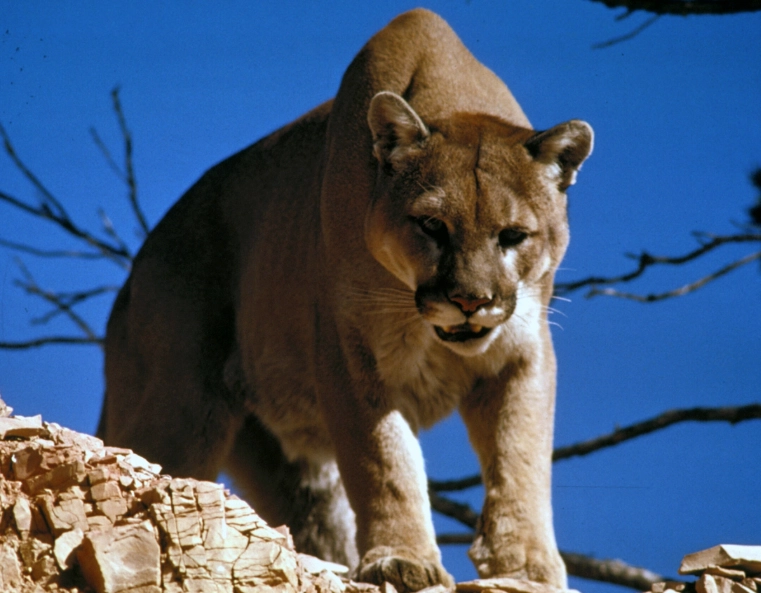
At its core, the mountain lion in your dream is an embodiment of a potent, often ignored, internal force. It's not an external threat until your subconscious dresses it up as one. This force can be positive or challenging, but it's always powerful.
- The Shadow Self: Psychologist Carl Jung talked about the "shadow"—the parts of ourselves we repress because they're uncomfortable. Aggression, intense ambition, raw sexuality, primal fear. The mountain lion is a classic shadow symbol. It's the part of you that knows how to fight, to claim territory, to act on pure instinct.
- Sovereignty & Personal Power: Mountain lions are solitary apex predators. They answer to no one. Dreaming of one can highlight your relationship with your own authority. Are you leading your life, or are you being led? Are you owning your decisions?
- A Major Life Transition: In some spiritual traditions, big cat dreams precede significant changes—a career leap, the end of a relationship, a move. The lion represents the strength you'll need to navigate the unknown.
7 Mountain Lion Dream Interpretations Based on Context
This is where we move from vague symbolism to practical meaning. The scenario changes everything.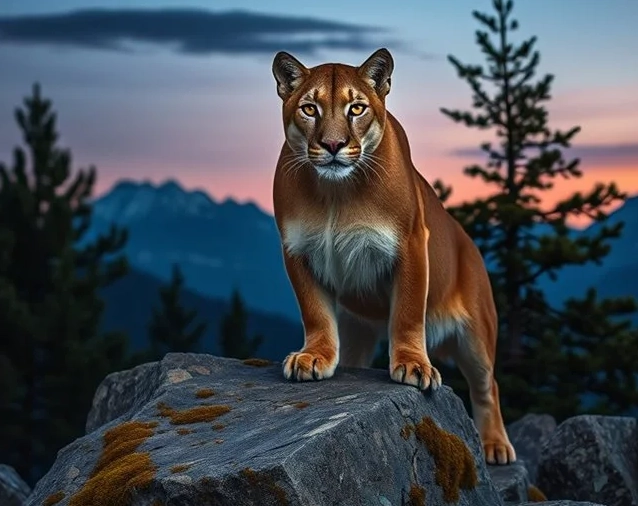
1. The Mountain Lion is Stalking or Chasing You
This is the most common fear-based dream. You're being pursued. The key isn't to assume doom, but to ask: What in my waking life feels like it's "on my tail"? An unpaid bill? A looming deadline? An unresolved conflict with someone? The lion gives form to your anxiety. It's not predicting disaster; it's screaming that your stress has reached a level your conscious mind can no longer ignore. The chase is the feeling of being overwhelmed.
2. You See a Mountain Lion Watching from a Distance
It's calm, observing. You feel its presence but there's no threat. This is a powerful dream of latent potential. That strength, that confidence, that fierce independence—it's available to you. It's watching, waiting for you to acknowledge it. This dream often comes when you're on the cusp of realizing your own capabilities but are hesitating. The lion is your own untapped resource.
3. You Are Fighting or Killing the Mountain Lion
On the surface, a victory. But in my experience, dreams where you kill a powerful symbolic animal can be warnings. You might be "killing" a vital part of yourself to fit in. Are you suppressing your anger until it's gone numb? Smothering your wild creativity to be more "professional"? This dream asks if your "victory" is actually a loss of something authentic.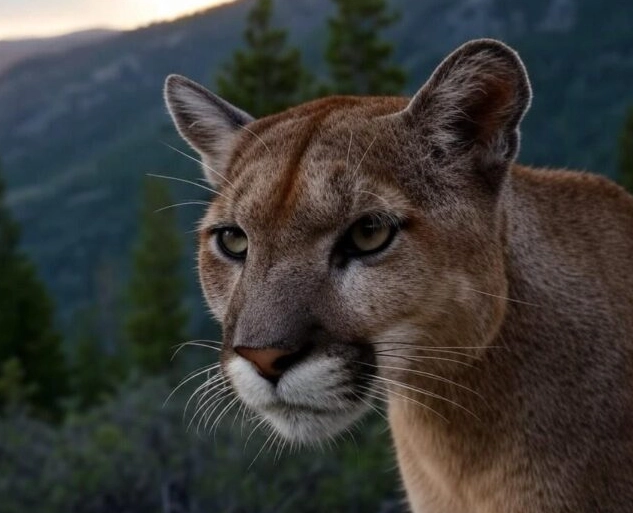
4. The Mountain Lion is Protecting You or Your Family
A profoundly positive sign. Your subconscious is personifying your protective instincts, your fierce loyalty, and your capacity to defend your boundaries. If you've been feeling vulnerable, this dream is a reminder: you are far more capable of guarding your emotional and physical space than you think. Trust your gut.
5. You Are Feeding or Petting the Mountain Lion
This signifies a conscious effort to integrate your shadow. You're not running from your powerful, instinctual nature; you're learning to manage it, to work with it. It suggests you're in a phase of self-development where you're acknowledging your less "polite" emotions—like healthy anger or assertive desire—and finding constructive outlets for them.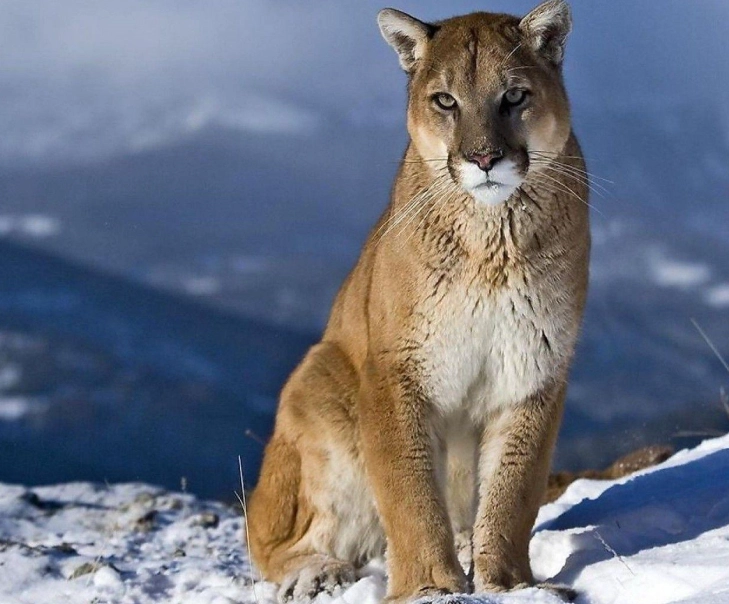
6. A Mountain Lion in Your House
The invasion of the wild into the domestic. Something primal is disrupting your sense of safety and privacy. What issue has entered your personal space? A family conflict? Work stress bleeding into home life? The lion identifies the problem as something that threatens your core sanctuary. It demands attention.
7. A Mountain Lion Cub
New, growing power. A nascent talent, a fledgling business idea, a fresh but fragile sense of confidence. This dream calls for nurturing and protection. That new part of you is full of potential but vulnerable. How are you caring for it?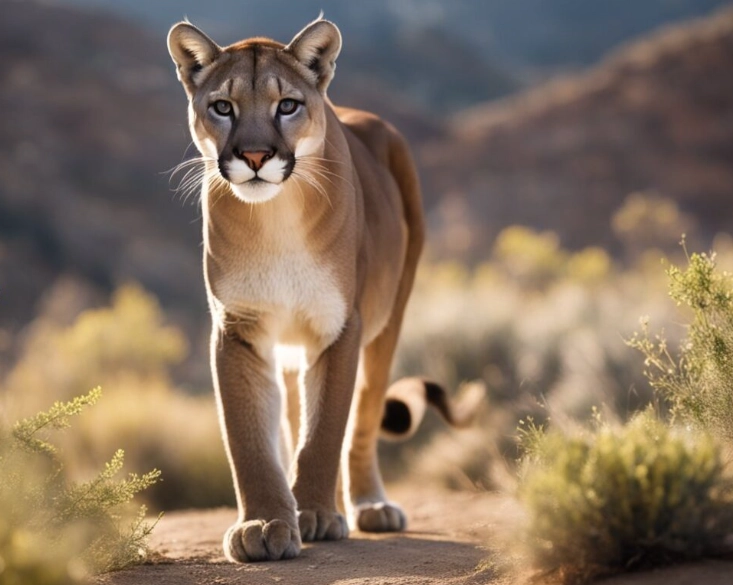
The #1 Mistake People Make Interpreting These Dreams
They stop at the dictionary definition. "Mountain lion = danger. Okay, I'm done."
The bigger mistake is ignoring the emotional data. Your feeling during and after the dream is the most important clue. Were you terrified? Awestruck? Curious? Calm? That emotion is the translation of the symbol into your personal language.
Terror might point to a fear you're avoiding. Awe might point to a respect for a power you wish you had. Curiosity might mean your subconscious is inviting you to explore a part of yourself.
I had a client who dreamt of a mountain lion blocking her path. She was frustrated, not scared. In her waking life, she was trying to force a career promotion that wasn't happening. The lion wasn't a threat; it was her own subconscious wisdom saying "this path is closed right now, and your forceful energy (the lion) is what's actually in the way." She needed to channel that power into exploring a different route.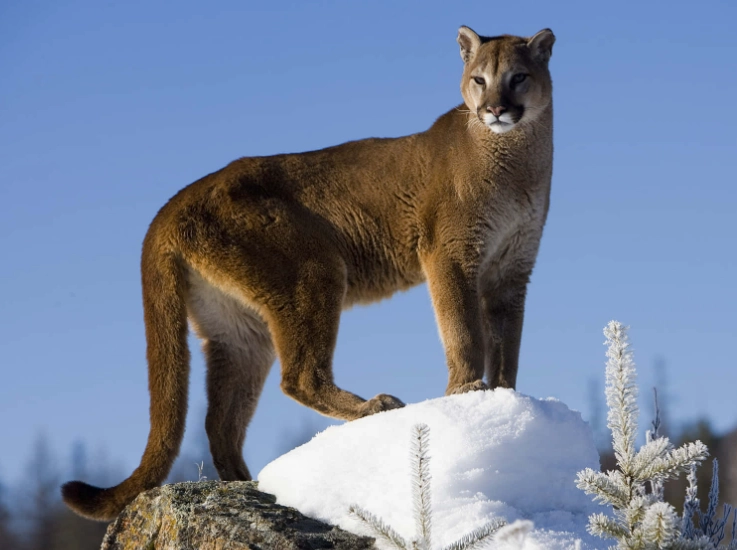
How to Respond to a Mountain Lion Dream: A Practical Guide
So you've had the dream. You've pondered the context. Now what? Here’s a step-by-step way to bring the message into your life.
- Journal Immediately: Write down every detail. Location, time of day, the lion's size/color/condition, its actions, your actions, the emotional weather of the dream.
- Identify the Core Metaphor: In one sentence, what was the lion doing? (e.g., "A healthy mountain lion was calmly guarding the entrance to a forest I wanted to enter.")
- Find the Waking-Life Parallel: This is the crucial step. Where in your life right now does that metaphor play out? Using the example above: What is the "forest" I want to enter? (A new relationship, a creative project). What feels like it's "guarding the entrance"? (My own fear of the unknown, a practical obstacle). Is the guardian calm or aggressive? (Calm might mean the obstacle isn't hostile, just present).
- Take a Symbolic Action: Do one small thing to honor the dream's energy. If the lion represented courage, do one mildly courageous thing today—speak up in a meeting, set a small boundary. If it represented a hidden problem, spend 20 minutes actively researching a solution. This signals to your subconscious that you're listening.
- Create a Physical Anchor: Find a picture of a mountain lion that matches the dream's feeling. Make it your phone wallpaper for a week. It keeps the conversation between your conscious and subconscious mind active.
The goal isn't just to understand the dream, but to have a dialogue with it. Your psyche sent a message. This is how you text back.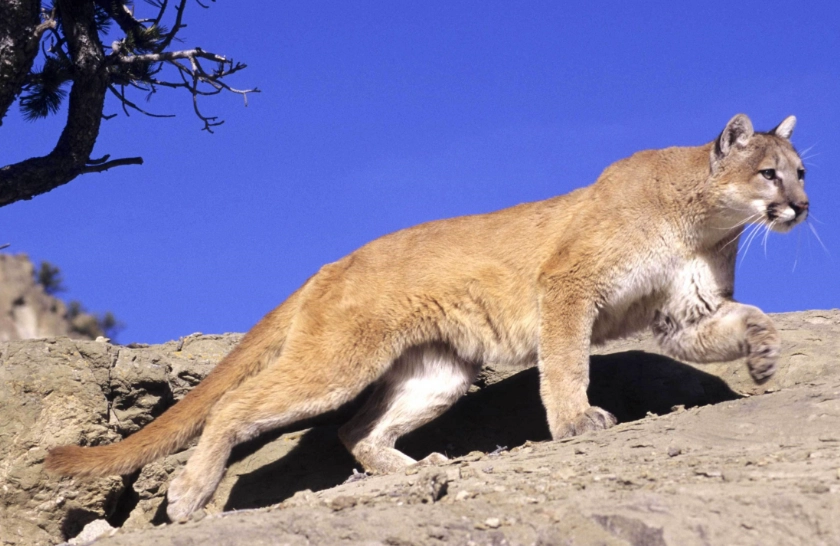
Your Mountain Lion Dream Questions Answered
Dreams about mountain lions aren't random. They're urgent, high-definition memos from the deepest part of you. They don't come to scare you for no reason. They come to show you where your real power lies—and where you might be in a standoff with it.
The next time you see those eyes in the dark of your sleep, don't just wake up and forget. Get curious. That lion has something to say. Your job is to learn its language.



Comments
Join the Conversation