Quick Guide
- The Wolf in Our Collective Imagination: More Than a Simple Symbol
- Decoding the Scene: What Was Your Wolf Doing?
- It's All About the Feeling: Your Emotional Reaction is the Compass
- From Dream to Daylight: What Do You Actually Do With This?
- Answers to the Questions You're Probably Asking (The FAQ)
- A Few Final Thoughts Before You Go
You wake up in the middle of the night, your heart beating a little faster than usual. The images are still sharp in your mind – piercing eyes, a silent howl, maybe a shadow moving through trees. A wolf. It felt so real. And now you're lying there, staring at the ceiling, wondering what on earth that was all about. I've been there too. For years, I dismissed dreams as random brain noise. Until a series of incredibly vivid wolf dreams made me sit up and pay attention. That personal curiosity sent me down a rabbit hole (or should I say, a wolf den?) of research, speaking with therapists, reading old folklore, and piecing together what our subconscious might be trying to say. Let's talk about what dreaming about wolves meaning could be for you.
It's not just one thing. Anyone who tells you "a wolf dream means X" is oversimplifying a beautifully complex message. The real meaning of dreaming about wolves depends on a ton of factors. How did the wolf behave? How did you feel? What was the setting? Were you scared, or in awe? Your personal history with wolves (maybe you love them, maybe you're terrified of them) plays a huge role. So we're going to move beyond the generic "wolf means wild nature" stuff and get into the nitty-gritty. This is about your dream, not a textbook definition.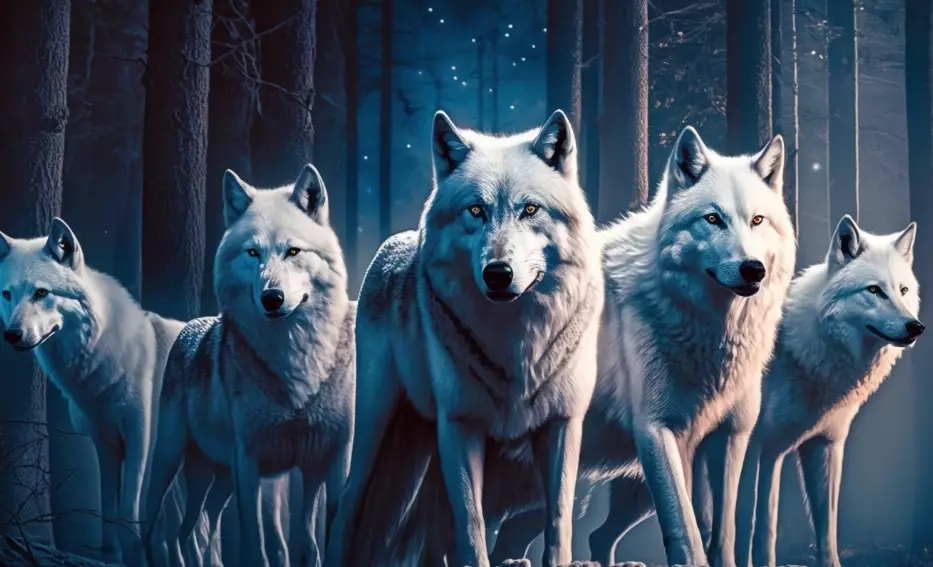
The Wolf in Our Collective Imagination: More Than a Simple Symbol
Before we dive into your specific dream, it helps to understand the baggage wolves carry. And they carry a lot. Across cultures and centuries, the wolf has been painted as both a monster and a guardian, a ruthless predator and a loyal pack animal. This duality is key to unlocking your dream.
In many Native American traditions, the wolf is a powerful teacher and pathfinder, embodying loyalty, intelligence, and strong family ties. Celtic lore often associated wolves with the moon, intuition, and the wild, untamed parts of the self. Then you have the European fairy tales – Little Red Riding Hood, The Three Little Pigs – where the wolf is the cunning, dangerous outsider. Your subconscious has access to all of these stories. Which one it pulls from depends on what it's trying to tell you.
The wolf never sleeps in the stories we tell. It's always watching, always representing the edge of our civilized world. That's probably why it shows up in our dreams when we're on the edge of something in our own lives.
Psychologically, Carl Jung might have seen the wolf as a part of the "shadow" – the aspects of ourselves we repress or deny. But not all shadow is bad. The wolf's shadow can be our raw instinct, our courage, our independence that we've been keeping on a leash. On the flip side, organizations like the American Psychological Association often frame dream analysis as a tool for self-reflection rather than a precise science, suggesting we look for personal connections above all. That's a good reminder to stay grounded.
Quick Insight: If your wolf felt menacing, think about what feels threatening or "predatory" in your waking life. Is it a person, a deadline, a fear? If the wolf felt noble or guiding, maybe you're being called to trust your instincts more or reconnect with your "pack" (family, close friends).
Decoding the Scene: What Was Your Wolf Doing?
This is where it gets personal. The action in the dream is like the headline; the details are the full story. Let's break down some of the most common scenarios people report when dreaming about wolves.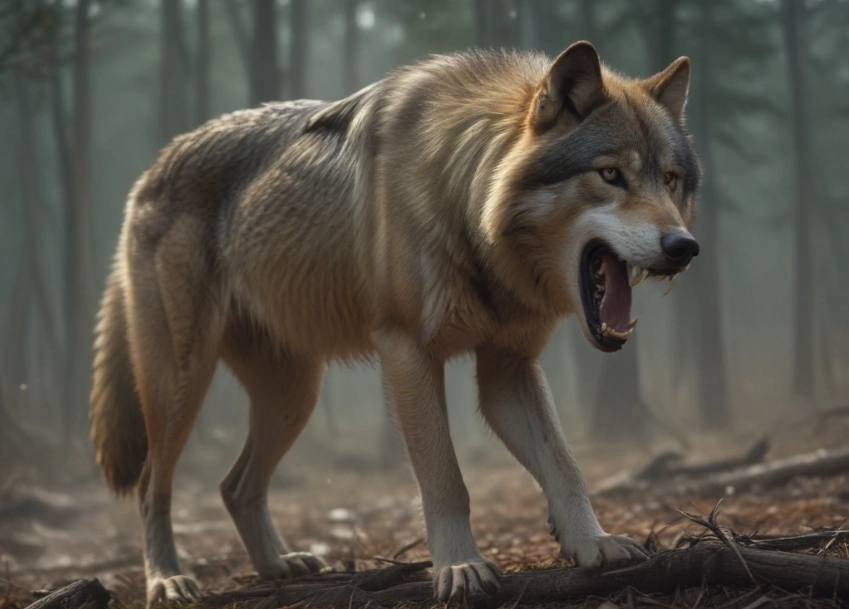
A Wolf Staring or Howling at You
This one is super common. That intense, unbroken gaze. It's unsettling, right? It often feels like being seen right through. In my own experience, a wolf staring dream popped up when I was avoiding a difficult conversation at work. The wolf wasn't attacking; it was just... watching. Waiting.
This kind of dream can be a call to attention. Something in your life needs your focus. The wolf isn't necessarily a threat here; it's more of a mirror. It might be reflecting a part of yourself you're ignoring – your own power, your intuition, a truth you don't want to face. The howl, especially at the moon, amplifies this. It's a signal. A message trying to break through the noise of your daily life. Are you listening to your inner voice, or drowning it out?
Being Chased or Attacked by a Wolf
Okay, this is the scary one. The adrenaline-pumping, run-for-your-life scenario. The immediate feeling is pure threat. When exploring the meaning of dreaming about wolves in an aggressive context, it's rarely about a literal wolf attack. It's almost always about a perceived threat.
Ask yourself: What are you running from? Seriously. Is it a responsibility? A relationship problem? A financial fear? The wolf embodies that pursuing anxiety. Sometimes, the attack itself can symbolize feeling overwhelmed or "cornered" by a situation. The good news? Your mind is giving you a safe space to confront that fear. In the dream, you survived. That's a powerful message about your own resilience.
A Quick Reality Check: If you have a known phobia of wolves or have experienced trauma related to dogs or wild animals, these dreams might be more straightforward expressions of that anxiety. In such cases, the dreaming about wolves meaning might be more literal to your fears, and it's always wise to consider that context first.
A Friendly or Playful Wolf
Not all wolf dreams are nightmares. Dreaming of a wolf that's calm, approaching you without threat, or even playing can be a profoundly positive sign. This often points to reconciliation with your own instinctual nature. You might be learning to trust yourself more.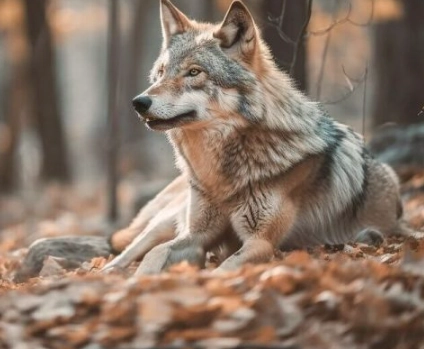
It can symbolize a new, powerful loyalty entering your life – a deep friendship or partnership that has a protective, pack-like quality. I remember a friend telling me about a dream where she was walking with a wolf by her side just after she started a creative business with a very trusted colleague. She saw it as her subconscious affirming the partnership and her own "wild" creative energy.
A Wolf Pack
This shifts the focus from the individual to the group. Dreaming of a wolf pack is deeply connected to themes of community, belonging, and social dynamics. Are you feeling like part of the pack, or are you an outsider observing it?
If you're with the pack, it might reflect strong bonds with your family, friend group, or team at work. You feel supported and understood. If you're watching the pack from afar, it could point to feelings of isolation, loneliness, or a desire to find your "tribe." It might be time to evaluate your social connections. Are they nourishing you, or do you need to seek out a new community?
To make this clearer, here's a breakdown of common actions and their potential interpretations. Remember, this is a starting point for your own reflection.
| Dream Scenario | Common Emotions Felt | Potential Meanings & Questions to Ask Yourself |
|---|---|---|
| Wolf Staring/Howling | Awe, Unease, Curiosity | What needs my urgent attention? What truth am I avoiding? Is my intuition trying to tell me something? |
| Being Chased/Attacked | Fear, Panic, Helplessness | What am I running from in my life? Where do I feel threatened or cornered? What anxiety is "pursuing" me? |
| Friendly/Playful Wolf | Calm, Joy, Connection | Am I learning to trust my instincts? Is there a new, loyal bond in my life? Am I embracing a wilder, more authentic part of myself? |
| Seeing a Wolf Pack | Belonging, Awe, or Loneliness | How are my social connections? Do I feel part of a "pack"? Am I feeling isolated or in need of community? |
| Killing or Fighting a Wolf | Aggression, Triumph, Guilt | Am I trying to suppress a part of myself (my anger, my independence)? Have I overcome a major fear or challenge? |
| A Lone Wolf | Independence, Loneliness, Resilience | Am I on a solitary path by choice or circumstance? Do I need more independence, or am I craving connection? |
It's All About the Feeling: Your Emotional Reaction is the Compass
You could dream the exact same visual scene as someone else and have a completely different meaning. Why? Because your emotional reaction is the real key. The image is the symbol; the feeling is the translation.
Think back. Was it primal fear? That's a big signal. Not just nervousness, but deep, gut-churning fear. That often points to a core threat – something that feels like it challenges your safety or survival on some level. Maybe it's job security, a health scare, or a relationship on the brink.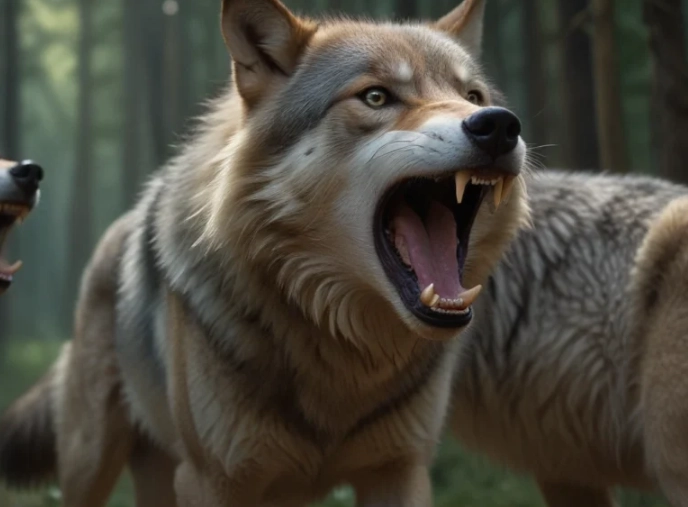
What about awe or reverence? That feeling of witnessing something majestic and powerful. This is a fantastic sign. It suggests you're connecting with a powerful archetype within yourself. You're recognizing your own strength, your wild intelligence, your capacity for fierce loyalty. Don't dismiss this feeling. It's your subconscious giving you a pep talk.
Then there's curiosity or neutrality. The wolf is just... there. An observer, or just another element in the dream landscape. This might indicate that themes of instinct, independence, or community are present in your life right now, but they aren't causing major conflict. They're just on your mind. It's like a gentle nudge to consider these areas.
From My Notebook: After my first big wolf dream, I felt this weird mix of fear and fascination for days. I wasn't scared of actual wolves, but the dream wolf's presence was immense. I finally realized it mirrored how I felt about starting my own business – terrified of the "wild" uncertainty, but in awe of the potential freedom. The dream was holding both those feelings for me to see. Sometimes the meaning of dreaming about wolves is just about showing you the full emotional picture of a situation.
From Dream to Daylight: What Do You Actually Do With This?
Okay, so you've thought about the symbol, the scene, and the feeling. You've got a few ideas about what dreaming about wolves meaning might be for you. Now what? Dream analysis is pointless if it doesn't lead to some kind of insight or action in your waking life. Here's a practical, step-by-step approach you can try.
First, write it down immediately. Details fade fast. Keep a notebook by your bed. Don't just write "wolf dream." Jot down everything: colors, sounds, the direction the wolf came from, what you were wearing. This act of recording itself can trigger connections.
Second, look for waking-life parallels. This is the most important step. Take the core themes from your analysis – is it about a perceived threat? A need for independence? A call to trust your gut? Now, scan your current life. Where do you see those themes playing out? Be brutally honest. The connection often isn't glamorous. That "wolf" chasing you might be your credit card bill. The "lone wolf" feeling might be you eating lunch alone at work every day.
Third, consider one small action. Don't try to overhaul your life. If the dream was about feeling threatened by a colleague, maybe the action is to schedule a neutral coffee chat to clear the air. If it was about needing more "pack" connection, maybe text an old friend you miss. If it was about embracing your inner "wolf" (your instincts), maybe the action is to finally voice an opinion in a meeting you usually stay quiet in. A small, tangible action bridges the dream world and the real world.
Some people find it helpful to engage with the symbol creatively. Draw the wolf from your dream. Write a short story from its perspective. This isn't silly; it's a way to engage a different part of your brain and deepen your understanding. The Psychology Today website has numerous articles by therapists discussing the value of such creative integration for dream work.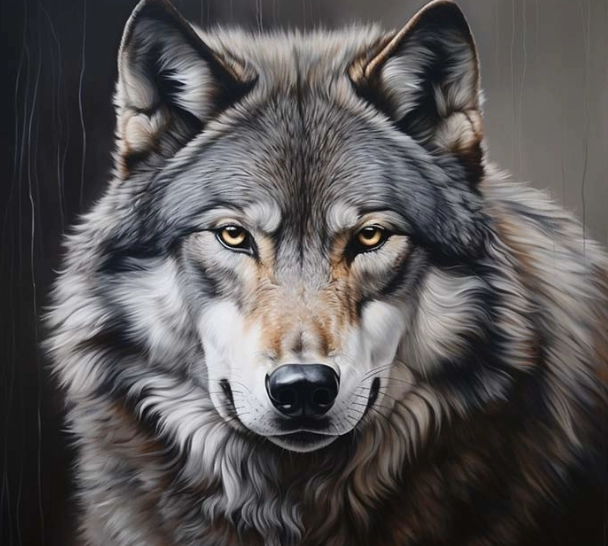
Answers to the Questions You're Probably Asking (The FAQ)
A Few Final Thoughts Before You Go
Look, at the end of the day, you are the ultimate expert on your dreams. All this information about dreaming about wolves meaning—the symbols, the cultural stuff, the psychology—is just a toolbox. Your job is to pick up the tools that feel right and use them to build your own understanding.
Don't get lost in the analysis to the point where the dream loses its magic. That sense of wonder or unease you felt upon waking is data. Honor it. Sometimes the meaning isn't a neat, logical sentence. Sometimes it's just a shift in how you feel about a problem, a new courage you didn't have before you slept.
Wolf dreams have a way of showing up at thresholds. When we're between jobs, between relationships, between versions of ourselves. They guard the border between the civilized self and the wild self. So if you're dreaming of wolves, ask yourself: what border am I standing at? And what part of me, long kept in the shadows, is ready to step into the moonlight?
Keep that notebook handy. The next message from your inner wilderness might be just a sleep away.




Comments
Join the Conversation