Quick Guide
You know that feeling. You're hiking, or maybe just gardening in your backyard, and later you find one. A tiny, eight-legged creature latched onto your skin. Your first reaction is probably disgust, maybe a bit of panic. You want it off, now. But have you ever stopped to think that this little pest might mean something? That's where the symbolism of ticks comes in. It's not exactly dinner table conversation, but it's a surprisingly rich topic once you dig beneath the surface (no pun intended).
Most people just see a parasite. And honestly, that's the core of it. But symbolism is funny—it takes a real-world thing and layers on meaning from culture, stories, dreams, and our own personal experiences. The symbolism of ticks isn't just one thing. It's a messy mix of negative and, believe it or not, a few potentially positive traits. It's about hidden dangers, patience, persistence, and things that drain you slowly. Let's unpack all of that.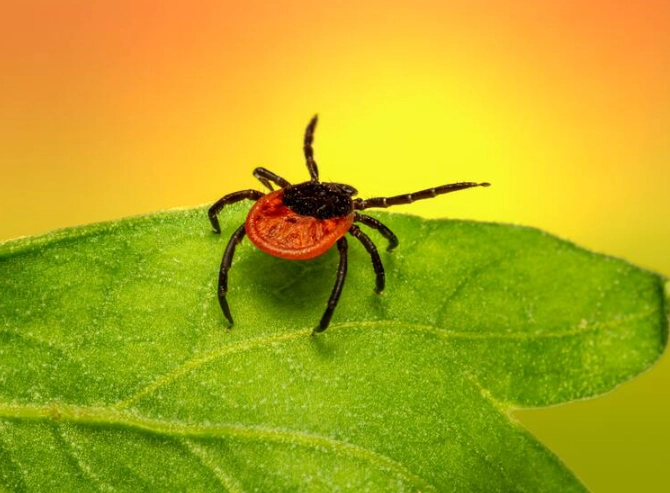
Where Does This Meaning Come From? Cultural & Historical Roots
Symbols don't pop out of nowhere. The meaning we attach to ticks is built on centuries of human interaction with them (mostly bad interactions, I'd wager). Unlike wolves or eagles, ticks rarely made it onto royal crests or epic poems. Their symbolism is more folkloric, practical, and often rooted in the experience of farmers, hunters, and anyone who spent time in nature.
In many indigenous North American traditions, all creatures are seen as teachers. A tick might be viewed as a lesson in tenacity and opportunism. Its ability to wait motionless for weeks, even months, for a host to pass by is a form of extreme patience. Some stories might frame it as a reminder to wait for the right opportunity instead of rushing in. But the lesson usually comes with a warning—this tenacity is self-serving and draining to others.
European folklore, heavily influenced by agriculture and animal husbandry, took a dimmer view. Here, the tick was almost exclusively a symbol of parasitism, pestilence, and hidden evil. Think about it. Ticks could make livestock sick. They were small, hard-to-see dangers that came from the seemingly peaceful woods or fields. They became perfect metaphors for hidden enemies, slow corruption, or “bad blood.” This negative framing heavily influences Western interpretations of tick symbolism today.
In some African contexts, where ticks like the bont tick are major livestock pests, the symbolism is again pragmatic: a destructive force that saps vitality and wealth. There's a direct line from the physical effect (draining blood, causing disease) to the symbolic one (draining energy, causing misfortune).
Honestly, the positive spins are harder to find. You really have to look for them. The primary symbolism of ticks across the board is negative, and for good, biological reasons. The Centers for Disease Control and Prevention (CDC) details how ticks are vectors for serious diseases like Lyme disease and Rocky Mountain spotted fever, which solidifies their modern association with hidden danger and sickness. You can read more about tick-borne diseases on the CDC's tick page—it's a sobering reminder of why the negative symbolism sticks so well.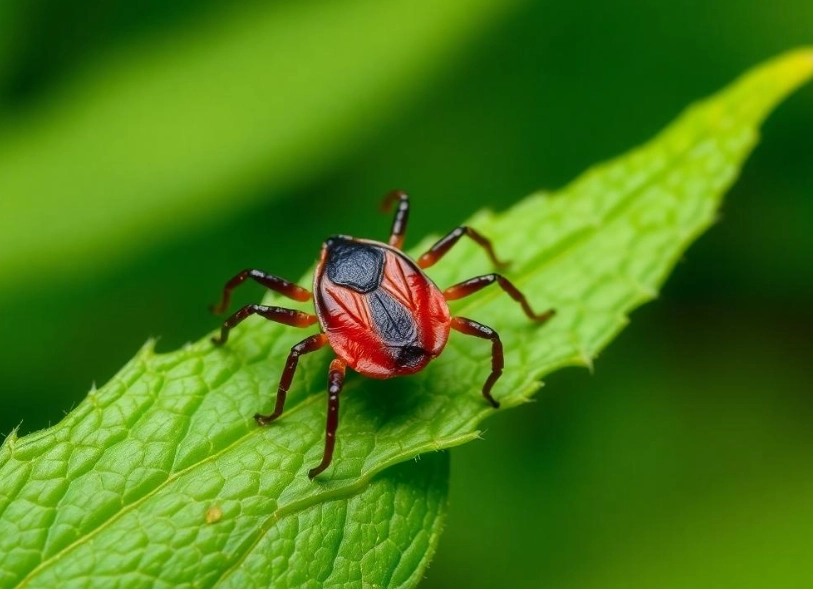
Breaking Down the Core Symbols: The Good, The Bad, and The Ugly
Let's organize this. When you analyze the symbolism of ticks, a few key themes keep popping up. I've tried to put them in a table to make it clearer, because sometimes seeing it all side-by-side helps.
| Symbolic Theme | What It Represents | Everyday Example |
|---|---|---|
| Parasitism & Draining | Something or someone that takes your energy, resources, or joy without giving anything back. A one-sided relationship. | A friend who only calls when they need a favor, or a job that leaves you mentally exhausted. |
| Hidden Danger & Insidiousness | A threat that is small, unnoticed, or disguised. Problems that start small and grow. | Ignoring a small leak that later causes major water damage, or a minor bad habit that escalates. |
| Patience & Persistence | The ability to wait for long periods for the right moment. Tenacity and single-minded focus on a goal. | Working for years on a project before it succeeds, or calmly waiting for a stock investment to mature. |
| Survival & Adaptability | An incredible will to live and thrive in various conditions, often at the expense of others. | Someone who always manages to land on their feet, even in tough times, but maybe by cutting corners. |
| Annoyance & Persistence | A small, nagging problem that won't go away. Low-grade stress. | A constant, buzzing notification on your phone, or a unresolved minor argument with a partner. |
See what I mean? The symbolism of ticks is heavily skewed. Only one or two of those could be seen as mildly positive, and even then, it's a flawed, self-serving kind of patience. The parasite angle is just too strong.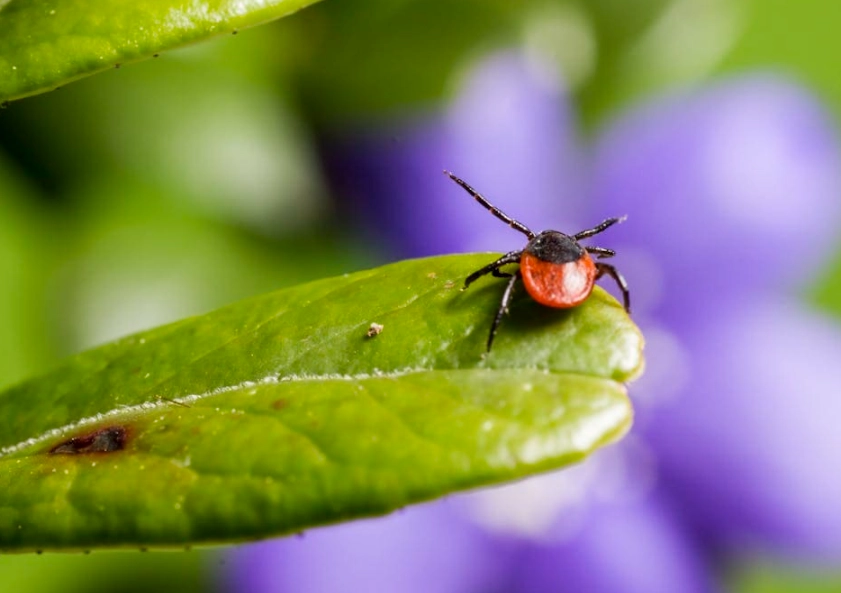
The Parasite: More Than Just a Bug
This is the big one. When we call someone a “tick” or describe a situation as “tick-like,” 99% of the time we're talking about parasitism. But in symbolism, a parasite isn't just a biological entity. It represents any draining attachment.
Think about it psychologically. What are the ticks in your life? Could be:
- A toxic thought pattern that loops in your head, sucking your mental energy.
- A financial obligation that feels like it's slowly bleeding you dry.
- A social media addiction that steals your time and focus in tiny, daily bites.
- Even a person whose negativity constantly brings you down.
The tick symbolism here is a powerful mirror. It asks: “What is attached to me that is taking more than it gives? What do I need to carefully remove?” The removal process is key, too. You can't just yank a tick off; you have to be careful, methodical, and make sure you get the head out. The same goes for removing a toxic habit or relationship—it requires careful, deliberate action to avoid making things worse.
Patience and Persistence: The Twisted “Virtue”
Okay, let's give the tick its due. Its survival strategy is awe-inspiring in a creepy way. Some species can wait for over a year without feeding, poised on a blade of grass. That's an insane level of patience and focus on a single goal: find a host.
In symbolic terms, this aspect of the symbolism of ticks can be a lesson in strategic waiting and resilience. Are you rushing a project? Maybe you need to wait for the right conditions. Are you giving up too easily? The tick certainly doesn't.
But—and this is a huge but—this patience is entirely self-serving and predatory. It's not the virtuous patience of a gardener nurturing seeds. It's the patience of an ambush. So if this symbol comes up for you, it might be asking: “Is my persistence healthy? Am I waiting for an opportunity, or am I waiting to take advantage of someone or something?” It's a fine, icky line.
Ticks in Stories, Art, and Dreams
You won't find many heroic ticks in literature. They're almost always villains or symbols of corruption.
In some horror and science fiction, ticks are magnified (literally) into monsters. Their parasitic nature is played up to explore themes of body horror, loss of control, and invasion. A classic trope is the alien or creature that attaches to a host and controls them or drinks their life force—that's pure tick symbolism. Think of the Facehuggers from *Alien*—different biology, same symbolic role: a hidden, attaching parasite that implants something deadly.
In more literary works, a character described as “tick-like” is usually sycophantic, clinging, and draining. They latch onto a more powerful or wealthy person, feeding off their status or resources. Shakespeare was a master of this kind of character, though he didn't use ticks specifically. The archetype is there.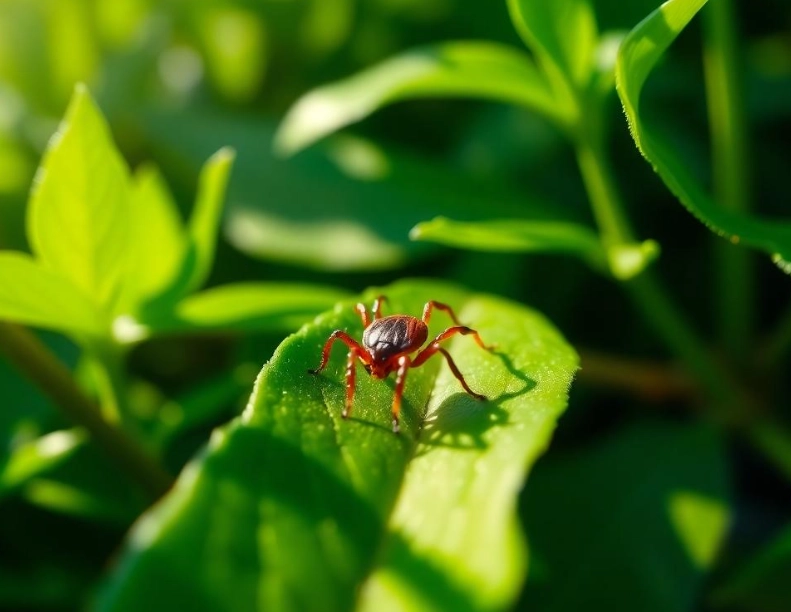
What Does a Tick in Your Dream Mean?
This is where people get really curious. Dream interpretation is messy, but if a tick shows up in your dream, pay attention. It's rarely a good sign, but it's an important one.
Finding a tick on yourself: This is the most common dream scenario. It typically points to anxiety about your health or energy levels. You might feel something is “draining” you in waking life—a job, relationship, or responsibility. It's a call to do a self-check. What's sapping your vitality? The dream is making the invisible drain visible.
Pulling ticks off: This can be positive! It suggests you are in the process of actively removing a source of stress or toxicity from your life. It might be difficult or disgusting work (symbolized by the pulling), but you're doing it.
Being covered in ticks: A more intense version. This often signals feeling overwhelmed by multiple small stressors or feeling exploited from many angles. You might feel like everyone wants a piece of you, leaving nothing for yourself.
Seeing a tick on someone else: This could reflect your perception that someone in your life is parasitic towards you or someone else. Alternatively, it might be a projection—maybe you're worried about being a burden to others (unlikely, if you're worried about it, but the dream mind is funny).
Remember, dream symbolism is personal. The key is to ask: “Where in my life do I feel the symbolism of ticks playing out? What feels like a hidden, draining attachment?”
The Personal Side: Using This Symbolism for Self-Reflection
This isn't just academic. The real power of understanding the symbolism of ticks is that you can use it as a tool. It's a lens to examine your own life.
Try this quick self-audit. Ask yourself:
1. Energy Drain: What activity, person, or thought, when I engage with it, leaves me feeling noticeably more tired or depleted afterward?
2. Hidden Attachments: What is a small, nagging problem I've been ignoring, hoping it will go away on its own? (That's the tick waiting in the grass).
3. My Own Behavior: Is there any way *I* might be acting like a tick in someone else's life? Am I being overly dependent, demanding, or taking without giving in a fair measure? (Tough question, I know).
This isn't about feeling bad. It's about awareness. Once you identify a “tick” in your life, you can decide how to handle it. Do you remove it carefully? Do you change your environment to avoid it? The symbol gives you the language and the metaphor to tackle these vague feelings of drain.
Common Questions About Tick Symbolism (FAQs)
Is a tick a good omen or a bad omen?
Almost universally, it's considered a bad omen. In folk traditions and modern interpretation, encountering a tick (especially in a significant or repeated way) is seen as a warning. It cautions you to look for hidden drains, check your health, and be wary of people who might be using you. I'd be very skeptical of anyone trying to sell you on a tick being a purely good sign.
What does it mean spiritually when you see a tick?
Spiritually, seeing a tick is often interpreted as a message from your intuition or guides to protect your energy. It's a nudge to strengthen your boundaries, both physical and energetic. Some might say it's a sign to “do a life detox”—examine what you're allowing to attach to you and siphon your spiritual or emotional vitality. The spiritual symbolism of ticks is heavily focused on cleansing and protection.
What is the symbolism of finding a tick on you?
This is a direct, personal symbol. Finding a tick on you in real life (not a dream) amplifies the meaning. It's a literal manifestation of the metaphor. It could mean:
- A drain or problem has successfully “latched on” and is now actively affecting you.
- You need to pay immediate attention to your physical health (get the tick properly removed and monitor for symptoms—always consult a medical professional, see the CDC's guide to tick removal).
- You've been in an environment (literal or social) that holds hidden risks. Time to re-evaluate.
Can tick symbolism be positive?
It's a stretch, but possible in very specific contexts. If you are in a situation that requires extreme, single-minded focus and patience to survive—like getting through a difficult financial period or writing a thesis—the tick's tenacity can be a model. But you must be careful not to adopt its parasitic qualities. The positive takeaway is solely about its perseverance, not its method of sustenance. Most of the time, the symbolism of ticks skews negative for a very practical, biological reason.
How is tick symbolism different from flea or mosquito symbolism?
Great question! They're all blood-suckers, but the nuances matter.
- Mosquitoes: Symbolize annoying, fleeting problems. They're quick, buzzy, and leave an itchy but usually short-lived mark. Their symbolism is more about sudden nuisance.
- Fleas: Symbolize persistent, hopping annoyances and impurity. They're associated with mess, neglect, and things that are hard to get rid of because they multiply.
- Ticks: Symbolize hidden, patient, and deeply attaching problems. The key differentiator in tick symbolism is the stealthy attachment. A tick problem is one you don't notice until it's firmly dug in.
Wrapping this up, the symbolism of ticks is fascinating precisely because it's so uncomfortable. It forces us to confront ideas of parasitism, patience, and hidden danger in our own lives. It's not a comfortable symbol, but it's a useful one. It acts as a tiny, eight-legged alarm bell. Whether it shows up in your world physically, in a dream, or just as a concept that pops into your head, take a moment. Look at what's clinging to you. Look at what you're clinging to. And decide if it's a connection worth keeping, or if it's time for a careful, deliberate removal.
Because in the end, understanding the symbolism of ticks isn't really about bugs at all. It's about taking back your energy and spotting the small things before they become big problems. And that's a pretty powerful thing to get from such a tiny creature.



Comments
Join the Conversation