Jump Straight to What Matters
You're up at 3 AM, watching your baby sleep, and suddenly they smile or twitch. What's going on in that tiny head? Infant dream meaning isn't just folklore—it's a window into your child's developing brain. As a parent who's spent years observing sleep patterns, I can tell you that decoding these dreams is less about mystery and more about paying attention to the details. Let's skip the fluff and get straight to what you need to know.
What Science Says About Infant Dreaming
First off, yes, infants do dream. Research from the National Sleep Foundation shows that babies spend about 50% of their sleep in REM (Rapid Eye Movement) phase, which is when most dreaming happens. For newborns, sleep cycles are shorter, around 50-60 minutes, so they dip into REM more often than adults. That means more dream time.
I remember chatting with a pediatric sleep researcher who pointed out that dreaming likely starts in the womb. After birth, as the brain wires itself, dreams become richer. By 6 months, your baby might be having vivid dreams based on daily experiences—like the feel of a soft blanket or the sound of your voice.
When Dreams Begin: A Timeline
Here's a quick breakdown based on studies I've reviewed:
- Newborns (0-3 months): Dreams are basic, tied to sensations—think warmth, hunger, or comfort.
- Infants (3-12 months): Dreams get more complex as memory develops. Your baby might dream about playing or feeding.
- Toddlers (1-2 years): Dreams start to include simple narratives, like reliving a park visit.
Don't fall for the myth that infants don't dream because they can't talk. Their brain activity tells a different story. A common mistake parents make is assuming every sleep movement is a dream—sometimes it's just gas or a sleep transition.
Interpreting Common Infant Dream Signs
Observing your baby's sleep behaviors is key. I've kept a dream journal for my nephew, and over time, patterns emerged. Here's a table to help you decode what you might see:
| Dream Sign | What It Might Mean | When to Relax vs. Watch Closely |
|---|---|---|
| Smiling or laughing | Positive emotions, often linked to happy moments like feeding or cuddling. | Relax—this is usually a good sign of contentment. |
| Crying or fussing | Could indicate discomfort, a nightmare, or just a sleep cycle shift. | Watch if it's frequent; otherwise, it's normal. Check for other issues like teething. |
| Twitching or jerking | Normal muscle movements during REM sleep; part of brain development. | Relax—unless it's violent or paired with fever, then consult a doctor. |
| Sucking motions | Often related to feeding dreams or self-soothing. | Relax—it's a common reflex. |
I've seen parents panic over every twitch, but in most cases, it's harmless. The subtle error here? Overinterpreting. A smile doesn't always mean a grand dream—it might just be a random brain signal. Focus on the bigger picture: is your baby sleeping well overall?
A Practical Guide to Understanding Baby Dreams
So, how do you make sense of it all? Here's a step-by-step approach I've refined over years of helping parents:
- Observe without interrupting: Watch your baby during sleep for a few minutes. Note the time and behaviors. Use a baby monitor if needed, but avoid disturbing them—dreams are fragile.
- Keep a simple dream journal: Jot down what you see. For example, "June 10, 2 AM: smiled for 5 seconds after feeding." Over weeks, patterns might show links to daily routines.
- Correlate with daytime events: Did your baby try a new food or meet a relative? Dreams often replay recent experiences. My niece always twitched after bath time—we guessed she was dreaming of water.
- Use trusted resources: Refer to authoritative sources like the American Academy of Pediatrics for sleep guidelines. I often recommend their articles on normal infant sleep patterns to avoid misinformation.
- Share with your pediatrician: If you're concerned, bring your journal to appointments. It helps professionals spot anomalies faster.
Let me share a case: A friend's baby would cry in sleep every night at the same time. We tracked it and realized it coincided with a neighbor's loud TV. Adjusting the sleep environment solved it—no deep dream analysis needed. Sometimes, the answer is practical, not mystical.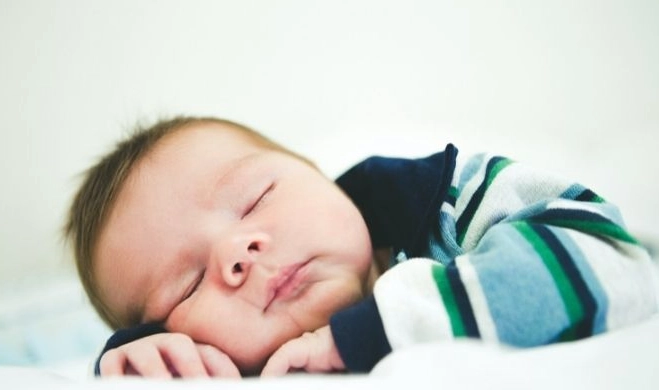
When to Worry About Nightmares
Nightmares in infants are rare, but they can happen. More common are night terrors, which occur during non-REM sleep and involve screaming or thrashing without full wakefulness. Here's how to tell the difference:
- Nightmares: Happen during REM sleep; your baby might wake up upset and seek comfort.
- Night terrors: Occur in deep sleep; your baby appears agitated but isn't fully awake and won't remember it.
When should you worry? If sleep disturbances are frequent, affect daytime mood, or come with other symptoms like fever, consult a pediatrician. But don't jump to worst-case scenarios—most sleep issues phase out. I've noticed parents often mistake growth spurts for nightmares; during rapid development, sleep can be unsettled.
A tip from my experience: Establish a calming bedtime routine. Consistency reduces anxiety for both baby and parent, cutting down on nightmare-like episodes.
Your Top Questions Answered
Understanding infant dream meaning isn't about becoming an expert overnight. It's about being an attentive parent who notices the little things while keeping perspective. Next time your baby smiles in sleep, take it as a sign of contentment—and maybe use that moment to catch up on your own rest. After all, parenting is a dream in itself, full of twists and turns.










Comments
Join the Conversation