In This Guide
So you've got that itch. That little voice in your head whispering about fresh air, starry skies, and the simple joy of a shelter you can carry on your back. You have a dream of tent. Maybe it's a vague notion, maybe it's a specific image from a catalog. But where do you even start?
I remember my first tent. A bulky, confusing pile of fiberglass poles and blue nylon I bought because it was cheap. The first rainstorm turned it into a leaky, sagging mess. My dream of a cozy retreat felt pretty stupid at 2 AM in a puddle.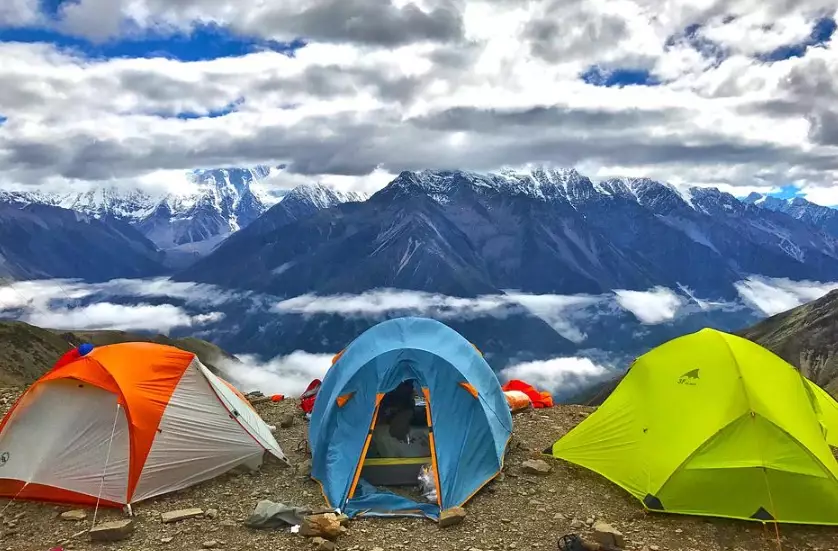
Let's not do that.
This guide is here to turn that fuzzy dream of tent into a clear, actionable plan. We're going to talk about why we dream of tents in the first place, how to pick the right one without getting overwhelmed, and how to actually enjoy the thing once you've got it. No fluff, just the stuff that matters.
Why Do We Dream of Tents, Anyway?
It's more than just buying gear. That dream of tent taps into something deeper. Freedom, for one. Your house is stuck in one place. A tent can go anywhere your car (or your feet) can take it. It's a ticket to disconnect. No Wi-Fi password needed, just the sound of the wind.
There's also the simplicity. In a world of constant complexity, a tent has a single, beautiful purpose: to keep you dry and sheltered. Setting one up is a small, satisfying accomplishment. It’s a tangible thing you did with your own hands.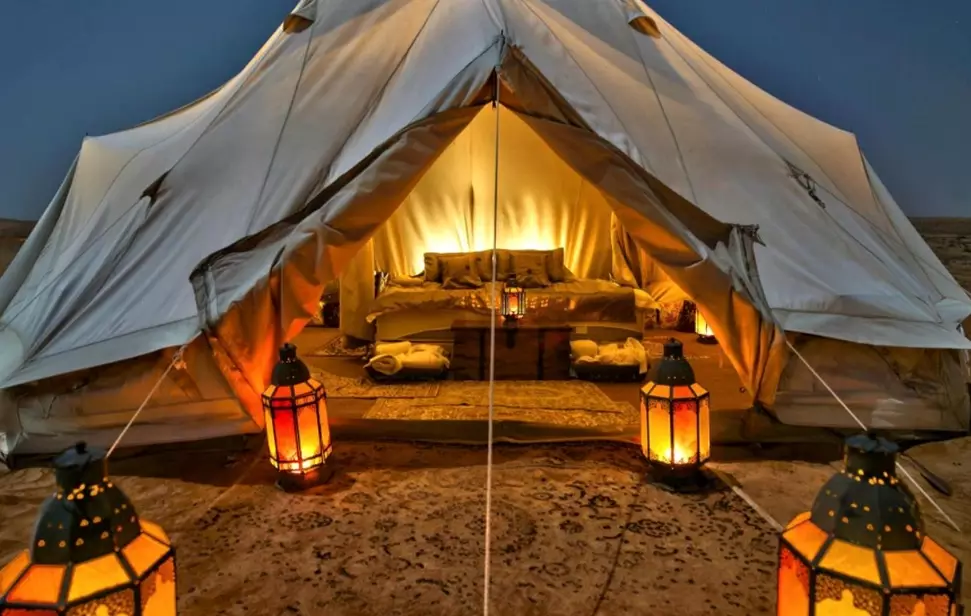
But—and this is important—the dream isn't always the reality. Tents can be stuffy. They can get wet inside from condensation (not always a leak!). Bugs find their way in. The ground is harder than your mattress.
Knowing the downsides makes the dream stronger, not weaker.
When your dream of tent includes the minor annoyances, you prepare for them. You bring a good sleeping pad. You learn to ventilate. You see the whole picture, not just the Instagram version.
The Heart of the Matter: Choosing YOUR Dream Tent
This is where most guides throw a million specs at you. Let's simplify. Choosing a tent comes down to answering three questions, in this order:
- Where and how will I use it? (Car camping at a state park vs. hiking the Appalachian Trail)
- How many people (and gear) need to fit? (Hint: A "4-person tent" is usually cozy for 2 adults and their stuff)
- What's my budget? (Be honest. A great $200 tent is better than a mediocre $400 one you can't afford.)
Tent Types Decoded: Matching the Shelter to the Dream
Not all tents are created equal. Picking the wrong type is the fastest way to kill your dream of tent fun. Here’s the breakdown.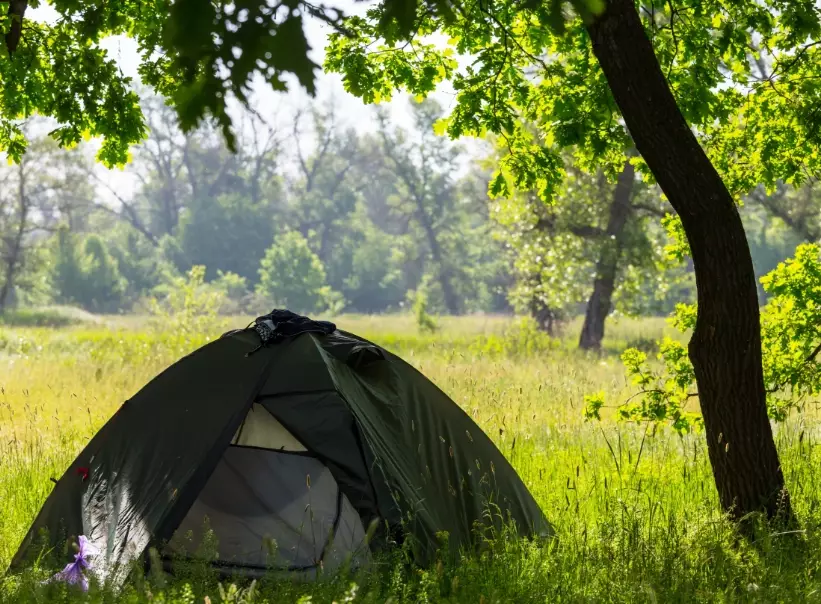
| Tent Type | Best For | Key Features | Who It's For |
|---|---|---|---|
| Dome Tents | Car camping, family trips, beginner campers | Easy setup, good headroom, stable in wind | Families, casual campers, festival-goers |
| Tunnel Tents | Families needing more space, longer trips | Excellent livable space-to-weight ratio, multiple rooms | Families who want separate sleeping areas |
| Backpacking Tents | Hiking, bikepacking, any trip where you carry your gear | Ultralight materials, compact packing size, minimal weight | Solo hikers, thru-hikers, weight-conscious adventurers |
| Pop-Up Tents | Beach days, quick festivals, extreme convenience | Sets up in seconds, often very affordable | People who hate poles, casual users (not for bad weather) |
| Roof Top Tents (RTT) | Overlanding, camping on uneven ground, a unique experience | Mounts on your vehicle, quick deployment, great views | Adventure drivers, those camping in rocky/uneven terrain |
See? It's about the job. Dreaming of hiking into the wilderness? A heavy cabin tent will ruin your trip. Dreaming of a weekend at a campground with the kids? A tiny backpacking tent will make everyone miserable.
The Nitty-Gritty: Materials and Features That Actually Matter
Let's talk specs without the jargon.
Poles: Aluminum is the gold standard—strong, light, and flexible. Fiberglass is cheaper and heavier, and it can snap in cold weather or high wind. For a dream of tent that lasts, aim for aluminum.
Fabrics: The rainfly is your best friend. A full-coverage fly that goes close to the ground is way better than a "partial" one. Denier (D) is a measure of fabric thickness. Higher denier (e.g., 75D) is more durable but heavier. Lower denier (e.g., 15D-30D) is for ultralight tents and needs more care.
Waterproofing: Look for a hydrostatic head rating (HH). 1500mm is okay for light rain. 3000mm+ is what you want for serious weather. The floor should have an even higher rating—at least 5000mm—because it's in direct contact with wet ground.
Ventilation: This is the secret nobody talks about. Mesh panels, especially high up near the ceiling, are crucial. They let moist air (from your breath!) escape, preventing that clammy, rainy-morning condensation inside your tent. A good mesh door is a must for buggy areas.
Weight: Only a major concern if you're backpacking. For car camping, don't sweat an extra 5 pounds if it means more durability or space.
Making the Dream Real: Setup, Care, and Etiquette
You've got the tent. Now what?
Practice Makes Perfect (Seriously)
Do not—I repeat, DO NOT—wait until you're at a campsite at dusk to set up your tent for the first time. Practice in your backyard or living room. Time yourself. Figure out which pole goes where. This one act will reduce 90% of first-night stress and make your dream of tent living start off right.
Trust me on this.
Here's a basic mental checklist for any pitch:
- Clear the ground of sharp sticks and rocks.
- Lay out the footprint (if you have one) or the tent body.
- Assemble the poles and feed them through the sleeves or attach the clips.
- Secure the corners first, then raise the structure.
- Stake it out, pulling the fabric taut but not over-stretched.
- Drape and attach the rainfly, ensuring it doesn't touch the inner tent walls.
- Use all guy lines in windy conditions. They're not just for show.
Tent TLC: How to Make Your Shelter Last
A tent is a investment. Treat it right.
Always use a footprint: This is a custom-sized ground cloth that goes under your tent. It protects the floor from abrasion, moisture, and punctures. It’s cheaper to replace a footprint than a whole tent floor. Many manufacturers sell them specifically for their models.
Never store it wet: This is the cardinal sin. Even a little moisture leads to mold and mildew, which ruins fabric and creates a terrible smell. If you have to pack up a damp tent, unpack and dry it completely as soon as you get home—hang it in the garage, over a railing, anywhere with air flow.
Clean it gently: For dirt, use a soft brush or sponge and lukewarm water. Mild soap if you must. Never use harsh detergents, washing machines, or dryers. They strip the waterproof coating (DWR).
Re-waterproof when needed: Over time, the rainfly's water repellency wears off. Water will start to "wet out" (soak in instead of beading up). You can revive it with a spray-on or wash-in DWR treatment from brands like Nikwax or Gear Aid.
Being a Good Camper: The Unwritten Rules
Part of the dream of tent life is being part of a community. Follow Leave No Trace principles outlined by the U.S. Forest Service. Pack out all your trash. Keep noise down, especially after dark. Respect wildlife—store your food properly. Pitch your tent on durable surfaces, not on fragile vegetation.
It's simple stuff, but it keeps the outdoors great for everyone else chasing their own dream of tent.
Your Dream of Tent Questions, Answered
Wrapping Up: From Dream to Reality
So there you have it. The dream of tent isn't about owning a specific piece of gear. It's about unlocking a world of experiences. It's about the confidence of knowing you have a safe, dry place to sleep almost anywhere on earth.
Start with your "why." Be honest about where you'll go and who's coming with you. Don't get sucked into features you don't need. Prioritize quality in poles, zippers, and waterproofing over flashy extras.
Practice setting it up. Take care of it. Follow the rules of the outdoors.
Then just go.
That first morning, waking up with the sun filtering through the nylon, hearing the birds instead of traffic—that's when the dream becomes real. It might not be perfect. You might forget the coffee. But you're out there, living it. And that's the whole point.
Your perfect shelter, your own little home away from home, is waiting. Now you have the map to find it. Go chase that dream of tent.










Comments
Join the Conversation