Quick Guide
- So, What Exactly Is a Kitten Dream?
- The Kitten Dream Symptom Checklist: Normal vs. Not-So-Normal
- Why Do Kittens Seem to Dream More Than Adult Cats?
- Creating the Perfect Environment for Good Kitten Dreams (and Sleep)
- Your Kitten Dream Questions, Answered
- The Bigger Picture: Sleep as a Health Indicator
You know the scene. Your little ball of fur is finally conked out after a marathon session of attacking your shoelaces. Then it starts. A tiny paw jerks. The whiskers quiver like they're sensing invisible prey. Maybe a soft mew or a chirp escapes their sleeping mouth. It's impossibly cute, right? But it also makes you wonder. What on earth is going on in that tiny head? Is my kitten having a good kitten dream, or is something wrong?
I've spent more hours than I'd care to admit just watching my cats sleep. My own cat, Mochi, used to paddle his feet so vigorously in his sleep as a kitten that he'd sometimes scoot himself right off the couch cushion. It was hilarious, but it also sparked a deep curiosity in me. I started digging, talking to vets, reading studies—the whole nine yards. Turns out, the world of feline sleep is way more fascinating than I ever imagined.
Let's be real. When you see those twitches, your first thought isn't usually "Ah, REM sleep patterns." It's more like, "Are you chasing a dream mouse, buddy?" or "Please don't be having a seizure." I get it. The line between adorable dreaming and a potential problem can feel blurry. That's why I wanted to pull all this information together—not just the fluffy, cute stuff, but the real science and the practical advice you need as a pet owner.
So, What Exactly Is a Kitten Dream?
Let's cut through the mystery. When we talk about a kitten dreaming, we're essentially talking about brain activity during a specific sleep phase. Just like humans, cats cycle through different stages of sleep: light sleep, deep sleep, and the famous REM (Rapid Eye Movement) sleep. The twitching, noises, and movement? That's almost all REM sleep in action.
Think of a kitten's day. It's a sensory overload. New smells, weird giant humans, strange toys, learning to climb, the epic battle with the red dot... Their brains are like sponges on caffeine. Sleep, particularly REM sleep, is when their little brains file all that chaos away. It's a processing and consolidation period. Neurologists believe that during REM, the brain is essentially rehearsing and strengthening neural pathways formed while awake.
So, that paddling motion? It's very likely a literal replay of running or climbing. The chattering jaw and whisker twitches? Probably an intense dream about stalking a bug or a piece of kibble. The little squeaks? Maybe they're communicating with dream-siblings or triumphantly announcing a catch. It's their brain practicing life skills, even in total safety.
In a way, sleep is their most important teacher.
The Kitten Dream Symptom Checklist: Normal vs. Not-So-Normal
This is the part most people are searching for. You see something and you need to know: is this okay? Let's break down the common signs of a harmless kitten dream and the red flags that warrant a closer look.
The "Totally Normal, Just Adorable" Signs
These are the classic hallmarks of healthy REM sleep and dreaming in kittens:
- Twitching Paws & Legs: This is the big one. Small, jerky movements in the toes, feet, or legs. It often looks like they're running, pouncing, or kneading a dream blanket.
- Whisker & Ear Twitches: Their super-sensitive whiskers and radar-dish ears will often flicker and rotate independently as if tracking something in the dream world.
- Eye Movements Behind Closed Lids: This is the "rapid eye movement" itself. You might see their eyelids fluttering. Don't worry, they're not about to wake up.
- Soft Vocalizations: Tiny mews, chirps, purrs, or even muffled trills. It's like they're commenting on their own dream.
- Swishing Tail Tip: Even in deep sleep, the very end of their tail might give a little flick, a sign of focused attention in their dream narrative.
My vet friend Sarah always says, "If it looks like they're acting out a muted version of their awake play, it's almost certainly just a dream." The movements are sporadic, not rhythmic or violent.
The "Time to Pay Attention" Signs
Now, here's where we separate dreaming from potential issues. While true neurological problems are rare in young kittens, it's crucial to know the difference. A seizure, for instance, is not a kitten dream.
| Symptom | Typical Kitten Dreaming | Potential Problem (e.g., Seizure) |
|---|---|---|
| Movement Type | Isolated, jerky twitches (paw, whisker). | Rigid, rhythmic, or convulsing movements of the whole body or a large section. |
| Consciousness | Deeply asleep, unresponsive to gentle sounds. | May appear conscious but unresponsive (staring blankly), or completely unconscious. |
| Duration | Brief bursts, a few seconds to a minute, within a sleep cycle. | Can last longer (several minutes), and the episode has a clear, abnormal "start" and "stop." |
| After Effects | Wakes up (or drifts into deeper sleep) normally, may seem slightly disoriented for a second. | Post-ictal phase: clear confusion, disorientation, pacing, blindness, or exhaustion lasting minutes to hours. |
| Bodily Functions | Breathing remains steady, maybe slightly faster. | Possible loss of bladder/bowel control, drooling, rapid/panting breathing during the event. |
The rule of thumb? Context and controllability.
If you can gently call your kitten's name or make a soft noise and the movement stops as they stir, it was almost definitely a dream. If the movement continues uninterrupted and intensifies despite external stimuli, that's a major red flag. When in doubt, always, always record a video on your phone. It's the single most helpful thing you can show your vet. I learned this the hard way with a scare about one of my fosters—turned out to be just very intense dreaming, but having the video saved us both a lot of stress.

Why Do Kittens Seem to Dream More Than Adult Cats?
It's not your imagination. Kittens really do experience more active kitten dreams. The reason is all about brain development. A kitten's brain is a construction zone, building connections (synapses) at an insane rate. All that new data from exploring the world needs to be sorted, stored, and integrated. REM sleep is the foreman on that job site.
Research on sleep across species suggests that the amount of REM sleep is highest in infancy and decreases with age. A study cited by the UC Davis School of Veterinary Medicine points to the critical role of sleep in learning and memory consolidation in young animals. Every pounce at a feather toy, every successful climb onto the bed, every interaction with you or other pets is a lesson. Their dreams are the homework session where that lesson gets cemented.
As cats mature, their world becomes more familiar, routines set in, and the sheer volume of novel experiences drops. Consequently, the brain's need for intensive overnight processing diminishes. An adult cat's sleep is more about true rest and conservation of energy (they're still predators at heart, even if their biggest hunt is for the sunbeam on the floor). Their dreams become less frequent and often less physically dramatic.
Creating the Perfect Environment for Good Kitten Dreams (and Sleep)
You can't control what your kitten dreams about (unfortunately, we can't program dream-mice), but you can absolutely set the stage for healthy, restorative sleep. Good sleep leads to better kitten dreaming and overall development. It's not rocket science, but a few intentional choices make a big difference.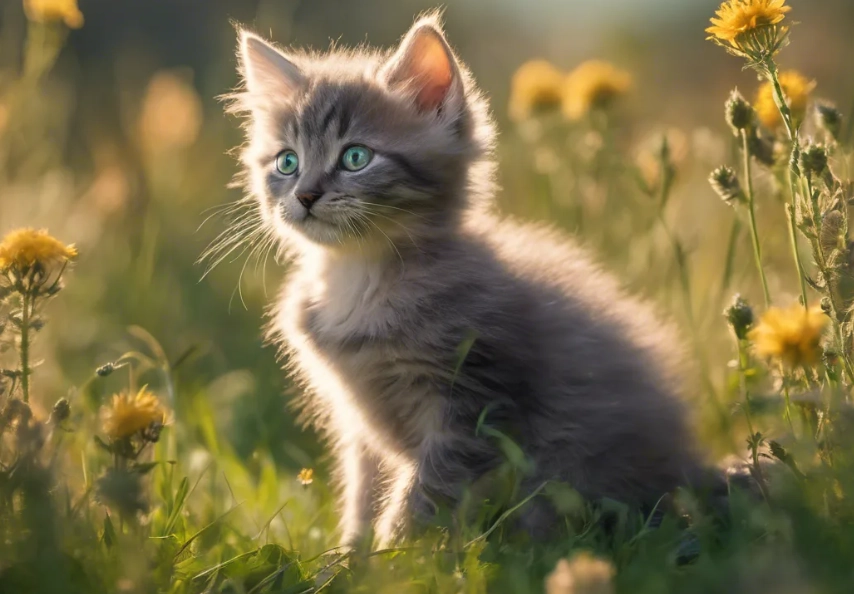
The Pre-Bedtime Ritual: Wind Down, Don't Wind Up
This was my biggest mistake early on. I'd play with my kitten with a laser pointer right before I went to bed, thinking it would tire him out. Wrong. It just wired him up without the physical closure of a "catch." It's like drinking espresso before bed.
Instead, aim for a predictable wind-down. About 30-60 minutes before you want them to settle, engage in a play session that ends with a tangible success. Use a wand toy they can finally "catch" and bite, or toss a toy mouse they can pounce on and "kill." Follow this with a small, scheduled meal. The sequence is key: Hunt (play) -> Catch (success) -> Eat (reward) -> Groom -> Sleep. This mimics their natural predatory cycle and signals to their body and brain that the work is done for now. A satiated, physically tired kitten is a kitten ready for deep, dream-filled sleep.
The Sleep Sanctuary: Safe, Cozy, and Quiet
Kittens, like human babies, sleep best when they feel secure. Provide a few dedicated sleeping spots in quiet, low-traffic areas of your home. These don't have to be expensive beds. A simple cardboard box with a soft blanket in a corner can be pure heaven.
- Choice is Key: Offer a couple of options—one in a more enclosed, cave-like space (for security) and one in a sunny spot (for warmth).
- Respect the Sleep: When they are in a deep sleep cycle and twitching away in a kitten dream, try not to wake them. Interrupting REM sleep repeatedly isn't great for their brain's processing work.
- Consistency: While cats are crepuscular (most active at dawn/dusk), they adapt. Keeping play/feed times somewhat consistent helps regulate their sleep-wake cycle.
I made a cozy "cave" out of a storage tub turned on its side with a fleece inside. It was an instant hit and became the prime kitten dream headquarters for weeks.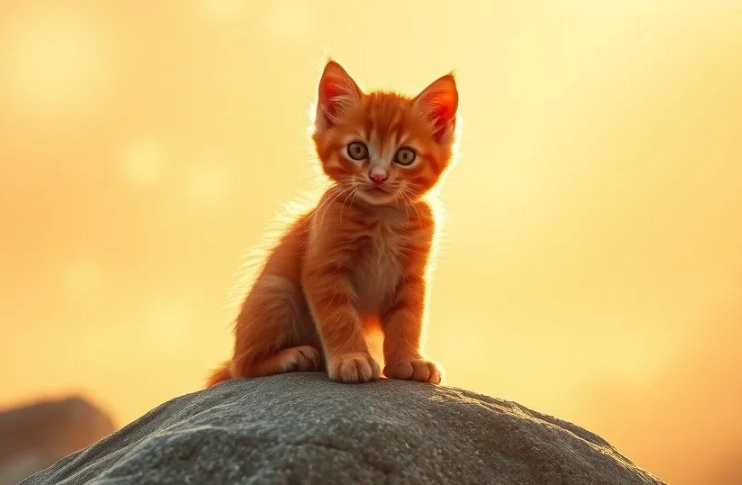
Your Kitten Dream Questions, Answered
The Bigger Picture: Sleep as a Health Indicator
Finally, it's worth thinking of your kitten's sleep patterns—dreaming included—as a general wellness barometer. A healthy kitten with a good routine will have predictable periods of deep, active sleep (dreaming) and quiet sleep.
Be concerned if you notice sudden, drastic changes:
- A kitten who previously dreamed actively now sleeps motionlessly and deeply all the time (could indicate lethargy from illness).
- A kitten who suddenly starts "dreaming" violently or having what looks like episodes while awake.
- A complete lack of deep, twitchy sleep ever (though some are just very still sleepers!).
- Signs of insomnia or inability to settle into deep sleep.
In these cases, the kitten dream (or lack thereof) is a clue, not the problem itself. It's pointing you toward their overall state. Pair your observations with other signs: appetite, energy when awake, litter box habits, etc. This holistic view is what makes you a great pet owner.
Watching your kitten dream is one of the quiet joys of sharing your life with them. It's a window into their secret inner world, a sign of a busy, developing brain, and a reminder of the simple, instinctive creature living under your roof. Enjoy the show. It doesn't last forever. Just keep one eye open for the real red flags, provide a safe space for those epic dream-chases, and know that every twitch is a sign of a kitten learning to be a cat.
And next time you see those paws paddling, you'll know—they're probably winning the championship against the dream-red-dot, and doing important work in the process.









Comments
Join the Conversation