Article Highlights
- First Things First: Why a Tarantula? The Symbolism Breakdown
- Your Dream, Decoded: Common Scenarios and Their Meanings
- Beyond the Symbol: What To Do After Dreaming of Tarantulas
- Frequently Asked Questions (The Stuff You're Actually Searching For)
- A Quick-Reference Table: Dream Scenario Cheat Sheet
- When to Dig Deeper and When to Let It Go
- Wrapping This Up: Your Tarantula as a Guide
Alright, let's be real for a second. Waking up from a dream where a big, hairy tarantula is starring isn't exactly a pleasant morning greeting. Your heart might be pounding, and you're left lying there, staring at the ceiling, thinking "What on earth was that about?" Is it a bad omen? Is my subconscious trying to tell me I have a secret spider obsession? Or is it something deeper?
You're not alone. Dreaming of tarantulas is way more common than you'd think. It's one of those powerful, visceral dream symbols that sticks with you. Forget about the generic "dreaming of flying" stuff—this one has weight. It can feel ominous, fascinating, or just plain confusing. I remember a period in my life, during a particularly stressful career transition, where I had a series of these dreams. At first, they just freaked me out. But the more I dug into what dreaming of tarantulas could represent, the more sense my own anxieties started to make.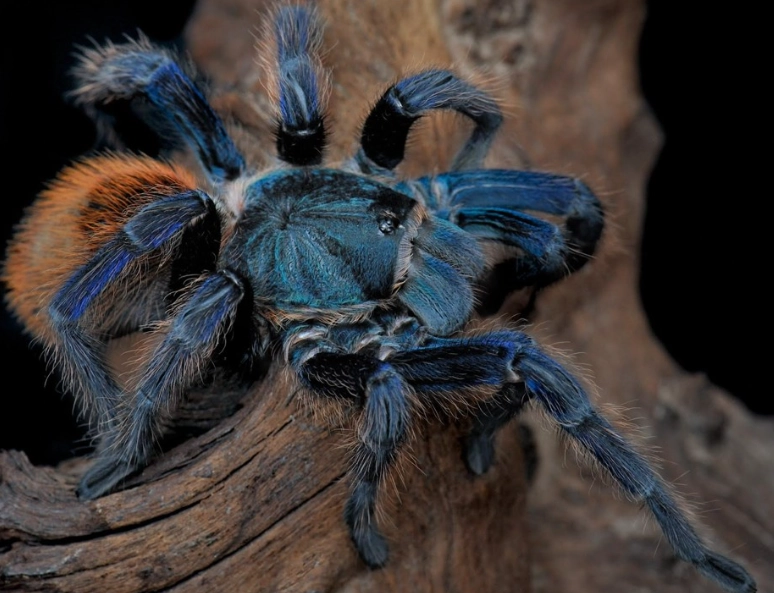
That's what we're going to do here. We're not just going to skim the surface with a one-line meaning. We're going to dive into the nitty-gritty. From the classic psychological takes (thanks, Freud and Jung) to the more modern, spiritual interpretations. We'll look at different scenarios—what if it's chasing you? What if it's just sitting there? What if you're weirdly not afraid of it in the dream? We'll also tackle the big question: should you be worried? (Spoiler: probably not in the way you think).
By the end of this, you'll have a toolkit to understand your own dream. Not a definitive answer, because dream interpretation is deeply personal, but a guide to start the conversation with your own subconscious.
First Things First: Why a Tarantula? The Symbolism Breakdown
Before we jump into specific dream plots, we need to understand the "character" of the tarantula in our mind's theater. What does this creature represent in the collective and personal imagination?
Think about a tarantula's traits. They're often seen as patient predators, waiting silently. They can appear threatening and intimidating due to their size and look. They're associated with secrecy and the hidden—living in burrows, often nocturnal. But they're also incredibly sensitive to vibrations, tuned into their environment. And let's not forget the most potent symbol: molting. They shed their entire exoskeleton to grow. That's a powerful image of transformation, vulnerability, and rebirth.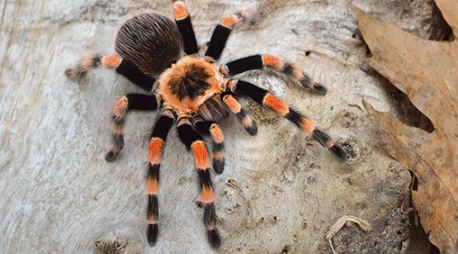
Now, contrast that with a common house spider in a dream. A small spider might represent a nagging annoyance or a intricate problem (like a web). But a tarantula? That's a major player. It represents something with significant emotional weight. Dreaming of tarantulas often points to what psychologists might call a "shadow" aspect—a part of ourselves or our situation we find frightening, powerful, and maybe don't want to directly confront.
The Psychological Lens: Fear, Power, and the Mother Complex?
From a classic psychological standpoint, spiders and tarantulas are loaded symbols. Carl Jung might have seen the tarantula as an embodiment of the devouring mother archetype—something that feels possessive, overwhelming, or controlling. It could symbolize a relationship or situation that you feel trapped in, something that's sucking your energy.
More commonly, modern dream analysis focuses on the emotion. The tarantula is a perfect projection screen for our fears. Not just simple fears, but deep-seated anxieties about:
- Loss of control: That thing is moving on its own, unpredictably. It mirrors situations where we feel things are slipping from our grasp.
- Hidden threats: It lurks. What in your life feels like it's waiting in the shadows, causing you low-grade, constant anxiety?
- Feminine power: Spiders are often linked to feminine energy (weaving destinies, creativity). A tarantula can symbolize powerful, potentially intimidating feminine energy—your own, or someone else's.
I find the American Psychological Association's resources on dreams helpful for grounding this in science. They remind us that while definitive meanings are elusive, dreams are a form of emotional processing. So dreaming of tarantulas is likely your brain's dramatic way of processing a potent fear or power dynamic.
Is it always negative? No. But the initial feeling often is. That's the entry point.
The Spiritual and Cultural Angle: Transformation and Creativity
This is where it gets interesting. In many indigenous and shamanic traditions, Spider is a powerful creator goddess (think Grandmother Spider in Native American lore who weaves the world). The tarantula, as a large, grounded spider, can carry this energy of fate-weaving and personal creation.
So, dreaming of tarantulas could be a nudge from your subconscious or intuition, saying: "You have immense creative power. You are weaving your reality. Pay attention." It might appear during times you're building something important—a business, a family, a piece of art—and feeling the weight of that responsibility.
The molting process is the star symbol here. To grow, the tarantula must become soft and vulnerable. It must shed the old, rigid structure. If you're dreaming of tarantulas during a life transition—a breakup, career change, personal awakening—the dream might be reflecting your own "molting." It's uncomfortable. It's scary. You feel exposed. But it's necessary for growth.
See the shift? From "this is a monster chasing me" to "this is a symbol of my own powerful, vulnerable transformation." Perspective changes everything.
Your Dream, Decoded: Common Scenarios and Their Meanings
Okay, theory is great. But what about YOUR specific dream? The context is king. Here’s a breakdown of the most common scenarios people report when dreaming of tarantulas.
Scenario 1: The Tarantula is Chasing You
The classic nightmare fuel. You're running, it's scuttling after you. The feeling is pure panic.
Most Likely Interpretation:
You are actively avoiding something in your waking life. The tarantula represents an issue, a fear, a responsibility, or a truth you are running from. The fact that it's chasing you means it's not going away. Your subconscious is basically shouting, "Turn and face this! It's gaining on you!" What are you procrastinating on? What difficult conversation are you dodging? What personal flaw are you refusing to acknowledge? The chase dream is a call to stop running and confront whatever this symbol represents.
Scenario 2: A Tarantula is On You (Crawling, Biting)
This feels intensely violating. The threat is no longer at a distance; it's in direct contact.
Most Likely Interpretation:
The issue has "gotten on you." It's affecting you directly and personally. A crawling tarantula might symbolize an anxiety or obsession that has taken hold, feeling like it's "crawling on your skin." A bite is more acute. It could represent a recent emotional wound, a betrayal, or a sharp realization that has "poisoned" your mood or outlook. It's a signal that whatever this is, it's no longer external—it's impacting you intimately, and your psyche is registering the "sting."
Scenario 3: Seeing a Tarantula, But Feeling Neutral or Curious
This is a fascinating twist. You see it, maybe even observe it closely, but you're not afraid. You might feel respect, curiosity, or detached interest.
Most Likely Interpretation:
This is a hugely positive sign in the world of dreaming of tarantulas. It suggests you are achieving a new level of integration with whatever the tarantula symbolizes. The fear is dissolving. You might be coming to terms with a powerful aspect of your own personality (like ambition or creativity), or you're learning to calmly observe a threatening situation without being consumed by panic. It indicates mastery, acceptance, or a newfound respect for a force in your life.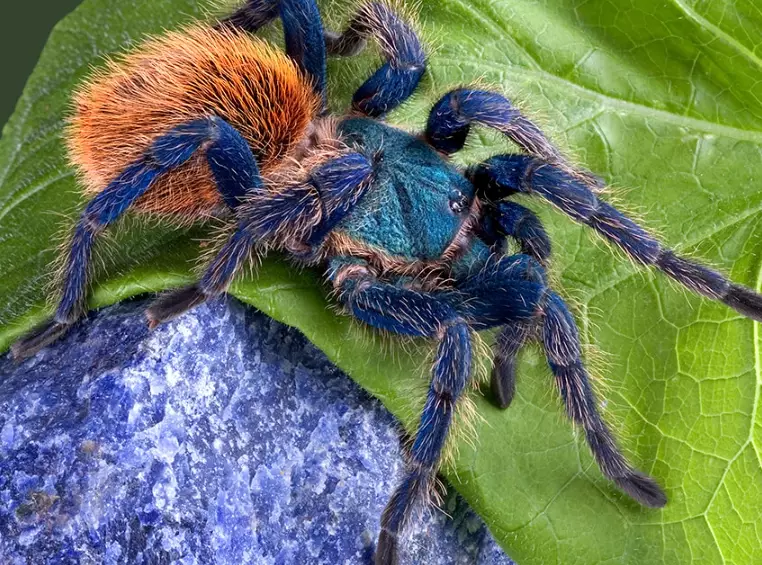
Scenario 4: Killing or Hurting a Tarantula in the Dream
You fight back. You squash it, stomp it, or otherwise defeat it.
Most Likely Interpretation:
This represents an attempt to suppress or destroy the thing the tarantula represents. You're trying to conquer your fear, silence your intuition, or forcefully eliminate a problem. The question to ask yourself is: did it work in the dream? Did the tarantula stay dead, or did more appear? This dream can reflect a forceful, perhaps aggressive, approach to a life challenge. It might feel victorious in the moment, but sometimes it's a warning that you're trying to attack a symptom rather than address a root cause.
Scenario 5: Multiple Tarantulas or a Tarantula with Babies
A swarm, a nest, or a mother carrying an egg sac or hundreds of tiny spiderlings on her back.
Most Likely Interpretation:
This amplifies the meaning. One tarantula is a major issue; many suggest the feeling is multiplying or that multiple areas of your life are being affected. A mother with babies is particularly potent. It can symbolize:
- Fertile creativity: You are "pregnant" with many ideas or projects.
- Proliferating anxieties: One worry is giving birth to many others.
- The responsibility of nurturing something powerful: Perhaps you've started something (a business, a family) and are now realizing the scale of care it requires.
The key is the feeling. Is it overwhelming dread? Or awe at the sheer creative potential?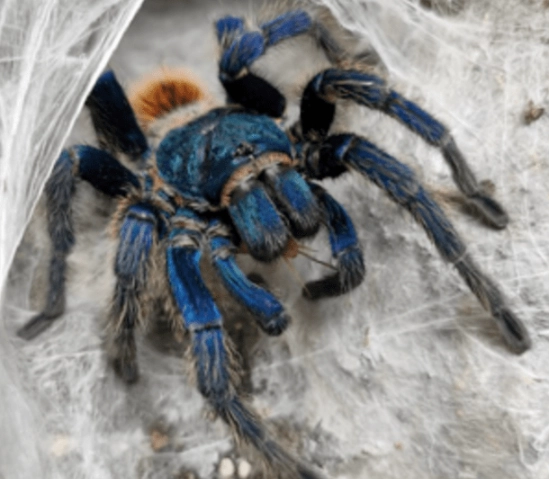
Beyond the Symbol: What To Do After Dreaming of Tarantulas
So you've had the dream, you've pondered the meaning. Now what? Do you just forget about it? I don't think that works—these dreams tend to linger. Here's a practical, step-by-step approach to integrate the message.
- Journal Immediately: Before you even get coffee, write down everything. The setting, the tarantula's actions, your actions, the colors, the emotions. Details fade fast.
- Ask the Tarantula a Question (Seriously): In your journal, or just in your mind, try this. Imagine the dream tarantula in front of you. Ask it: "What do you represent? What are you trying to show me?" Listen for the first word, phrase, or image that pops up. Don't censor it.
- Cross-Reference with Waking Life: Look at your current life. Where do you feel a sense of lurking threat? Overwhelming power? Where are you in a period of transformation or feeling vulnerable? Where do you need to be more patient? The parallels are often surprisingly direct.
- Consider a Creative Outlet: Sometimes talking or writing isn't enough. Draw the tarantula. Mold it from clay. Write a short story about it. Engaging creatively can unlock insights that linear thinking misses.
- Decide on One Action: Based on your reflection, what is one small, concrete step you can take? If it's about a fear you're running from, can you research it? If it's about creativity, can you dedicate 15 minutes to a project? Action discharges the anxious energy and turns the dream from a haunting into a guidepost.
Look, I've had dreams where I did nothing and they just repeated, like a broken record. The times I actually engaged with the symbol—even just by sketching it—were the times the dream shifted or stopped, because I'd "gotten the message."
Frequently Asked Questions (The Stuff You're Actually Searching For)
A Quick-Reference Table: Dream Scenario Cheat Sheet
For when you wake up and need a fast, initial guide. Remember, this is a starting point, not the final word.
| Dream Scenario | Primary Emotion in Dream | Likely Core Meaning | Question to Ask Yourself |
|---|---|---|---|
| Tarantula Chasing You | Panic, Escape | Avoiding a major issue/fear | What am I running from in my life right now? |
| Tarantula On You / Biting | Violation, Fear, Pain | Issue is directly affecting you; an emotional "sting" | What recent event or thought has gotten under my skin? |
| Observing Calmly | Curiosity, Neutrality, Respect | Integration of power; facing fears without panic | Where am I learning to accept a powerful force in my life? |
| Killing the Tarantula | Anger, Victory, Aggression | Attempting to forcefully suppress a problem or part of self | Am I trying to destroy a symptom instead of healing the cause? |
| Many Tarantulas / Mother & Babies | Overwhelm, Awe, Dread | Proliferation of issues; fertile creativity; major responsibility | Where do I feel things are multiplying out of control (or creativity)? |
When to Dig Deeper and When to Let It Go
Not every dream needs a full psychoanalysis. A one-off, vague dream of a tarantula might just be your brain's weird screensaver after watching a nature documentary. You can usually let those go.
But pay attention if:
- The dream is recurring, with similar themes.
- The feeling upon waking is extremely intense and lingers for hours or days.
- The dream clearly mirrors a waking-life situation you're struggling with.
- Dreaming of tarantulas starts happening during a major life transition or period of stress.
In these cases, the dream is likely a persistent signal from your inner self. It's worth the time to engage with it using the steps above.
On the flip side, if exploring the dream just makes you more anxious without offering any insight or sense of direction, it's okay to step back. Sometimes the best action is to focus on calming daytime practices—mindfulness, reducing stress, good sleep hygiene—which can, in turn, calm the dream landscape. The British Tarantula Society, while focused on the actual creatures, is an example of a dedicated society that demystifies them through knowledge. Sometimes, understanding the reality of a symbol can lessen its dream-time power.
Wrapping This Up: Your Tarantula as a Guide
Dreaming of tarantulas is a powerful experience. It can shake you up. But my hope is that after reading this, you see it less as a random nightmare and more as a dramatic, symbolic communication.
That tarantula in your dream isn't just a monster. It might be a picture of your fear, yes. But it might also be a picture of your patience, your hidden power, your creative force, or your capacity for profound transformation. It's a symbol that demands respect, not just recoil.
The next time you find yourself dreaming of tarantulas, take a deep breath. Get curious. Ask it what it wants. Your subconscious went to the trouble of creating this vivid, hairy metaphor. The least you can do is listen to what it's trying to say. You might be surprised at the strength and insight you find lurking in the dream's shadow.
After all, the thing we fear most in the dream might just be holding the key to our growth.





Comments
Join the Conversation