In This Guide
- Beyond the Bite: What a Snake Really Represents in Dreams
- Your Dream, Decoded: Common Scenarios and Their Meanings
- A Psychological Deep Dive: What Freud, Jung, and Modern Therapists Say
- Cultural and Spiritual Meanings: It's Not All Psychology
- From Dream to Action: What To Do After This Dream
- Frequently Asked Questions (The Stuff You're Actually Searching For)
- Wrapping It Up: Your Dream, Your Power
Let's be honest. Waking up after dreaming you killed a snake is a weird feeling. One minute you're in this intense, often visceral struggle, and the next you're lying in bed, your heart maybe still pounding a bit, wondering what on earth that was all about. It's not like dreaming you forgot your pants at work (we've all been there). This feels heavier, more symbolic. You might feel a strange mix of relief, triumph, and a nagging sense of unease. What does it mean?
I remember a period in my life where I had a series of these dreams. The snakes were always different—sometimes a giant python in my living room, other times a nest of vipers in a garden. The act of killing them varied too. It was confusing, and honestly, a little disturbing. It sent me down a rabbit hole of research, talking to therapists, and digging into old dream dictionaries. What I found was that a snake killed in a dream is rarely just one thing. It's a complex symbol that your mind is using to work through something significant.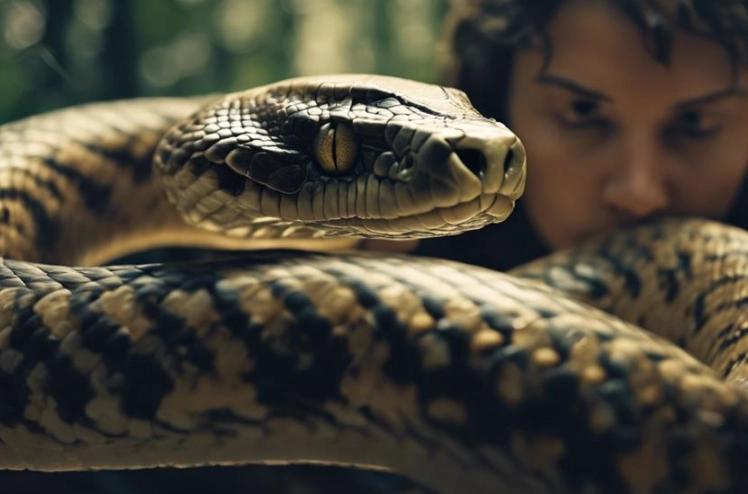
And you're not alone in searching for answers.
The search for "snake killed in dream meaning" is incredibly common. People aren't just looking for a one-line fortune cookie answer. They're seeking understanding. They want to know if this powerful image points to overcoming a fear, ending a toxic situation, or something deeper within their own psychology. This guide is here to walk you through all of that. We'll ditch the vague mystical jargon and look at this from psychological, cultural, and practical angles. Consider this your go-to handbook for unpacking that intense dream experience.
Beyond the Bite: What a Snake Really Represents in Dreams
You can't understand what killing the snake means until you get what the snake itself is doing in your dreamscape. Snakes are perhaps the most loaded symbols in the history of dreaming. They're not inherently evil, despite what some pop culture dream sites say. Think of them as a neutral symbol of potent energy that your mind dresses up based on your current life.
In the realm of psychology, following thinkers like Carl Jung, the snake often represents the unconscious mind—the parts of yourself you don't fully acknowledge or understand. It can symbolize primal instincts, creativity (think of the healing symbol of the caduceus), or transformative energy. A snake shedding its skin is a classic symbol of renewal and growth.
But let's be real. For most of us in the dream, the snake feels like a threat. It can symbolize:
- A specific fear or phobia: Literally, a fear of snakes, or metaphorically, a fear of betrayal, illness, or failure.
- A toxic person or relationship: That coworker who undermines you, the friend who drains you, or a manipulative partner. The snake's sneaky, potentially poisonous nature fits perfectly.
- A hidden problem or lie: Something you're avoiding, a secret that's eating at you, or a problem you haven't dared to face head-on.
- Your own "shadow self": The parts of your personality you reject or suppress—like anger, jealousy, or desire—that can feel dangerous if left unaddressed.
So when you dream of killing a snake in your dream, you're engaging in a symbolic battle with one of these elements. It's a sign of active confrontation, not passive fear.
Your Dream, Decoded: Common Scenarios and Their Meanings
Not all snake-killing dreams are created equal. The context is king. Here’s a breakdown of the most frequent scenarios people report and what they might be pointing to in your waking life.
Killing a Snake in Self-Defense
This is the most common one. The snake attacks, or is poised to strike, and you fight back to protect yourself or others. The feeling here is usually justified and focused on survival.
Likely Meaning: You are actively defending your boundaries, your well-being, or your values against a real-world threat. You've reached a point where you're no longer willing to just take it. This is a dream of empowerment and setting limits. It might relate to finally standing up to a bully, leaving a damaging situation, or confronting a health scare head-on.
Killing a Snake Aggressively or Hunting It
Here, you might be seeking the snake out or killing it even when it doesn't seem to be an immediate threat. The energy is more aggressive, less reactive.
Likely Meaning: This can suggest you are proactively trying to eliminate a problem or a part of yourself. There's a determined, maybe even ruthless, drive to cut something out of your life. Ask yourself: Is this a necessary purge, or am I being too harsh? Could this represent suppressing a valid emotion (like anger) instead of healthily addressing it? Sometimes this dream comes before making a big, decisive change—like quitting a job or ending a relationship—where you feel you must "kill" the old situation to move on.
Killing a Giant or Massive Snake
The scale of the opponent matters. A giant snake represents a massive challenge, a deep-seated fear, or a problem that has felt overwhelming and all-consuming.
Likely Meaning: You are facing your "big one." This isn't a minor annoyance; it's a major life obstacle. Dreaming of successfully killing a giant snake in a dream is a hugely positive sign from your subconscious. It's telling you that you have the inner resources to tackle this monumental issue, even if you doubt it while awake. It's a vote of confidence from your deepest self.
Killing Multiple Snakes or a Nest of Snakes
One snake is a focused problem. Multiple snakes feel like a swarm of issues, anxieties, or small stressors piling up.
Likely Meaning: You're dealing with what feels like a chaotic mess of problems—maybe financial pressures, family drama, and work stress all at once. The dream of killing them all indicates a desire for total control and a clean slate. It might be a sign that you need to systematically address a cluster of smaller issues rather than waiting for one big solution. Alternatively, it could represent tackling a toxic environment (like a gossipy workplace) where the negativity feels like it's coming from many directions.
Killing the Snake But Feeling Guilty or Sad
This is a crucial twist. The action is successful, but the emotion afterward is negative. You might look at the dead snake and feel remorse, pity, or emptiness.
This feeling is your biggest clue.
Likely Meaning: Your subconscious might be questioning the method or the necessity of your "victory." Did you overreact in a conflict? Are you ending something (a job, a relationship, a habit) that, despite its problems, also had value or was a part of your identity? This dream asks for reflection. Perhaps the thing you're "killing" (like your ambition to please everyone) needed to be transformed, not destroyed. It complicates the simple narrative of triumph and suggests a more nuanced inner conflict.
A Psychological Deep Dive: What Freud, Jung, and Modern Therapists Say
If you really want to move past simple interpretations, you have to look at the frameworks professionals use. Now, I'm not a therapist, but I've spent enough time in therapy and reading the work of experts to give you a layman's breakdown. The classic perspectives actually differ quite a bit on the dream interpretation of snake killed imagery.
Let's compare them in a table, because it helps to see the contrast side-by-side.
| Perspective | View of the Snake Symbol | Interpretation of *Killing* the Snake | A Critical Take (My Personal View) |
|---|---|---|---|
| Freudian Psychoanalysis | Often linked to phallic symbolism, representing sexual energy, temptation, or repressed desires. | Could indicate suppression of sexual urges, conflict with masculine energy, or overcoming a sexual temptation. It might symbolize castration anxiety. | Honestly, this feels too narrow and dated for most modern dreamers. While sexuality can be a factor, reducing every snake dream to this feels reductive. It ignores the vast landscape of non-sexual fears and challenges we face. |
| Jungian Analytical Psychology | The snake is a major archetype: a symbol of the psyche, instinct, wisdom, and transformative healing. It can be the "shadow" or primal life force. | Killing the snake is a critical moment of engaging with the shadow. It's not necessarily good or bad. It could be the necessary defeat of a destructive impulse, OR a dangerous suppression of vital instinctual energy needed for growth. | This is the framework I find most useful. It's flexible. Killing the snake isn't automatically a win. The focus is on integration. Did you integrate the snake's energy (facing your fear) or just obliterate it (running from your problem)? The American Psychological Association notes that while not all dreams are prophetic, they can offer insight into emotional concerns, aligning with this idea of dreams as processing tools. |
| Modern Cognitive & Neuroscience | The snake, as a primal threat, activates ancient fear pathways in the brain (the amygdala). The dream may be the brain's way of rehearsing threat response or processing anxiety from waking life. | Killing the snake is a successful resolution of the threat simulation. It's your brain practicing effective coping and problem-solving, potentially reducing anxiety about a real-life stressor. It's less about symbolism and more about cognitive-emotional regulation. | This takes the mystery out, which is comforting for some. It frames the snake killed in dream experience as a form of nocturnal therapy. Your brain is running drills to make you more resilient. This view is backed by research into how REM sleep helps with emotional memory processing. |
So, which one is right? They all offer a piece of the puzzle. Your own belief system and life context will determine which lens feels most true. For me, blending the Jungian and modern neuroscience views works best. The dream is both a meaningful symbolic drama and a cognitive workout.
Cultural and Spiritual Meanings: It's Not All Psychology
Your cultural background can deeply color this dream. A universal symbol like a snake carries wildly different baggage around the world.
- In Western/Christian Traditions: The snake is heavily associated with the Devil in Genesis, symbolizing temptation, sin, and evil. Here, killing a snake in a dream can feel like a clear moral victory—overcoming sin, defeating evil influences, or resisting temptation. It's a powerful spiritual triumph.
- In Hinduism and Buddhism: Snakes (like the Naga) are often protective deities, symbols of kundalini energy, and guardians of spiritual treasures. Killing one might be interpreted as disrupting spiritual energy or failing to respect a powerful force. It could be a warning, not a victory.
- In Ancient Greek and Roman Culture: Snakes were associated with Asclepius, the god of medicine and healing. Killing a snake might symbolically represent rejecting healing or cutting off a source of wisdom.
- In Indigenous Australian and some African Cultures: The Rainbow Serpent is a creator deity, a life-giving force. A dream of killing it could be seen as profoundly negative, representing a disconnect from creation, ancestors, or the natural world.
See the problem with a one-size-fits-all interpretation? If you come from a Christian background, your immediate feeling might be relief and righteousness. If you've studied Eastern philosophies, you might wake with concern. This is why I always tell people to start with their own gut feeling and cultural lens before accepting a generic online interpretation.
From Dream to Action: What To Do After This Dream
Okay, you've explored the meanings. Now what? The dream isn't just a curiosity; it's data about your inner state. Here’s a practical, step-by-step guide on how to use this data.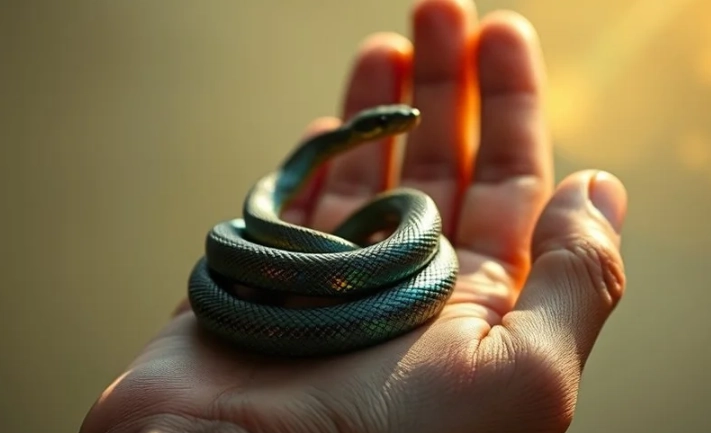
Step 1: Capture the Details (Before They Slither Away)
Dreams fade fast. Keep a notebook or use a voice memo app by your bed. Don't just write "killed snake." Drill down. Ask yourself:
- Where was I? (Your childhood home, current office, a strange forest?)
- What did the snake look like? (Color, size, species if you knew it?)
- How did I kill it? (Bare hands, a weapon, trapping it?)
- What was my primary emotion during and after? (Fear, rage, calm, guilt?)
- What happened right after the snake was dead? (Did it disappear? Did others appear? Did the scene change?)
Step 2: The Reality Check – Connect the Dots
With your notes in hand, do a quiet review of your waking life. Don't force it, but let associations arise. Use this checklist:
- Current Stressors: Is there a person, situation, or responsibility that feels threatening, draining, or "poisonous"?
- Fears I'm Avoiding: Is there a big conversation, a financial problem, or a health check-up I've been putting off?
- Inner Conflict: Am I at war with myself about a decision? Am I suppressing an emotion (like anger or ambition) because I think it's "bad"?
- Recent Changes: Have I recently ended something, stood up for myself, or made a big change? The dream might be processing that completed action.
The connection might not be literal. The "snake" could be your anxiety about an upcoming presentation (the "venom" of fear), not an actual person.
Step 3: Decide on Your Response (If Any)
Not every dream requires action. Sometimes, just understanding it is enough to dissolve its power. But if a clear link to a waking-life issue emerges, consider:
- If the dream felt empowering: Use that feeling as fuel. That inner confidence is real. Plan one small, concrete step to address the real-world "snake." Send that difficult email. Schedule that tough talk. Research solutions to your problem.
- If the dream felt violent or left you guilty: Pause. Is your approach to a problem too aggressive? Could you set a boundary instead of burning a bridge? Could you seek to understand or transform the situation rather than obliterate it? This might be a call for a more nuanced strategy.
- If the dream is recurring: Your psyche is knocking louder. The issue isn't resolved. Consider this a persistent nudge to pay closer attention. Journaling about it over time can reveal patterns. If it's causing significant distress, talking to a therapist can be incredibly valuable. Organizations like the International Association for the Study of Dreams (IASD) provide resources for finding serious dreamwork professionals, not just mystics.
Frequently Asked Questions (The Stuff You're Actually Searching For)
Wrapping It Up: Your Dream, Your Power
Dreaming about a snake killed in dream is a gift, not a curse. It's a dramatic, high-definition broadcast from the depths of your mind, showing you that you're in a state of conflict and resolution. It's evidence that you're not just passively accepting a threat or a fear; you're wrestling with it.
The worst thing you can do is shrug it off as a weird pizza-night flash. The best thing you can do is what you're doing right now: seeking understanding. Use the frameworks, the scenarios, and the questions in this guide not to get a final answer, but to start a conversation with yourself.
That dream character who killed the snake? That's you. That's your resilience, your fight, your survival instinct, and your capacity for change showing up in the most ancient theater we have—the world of dreams. Pay attention to it. Learn from it. And then, maybe, you can handle whatever waking-life serpent is trying to get your attention.
Sweet dreams, and good luck with your waking ones.









Comments
Join the Conversation