Quick Navigation: Your Guide to Funeral Dream Insights
You wake up in a cold sweat, heart racing after dreaming of a funeral. It feels eerie, maybe even terrifying. But here's the thing—most funeral dreams aren't about literal death. In my ten years of analyzing dreams, I've seen countless people panic over this, only to realize it's their mind processing change. Let's cut through the noise. Dreaming of a funeral usually symbolizes an ending, transition, or release in your waking life. Think of it as your subconscious holding a ceremony for something that's over, like a job, a relationship, or an old version of yourself. This article dives deep into the meaning, with practical steps to decode your dream without the fluff.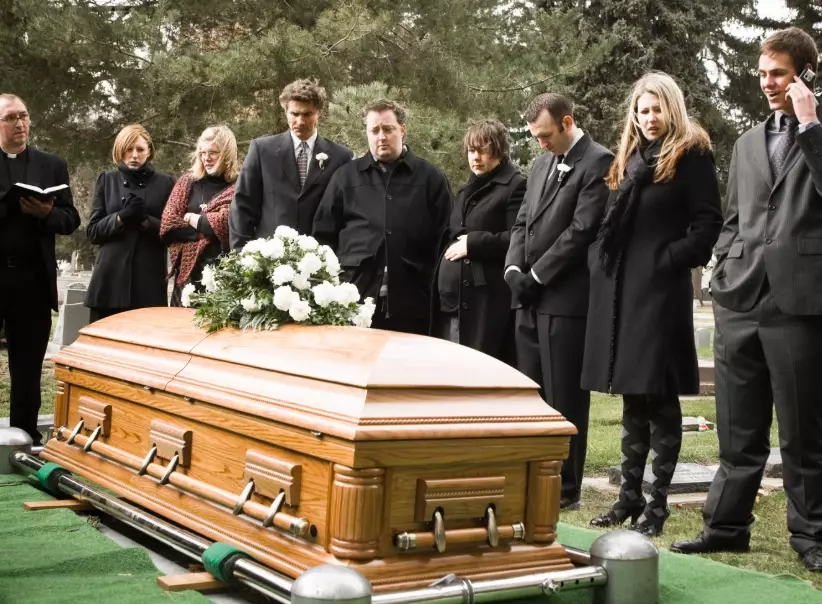
What Does Dreaming of a Funeral Really Mean?
If you search online, you'll find generic lists saying funeral dreams equal bad luck. That's a shallow take. The meaning hinges on context—your emotions in the dream, your current life, and even cultural background. From a psychological standpoint, experts like Carl Jung viewed such dreams as archetypes of transformation. The American Psychological Association notes that dreams often reflect waking concerns, not prophecies. So, if you're stressed about a project ending, a funeral dream might mirror that anxiety.
Psychological Perspectives vs. Spiritual Beliefs
Psychology sees funeral dreams as metaphors. Your brain uses symbols to process emotions you might ignore during the day. For instance, dreaming of a coffin could represent burying a grudge. On the flip side, some spiritual traditions interpret these dreams as messages from the subconscious or omens. But in my experience, leaning too hard on spiritual meanings can lead to unnecessary fear. I once worked with a client who dreamed of her own funeral; she thought it predicted illness, but it actually signaled her desire to quit a draining career. The dream was a nudge, not a curse.
The Role of Personal Context
Your personal life is the biggest clue. Are you going through a breakup? Starting a new chapter? Funeral dreams often pop up during major transitions. I remember a friend who dreamed of attending a funeral right after retiring. He felt lost, and the dream symbolized the death of his work identity. Without this context, the dream seems ominous, but with it, the meaning clears up.
Key Takeaway: Don't jump to conclusions. A funeral dream is rarely about physical death—it's about symbolic endings. Your emotions during the dream (sadness, relief, fear) tell you more than the scene itself.
Common Funeral Dream Scenarios and Their Interpretations
Funeral dreams vary widely. Here are the most frequent scenarios I've encountered, with interpretations based on real cases. Use this as a starting point, but tweak it for your situation.
| Dream Scenario | Typical Interpretation | Real-Life Example |
|---|---|---|
| Attending a funeral | You're witnessing an ending in your life, like a friendship fading or a project completing. It can also mean you're accepting change. | A woman dreamed of her cousin's funeral while moving cities—it reflected her goodbye to old routines. |
| Being the deceased | This often symbolizes personal transformation. You're letting go of an old habit or identity to embrace something new. | A man dreamed of his own funeral after quitting smoking; it marked the death of his smoker self. |
| Organizing a funeral | You're actively managing an ending, perhaps finalizing a divorce or closing a business. It shows control over the process. | An entrepreneur dreamed of planning a funeral during company downsizing, highlighting her role in the transition. |
| A chaotic or sad funeral | This points to unresolved grief or anxiety about loss. You might be avoiding emotions in waking life. | A student dreamed of a crying crowd at a funeral before exams, mirroring fear of failure. |
| A peaceful or joyful funeral | Surprisingly positive—it suggests healthy closure or relief after a tough period. | A client dreamed of a serene funeral after ending a toxic relationship, feeling freed. |
Notice how the same symbol shifts meaning? That's why cookie-cutter interpretations fail. I've seen people misread a peaceful funeral as bad luck, missing the relief it offers. Always cross-check with your life.
How to Interpret Your Funeral Dream Step by Step
Let's get practical. Here's a method I've refined over years—it's simple but effective. Grab a notebook; you'll need it.
Step 1: Record the Dream Immediately
Write down everything upon waking. Details matter: who was there, the setting, your feelings. Dreams fade fast, so don't skip this. I use a voice memo app sometimes—it's quicker.
Step 2: Identify Key Elements
Break the dream into parts: the funeral itself, people, objects, emotions. For example, if you dreamed of a rainy funeral with family, note each piece. Rain might symbolize sadness, family could mean relational issues.
Step 3: Link to Waking Life
Ask yourself: What's ending or changing right now? It could be small, like a daily habit, or big, like a career shift. Jot down parallels. One client linked a funeral dream to deleting social media—it was an ending of her online persona.
Step 4: Consider Emotions
Your dream feelings are huge. If you felt scared, explore fears in your life. Relieved? Maybe you're ready to move on. I often see people ignore this and focus only on visuals, which skews interpretation.
Step 5: Avoid Literal Assumptions
Don't assume death or disaster. Treat the dream as a metaphor. If you're stuck, talk it out with someone or sleep on it. Dreams can unfold meaning over time.
This process takes 10-15 minutes but saves weeks of worry. I've guided folks through it, and the aha moments are rewarding—like realizing a funeral dream marked the end of procrastination.
Expert Tips: Avoiding Mistakes in Dream Analysis
Newbies often mess this up. Here are pitfalls I've seen, plus my non-consensus advice.
Mistake 1: Relying on Generic Symbol Dictionaries
Those online lists? They're too vague. A coffin doesn't always mean death; for one person, it represented a stifling job. Context is king. I tell clients to create personal symbol banks based on their experiences.
Mistake 2: Overlooking Emotional Nuance
You might dream of a funeral and feel neutral, but dismiss it as unimportant. That neutrality could signal acceptance—a big deal! Pay attention to subtle feelings. In my practice, I've noticed that detached emotions often mean subconscious resolution.
Mistake 3: Ignoring Recurring Dreams
If funeral dreams keep popping up, they're shouting for attention. Don't brush them off. They usually highlight unresolved issues. A colleague had recurring funeral dreams during a stagnant marriage; addressing the relationship made them stop.
My Unique Tip: Use "What If" Scenarios
After interpreting, ask: "What if this dream is encouraging me?" Flip the narrative. Instead of fearing an ending, see it as space for new beginnings. This mindset shift reduces anxiety and adds actionable insight.
Dream analysis isn't about right answers—it's about exploration. I've made errors too, like once misinterpreting a funeral dream as negative when it was actually celebratory. Learn from the process.
FAQ: Your Funeral Dream Questions Answered
Wrapping up, dreaming of a funeral is more about your inner world than outer events. It's a tool for self-reflection. Next time you have one, don't panic—explore. Your subconscious might be guiding you toward closure or new starts. Keep it simple, stay curious, and use the steps here to find your own meaning.










Comments
Join the Conversation