You bolt upright in bed, heart pounding, sweat cooling on your skin. The image is vivid—a dream where you're the murderer. It feels so real, so wrong. Your first thought: "Am I a monster?" Let me stop you right there. No, you're not. Dreams about murdering someone are more common than you think, and they rarely mean what they seem. After years of studying dream patterns and talking to people in therapy, I've found these violent dreams often point to internal struggles, not criminal intent. In this article, we'll cut through the fear and explore what your subconscious is really trying to tell you.
What You'll Learn in This Guide
What Does It Mean When You Dream About Killing Someone?
Most people jump to worst-case scenarios. But in dream interpretation, murder is rarely about literal violence. Think of it as symbolism. Your mind uses extreme images to express emotions you might be suppressing during the day. For example, anger, frustration, or a desire for control. The American Psychological Association notes that dreams often reflect unresolved stress, not predictive events. So, if you dream of killing someone, it's probably your psyche's way of dealing with something you want to "eliminate" from your life.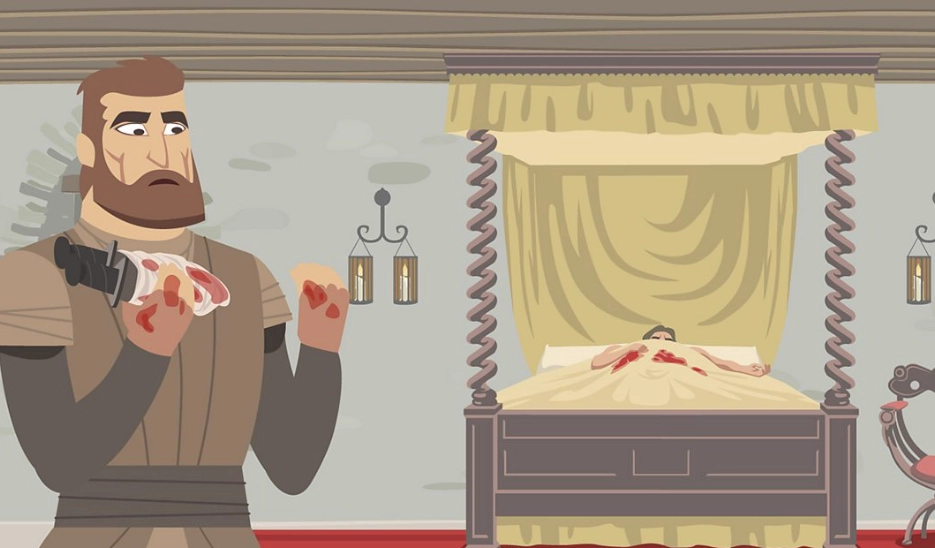
I remember a client who dreamt of murdering her colleague every night for a week. She was terrified she had deep-seated hatred. Turns out, she was overwhelmed at work and felt her ideas were being "killed" in meetings. The dream was about asserting herself, not harming anyone. This is a classic case where the subconscious speaks in metaphors.
Common Scenarios and Their Hidden Messages
Not all murder dreams are the same. The details matter. Here's a breakdown of frequent scenarios I've encountered:
| Dream Scenario | Likely Interpretation | What to Reflect On |
|---|---|---|
| Killing a stranger | Represents an unknown fear or aspect of yourself you want to reject. Often linked to anxiety about new situations. | Ask: What recent change is causing stress? |
| Murdering a family member | Symbolizes conflict with dependency or tradition. Might indicate a need for independence or setting boundaries. | Consider: Is there a family expectation you resent? |
| Killing a boss or authority figure | Reflects power struggles or frustration with control. Common in high-stress jobs. | Look at: Workplace dynamics and your sense of agency. |
| Being forced to murder | Suggests feeling pressured or out of control in waking life. You might be compromising your values. | Evaluate: Where do you feel coerced? |
Notice how none of these point to actual violence. It's about the emotion behind the act. A mistake I see beginners make is taking the dream at face value. Don't. The setting, weapon, and your feelings during the dream are clues. If you felt guilt, it might relate to remorse over a decision. If you felt relief, it could signal a desire to end a toxic situation.
How to Analyze Your Murder Dreams: A Step-by-Step Guide
So you had a disturbing dream. What now? Instead of freaking out, use it as a tool for self-discovery. Here's a practical method I've refined over time. It's simple but effective.
Step 1: Write it down immediately. Keep a notebook by your bed. Upon waking, jot down everything—emotions, colors, objects. Dreams fade fast, and details like the weapon (a knife vs. a gun) can change the meaning. A knife might indicate a personal, close conflict, while a gun could symbolize distant aggression.
Step 2: Identify the "victim." Who did you kill? Is it someone you know? If so, what do they represent to you? For instance, a friend might symbolize a part of your social life you want to change. Sometimes, it's not the person but a trait. I once dreamt of killing a talkative neighbor; later, I realized it was about my own chatterbox anxiety in groups.
Step 3: Check your waking life. Link the dream to recent events. Did you have an argument? Feel powerless? Research from the National Sleep Foundation suggests dreams often process daily experiences. List your stressors from the past week. You might see a pattern.
Step 4: Reframe the symbolism. Replace "murder" with "change" or "end." For example, "I dreamt of killing my project manager" becomes "I want to end the stress from this project." This shifts focus from fear to solution.
Step 5: Take action if needed. If the dream highlights a real issue, address it. Talk to someone, make a change, or seek therapy. Dreams are messengers, not masters.
This process takes practice. Don't expect instant clarity. But over time, you'll start seeing your dreams as a dialogue with yourself, not a horror show.
Real Stories: Case Studies of Murder Dreams
Let's make this concrete with some examples. Names are changed for privacy, but these are based on real accounts from my practice.
Case Study 1: Sarah's Recurring Nightmare
Sarah, 34, kept dreaming of stabbing her husband. She loved him dearly, so the dream horrified her. In our sessions, we explored her emotions. She felt guilt in the dream, but also a strange release. Turns out, she was suppressing anger over his career move that forced her to relocate. The "murder" symbolized killing her resentment to save the marriage. Once she communicated her feelings, the dreams stopped. The key here was the emotion—guilt paired with relief pointed to a sacrifice she was making.
Case Study 2: Mark's Workplace Drama
Mark dreamt of shooting his boss in a crowded office. He woke up anxious, fearing he'd snap at work. But the dream wasn't about violence; it was about visibility. Mark felt overlooked for a promotion. The "public" setting of the dream reflected his desire for recognition. We worked on his assertiveness, and he eventually applied for a new role. The dreams faded as he took control. Notice how the scenario (public shooting) matched his waking need (public acknowledgment).
These cases show how murder dreams often mask practical issues. It's not about the act; it's about the underlying conflict. A common pitfall is over-spiritualizing the dream. While some turn to astrology or tarot, I've found psychological grounding works best for lasting insight.
When to Be Concerned: Normal Dreams vs. Warning Signs
Most murder dreams are harmless. But sometimes, they can signal deeper issues. How do you know the difference? Based on clinical guidelines, here's what to watch for.
Normal signs: Occasional dreams, especially during stressful periods. Emotions in the dream are mixed (e.g., fear, curiosity). You wake up and move on with your day. These are your brain's way of processing.
Warning signs: Recurring dreams that cause daytime distress. If you find yourself obsessing over the dream, avoiding sleep, or experiencing violent thoughts while awake, it's time to seek help. Another red flag is if the dream involves specific, realistic plans—this is rare, but should prompt a chat with a mental health professional. Organizations like the American Psychological Association recommend therapy if dreams disrupt daily life.
I've seen people spiral into anxiety over a single dream. Don't. Context matters. If you're generally mentally healthy, these dreams are likely symbolic. But if you have a history of trauma or mental health conditions, they might need more attention. Trust your gut. If it feels off, talk to someone.
Also, consider sleep hygiene. Poor sleep, caffeine, or late-night screen time can trigger vivid dreams. Fixing those might reduce frequency. It's not always deep psychology; sometimes, it's just bad habits.
Your Burning Questions Answered

Dreams about murdering someone can be unsettling, but they're often a gateway to self-awareness. By decoding the symbolism, you turn fear into insight. Remember, your mind speaks in metaphors. Listen closely, and you might find answers to waking life challenges. If in doubt, don't hesitate to reach out to a professional—sometimes, a fresh perspective helps. Sweet dreams, or at least, insightful ones.








Comments
Join the Conversation