Quick Guide
- The Literal Foundation: What Is a Tarantula, Really?
- The Cultural Tapestry: What Does the Tarantula Represent Around the World?
- Spider in the Psyche: Symbolism in Dreams, Spirituality, and Art
- The Reality Check: What Does the Tarantula Represent in Your Living Room? (Pet Ownership)
- Untangling Common Questions (FAQs)
You type that question into Google, "What does the tarantula represent?" and honestly, you're probably not just looking for a one-line dictionary definition. If you're like I was a few years back, you're probably coming at this from a weird angle. Maybe you keep seeing spiders in your dreams and it's starting to freak you out. Or you're writing a story and need a powerful symbol. Maybe you're even considering getting one as a pet (wild, I know) and want to understand the vibe you're inviting into your home. Or perhaps, you're just trying to get over a deep-seated fear of the things, and understanding them seems like a good first step.
Whatever brought you here, the answer is a tangled, fascinating web—pun absolutely intended. The meaning isn't neat or singular. What a tarantula represents swings wildly depending on who you ask, where they're from, and what context you drop it into. To a biologist, it's a marvel of evolution. To an ancient Greek storyteller, it was a warning from the gods. To a modern tattoo enthusiast, it might be a badge of resilience.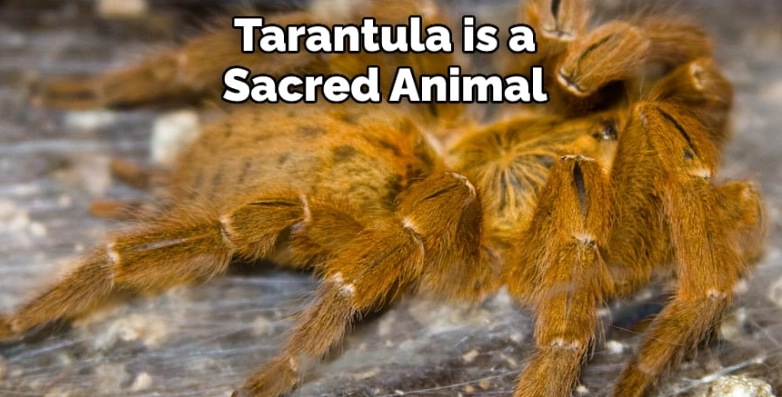
Let's be honest. For most people, the immediate reaction is fear. Big, hairy, eight-legged fear. But that's just the top layer, the instinctual shiver. Peel that back, and you find layers of creativity, patience, shadow work, and even protection. I remember the first time I held a Chilean rose hair tarantula at an expo. My heart was hammering, but the keeper just calmly placed it in my palm. It was warm, deliberate, and moved with a slow, purposeful grace that completely contradicted the "scary monster" image in my head. That experience got me hooked on digging deeper.
So, let's dig. We're going to look at this from every angle we can think of.
The Literal Foundation: What Is a Tarantula, Really?
Before we jump into dreams and symbols, we have to ground ourselves in the actual animal. You can't understand what the tarantula represents symbolically if you don't know what it *is* biologically. This isn't just boring science stuff; it's the raw material that all the myths and meanings are built from.
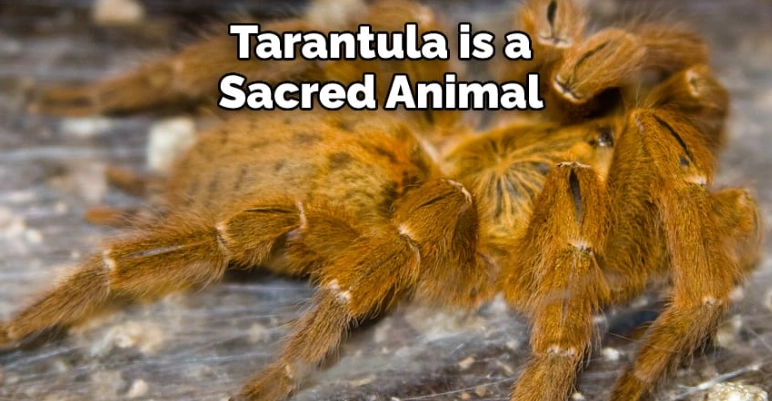
Tarantulas are the heavyweights of the spider world, part of the family Theraphosidae. They're ancient, they're global (except Antarctica, thankfully), and they're incredibly diverse. They're not the speed-demons some smaller spiders are. Their power is in patience and strength.
A common misconception is that tarantulas are aggressive or highly venomous to humans. For the vast majority of species, their venom is comparable to a bee sting for us. Their primary defense is actually those infamous urticating hairs on their abdomen, which they kick off like irritating confetti. It's a brilliant, low-energy defense mechanism.
Think about their core behaviors: spending long periods in wait, meticulously crafting intricate homes (burrows or webs), the dramatic process of molting to grow, and the females' legendary longevity. These aren't just facts; they're the building blocks of symbolism. Patience, creativity, rebirth, endurance—these traits didn't get assigned randomly.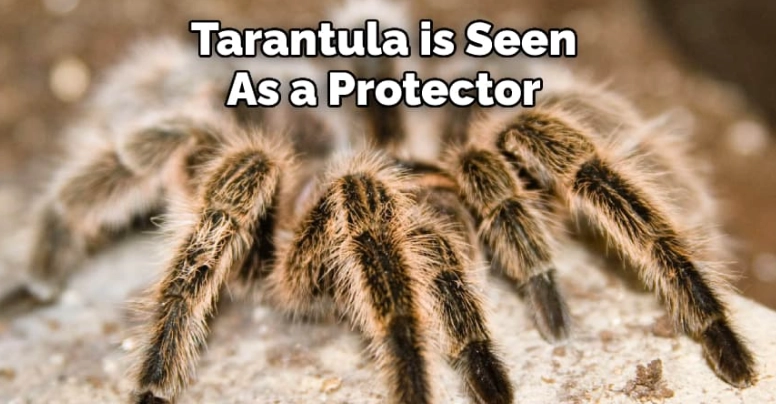
If you want to get the facts straight from a reputable source, the British Arachnological Society has fantastic, accessible resources on tarantula biology and ecology. It's a good place to start separating Hollywood fiction from arachnid fact.
The Cultural Tapestry: What Does the Tarantula Represent Around the World?
This is where it gets juicy. The symbolic meaning of the tarantula isn't universal; it's a mirror reflecting the fears, values, and stories of different cultures. Let's map some of this out, because the contrasts are stark and telling.
| Culture/Region | Primary Symbolism | Key Story or Belief | Modern Resonance |
|---|---|---|---|
| Ancient Greece & Rome | Arrogance, Hubris, Divine Punishment | The myth of Arachne, the talented weaver who challenged Athena and was turned into the first spider. This is a foundational Western story about the dangers of challenging the gods. | The "Arachnophobia" trope; spiders as crafty but doomed or cursed creatures. |
| Various African Traditions | Trickster, Creator, Storyteller | Anansi the spider, a central figure in West African and Caribbean folklore, is a clever trickster who often outsmarts larger animals. He's a cultural hero and a symbol of the power of wit and narrative. | Anansi remains a vital figure in diaspora stories, representing resilience and intellectual creativity. |
| Indigenous Americas (e.g., Hopi, Pueblo) | Earth Wisdom, Protection, Creativity | Spider Woman (or Grandmother Spider) is a major creator deity who taught humans to weave, symbolizing the weaving of life, fate, and culture. The web is a sacred pattern. | A symbol of feminine creative power and connection to the earth; influences art and spiritual thought. |
| European Middle Ages | Evil, Satan, Deceit | Associated with witches and dark magic, believed to be witches' familiars. Their hidden, nocturnal nature linked them to the devil's work. | Feeds directly into the persistent, negative "creepy-crawly" archetype in horror media. |
| Modern Western Pop Culture | Fear, Otherness, Power | From horror movies to superhero comics (e.g., Spider-Man's villains like Tarantula), they are visual shorthand for predatory danger or unsettling power. | The dominant image for many people, reinforced by media, often overshadowing older, positive meanings. |
Looking at this table, you can see the battle for the tarantula's soul, symbolically speaking. In one corner, you have the creative, wise, trickster grandmother. In the other, the cursed, evil, predatory monster. Most of us in the West inherited the monster version, which is a real shame because it cuts us off from some profound meanings.
For a deep dive into the Anansi stories and their cultural journey, the Smithsonian Institution often has excellent online exhibits and articles on African and African American folklore. It gives context that goes far beyond a simple spider story.
So, what does the tarantula represent culturally? It represents the story we choose to tell about the unknown, the skilled, and the strangely beautiful.
Spider in the Psyche: Symbolism in Dreams, Spirituality, and Art
Now let's get personal. This is where the question "What does the tarantula represent?" hits home for a lot of searchers. Dream interpretation and spiritual animal guides are huge topics online, and tarantulas pop up a lot.
What Does a Tarantula Represent in a Dream?
Dream analysts (not the fluff ones, but the Jungian-style folks) often see spiders as representations of our own creative power, our feminine energy (the anima), or aspects of ourselves we find frightening. A tarantula, being larger and more imposing, amplifies this.
- Facing a Fear: The most common interpretation. The tarantula in the dream might embody a big, hairy problem you're avoiding—a toxic relationship, a financial mess, a career leap. The dream forces a confrontation.
- Creative Power Looming Large: Are you working on a massive project? Writing a book, building a business, painting something ambitious? The tarantula could symbolize that creative force feeling overwhelming or "taking over" your life in a way that's both powerful and a bit scary.
- Feeling Trapped: If the tarantula is weaving a web around you, it might reflect a real-life situation where you feel ensnared, manipulated, or stuck in your own patterns.
The key is your feeling in the dream. Were you terrified? Fascinated? Calm? That emotional response tells you more than any generic symbol dictionary.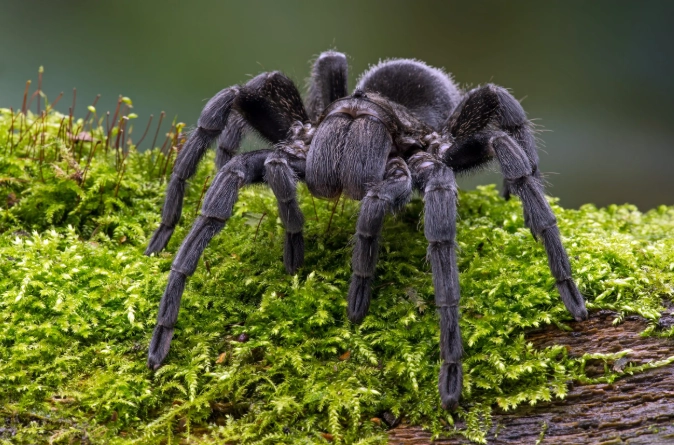
The Tarantula as a Spirit or Totem Animal
In modern spiritual circles, the idea of spirit animals is popular. If you feel a persistent draw to the tarantula (not just a fear), it might be speaking to you as a guide. People who resonate with tarantula energy are often:
Masters of Patience: They understand that good things—relationships, projects, personal growth—are built over long periods of quiet dedication. They don't rush.
Weavers of Reality: They are highly creative, understanding that they are actively weaving the tapestry of their own life through choices, habits, and art.
Comfortable with the Shadow: They aren't afraid to look at the dark, messy, or "ugly" parts of themselves or life. They know transformation (molting) requires facing what's beneath the surface.
Protective of Their Energy: Like a tarantula in its burrow, they know how to create boundaries and defend their personal space fiercely.
I'm a bit skeptical of just picking a "cool" animal as your spirit guide. But I do think if an animal keeps appearing in your life—in art, in dreams, in random conversations—it's worth asking what lesson it might hold. For the tarantula, the lesson is almost always about sitting with discomfort to create something durable.
In Tattoos and Art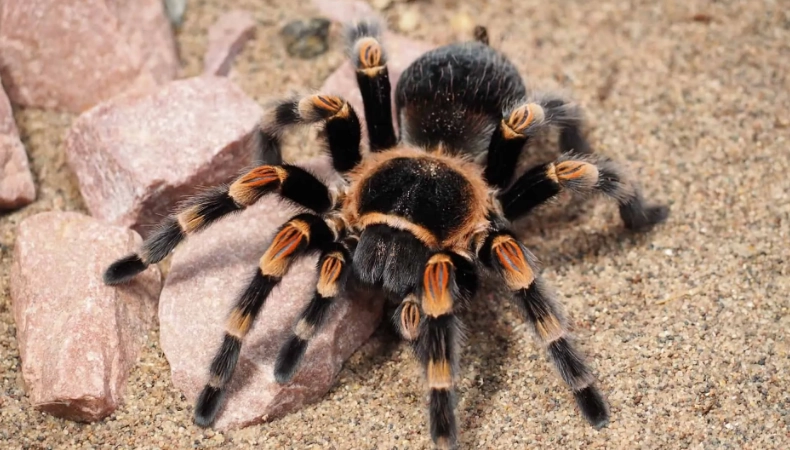
Walk into any tattoo studio and you'll see spider designs. A tarantula tattoo is rarely chosen lightly. It's a statement. It can mean:
- Conquering a Phobia: A permanent badge of "I faced this and I'm not afraid anymore" (or at least, I'm managing it).
- Ownership of Creativity: For artists, writers, and musicians, it's a symbol of their web-weaving craft.
- Connection to the Earth/Mother: Harking back to Spider Woman imagery, representing a deep, feminine, grounding energy.
- A Warning: Let's be real, sometimes it's chosen precisely because it looks intimidating, signaling "don't mess with me."
In artistic representations, from Renaissance paintings depicting Arachne to modern surrealist works, the tarantula is rarely just a background insect. It's a loaded symbol, placed deliberately to evoke unease, wonder, or a sense of ancient, patient power.
The Reality Check: What Does the Tarantula Represent in Your Living Room? (Pet Ownership)
This is a massive part of the modern search intent behind "What does the tarantula represent?" Tons of people are curious about keeping them as pets. The symbolism here shifts from the mythical to the practical, but it's still deeply meaningful.
Choosing a tarantula as a pet is a specific decision. It represents an appreciation for quiet, low-maintenance companionship. It's not a cuddly, interactive pet. It's a living piece of art, a fascinating biological process you get to observe. For the owner, it can represent:
- A Challenge to Social Norms: You're deliberately bringing in a creature most people fear. It's a small act of rebellion against conventional pet choices.
- The Value of Observation: It teaches you to appreciate slow, subtle changes—the slow growth, the preparation for a molt, the meticulous webbing of a burrow entrance.
- Responsibility for a Fragile Power: Despite their tough appearance, tarantulas are surprisingly delicate. Their abdomens can rupture from a short fall. Caring for one teaches a specific kind of gentle, respectful stewardship.
I kept a Mexican redknee for about five years. People would ask if I "played" with it. I'd explain that watching her redesign her hide after a cleaning was the entertainment. She was a lesson in stillness. When she passed, it was a quiet grief, different from losing a dog, but real. She represented a chapter of my life where I needed to learn patience.
Critical Note: If you're considering a tarantula, PLEASE research species thoroughly. A docile, slow-growing beginner species like a Chilean rose hair is a world apart from an Old World, fast, defensive species. The Arachnoboards community is an invaluable, experienced resource for husbandry advice. Never catch a wild tarantula to keep as a pet.
So, in the context of pet ownership, what does the tarantula represent? It represents a choice to find beauty in the unconventional, to value quiet observation over constant interaction, and to take on a unique and educational responsibility.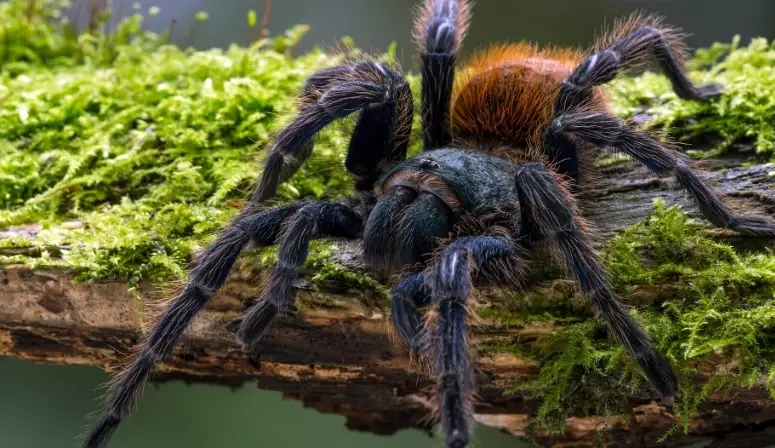
Untangling Common Questions (FAQs)
Let's wrap some of the loose threads. Here are direct answers to the questions people are probably asking alongside "What does the tarantula represent?".
At the end of all this, what's the final answer?
So, what does the tarantula represent? It's not one thing. It's a complex, multi-faceted symbol shaped by biology, culture, and personal psychology.
It represents the **shadow self**—the parts of us we find frightening but which hold great power. It represents **primal creativity**, the slow, deliberate weaving of our own destinies. It represents **earth-bound wisdom** and patience that operates on a scale of years, not minutes. And yes, it also represents **primal fear**, a reminder of the instinctual cautions hardwired into our brains.
Whether you encounter it in a dream, a myth, a tattoo parlor, or a terrarium, the tarantula asks you a question: What are you patiently weaving in the dark corners of your life? And what are you brave enough to face when it emerges?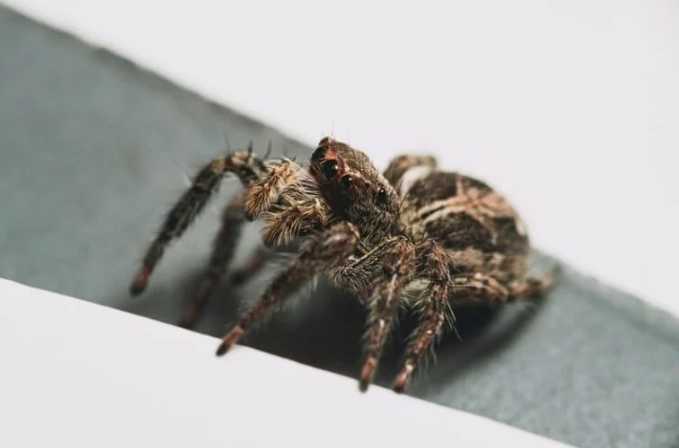
The meaning, in the end, is the web you choose to see.





Comments
Join the Conversation