You're not alone if a monkey swung into your dreams last night and left you scratching your head this morning. It happens more often than you'd think. I remember my first vivid monkey dream years ago—it was chattering loudly in a tree, and I woke up feeling oddly anxious, like I'd forgotten something important. That curiosity sent me down a rabbit hole (or should I say, a jungle vine?) of research into dream symbolism, psychology, and cultural lore. Most articles online just repeat the same few basic points: "monkey means mischief" or "monkey means curiosity." But after talking to therapists, diving into historical texts, and analyzing hundreds of dream reports, I found the story is much richer, and often, we're missing the most crucial details that make the meaning personal to you.
What's Inside This Guide
The Core Symbolism of Monkeys in Dreams
Think of the monkey in your dream as a multifaceted symbol, not a one-word answer. Its meaning shifts dramatically based on what it's doing, how you feel about it, and even the type of monkey. A playful capuchin suggests something different than a imposing gorilla.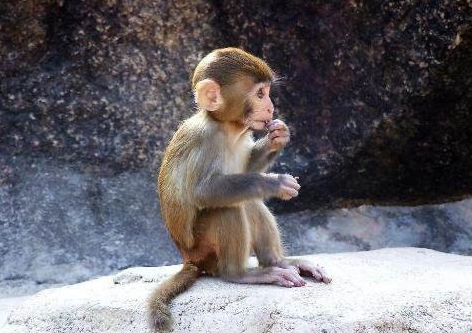
Here’s a breakdown of the primary layers of meaning you should consider first:
| Symbolic Layer | What It Often Represents | Ask Yourself... |
|---|---|---|
| Playfulness & Curiosity | The inner child, a need for spontaneity, exploring new ideas. | Has my life become too rigid or serious lately? |
| Mischief & Chaos | Unpredictability, a "monkey wrench" in plans, subconscious anxieties about things going off-script. | Is there a situation I'm trying to over-control that's resisting? |
| Intelligence & Mimicry | Social learning, adapting to environments, or feeling like you're just "going through the motions" without authentic thought. | Am I imitating others instead of thinking for myself? |
| Primal Instincts | Raw desires, unfiltered emotions (like anger, lust, joy), or basic survival needs. | Am I ignoring my gut feelings or physical needs? |
| Freedom & Agility | A desire for liberation, the ability to navigate complex situations (like swinging through vines). | Where do I feel trapped or stuck in my waking life? |
Most dream dictionaries stop here. But the real gold is in the specific scenario. A monkey stealing your keys hits differently than a monkey peacefully grooming its young.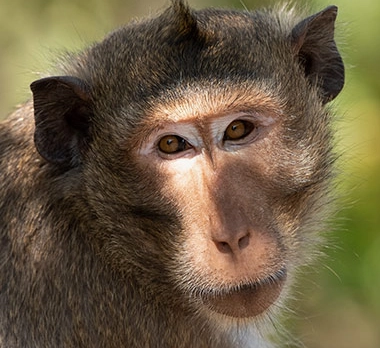
Interpreting Common Monkey Dream Scenarios
Let's get specific. This is where your dream starts talking directly to you.
If the Monkey Was Attacking or Chasing You
This is a classic anxiety dream. The monkey often personifies a problem or emotion you feel is "hounding" you. It's rarely about a literal fear of primates. I had a client who dreamt of a relentless baboon chasing her through her office. Turns out, she was avoiding a confrontational conversation with a colleague whose aggressive behavior (the "baboon") was making her work life miserable. The dream stopped after she addressed the issue.
The key is to identify the "wild" or "unruly" element in your life. Is it a deadline? A person's demanding behavior? Your own procrastination?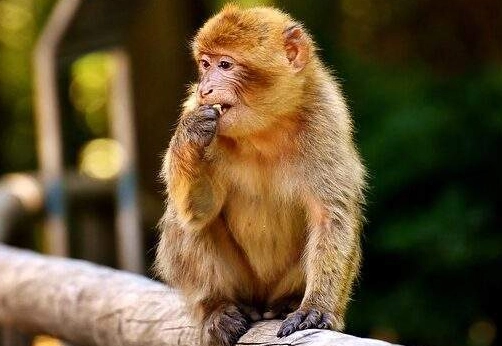
If You Were Feeding or Caring for a Monkey
This often points to nurturing a new idea, project, or even a part of your own personality. Are you "feeding" a new hobby? A new business venture? It can also symbolize a responsibility that feels playful but still requires care. Watch out—if the dream monkey becomes demanding or bites the hand that feeds it, it might be a sign that this new endeavor is becoming more draining than joyful.
A subtle point most miss: The health of the monkey matters. A vibrant, happy monkey suggests the idea you're nurturing is healthy. A sickly or sad monkey might indicate your project or personal growth feels neglected or is struggling.
If the Monkey Was Talking or Giving You Something
Pay close attention! This is your subconscious potentially offering direct wisdom. What did it say? Was it nonsense or profound? Even nonsense might be important if it triggers a connection for you. Receiving an object, like a fruit, could symbolize being given an opportunity ("a banana") or something of value from your instinctual self.
I once dreamt a wise old mandrill handed me a tangled ball of colorful threads. It took me weeks to realize it represented the various storylines of a novel I was struggling to plot—the dream was telling me the threads were all there, I just had to untangle them.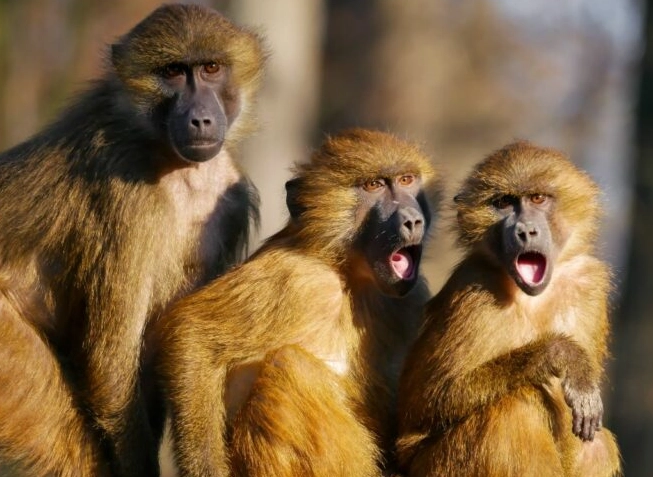
Psychology vs. Spirituality: Two Lenses to View Your Dream
Your personal worldview shapes the most useful interpretation.
From a psychological perspective (influenced by thinkers like Carl Jung), the monkey is part of your "shadow" or your instinctual, animalistic self. It's a part of your psyche you might suppress in polite society. Dreaming of it could mean this part is asking for integration or acknowledgment. The American Psychological Association has published research on how dream content often relates to waking emotional concerns, suggesting these animal symbols are metaphors our brain uses to process daily stress.
From a spiritual or cultural perspective, meanings vary widely. In Hinduism, Hanuman the monkey god symbolizes devotion, strength, and discipline. In Chinese culture, the monkey can symbolize cleverness and ambition, but also trickery. In some African and Indigenous traditions, monkeys are seen as messengers or ancestors. Consider if any of these cultural narratives resonate with your personal background or current studies.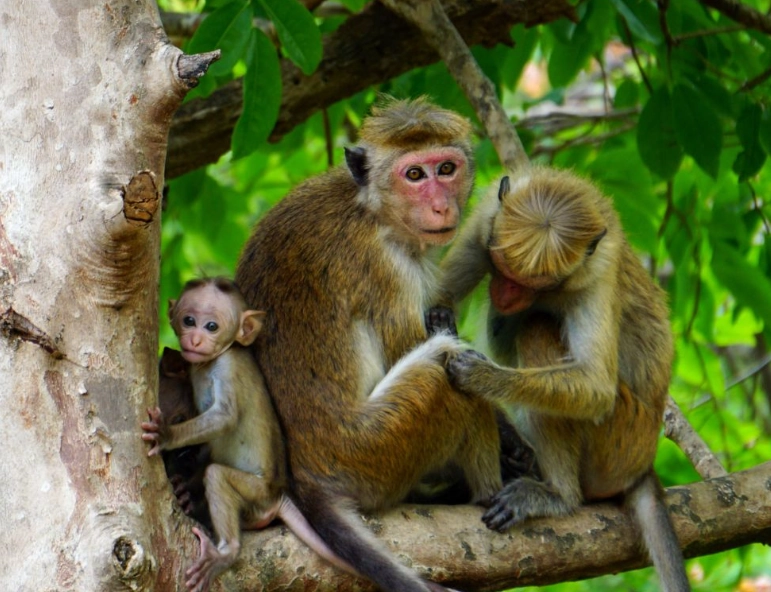
Don't get trapped here: You don't have to choose one lens forever. Try both on. Ask, "If this dream is about my psychology, what does it mean? If it's a spiritual message, what could that be?" See which answer creates a stronger "aha" feeling in your gut.
The Biggest Mistake People Make When Interpreting Animal Dreams
Here's the expert nuance most articles won't tell you: People fixate on the animal and ignore the environment and their own action (or inaction).
A monkey in a lush, vibrant jungle means something different than the same monkey trapped in a sparse cage in your garage. Your reaction is the most important data point. Were you fascinated? Terrified? Indifferent? Did you try to communicate or run away?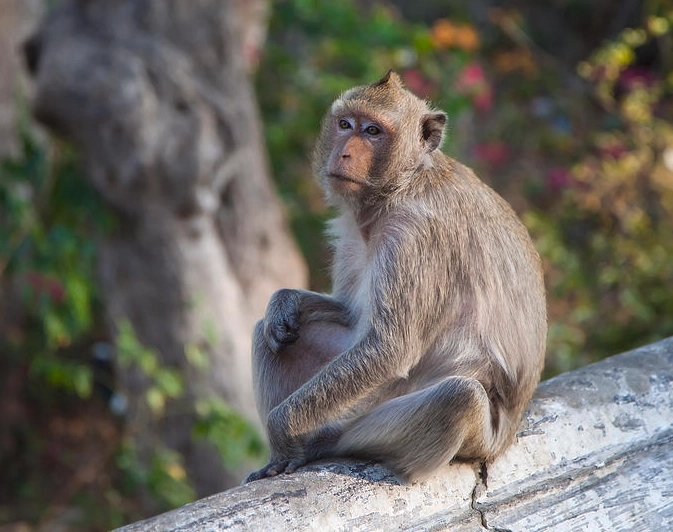
That feeling upon waking—the emotional residue—is your North Star. A dream that leaves you feeling inspired, even if the imagery was chaotic, is likely positive. A dream that leaves you with a sense of dread, even if the monkey looked cute, is pointing to an underlying fear. Your intellect will try to logic it out, but your initial feeling rarely lies.
What to Do After a Powerful Monkey Dream
Don't just analyze it and move on. Engage with it.
1. Journal Immediately. Write down every detail you can recall before it fades: colors, sounds, actions, emotions. Use the prompt: "The monkey in my dream felt like the part of me that…" and just free-write.
2. Draw or Doodle It. You don't need to be an artist. Sketching the scene can unlock insights writing can't. Where did you place the monkey on the page? How big did you draw it?
3. Have a Conversation (Seriously). In your journal or meditation, imagine the monkey is still there. Ask it: "What do you represent? What do you need from me?" Then, let your pen flow with the first answers that pop in, without judgment. The results can be startlingly clear.
4. Look for Waking-Life Parallels. Over the next 2-3 days, be alert for "monkey-like" themes. Do you see a funny viral video of a monkey? Does someone at work act "cheeky"? These synchronicities can clarify the dream's relevance.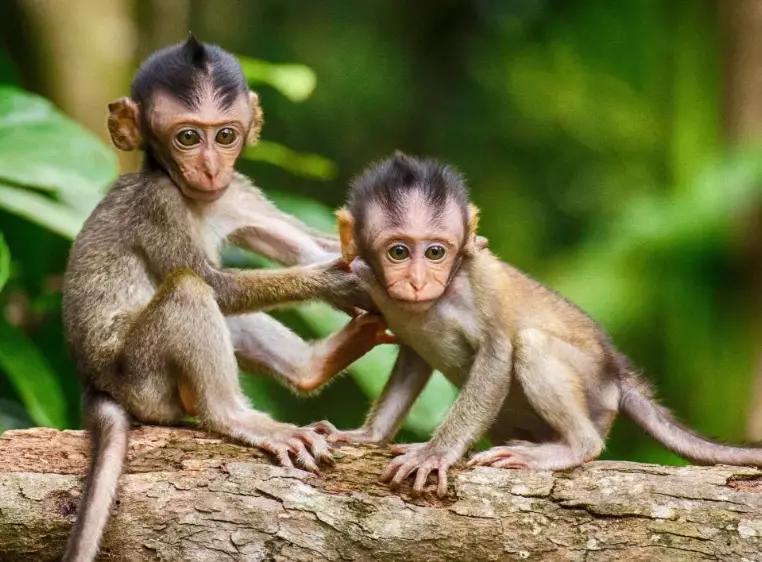
Your Monkey Dream Questions, Answered
I keep dreaming about a monkey destroying my house. What does this mean?
This usually points to a deep-seated fear of chaos invading your safe space—your "house" representing your mind, family life, or personal stability. Look for what feels "unruly" or "destructive" internally. It's often not an external force, but an inner emotion (like unchecked anger or anxiety) that you feel is tearing things apart. The repetitive nature means your subconscious is raising an alarm it feels you're ignoring.
Is dreaming of a baby monkey always a positive sign?
Not necessarily. While it often relates to nurturing something new and vulnerable (a project, a relationship, a soft skill), a distressed baby monkey is a major red flag. It suggests that this new, fragile part of your life or yourself is in danger of being neglected or overwhelmed. The context is everything. A content baby monkey is a positive sign of growth; a crying or abandoned one is a call to action.
What if the monkey in my dream was a specific type, like a gorilla or a chimpanzee?
Great observation. This refines the meaning. A gorilla often relates to raw power, quiet strength, patriarchal energy, or a feeling of being overshadowed by something powerful. A chimpanzee leans more into complex social dynamics, intelligence, and maybe interpersonal manipulation. A spider monkey with its long limbs might connect to themes of agility, reaching for things, or connectivity. Note the traits of that specific species and see where they mirror your life.
Can a monkey dream predict the future?
Dreams aren't psychic printouts. However, they are brilliant pattern-recognition machines. A "monkey dream" might highlight a current trend or personal behavior pattern so accurately that it feels predictive. For example, if you dream of a monkey mindlessly repeating a task, and you then find yourself stuck in a repetitive, unthinking loop at work, the dream didn't predict the future—it diagnosed the present pattern you were about to walk into. The value is in the warning, not the prophecy.
Ultimately, dreaming of a monkey is an invitation. An invitation to embrace more play, to acknowledge your clever instincts, to confront the chaos you're avoiding, or to listen to the primal wisdom you've been ignoring. Don't let the dream just be a weird bedtime story. Grab the vine it's swinging on and see where it takes you.


Comments
Join the Conversation