I still recall that humid night years ago when an elephant lumbered into my dream—massive, silent, with eyes that seemed to hold centuries of wisdom. I woke up drenched in sweat, not from fear, but from curiosity. What was my subconscious trying to tell me? If you've ever had an elephant dream, you're not alone. These creatures pop up in our sleep more often than we realize, and their meanings go far beyond simple strength or memory. Let's cut through the vague online lists and dive into what elephant dreams really signify, blending common interpretations with cultural nuances and personal insights.
What You'll Find Inside
What Does Dreaming of an Elephant Mean? The Core Interpretations
Most dream dictionaries will tell you elephants symbolize power, memory, or wisdom. That's true, but it's surface-level. In my experience analyzing dreams for over a decade, the context—how the elephant behaves, where it appears—matters more than the animal itself. Let's break it down.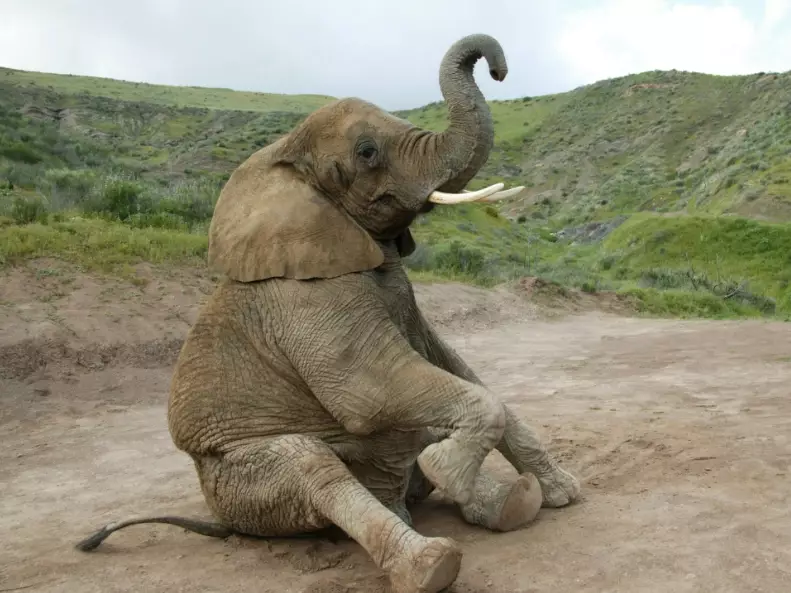
Common Elephant Dream Scenarios and Their Meanings
Dreams are messy, not textbook. Here are some frequent scenarios I've encountered:
- A peaceful elephant grazing: This often signals stability in your life. Maybe you've overcome a challenge and feel grounded. But watch out—it can also hint at complacency. Are you ignoring a problem because things seem calm?
- An elephant charging or attacking: Many jump to fear or aggression. I see it differently. This might reflect your own untapped energy rushing forward. Perhaps you're avoiding a confrontation at work, and your subconscious is pushing you to act.
- Riding an elephant: Control or mastery over a situation. However, if the ride is shaky, it could mean you're forcing control where it's not needed. I once coached someone who dreamed this before a big presentation—they were over-preparing and needed to relax.
- A baby elephant: New beginnings, yes, but also vulnerability. I've noticed people dreaming of baby elephants when starting a family or a creative project, often with hidden anxieties about nurturing it properly.
Here's a quick table to summarize, but remember, dreams are personal. Use this as a starting point, not a rulebook.
| Dream Scenario | Typical Interpretation | Often Missed Insight |
|---|---|---|
| Elephant in water | Emotional depth or cleansing | Could indicate feeling overwhelmed by emotions, not just processing them |
| Elephant with broken tusks | Loss of power or identity | Might signal a creative block you're denying |
| Herd of elephants | Community or social connections | Can reflect peer pressure or a need for independence |
One mistake I see beginners make: they focus solely on the elephant and ignore the dream's setting. Was it in a jungle or a city? That changes everything. A city elephant might symbolize feeling out of place in your routine.
Cultural Perspectives on Elephant Dreams: East vs. West
Dream symbolism isn't universal. In Western psychology, influenced by thinkers like Carl Jung, elephants often represent the unconscious mind or archetypal strength. Jungian analysts might link an elephant dream to your "inner giant"—aspects of yourself you've neglected.
In Eastern traditions, like Hinduism or Buddhism, elephants carry spiritual weight. Ganesha, the elephant-headed god, is a remover of obstacles. Dreaming of an elephant here could signal divine intervention or a call to overcome hurdles. I've spoken to practitioners who view such dreams as auspicious, but with a caveat: if the elephant seems distressed, it might warn of karmic debts.
African cultures often tie elephants to ancestry and memory. A dream might connect you to family lineage or forgotten traditions. I recall a client from Kenya who dreamed of a trumpeting elephant; for her, it wasn't about personal strength but a reminder to honor her grandmother's stories.
Why does this matter? If you're using a dream dictionary, check its cultural bias. Many online sources default to Western views, missing richer layers. For a balanced approach, I recommend cross-referencing with resources like the International Association for the Study of Dreams, which acknowledges global diversity in dream analysis.
Here's a tip most sites don't mention: Your cultural background shapes your dream symbols, but so does your personal exposure. If you grew up watching documentaries about elephants, your subconscious might use them differently than someone who fears them. Always factor in your own experiences.
How to Interpret Your Elephant Dream: A Step-by-Step Guide
Don't just google "elephant dream meaning" and call it a day. That's lazy and often misleading. Here's a method I've refined over years, tailored for elephant dreams.
Step 1: Record immediately upon waking. Dreams fade fast. Keep a notebook by your bed. Jot down everything—colors, emotions, sounds. For elephant dreams, note its size, color, and actions. Was it gray or unusual? Gray typically symbolizes neutrality, but a white elephant might point to something sacred or burdensome.
Step 2: Identify emotions. How did you feel during the dream? Scared, awed, curious? Emotions are the glue. An elephant might symbolize power, but if you felt small, it could reflect insecurity in your waking life.
Step 3: Link to recent events. Think about the past week. Any stressors related to memory (like a forgotten anniversary) or strength (like a physical challenge)? Elephant dreams often mirror real-life burdens. I once had a dream of an elephant carrying a heavy load right after taking on too many projects at work—it was a clear nudge to delegate.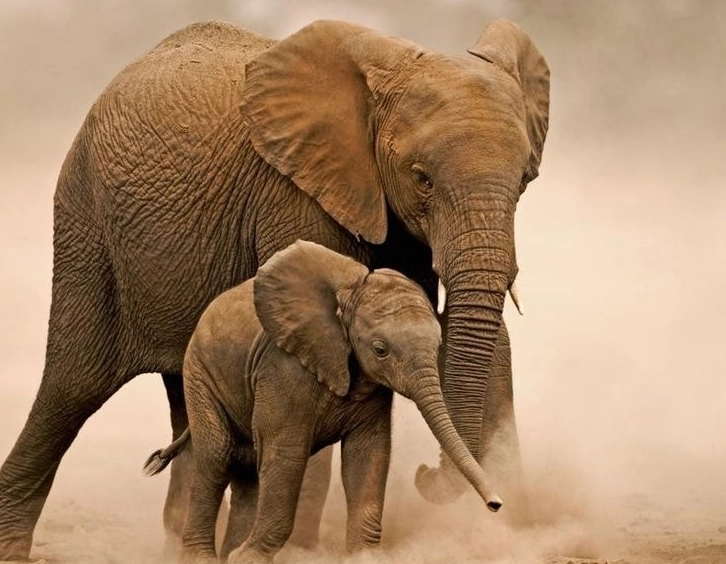
Step 4: Avoid over-interpretation. This is where many go wrong. Don't force meanings. If the dream feels random, it might be. Sometimes, an elephant is just an elephant—your brain processing a documentary you watched. Give it a day; if it lingers, then delve deeper.
Step 5: Use multiple sources. Consult a few dream dictionaries, but also reflect personally. Compare interpretations from sites like Psychology Today for scientific angles, and spiritual blogs for esoteric views. Synthesize what resonates.
Let's apply this to a hypothetical scenario: You dream of a lone elephant in a desert, looking tired. Record it—note the dryness, the isolation. Emotion: pity. Recent events: maybe you've been feeling drained in a relationship. Link: The elephant could represent your emotional resilience wearing thin. Instead of jumping to "loneliness," consider it a call to seek support or hydrate your spirit (desert symbolism).
Personal Stories: When an Elephant Appeared in My Dream
To make this real, let's share some anecdotes. Names are changed for privacy.
Case 1: Maria's Charging Elephant. Maria, a teacher, dreamed of an elephant charging at her classroom. She woke up terrified. Common dictionaries said it meant conflict. But in our session, we explored her recent stress—she was avoiding a confrontation with a colleague over curriculum changes. The charging elephant wasn't a threat; it was her own frustration manifesting. She addressed the issue, and the dreams stopped. Lesson: Sometimes the elephant is you.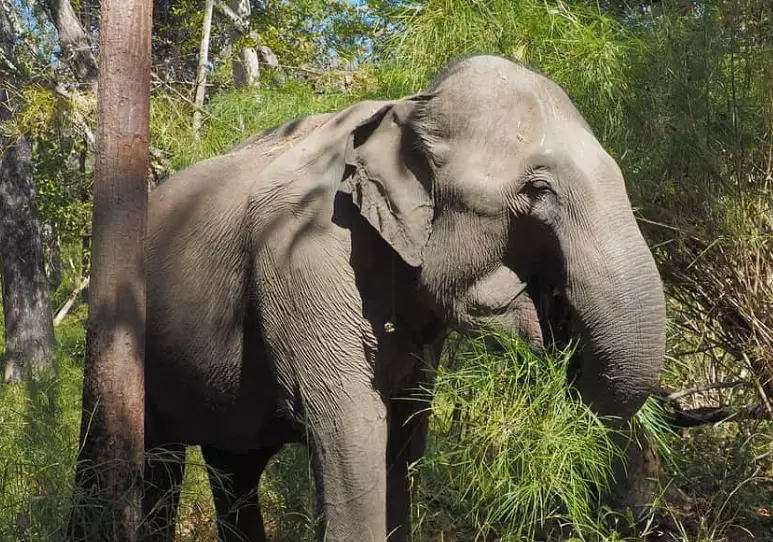
Case 2: Tom's Baby Elephant. Tom dreamed of cradling a baby elephant that kept slipping away. He thought it symbolized joy. Digging deeper, he admitted to struggling with a new business venture—he loved it but feared failing to nurture it. The dream highlighted his anxiety, not just new beginnings. He started journaling his fears, and the dream evolved into more stable imagery.
My own experience: That elephant from my memory? It stood in a foggy forest. I felt calm, not scared. Back then, I was deciding on a career shift. The elephant's steady presence mirrored my need for patience and trust in my path. I didn't realize it until months later, when I looked back at my dream journal. That's the thing—interpretation can be retrospective.
These stories show that elephant dreams are personal puzzles. Generic meanings help, but your life context is the key.
Your Elephant Dream Questions Answered
Elephant dreams are gateways to deeper self-understanding. They're not just random images; they're conversations with your inner world. Whether you see them as spiritual messages or psychological echoes, the goal is to listen. Next time an elephant strolls into your sleep, don't panic—get curious. Grab that journal, reflect on your life, and decode the message. Your subconscious might be offering wisdom that waking life obscures. And remember, no dream dictionary has all the answers; you hold the key to your own symbols. Sweet dreams, and may your elephants guide you gently.










Comments
Join the Conversation