You wake up with your heart pounding. The echoes of explosions, the tension of hiding, the visceral fear—it felt so real. Dreaming about war is unsettling, to say the least. It's not your typical weird dream; it carries a weight that sticks with you through the morning. I remember a period a few years back where these dreams were frequent for me. I'd be in some vague, crumbling city, never fighting, just desperately trying to find a safe route that didn't exist. It left me drained.
The immediate thought is often, "Am I okay? What's wrong with me?" Let's clear that up first: dreaming of war is incredibly common, especially in times of global tension or personal upheaval. It's your psyche's dramatic way of processing conflict. But to really understand it, you need to move past generic "it means stress" explanations. The devil—and the real insight—is in the gritty details of your specific dream scenario.
What’s Inside This Guide?
The 5 Most Common War Dream Scenarios & What They Really Mean
Most dream dictionaries give you a one-line answer. That's useless. A war dream where you're a soldier is worlds apart from one where you're a helpless bystander. Here’s a breakdown based on my own work and discussions with therapists, focusing on the role you play.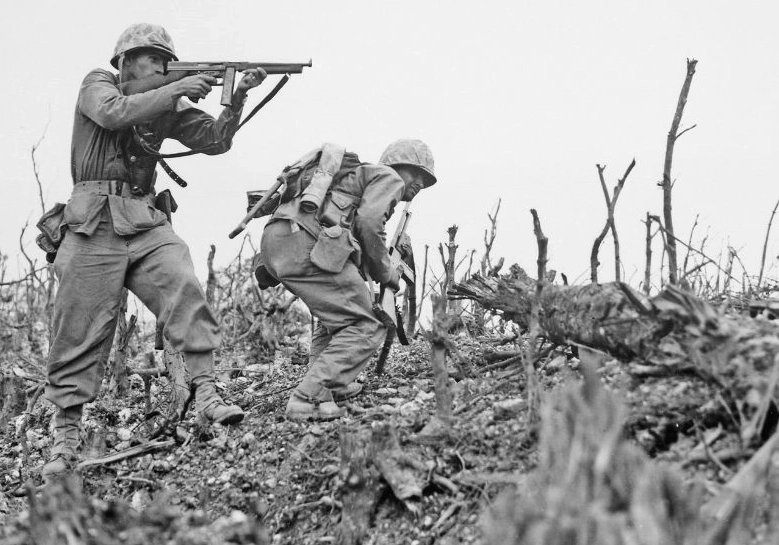
| Your Role in the Dream | Key Feelings & Imagery | Likely Interpretation (The "Conflict" It Points To) |
|---|---|---|
| The Soldier | Following orders, direct combat, camaraderie, fear mixed with duty. Weapons function (or jam). | An external obligation or moral dilemma. You're in a fight you didn't choose—a toxic job, a family demand, a social pressure. The functioning of your weapon often mirrors your perceived effectiveness in this real-life battle. |
| The Civilian / Bystander | Helplessness, hiding, running, searching for shelter, watching destruction from afar. | A sense of powerlessness or anxiety about events outside your control. This is classic for world news anxiety, but also for personal situations where you feel like collateral damage (e.g., layoffs at work, friend group drama). |
| The General / Leader | Making strategic decisions, looking at maps, feeling the weight of responsibility for others. | Internal conflict about a major life decision with consequences for others. Choosing a career path, moving the family, ending a relationship. You're strategizing the "war" of your own life path. |
| The Medic or Peacekeeper | Trying to heal wounds, negotiate ceasefires, feeling overwhelmed by the suffering around you. | You're in the role of fixer or emotional caretaker in a conflicted environment. This is huge for people in helping professions, or anyone trying to mend family rifts. The dream highlights your burnout. |
| The Observer (From Above/Safe) | Watching the war like a movie, detached, curious, analyzing without emotional involvement. | This can indicate a need to distance yourself emotionally from a real-world conflict to understand it. Alternatively, it might signal dissociation—you're so overwhelmed you're watching your own life unravel from a disconnected place. |
See the difference? The setting—whether it's a historical battlefield, a futuristic city, or a vague, nameless zone—also matters. A WWII trench dream might connect to a feeling of being "stuck" in an old, repetitive pattern. A sci-fi war could point to anxiety about technology or the future.
Why This is Happening: The 4 Root Causes of War Dreams
Okay, so you've identified your scenario. But why is your brain choosing this intense metaphor now? It's rarely just one thing.
1. Personal Life Under Siege
This is the big one. Your subconscious translates internal strife into external battle. A nasty divorce? That's a civil war. A cutthroat project at work? That's a military campaign. The constant pressure to meet deadlines, pay bills, and manage relationships can feel like a slow-burning siege on your resources and peace. The American Psychological Association notes that stress manifests in sleep disturbances, and vivid, intense dreams are a prime vehicle.
2. The Echo of Global Headlines
You can't scroll through news without seeing conflict. Even if you think you're processing it calmly during the day, your dreaming mind absorbs the imagery and emotion. It's not that you're dreaming about the specific geopolitical situation; it's that your brain borrows the framework of war to express your own feelings of insecurity, injustice, or fear about the world's state.
3. Unresolved Past Trauma (The Subtle One)
This doesn't only apply to veterans. Any past experience where you felt profoundly unsafe, violated, or powerless—bullying, a traumatic loss, an accident—can leave a blueprint. During times of stress, the brain reactivates that blueprint, dressing it up in the symbolism of war. The feeling is the link, not the event itself.
4. The Collective Shadow & Archetypes
Going a bit deeper, Carl Jung talked about the "collective unconscious" and archetypes like the Warrior or the Shadow. War dreams can sometimes be a confrontation with these deep, universal patterns within us—the part that fights for survival, the part that holds our repressed anger or fear. It feels big and mythical because, on some level, it is.
What to Do Next: A Practical 3-Step Process to Decode Your Dream
Don't just wake up and worry. Engage with it. This turns a disturbing experience into a powerful tool for self-awareness.
Step 1: Capture the Details Before They Fade
Keep a notebook by your bed. Write down everything, fast. Don't censor. Not just "war dream." Write: Was I inside or outside? What was the terrain? What was I wearing? What was my primary goal (escape, fight, find someone)? What was the dominant sound (sirens, silence, shouting)? How did it END? The ending is crucial—a sudden wake-up, an escape, a surrender? It tells you your subconscious's current "resolution" to the conflict.
Step 2: Ask the Right Analytical Questions
Now, look at your notes. Ask yourself:
- If this dream were a play, what is the central dramatic conflict? (e.g., "Survival vs. Certain Death," "Duty vs. Self-Preservation").
- Who or what is the "enemy" in the dream? Is it a faceless force, a specific group, a natural disaster? This often symbolizes the source of pressure in your life.
- What resources did I have? A working radio (communication), a map (clarity), a weapon (agency), or nothing (helplessness)?
Step 3: Connect to Waking Life (The Bridge)
This is where the magic happens. Take the central conflict from Step 2 and literally ask: "Where in my life right now does it feel exactly like this?"
Don't force a literal match. Feel for the emotional match. That feeling of being trapped in a trench with no way out? Maybe that's your financial situation. The feeling of being a medic overwhelmed by wounded? That could be you trying to support too many emotionally drained friends.
Your War Dream Analysis Worksheet
1. Dream Log: Date: ______. Core Scene: ______.
2. My Role: ______. Primary Goal: ______. Ending: ______.
3. The Core Conflict (in the dream): ______ vs. ______.
4. The Waking-Life Bridge: The situation that feels most like this conflict is ______.
5. One Small Action: To address this, I will ______ this week.
Taking one small, tangible action—setting a boundary, having a difficult conversation, making a plan—can often quiet these dreams. It signals to your subconscious that you're addressing the "war" on the ground.
Your War Dream Questions Answered (Beyond the Basics)
The battlefield in your mind isn't there to scare you for no reason. It's a stark, urgent report from the front lines of your inner world. By learning to decode the symbols—your role, your weapons, your enemies—you stop being a helpless casualty of these dreams and start becoming their interpreter. That shift, from fear to curiosity, is where the real peace talks begin.








Comments
Join the Conversation