Waking up from a dream where you're dreaming with big waves can leave you feeling anything from exhilarated to deeply unsettled. That powerful image of towering water isn't just random noise from your brain. It's a direct message from your subconscious, and learning to interpret it is one of the most practical forms of self-therapy you can do. Forget generic dream dictionaries that tell you "water equals emotions." We're going deeper. I've spent over a decade analyzing dreams, and the most common mistake people make is taking the wave at face value. The real meaning isn't in the wave itself, but in your specific relationship to it in the dream. Were you terrified on the shore, or riding it with joy? That distinction changes everything.
What's Inside This Guide
- What Dreaming of Big Waves Really Means (Beyond the Clichés)
- How to Interpret Your Big Wave Dream: A Step-by-Step Framework
- Common Big Wave Dream Scenarios and Their Interpretations
The Psychological and Spiritual View of Ocean Dreams - What to Do After You Have a Big Wave Dream
- Your Big Wave Dream Questions Answered
What Dreaming of Big Waves Really Means (Beyond the Clichés)
Yes, water often symbolizes emotion. But a big wave is a specific type of emotional energy. Think of it as a concentrated force. In my experience, these dreams typically point to one of three core things:
1. Overwhelm You're Not Acknowledging. This is the big one. The wave represents a feeling or situation that has built up over time and now feels like it's about to crash down on you. The key here is that in waking life, you might be telling yourself "I'm fine," while your dream is screaming, "No, you're not."
2. A Buried Creative or Primal Force. Not all big wave dreams are negative. Sometimes, that wave is your own untapped power, passion, or a major life change that's brewing. It can feel terrifying because it's huge and unknown, but it's not inherently destructive.
3. A Warning from Your Intuition. Your subconscious processes information you ignore. That wave might be a symbolic representation of a real-world problem heading your way—a project doomed to fail, a relationship issue about to erupt—that your logical mind has dismissed.
I once worked with a client who kept dreaming of a giant, slow-moving wave approaching while she calmly packed a suitcase. She insisted her life was stable. Turns out, her "stable" job was secretly being phased out, and her intuition knew it months before the layoff memo. The dream wasn't about panic; it was about her subconscious preparing her for a transition.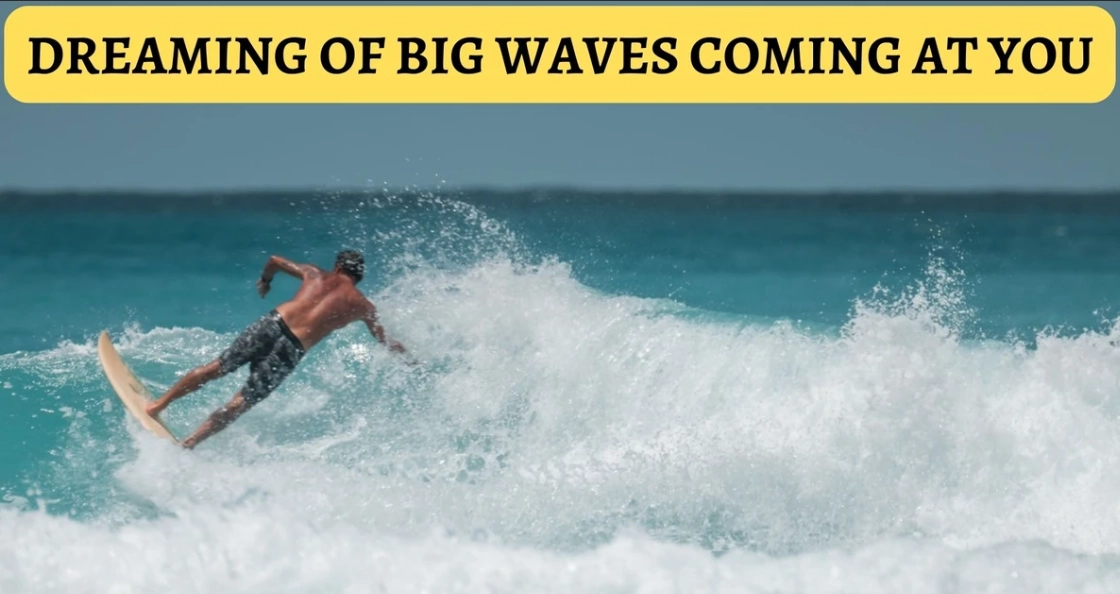
How to Interpret Your Big Wave Dream: A Step-by-Step Framework
Stop looking for a one-size-fits-all meaning. Your dream is unique. Follow this process as soon as you wake up, before the details fade.
Step 1: Replay the Film, Don't Just Snapshot the Wave
Write down everything. Not just "big wave." Where were you? On a beach, a boat, a cliff? What was the weather? Most importantly, what was your primary emotion? Was it pure dread, awe, excitement, or a strange calm? The emotion is the compass.
Step 2: Identify Your Role: Victim, Observer, or Surfer?
This is where most online interpretations fail. Your position relative to the wave reveals your subconscious sense of agency.
Running from the wave on shore: You feel powerless against an impending emotional situation. You're in avoidance mode.
Watching it safely from a high point: You have some intellectual distance from a problem, but may feel detached.
Riding the wave (even clumsily): This is huge. It suggests you're engaging with a powerful force in your life, trying to navigate it. It's about participation, not passivity.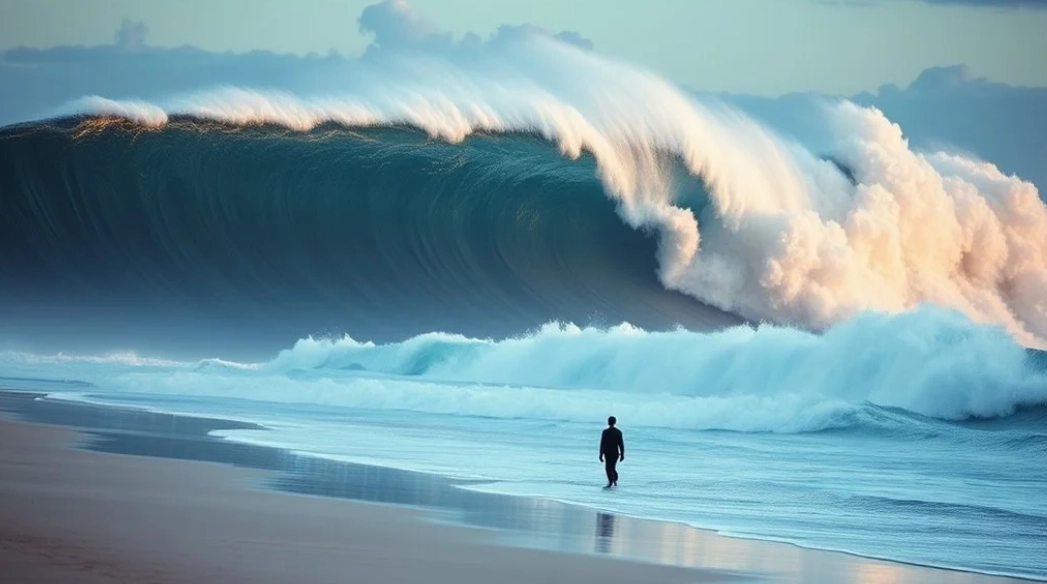
Step 3: Connect the Wave to Your Waking Life
Ask yourself bluntly: "What in my life right now feels this big, this powerful, and this unstoppable?" Don't force it. Let the connections arise. Is it a looming deadline? A conversation you need to have? A creative project that intimidates you? A relationship feeling? The link is rarely literal, but the emotional texture will match.
Common Big Wave Dream Scenarios and Their Interpretations
To give you a concrete starting point, here’s a breakdown of specific scenarios I encounter frequently in my practice. Use this as a prompt, not a final verdict.
| Dream Scenario | Possible Psychological Meaning | Common Waking-Life Link |
|---|---|---|
| A Tsunami You Can't Escape | Feeling of utter powerlessness and anticipation of catastrophic change. The focus is on the inevitable impact. | Major life upheavals (job loss, health diagnosis, breakup) where you feel you have no control. |
| Big Waves While Swimming or on a Boat | You're already "in" the emotional situation, trying to stay afloat. It's active struggle, not passive waiting. | Being in the middle of a stressful project, a family conflict, or a period of personal instability. |
| Calmly Watching a Massive Wave From Afar | Intellectual awareness of a big problem or emotion, but with a sense of detachment or denial about its effect on you. | Observing societal issues, other people's drama, or a personal issue you're rationalizing away. |
| Riding a Big Wave Successfully | Harnessing a powerful energy or navigating a major life change with skill and flow. A sign of confidence and alignment. | Leading a big project, embracing a new career path, or successfully channeling creative energy. |
| Wave is Coming But Never Arrives | Anxiety about something that hasn't happened yet. The dread of anticipation, often worse than the event itself. | Waiting for test results, fearing a future event, or chronic anxiety about "what if" scenarios. |
The Psychological and Spiritual View of Ocean Dreams
From a Jungian perspective, the ocean is the collective unconscious—the vast, deep reservoir of human experience and archetypes we all share. A big wave, then, is when something powerful from that deep realm surges into your personal conscious awareness. It's not a personal failure; it's your psyche trying to integrate something significant.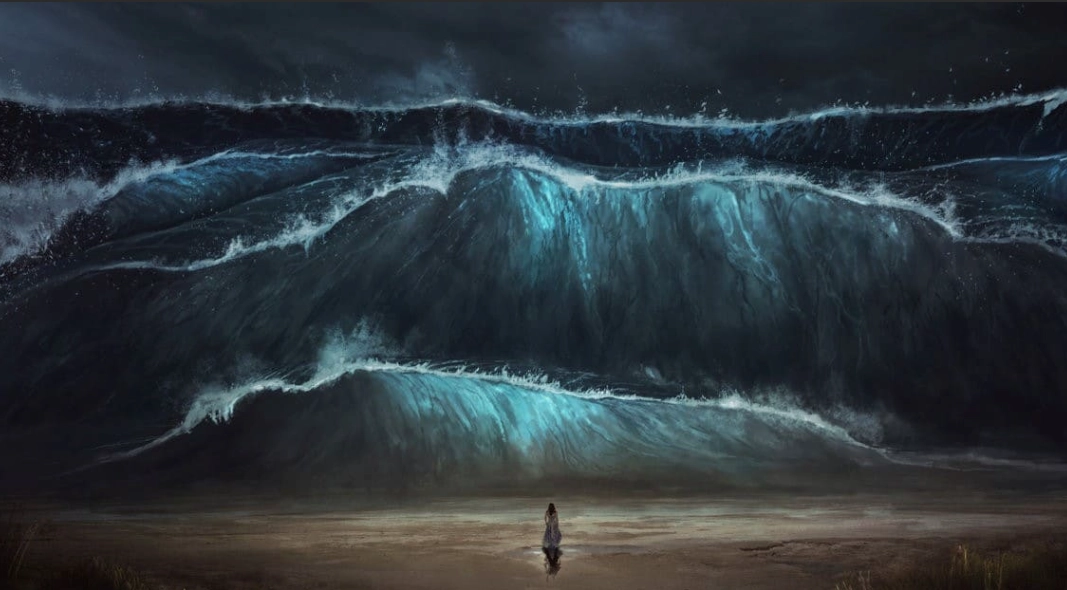
Spiritually, many traditions see large bodies of water as symbols of the subconscious, intuition, and the flow of life itself. Dreaming with big waves can be an invitation to stop resisting the natural flow of your life. The wave isn't the enemy; your rigid stance against it might be.
A resource I often recommend for those wanting to dive deeper into the neuroscience of dreaming is the work published by the National Sleep Foundation. While they don't interpret specific symbols, their research on REM sleep and emotional processing validates why our brains use such intense metaphors.
What to Do After You Have a Big Wave Dream
Interpretation is useless without integration. Here’s your action plan:
If the dream felt overwhelming or fearful:
First, don't panic. The dream is a release valve, not a prediction. Use it as a signal to check in with yourself. What are you avoiding? What conversation are you not having? Write down three small, concrete actions you could take to address the underlying anxiety. Just naming them reduces the wave's power.
If the dream felt powerful or exhilarating:
Tap into that energy! Your subconscious is showing you your own strength. What project or change have you been hesitant to start? The dream is a nudge. Spend 20 minutes brainstorming how you can "ride that wave" in your waking life—maybe by starting that blog, signing up for a class, or initiating a difficult but necessary talk.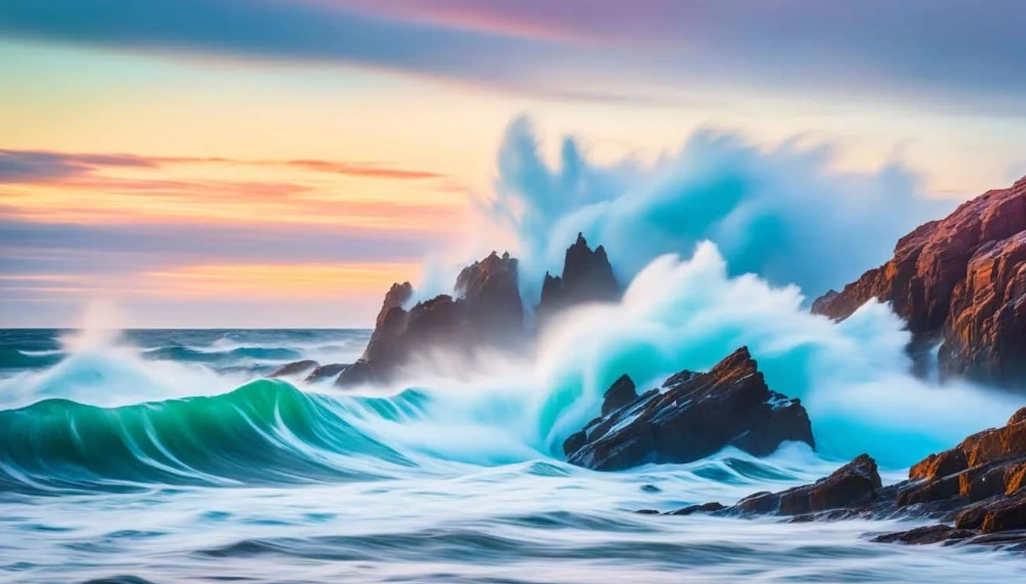
For recurring big wave dreams, keep a dedicated journal. Note the dream details and what was happening in your life the day before. Over time, you'll see your own personal pattern, which is far more valuable than any generic symbol guide.
Your Big Wave Dream Questions Answered
 What's the difference between a "big wave" dream and a "flood" dream?








Comments
Join the Conversation