Quick Navigation
- Beyond the Creepy-Crawly: What a Tarantula Symbolizes
- Your Dream, Decoded: Common Tarantula Dream Scenarios
- The Psychological Lens: What Experts Say About Spider Dreams
- A Cultural Tapestry: Tarantula Meanings Around the World
- What To Do After You Have a Tarantula Dream
- Frequently Asked Questions About Tarantula Dreams
- Putting It All Together: Your Personal Interpretation Guide
Let's be honest. Waking up from a vivid dream where a hairy, eight-legged tarantula plays the starring role isn't exactly a pleasant morning experience. Your heart might be racing, a faint sense of dread lingering. You brush it off over coffee, but a part of you can't help but wonder: what on earth was that about? If you've found yourself searching for answers about dreams about tarantula spiders, you're not alone. These dreams are surprisingly common, and their meaning goes way beyond a simple fear of creepy crawlies.
I remember a period in my life, around a big career transition, where a specific tarantula dream kept recurring. It wasn't attacking me; it was just... there, sitting calmly in the corner of a familiar room. It unnerved me more than any monster dream. That personal nagging curiosity is what led me down the rabbit hole of dream symbolism, psychology, and cultural meanings. And what I found was far more fascinating than just "spiders equal bad."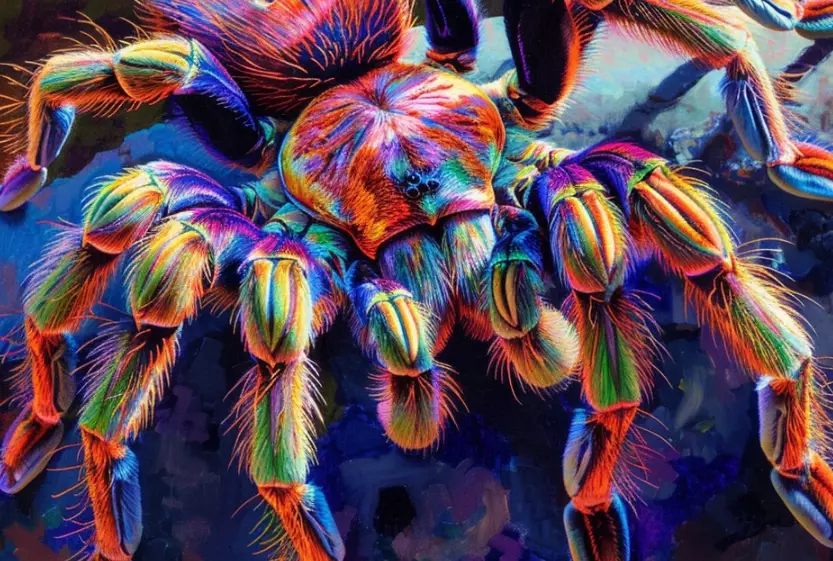
Beyond the Creepy-Crawly: What a Tarantula Symbolizes
Before we jump into the dream scenarios, we need to understand the symbol. A tarantula isn't just any spider. In the realm of symbolism, its meaning is complex and often contradictory. On one hand, it's a primal symbol of fear, intrusion, and something perceived as venomous or dangerous in your life (even though most tarantula species are relatively harmless to humans). Its size and hairiness amplify this sense of looming threat.
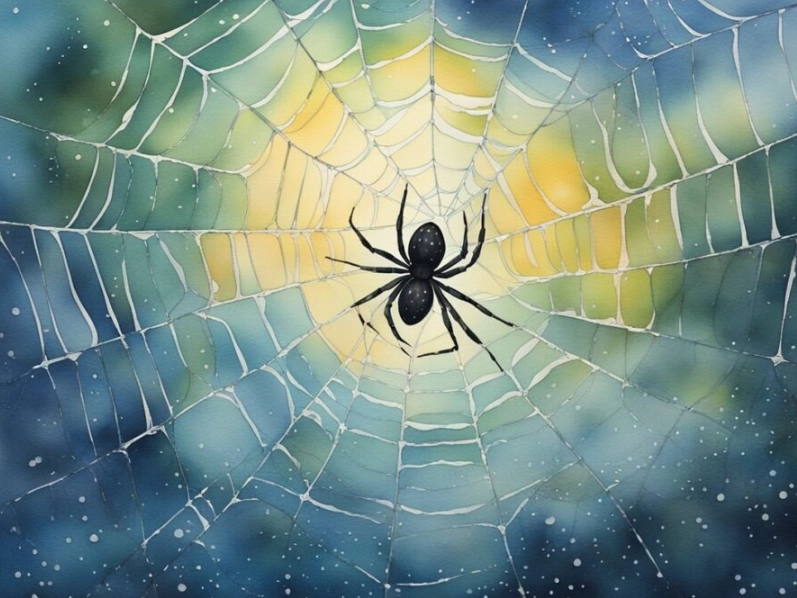
On the other hand, and this is the more intriguing side, the tarantula is a powerful symbol of patience, creativity, and feminine energy. Think about it. They are master weavers, sitting silently at the center of their intricate webs, waiting with immense patience. In some cultures, they represent the creative life force and the weaving of destiny.
Mainstream pop psychology often lumps all spider dreams together, which is a real disservice. Missing the unique aspects of the tarantula—its terrestrial nature (many don't spin classic webs), its size, its relative quietness—means missing the specific message for you. That's a gap we need to fill.
Your Dream, Decoded: Common Tarantula Dream Scenarios
The plot of your dream is your best clue. Here’s a breakdown of the most common narratives people experience and what they might be pointing to in your waking life.
The Tarantula is Chasing You
This is the classic anxiety dream. You're running, it's pursuing. It feels relentless. This rarely has anything to do with an actual spider. Instead, it's a brilliant, visceral metaphor your mind uses for something you feel is "chasing" you in real life. A looming deadline you can't shake? A financial worry? A difficult conversation you're avoiding? Your brain has dressed that anxiety in the form of a tarantula to get your attention. The key question isn't "how do I outrun a spider?" but "what am I constantly trying to outrun in my life right now?"
A Tarantula is on You (Crawling, Biting, Sitting)
This scenario gets personal. Something has "gotten on you" emotionally or mentally. A tarantula crawling on your arm might symbolize a burden or responsibility that feels like it's creeping into your personal space. A bite? That could be a sharp, painful criticism you recently received that's still "stinging," or a betrayal that felt venomous. I find dreams about a tarantula simply sitting on you, unmoving, particularly interesting. It speaks to a perceived problem or fear that you feel is just... weighing on you. You're carrying it, but it's not actively attacking. That's often a call to ask: what am I passively carrying that I need to actively address?
Seeing a Tarantula in Its Habitat or a Container
Dreaming of observing a tarantula in a tank, a jar, or in a natural setting like a desert removes the immediate threat. This shifts the meaning towards observation and containment. Are you keeping a powerful emotion (like anger or a passionate idea) locked up? Is there a part of yourself you've put in a "glass box" because it feels too wild or intimidating to let out? This dream can be a nudge to examine what you're containing and why.
Killing a Tarantula in Your Dream
While it might feel like a victory, killing the tarantula in your dream can have a dual meaning. Positively, it can symbolize you confronting and overcoming a major fear or challenge. You're taking active control. However, sometimes it can represent suppressing your own creative power or feminine energy (if you align with that interpretation) because it feels too messy or intimidating. Was the act of killing it easy or a desperate struggle? The feeling tone matters.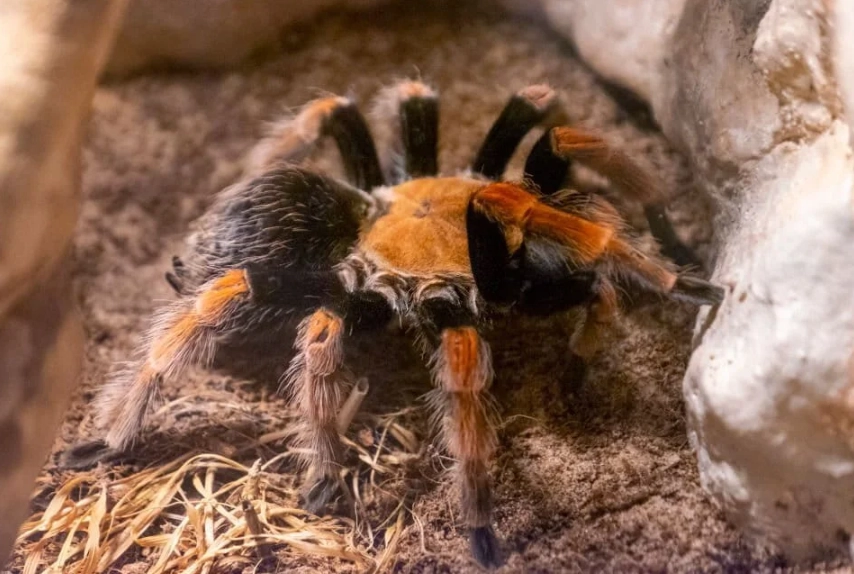
The Psychological Lens: What Experts Say About Spider Dreams
Modern psychology tends to steer clear of fixed symbols and looks more at function. From a Freudian perspective, dreams about tarantula spiders might relate to repressed fears or anxieties, often with a maternal or feminine connection (linking back to the spider as a creative, sometimes devouring, mother figure). Jungian analysis is more aligned with the symbolic approach, seeing the spider as an archetype of the fabric of life and the dreamer's own potential to weave their reality.
More contemporary cognitive theories suggest these dreams are the brain's way of processing emotional experiences from the day or rehearsing responses to perceived threats. The American Psychological Association (APA) notes that while dream interpretation isn't an exact science, exploring dream themes can be a valuable tool for self-reflection and identifying waking-life stressors. You can read more about the science of sleep and dreaming on the APA's resource page—it's a solid, science-backed starting point if you're skeptical of symbolism.
But here's my take, blending the symbolic with the practical: dreams about tarantula spiders are often your mind's amplified signal. It's taking a low-grade background worry and giving it eight legs and hair so you have to pay attention. Ignoring a subtle anxiety is easy; ignoring a dream where a tarantula drops from your bedroom ceiling is not.
A Cultural Tapestry: Tarantula Meanings Around the World
Your cultural background can subtly influence your dream imagery. In some Native American traditions, Spider Woman is a central, benevolent creator deity, a grandmother figure who weaves the world into existence. Dreaming of a large spider in this context could be a profoundly positive sign of creativity and connection. In various African folklore, Anansi the spider is a trickster god, symbolizing wisdom, storytelling, and sometimes mischief.
In contrast, much of Western media has cemented the tarantula as a villainous object of horror. This isn't to say your dream is "cultural programming," but being aware of these narratives can help you disentangle universal human themes from learned associations. Smithsonian Magazine often has fascinating articles on the cultural history of animals, including how their symbolic meanings shift—worth a browse for the curious mind.
What To Do After You Have a Tarantula Dream
Okay, you've had the dream. It's freaked you out. Now what? Don't just shrug it off. Use it as a prompt for some honest self-inventory. Here’s a practical, step-by-step approach I've found useful:
- Record It Immediately: Keep a notebook by your bed. Write down everything you remember—the setting, the tarantula's actions, your actions, and most importantly, the dominant feeling (terror, curiosity, disgust, awe?).
- Ask the Context Questions: What was happening in your life yesterday? Is there a situation or person that makes you feel the same way you felt in the dream (e.g., trapped, watched, overwhelmed)?
- Check Your Personal Associations: What do you think of when you think "tarantula"? Is it pure fear? A weird fascination? A memory from childhood? Your personal link is your most important clue.
- Look for the Metaphor, Not the Literal: Translate the dream elements. "A tarantula hiding under my couch" might become "What anxiety is lurking just out of sight in my home life?"
- Decide on an Action (Even a Tiny One): The goal isn't just analysis; it's integration. If the dream seems to point to a neglected creative project, commit to 15 minutes on it today. If it points to an avoided conflict, draft an email to start the conversation. Taking any small action defangs the anxiety.
This process turns a disturbing dream from a random nightmare into a useful tool for self-awareness. It's not about superstition; it's about using the bizarre narratives of your subconscious as a mirror for your waking world.
Frequently Asked Questions About Tarantula Dreams

Putting It All Together: Your Personal Interpretation Guide
To make this even more practical, let's condense the key variables into a quick-reference table. Use this as a starting point for your own analysis, not a definitive answer key.
| Dream Scenario | Common Waking-Life Correlate | Questions to Ask Yourself |
|---|---|---|
| Being Chased | Avoided responsibility, looming deadline, persistent anxiety. | What am I running from? What feels inescapable? |
| Crawling On You | A burden or worry that feels "on you," an intrusive thought. | What feels like it's clinging to me? What can't I shake off? |
| Biting You | A recent hurt, sharp criticism, or "venomous" interaction. | Who or what recently "stung" me? What words are still hurting? |
| Observing It Safely | Contained creativity, a controlled aspect of your power, a studied problem. | What potential am I keeping in a box? What am I observing but not engaging with? |
| Killing It | Conquering a fear, OR suppressing an aspect of yourself. | Did that feel like a triumph or a loss? What did I just "shut down"? |
Ultimately, dreams about tarantula spiders, like all potent dreams, are a conversation with yourself. They can be unsettling, even frightening. But if you approach them with curiosity instead of dread, they become less of a horror show and more of a fascinating, if cryptic, personal newsletter from the depths of your own mind. They point to fears that need facing, creativity that's begging to be spun, and aspects of your life that feel tangled or invasive.
The next time you wake from one of these eight-legged narratives, take a deep breath. Grab that notebook. You're not decoding a random horror movie; you're deciphering a message about your own life, woven in the unique and strange language of your subconscious. And that's a puzzle worth solving.









Comments
Join the Conversation