What You’ll Discover in This Guide
You jolt awake, heart pounding. A spider was crawling on your arm in the dream, or maybe it was weaving a web right above your head. Sound familiar? Dreaming about spiders is more common than you think, and it’s not always a nightmare. I’ve spent over a decade analyzing dreams, and let me tell you, most online interpretations get spider dreams wrong. They slap a generic “fear” label on it and call it a day. But your subconscious is smarter than that. In this guide, we’ll cut through the noise and explore what dreaming about spiders truly means, how to interpret your specific scenario, and why these dreams might be trying to tell you something important about your waking life.
What Does Dreaming About Spiders Really Mean?
First off, forget the idea that all spider dreams are bad. Sure, they can signal anxiety, but they often point to creativity, patience, or hidden threats. The meaning hinges on details—like the spider’s color, size, and what it’s doing. For instance, a black spider might symbolize mystery or the unknown, while a red one could tie to passion or danger. I remember a client who dreamed of a golden spider weaving a intricate web; it turned out she was subconsciously working on a complex project at work that required delicate handling.
Common Spider Dream Scenarios and Their Interpretations
Let’s break down some frequent scenes. If you dream of a spider biting you, it might reflect a feeling of being “stung” by criticism or betrayal in real life. Dreaming of killing a spider? That could indicate you’re overcoming a fear or taking control. But here’s a nuance many miss: the location matters. A spider in your bed often links to intimacy or personal space issues, not just random fear. According to dream research from sources like the International Association for the Study of Dreams, contextual clues are key.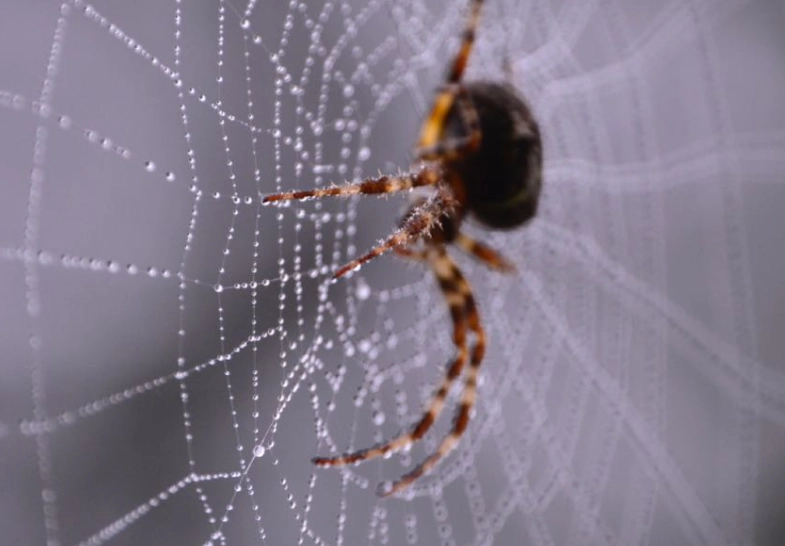
Quick Tip: Don’t jump to conclusions. A spider dream isn’t a one-size-fits-all symbol. It’s a puzzle piece in your broader emotional landscape.
The Psychology Behind Spider Dreams
From a psychological angle, spiders in dreams can tap into primal fears—think evolution and survival instincts. But they also represent weaving connections or feeling trapped. Carl Jung talked about archetypes, and spiders often fit the “trickster” or “creator” role. In modern terms, if you’re stressed about deadlines, a spider web might mirror the tangled mess of your to-do list. I’ve seen cases where people ignore these dreams, only to realize later they were ignoring a creeping problem at home or work.
How to Interpret Your Spider Dream: A Step-by-Step Guide
Interpreting a dream about spiders isn’t about flipping through a dictionary. It’s a process. Here’s a practical method I’ve refined over years.
Step 1: Recall the Details
As soon as you wake up, jot down everything. Was the spider big or small? What color? Where were you? Emotions count too—were you scared, curious, or indifferent? Most people forget the setting, but it’s crucial. For example, a spider in a garden versus a spider in your office changes everything.
Step 2: Analyze the Context
Link the dream to your waking life. Ask yourself: What’s happening lately? Any stressors, projects, or relationships that feel “sticky”? Spiders often symbolize situations where you feel entangled. A common mistake is focusing only on the spider itself, not the web—the web represents connections or systems in your life.
Step 3: Connect to Your Waking Life
Apply the insights. If the dream highlighted a hidden threat, maybe it’s time to address that passive-aggressive colleague. If it showcased creativity, perhaps you should nurture an idea you’ve been dismissing. I once worked with someone who dreamed of spiders every night during a startup launch; it wasn’t fear but a subconscious nudge about the intricate networking required.
| Dream Element | Possible Meaning | Actionable Insight |
|---|---|---|
| Spider weaving a web | Creativity, building connections, patience needed | Focus on long-term projects; avoid rushing |
| Spider crawling on you | Invasion of personal space, anxiety, or hidden influence | Reassess boundaries in relationships |
| Killing a spider | Overcoming fears, taking control, ending a nuisance | Confront a minor issue before it grows |
| Multiple spiders | Overwhelm, multiple stressors, feeling surrounded | Prioritize tasks; seek support |
Case Studies: Real-Life Examples of Spider Dreams
Let’s look at hypothetical but realistic scenarios to make this concrete.
Case Study 1: The Entrepreneur’s Web Sarah, a small business owner, kept dreaming of a spider meticulously repairing its web after storms. She felt calm in the dream. In reality, her business faced constant setbacks—supply chain issues, client dropouts. Instead of seeing it as a bad omen, she interpreted it as resilience. She started focusing on adaptive strategies, and within months, her revenue stabilized. The dream wasn’t about fear; it was about persistent rebuilding.
Case Study 2: The Bedroom Intruder Mark dreamed of a giant spider lurking under his bed, making him anxious. He brushed it off until he realized his marriage felt distant—like something lurking unsaid. By addressing communication gaps with his partner, the dreams faded. This shows how spider dreams can mirror unspoken tensions in personal spaces.
Case Study 3: The Colorful Spider Lisa dreamed of a bright blue spider spinning a web in her childhood home. She felt nostalgic, not scared. Reflecting, she connected it to her creative block as an artist. The blue symbolized tranquility and memory, prompting her to revisit old sketches for inspiration. It worked—she launched a successful series based on those ideas.
FAQ: Your Burning Questions About Spider Dreams Answered
Wrapping up, dreaming about spiders is a rich, multifaceted experience. It’s not just about fear; it’s a dialogue with your subconscious. By paying attention to details and connecting dots to your real life, you can turn a unsettling dream into a tool for growth. Next time you see a spider in your sleep, don’t panic—get curious. Your mind might be weaving insights you need to hear.









Comments
Join the Conversation