Dreaming of a white wolf isn't your average, forgettable dream. It sticks with you. You wake up with its image burned into your mind, a mix of awe, curiosity, and maybe a little unease. Most generic dream dictionaries will give you a one-line answer like "symbol of purity and leadership." That's not wrong, but it's like describing an ocean by saying it's wet. It misses the depth, the currents, the life beneath the surface. After years of exploring dream symbolism and listening to people's experiences, I've found that a white wolf dream is a deeply personal message, often arriving at a crossroads in your life. This guide will help you decode that message, moving beyond the clichés.
What's in this guide?
The Symbolic Meaning of the White Wolf: More Than Just Color
Let's break that down. First, the wolf. Across cultures, from Norse mythology to Native American traditions, the wolf represents instinct, intelligence, freedom, and fierce loyalty to the pack (your family, your chosen tribe). It's a symbol of raw, untamed nature, both within and outside of us. Psychologically, following the work of Carl Jung as discussed by resources like Simply Psychology, the wolf can be a powerful archetype of the shadow self—the parts of our personality we might suppress.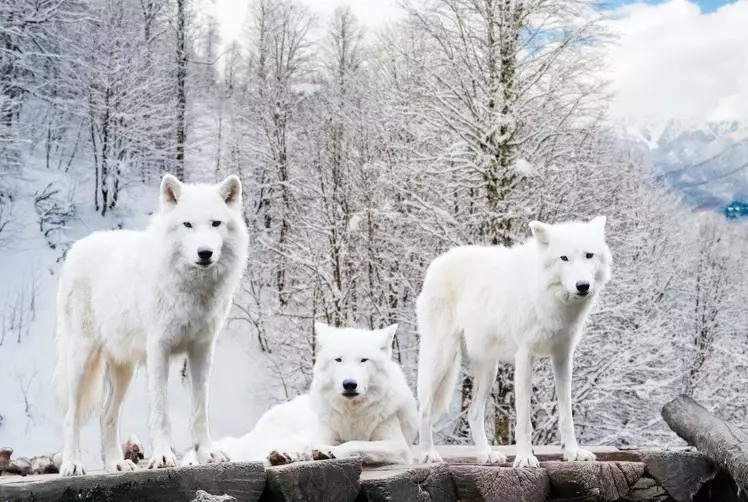
Now, the color white. This isn't just an aesthetic detail. White amplifies and transforms the wolf's core meaning. It brings in themes of:
- Spiritual Guidance: A guide from a higher plane of consciousness or your higher self.
- Purity of Purpose: Your core, uncorrupted instincts and intuition.
- New Beginnings: A clean slate, often related to a spiritual awakening or a major life reset.
- Wisdom and Ancestry: Connection to ancient knowledge or familial wisdom.
So, a white wolf isn't just a wild animal; it's your wild, intuitive, spiritual self making an appearance. It's often a call to pay attention to your deepest instincts, which you might be ignoring in your daily, logic-driven life.
Key Takeaway: The white wolf merges the primal power and intelligence of the wolf with the higher-vibration qualities of purity, spirit, and new beginnings. It's a bridge between your earthly instincts and your spiritual path.
How to Interpret a White Wolf Dream: A Step-by-Step Guide
Forget cookie-cutter interpretations. Your dream is unique. Here’s a practical method I use and recommend.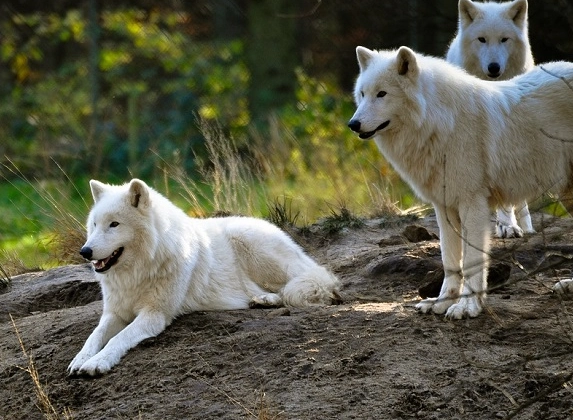
Step 1: Recall the Dream's Emotional Weather
Before you even think about symbols, remember how you felt. Was it peace? Awe? Bone-chilling fear? Tranquil curiosity? The emotion is the compass. A white wolf that fills you with serene wonder points to a very different life situation than one that triggers panic. Your gut feeling is your first and most accurate data point.
Step 2: Map the Key Dream Elements
Jot down the specifics. Don't just write "white wolf." Be a detective.
- Location: A snowy forest? Your childhood home? A modern city street? The setting shows where this message applies (your inner wilderness, your past, your current chaotic life).
- Action: Was the wolf staring at you? Leading you? Protecting you? Running away? Fighting? Its behavior is the verb in the sentence your subconscious is writing.
- Your Role: Were you passive, watching? Active, interacting? Hiding? This reveals your current stance toward your own power or intuition.
- Other Symbols: A full moon? A pack of grey wolves? A specific person? These add crucial context.
Step 3: Connect to Your Waking Life
This is where the magic happens. Ask yourself direct questions:
- Where in my life do I need more courage or leadership?
- Am I ignoring my intuition about a person or situation?
- Is there a part of my true, wild self that I'm toning down to fit in?
- Am I at the start of a new, potentially intimidating chapter (a "white" beginning) that requires my inner strength?
The dream is a mirror. The white wolf's actions often metaphorically match a dynamic in your waking life.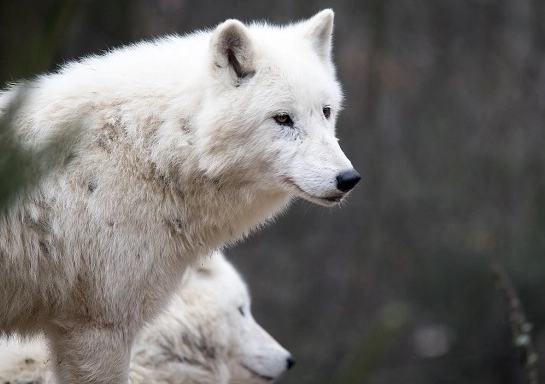
The Spiritual Meaning of a White Wolf in Dreams
On a spiritual level, this dream symbol is profound. Many interpret it as the appearance of a spirit guide or a totem animal. In this framework, the white wolf isn't just a symbol; it's a conscious energy offering protection and wisdom. It might appear when you're feeling spiritually lost or when you're ready to deepen your spiritual practice.
It can also signal a spiritual awakening. The color white is associated with the crown chakra, the energy center linked to divine connection and enlightenment. The wolf's arrival can mean your primal, earthly energy (root chakra) is aligning with your spiritual consciousness, creating a powerful, integrated wholeness. You're being called to trust the journey, even if the path isn't clear.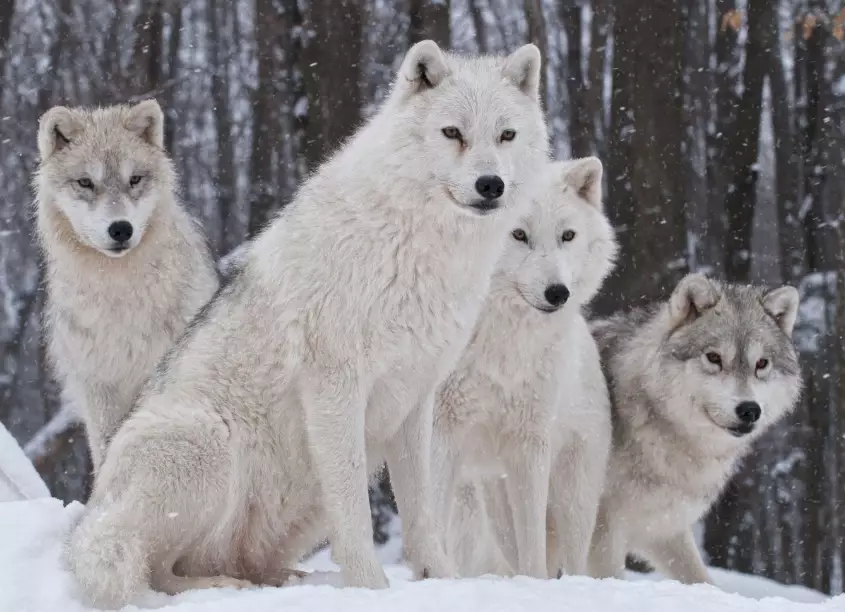
I've noticed a pattern among people who share these dreams: they often occur during periods of intense solitude or after a significant loss. The white wolf doesn't necessarily take the pain away, but it seems to represent an innate, resilient strength that the dreamer didn't know they had—a kind of spiritual fortitude.
Common White Wolf Dream Scenarios and Their Meanings
Let's apply the framework to specific dreams. Here’s what these scenes might be pointing to.
A Calm, Watching White Wolf: This is classic guidance. The wolf is a sentinel, observing. It often means your higher self or intuition is trying to get your attention. You're being asked to observe a situation in your life with the wolf's keen intelligence and patience, not just react emotionally.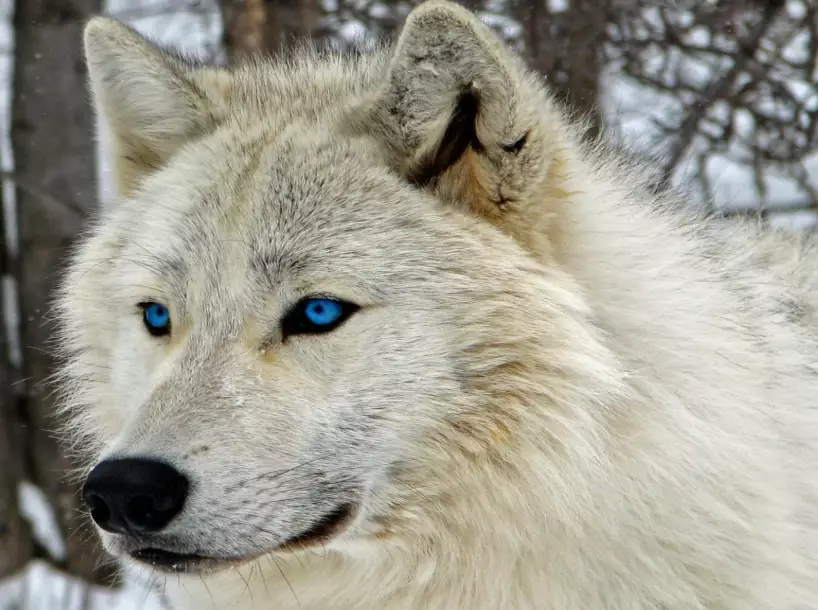
A White Wolf Leading or Following You: If it's leading, you're being guided through an uncertain time. Trust the direction, even if it's unconventional. If it's following, your personal power or spiritual truth is aligning with you. It's a reminder that this strength is now part of your journey, not separate from you.
A White Wolf Protecting You or Your Family: This is a powerful sign of guardian energy. It can reflect your own fierce protective instincts rising up for your loved ones or for a vulnerable part of yourself. Alternatively, it's reassurance that you are protected on your path.
A White Wolf Howling: A call. This could be a call to connect with your tribe, to express something you've been silent about, or a call from your soul for a deeper purpose. Listen to what needs your voice.
An Aggressive or Chasing White Wolf: This is the one that causes the most anxiety. Don't automatically assume it's "bad." Often, the thing chasing you is the part of yourself you're running from—your own power, your intuition demanding to be heard, a necessary life change you're resisting. The fear isn't of the wolf, but of integrating what it represents.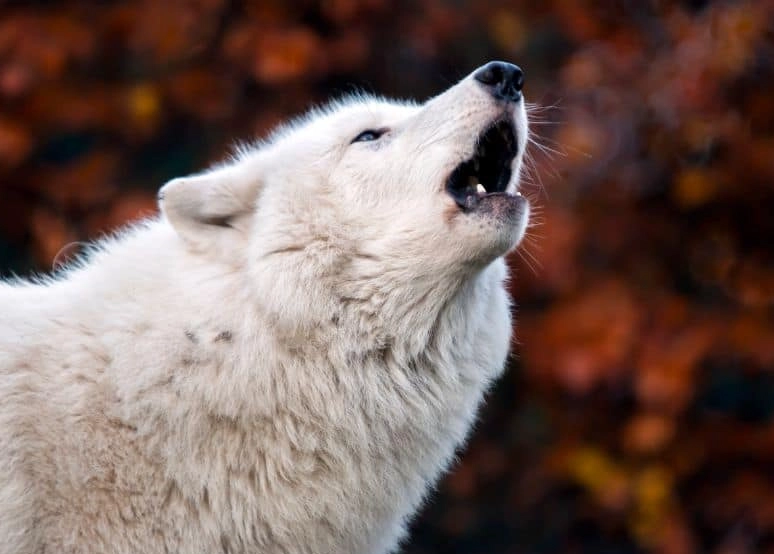
A Personal Reflection: Why Context is Everything
Here's the thing most online glossaries miss: a white wolf dream can be unsettling, not just magical. I recall a period in my own life, overwhelmed by people-pleasing at a corporate job, where I dreamt of a magnificent white wolf. But in the dream, I was desperately trying to put a leash on it, to make it behave in a shiny, polished office. The wolf looked at me with what I can only describe as profound disappointment before fading away.
That wasn't a dream about spiritual guidance. It was a stark, personal critique. My subconscious used the pure, powerful symbol of the white wolf to show me how I was trying to tame and dishonor my own wild spirit for external approval. The emotion was shame, not awe. The lesson wasn't "trust your guide," but "stop betraying yourself."
This is why the checklist above matters. The same symbol can carry a warning or a celebration based entirely on your personal story and current struggles.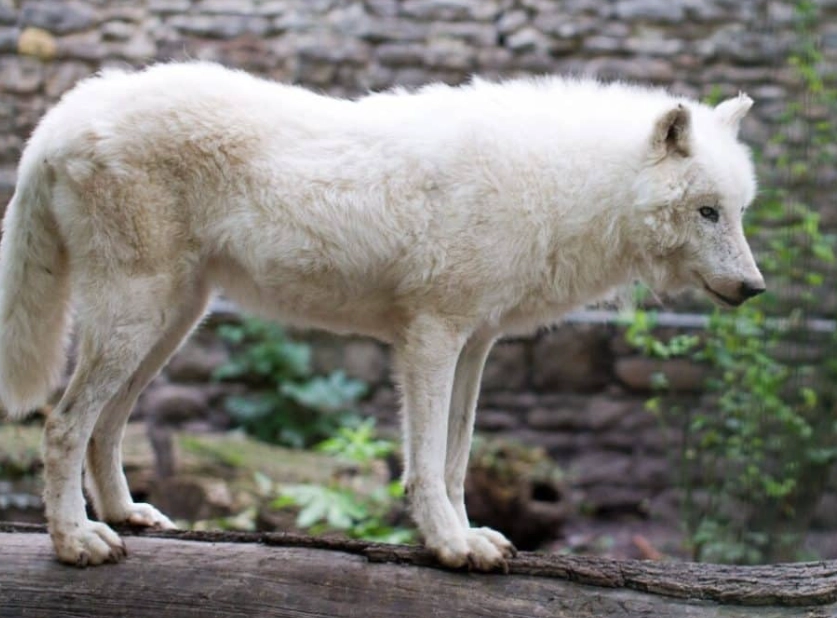
Your White Wolf Dream Questions Answered
I dreamt of a white wolf chasing me. Does this mean I'm in danger?
Rarely literal danger. More likely, it's a metaphor for an unavoidable truth or a aspect of yourself you're avoiding. The "danger" is in continuing to run. Ask yourself: what change, truth, or personal power am I so afraid of that my mind pictures it as a chase? Confronting that, even just by acknowledging it while awake, often changes the dream pattern.
Is a white wolf in a dream always a positive sign?
Not always. While it's a powerful and often benevolent symbol, its meaning is neutral until colored by your context. A white wolf in a barren, frozen landscape might speak to feelings of spiritual isolation or a "cold" period in your life. Positive or challenging, the sign is usually about necessary strength or truth, which isn't always comfortable.
How is a white wolf different from dreaming of a grey or black wolf?
The color shifts the emphasis. A grey wolf often relates more directly to social dynamics, your "pack," and raw instinct in the material world. A black wolf can delve deeper into the shadow self, mystery, the unknown, or repressed power. The white wolf specifically elevates the conversation to include spirituality, purity of intent, and new cycles. It's the most "transcendent" of the wolf dream symbols.
What should I do after having a vivid white wolf dream?
First, write it down with as much detail as possible. Then, sit with the feeling it left you. Don't force an interpretation. Over the next few days, practice paying extra attention to your gut feelings and intuitions in waking life. The dream is often an activation, a nudge to start trusting that inner voice more. You might also explore it through art, journaling, or meditation, not to "solve" it, but to continue the dialogue it started.





Comments
Join the Conversation