You're walking through the woods, maybe in your own backyard, and a bolt of orange and black zips past. That unmistakable whistle follows. It's an oriole. For a moment, the world feels brighter. But then a thought nags at you—what does that mean? Is it just a pretty bird, or is there something more to the encounter? If you've ever asked that question, you're not alone. The search for oriole meaning taps into a deep human instinct to find messages in the natural world.
I've spent over a decade watching birds, not just cataloging species, but listening to the stories people tell about them. The oriole comes up again and again. It's rarely a neutral sighting. People feel something. Joy, curiosity, a sense of a nudge from the universe. The common online lists will tell you it means "joy" and "new beginnings," and they're not wrong. But they often miss the nuance, the cultural depth, and the specific, actionable ways this symbolism plays out in real life. More importantly, they skip the part where people misidentify birds all the time, leading to a lot of confused symbolism. We'll get to that.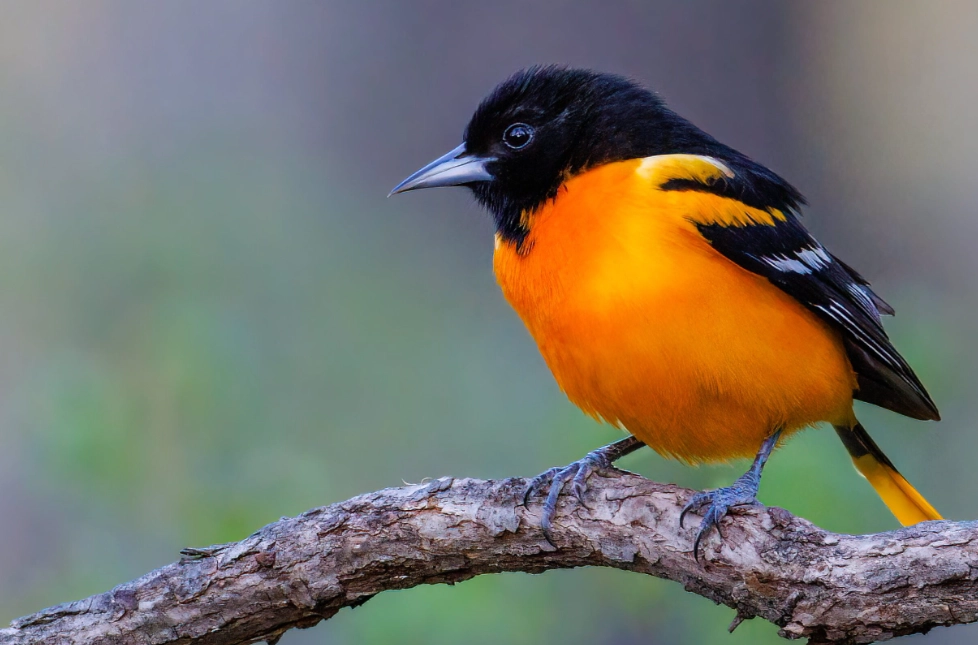
This guide is different. We're going beyond the one-line definitions. We'll dig into the oriole's meaning across different cultures, explore what it might signal in your spiritual or personal life, and give you the tools to interpret your own experience with clarity. Let's start with what you're probably here to find.
What You'll Find in This Guide
How the Oriole's Looks and Behavior Build Its Meaning
Symbolism doesn't come from nowhere. It's woven from the threads of what an animal actually does and how it appears. The oriole's meaning is a direct reflection of its biology.
Think about its most striking feature: vibrant, contrasting color. That flash of orange, gold, or yellow against deep black isn't just for show. In symbolism, bright colors like these are almost universally tied to the sun, vitality, creativity, and standing out. The oriole doesn't blend in. It announces itself. This translates to meanings of confidence, expressing your true self, and bringing your inner light into the world. If you've been hiding a creative project or dimming your personality, an oriole sighting can feel like a cosmic thumbs-up to let it shine.
Then there's its song—a rich, fluty whistle that carries. It's not a timid chirp. This connects to themes of communication, finding your voice, and making yourself heard in a positive way. Maybe there's a conversation you've been avoiding, or an idea you need to share.
And the nest? Orioles are master weavers, creating intricate, hanging pouches high in tree branches. This is a big one. The craftsmanship speaks to skill, artistry, safe haven, and building something beautiful from available resources. It suggests creating a secure and elegant foundation for your life or a new venture.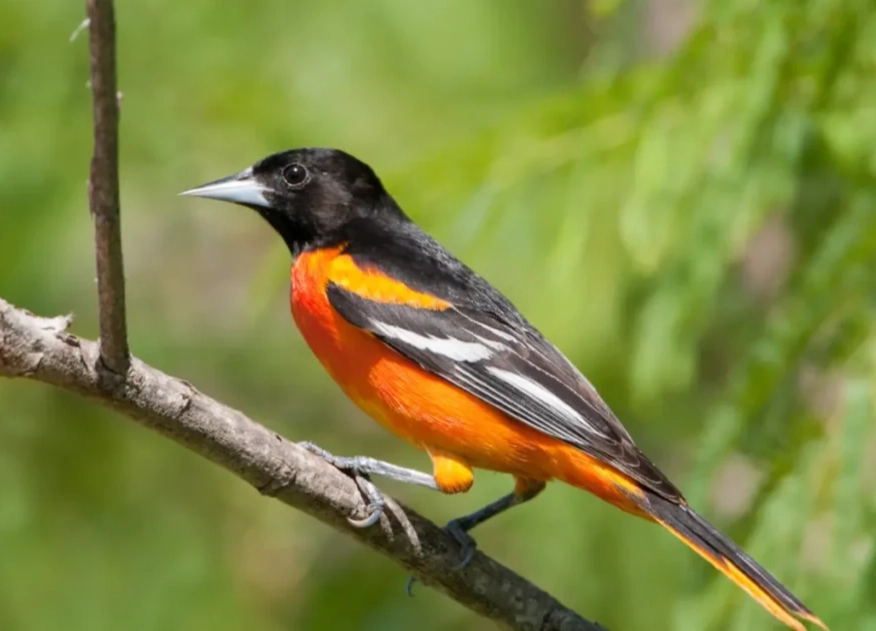
Oriole Meanings Across Different Cultures and Traditions
This is where it gets fascinating. The oriole's meaning shifts depending on the cultural lens. If you only look at one tradition, you're missing a huge part of the picture.
In Native American Traditions
Interpretations vary by tribe, but a common thread is the oriole as a bearer of good news and a positive omen. Its arrival heralds good weather for planting or successful hunts. In some stories, the oriole's bright colors are explained as a reward for a kind deed, linking it to themes of generosity and karma. I've spoken with cultural practitioners who emphasize the bird's role as a reminder to maintain a sunny disposition even during difficult times, much like the bird sings in the rain.
In Chinese Culture and Symbolism
This is a major one. The oriole (often referred to as the "golden oriole") is a deeply auspicious symbol. Its Chinese name, huánglí, sounds like a phrase meaning "establishing profit" or "royal order," making it a symbol of good fortune, prosperity, and harmonious leadership. It appears in classical poetry and art as a messenger of spring and a symbol of joyful union. In the context of dreams, a singing oriole is considered an excellent omen, potentially indicating upcoming success or a happy marriage.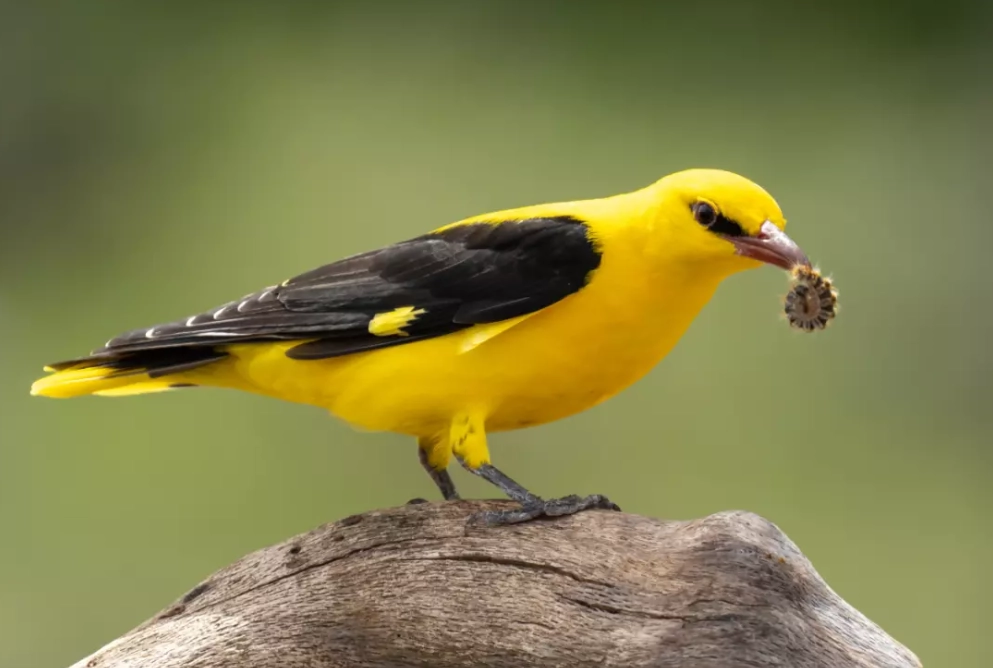
In Western and Christian Symbolism
The oriole's golden hues linked it to the divine. Medieval bestiaries sometimes associated it with the passion of Christ due to its color, symbolizing sacrifice and resurrection. In a more general European folklore context, its bright plumage was seen as a gift from the sun, making it a symbol of light overcoming darkness, hope, and spiritual illumination. It's less about doctrine and more about that universal feeling of hope its appearance inspires.
The Oriole as a Spiritual Messenger & Interpreting the Signs
So, you've seen an oriole and you feel it was meaningful. How do you move from a general symbol to a personal message? Context is everything.
First, discard the idea that every oriole sighting is a monumental sign. Sometimes a bird is just a bird. The meaningful encounters are the ones that linger. The one that appears repeatedly, lands unusually close, shows up in a dream, or arrives at a moment of deep questioning.
Here are some specific scenarios and what they might be nudging you toward:
- During a period of creative block: The oriole is a classic muse. Its appearance could be a prompt to play, experiment, or approach your project from a new, more colorful angle. Don't force it; let the joy back in.
- When facing a major life decision (career change, move, relationship): As a symbol of new beginnings, the oriole can signal that it's a fertile time to plant seeds for the next chapter. The weaving of the nest suggests you have the skills to build what comes next.
- If you've been feeling unseen or unheard: That bright flash and loud song are a reminder to step into the spotlight. Share your opinion. Apply for that position. Sing your song.
- After a loss or a difficult winter (literal or emotional): The oriole is a profound emblem of resilience and cyclical renewal. Its return is a promise that warmth and light follow darkness. It asks you to trust in the cycle.
What was happening in your mind the moment you saw it? That's your best clue. The oriole amplifies the energy already present in your life.
A Crucial Step Most People Skip: Telling Orioles Apart
This is the expert-level advice. A huge amount of confused symbolism comes from simple misidentification. Not every black and orange/yellow bird is an oriole with the meanings we've discussed.
In North America, people often mistake the American Redstart (a warbler) or even the Eastern Towhee for an oriole at a quick glance. In Europe, the Golden Oriole is the primary species, but it's more elusive and greenish-yellow. Applying "oriole meaning" to a different bird dilutes the message.
Here’s a quick guide to key identifiers:
| Bird | Primary Colors | Key Distinguishing Features | Habitat/Season |
|---|---|---|---|
| Baltimore Oriole | Bright orange, black head/back | Solid orange belly, pointed gray beak, woven hanging nest. | Deciduous woods, edges, yards in spring/summer. |
| Bullock's Oriole | Orange, black eye-line & throat | Large white wing patch, orange face. | Western US, open woods, riversides. |
| American Redstart | Black with orange patches | Constant tail-fanning, orange is on sides/wings, not belly. | Flicks tail nervously, forests. |
| Eastern Towhee | Black, white, rufous sides | Chunky body, white belly, "Drink-your-tea!" song, forages on ground. | Brushy areas, leaf litter. |
Take an extra second to look. Confirm the beak shape, the flight pattern, the song. Knowing you saw a true oriole makes the symbolic connection much more potent and accurate.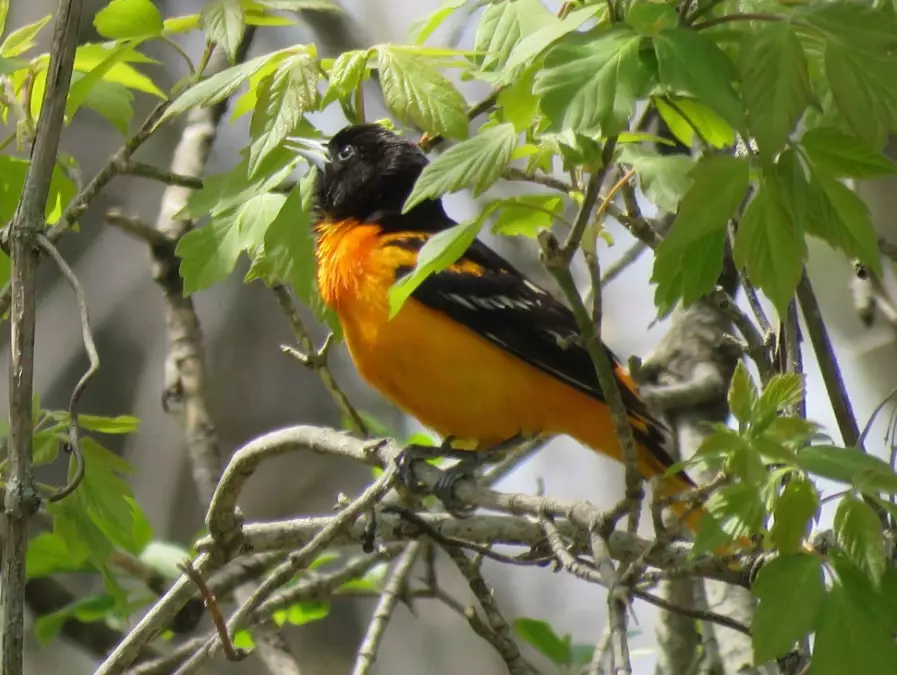
Your Oriole Questions, Answered with Depth
I keep seeing orioles near my new house. Does this mean the property is lucky?
In many traditions, yes, an oriole choosing to nest or frequent a place is seen as a blessing. It suggests the environment is healthy, safe, and supportive of life—qualities you'd want in a home. Beyond luck, see it as a validation of your choice. The oriole is a master builder selecting a prime location; its presence echoes your own act of creating a home. It's an encouragement to put down roots and weave your own life into that space joyfully.
What's the difference between an oriole meaning in a dream versus seeing one awake?
Dreams amplify symbolism. A dreaming mind connects dots your waking brain might filter out. An oriole in a dream often points to an internal message about your psyche. Are you dreaming of a brightly singing oriole? Your subconscious might be urging you to express a stifled joy or talent. A silent or trapped oriole? Perhaps you feel your creativity or voice is blocked. The dream context (were you happy, scared, searching?) is the key to your personal interpretation. Waking sightings are often more about external confirmation or timing in your real-world journey.
 I put out orange slices and jelly for orioles. Does attracting them this way "count" for symbolic meaning?
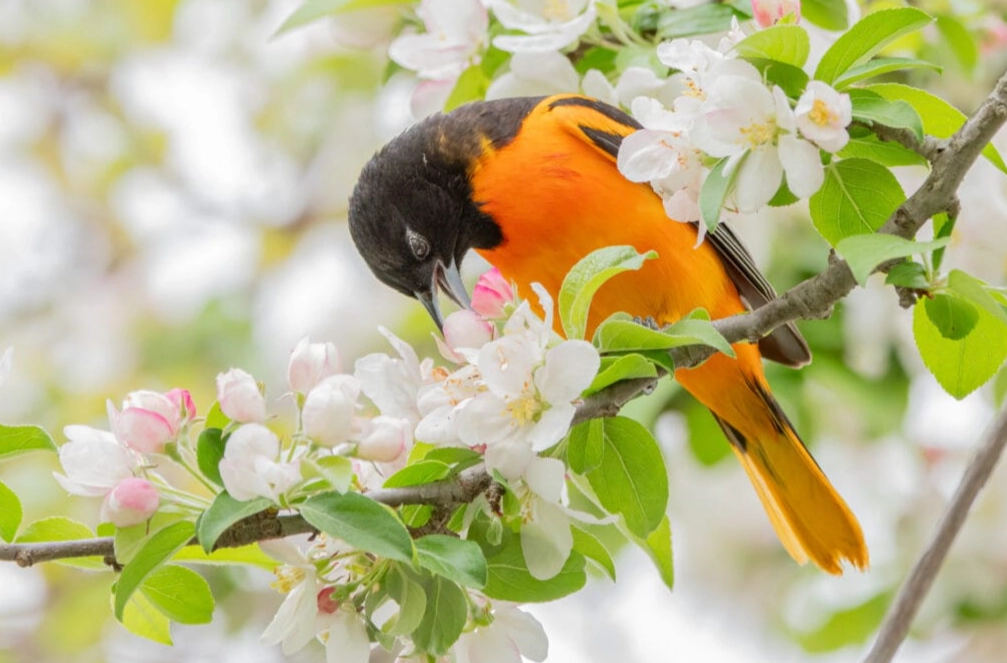
Absolutely, and in a beautiful way. You're participating in a relationship. By creating a welcoming space, you've initiated an exchange. The oriole's visit in this case is a direct response to your offering of sweetness and sustenance. Symbolically, this can mean that the joy or new beginning you seek is attracted by your own generous, welcoming actions. It's a lesson in reciprocity. You put good energy out (the food), and a symbol of good energy returns. The meaning is deepened by your active role in the encounter.
Is a dead oriole a bad omen?
Finding any dead animal can be unsettling. It's crucial not to jump to a fear-based interpretation. In the cycle of nature, death makes way for new life. While it may not carry the same vibrant, joyful message as a living sighting, it can be a sobering reminder of life's fragility and cycles. It might ask you to consider what in your life has reached its natural end, making space for something new (the oriole's core theme of renewal, viewed from a different angle). Handle the moment with respect, but don't let it frighten you. Look for the transformation within the ending.
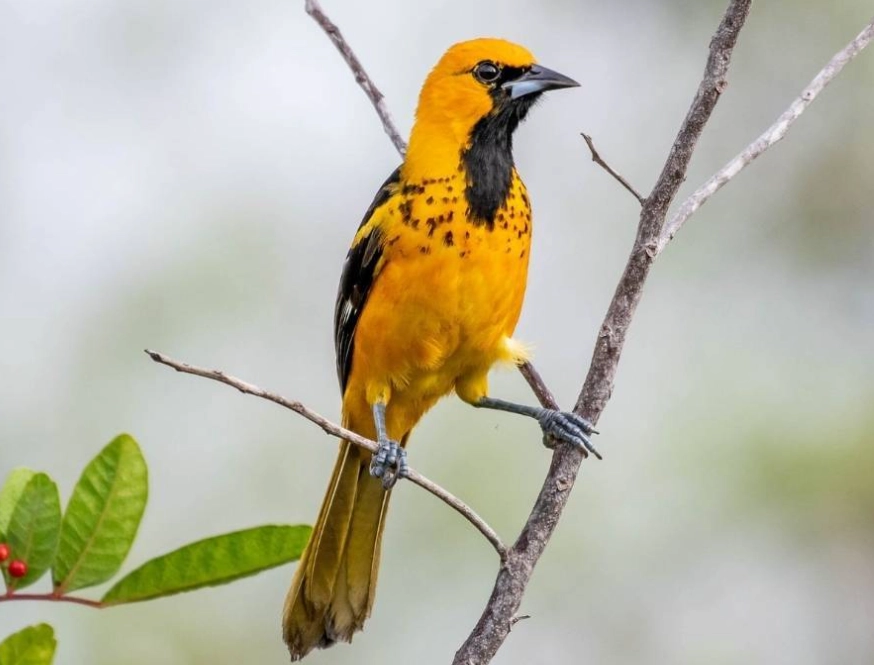 The oriole's meaning is a rich tapestry woven from color, song, and season. It's not a single definition but a spectrum of encouragement: to create, to speak, to begin anew, and to do it all with a flash of brilliance that can't be ignored. Next time you hear that whistle or see that streak of orange, pause. Look closer. Listen. The message isn't generic; it's tailored to the moment, waiting for you to unpack it.












Comments
Join the Conversation