Quick Guide
- What Does It *Actually* Mean? Beyond Simple Fear
- Location, Location, Location: Where in the House Matters
- The Psychology Behind the Eight-Legged Intruder
- Common Scenarios and What They Might Point To
- A Practical Toolkit: What to Do After the Dream
- How Different Dream Interpretation Schools View It
- Frequently Asked Questions (The Stuff You're Actually Searching For)
- When to Dig Deeper and When to Let It Go
- Wrapping It Up: Your House, Your Rules
Let's be honest. Waking up from a dream where you've spotted a tarantula, just hanging out in your living room or scuttling across your bedroom floor, is a uniquely unsettling experience. It sticks with you. That heavy, hairy presence in a place that's supposed to be your sanctuary. You're left wondering, "What on earth was that about?" Is it a bad omen? A sign of stress? Or just a random, creepy movie your brain decided to screen at 3 AM?
I've talked to plenty of people about dreams like this, and I've had my own share of bizarre nighttime narratives. The dream about a tarantula in the house is one of those classics that pops up more often than you'd think. It's not just you. And while I'm no Freud (some of his interpretations feel a bit too... focused, if you catch my drift), I've spent a lot of time digging into modern dream psychology and symbolic meaning. The goal here isn't to give you one rigid answer, but to explore the landscape. To look at the different rooms of this dream, so to speak, and see what might be lurking in the corners of your own mind.
What Does It *Actually* Mean? Beyond Simple Fear
Most people's first guess is straight-up terror. And sure, a dream about a tarantula in the house can absolutely be about fear or anxiety. But it's rarely that simple. Tarantulas are fascinating creatures—often perceived as dangerous, but in reality, most species are quite docile and their venom isn't lethal to humans. This gap between perception and reality is a huge clue. The dream might be pointing to a fear that's blown out of proportion in your waking life. A situation or person you perceive as a massive threat, that might, upon closer inspection, be more manageable than you think.
But let's break it down further. Symbolically, spiders are creators. They weave intricate webs. A tarantula dream could be a nudge about a project or idea you're "weaving" together—perhaps one that feels overwhelming or intimidating to complete. The "house" part ties it directly to your personal world. So, maybe you're building something (a new career path, a relationship, a personal goal) that feels scary and huge, and it's taking up a lot of mental space at home.
Sometimes, it's about a sense of violation. Something or someone has crossed a line. Ever had a family member overstep? Or a coworker dump their emotional baggage on you? That feeling of an unwelcome presence in your personal sphere can manifest as this eight-legged intruder. The dream is a pretty clear signal from your subconscious: "Hey, your boundaries have been breached."
Location, Location, Location: Where in the House Matters
This is where it gets interesting. The specific room where your dream tarantula appears adds a crucial layer of meaning. It's like your subconscious is giving you a GPS coordinate for the issue.
The Living Room Dream
Dreaming about a tarantula in the living room often points to your social self, your family dynamics, or your shared spaces with others. The living room is for gathering, relaxing, connecting. A tarantula here might symbolize a tension in a family relationship, a social anxiety you're carrying, or a problem that's "out in the open" within your household but nobody wants to address. It's a public-facing part of your private world being threatened.
The Bedroom Dream
This is intimate territory. The bedroom is for rest, vulnerability, and sexuality. A tarantula dream here can be particularly jarring. It might relate to anxieties about intimacy, a fear of vulnerability, or something disturbing your peace and rest. If you're dreaming about a tarantula in the bedroom, ask yourself: What's keeping me up at night? What feels like an invasion of my most private self? It doesn't have to be sexual—it could be work stress literally invading your sleep space, or anxiety about a personal secret.
The Kitchen Dream
The kitchen is about nourishment, sustenance, and "digesting" experiences. A tarantula here could symbolize something that's poisoning your ability to nurture yourself or your family. It might be a toxic thought pattern, a relationship that drains you, or a habit that's unhealthy. What are you "feeding" yourself mentally or emotionally that feels toxic or frightening?
The Basement or Attic Dream
These are storage spaces, representing the subconscious, memories, and things we've tucked away. A tarantula in the basement or attic is a classic symbol of a buried fear, a repressed memory, or an old issue that's resurfacing. It's something from your past that's still lurking, feeling big and hairy and scary, even though it's stored away. This version of the dream is often a call to finally deal with something you've been avoiding.
The Psychology Behind the Eight-Legged Intruder
From a modern psychological standpoint, not just a symbolic one, why does our brain cook up this specific scenario? Most contemporary psychologists and sleep researchers lean into the "continuity hypothesis"—the idea that dreams often reflect our waking concerns, just in a distorted, metaphorical way.
Your brain is a pattern-making machine. It takes the emotional residue of your day—the stress from a looming deadline, the irritation from an argument, the underlying anxiety about a health check-up—and looks for a powerful image to encapsulate that feeling. The image of a large, foreign spider in your safe space is a winner. It's visually striking, emotionally charged, and personally relevant.
Anxiety and stress are the most common fuels for this dream. When your sympathetic nervous system is running a bit hot during the day, it doesn't always just switch off at night. The feeling of being on edge, of perceiving threats, gets translated. A study published by the American Psychological Association on stress and sleep underscores how daytime anxiety directly influences dream content, often leading to more bizarre and threatening dream imagery. You can read more about this research on the APA website in their topics on stress and sleep.
It's also a control thing. In the dream, you're often passive—watching the tarantula, frozen, trying to hide. This can mirror feelings of powerlessness in a waking situation. Maybe you feel you have no control over a work project, a family decision, or even your own schedule. The dream mirrors that lack of agency.
Common Scenarios and What They Might Point To
Not all tarantula dreams are the same. The little details—the action, the color, your reaction—change the meaning. Let's run through some of the most frequent reports I've heard.
Just Seeing It, Not Interacting: This is often about awareness. You've become conscious of a problem or fear, but you haven't engaged with it yet. It's just... there. Looming. The dream might be a nudge to start dealing with it before it moves.
The Tarantula is Chasing You: Pure avoidance. Something in your life feels like it's actively pursuing you, and you're in full flight mode. This is a classic anxiety dream pattern. What are you running from? A responsibility? A difficult conversation? A personal truth?
You Kill or Remove the Tarantula: This is a positive sign of confronting an issue. It shows an active attempt to regain control and eliminate a threat from your personal space. It suggests you have, or are developing, the resources to handle the waking-life situation.
The Tarantula is Giant or Unusually Colored: The bigger or more bizarre it is, the more your mind is amplifying the issue. A neon blue tarantula? That's not a real-world fear—it's a symbol of something that feels surreal, exaggerated, or uniquely disturbing in your life.
It's in a Cage or Container: This suggests you have contained a fear or problem, but it's still present within your "house." You're managing it, but it requires maintenance and vigilance. The danger is controlled, but not gone.
A Practical Toolkit: What to Do After the Dream
Okay, so you've had the dream. It freaked you out. Now what? Just knowing the potential meaning isn't always enough. Here are some concrete, practical steps that I and others have found useful. This isn't mystical hocus-pocus; it's about using the dream as a tool for self-reflection.
- Journal Immediately: Before you even get out of bed, if you can, grab your phone notes or a notebook. Write down every detail. Where was it? What was it doing? How did you feel? The details fade fast, and they're the most important part.
- Emotion First, Story Second: Ask yourself: "What was the core feeling?" Was it dread? Curiosity? Panic? That emotion is the most direct link to your waking life. Then, ask what in your current life makes you feel that same way.
- Sketch or Describe the Scene: Sometimes drawing the room, the spider, its position, can unlock connections that words don't. Don't worry about artistic skill—just get it on paper.
- The "As If" Exercise: Complete this sentence: "In my waking life, I feel as if there's a tarantula in my house because..." Let your mind fill in the blank without overthinking. The first answer is often the most honest.
- Check Your Boundaries: Do a quick audit. Have you said "yes" to too many things? Is someone demanding too much of your time or emotional energy? The dream about a tarantula in the house is very often a boundary alarm.
Look, not every dream needs a five-step analysis. Sometimes a weird snack before bed is the culprit. But if this dream is recurring, or if it hit you particularly hard, these steps can turn a creepy experience into a useful one.
How Different Dream Interpretation Schools View It
It's helpful to see how different frameworks might analyze the same dream. This table breaks down a few major perspectives. I find Jung's approach the most resonant for modern life, but see what clicks for you.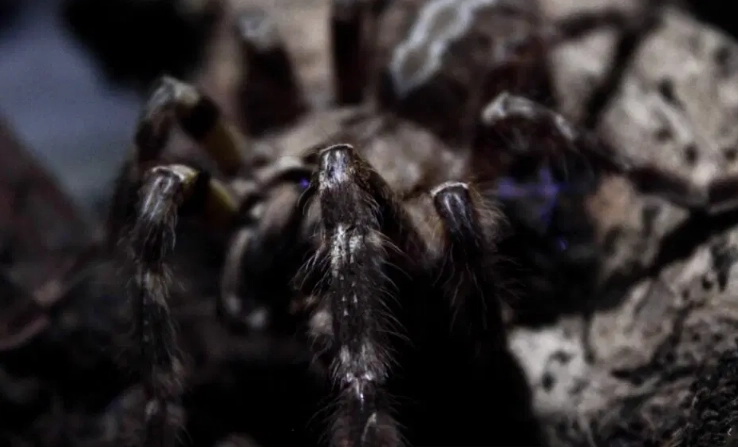
| Interpretation School | Core Belief About Dreams | Likely Interpretation of "Tarantula in House" |
|---|---|---|
| Freudian/Psychoanalytic | Dreams fulfill repressed wishes and reveal unconscious conflicts, often of a sexual or primal nature. | Might interpret the tarantula as a phallic symbol representing a feared or repressed aspect of sexuality or a domineering paternal figure invading the "house" of the self. |
| Jungian/Analytical | Dreams compensate for conscious attitudes and connect us to universal archetypes and the collective unconscious. | Could see the tarantula as a "shadow" aspect—a feared, rejected, or powerful part of the dreamer's own personality trying to enter conscious awareness (the "house"). It's an invitation to integrate this energy. |
| Cognitive/Neurobiological | Dreams are a byproduct of brain processing, memory consolidation, and learning, with less inherent symbolic meaning. | Would likely view it as the brain's attempt to process fear memories or stimuli, or to simulate threat scenarios in a safe (sleeping) environment. The "meaning" is in the emotional processing, not the symbol. |
| Modern Integrative/Symbolic | Dreams use personal symbolism to reflect waking-life emotions, challenges, and internal states. | Views it as a clear metaphor for an intrusive fear, anxiety, or problem (tarantula) that is affecting the dreamer's sense of safety, self, or personal life (house). Meaning is highly personal and context-dependent. |
See? One dream, many lenses. I lean towards the integrative view. It's less about a fixed dictionary meaning and more about your personal life context. A dream about a tarantula in the house for a person dealing with a hostile takeover at their family business will be different from that of a new parent feeling overwhelmed.
Frequently Asked Questions (The Stuff You're Actually Searching For)
When to Dig Deeper and When to Let It Go
Here's my personal take, after years of being fascinated by dreams. Not every weird dream needs a deep dive. If you had a one-off dream about a tarantula in the house after watching a nature documentary on spiders, you can probably just chuckle and move on. Your brain was just playing with recent images.
But.
If the dream felt emotionally charged, if it recurs, or if it pops up during a time of obvious life stress—that's when it's useful. Treat it like a piece of data about your inner state. It's not the ultimate truth, but it's a clue. The worst thing you can do is let it become a source of extra anxiety. "Oh no, I had the spider dream again, something terrible must be happening!" That just compounds the problem.
Instead, shift the mindset: "Huh, my brain is serving up a powerful metaphor about intrusion or fear. I wonder what's making me feel that way right now?" That turns a frightening experience into a curious, self-reflective one.
Wrapping It Up: Your House, Your Rules
At the end of the day, a dream about a tarantula in the house is about your space—mental, emotional, and physical. It's a vivid way for your mind to say, "Something here feels threatening, intrusive, or overwhelmingly large." The work isn't in decoding a universal secret code; it's in using the dream's imagery as a mirror to look at your waking life with fresh eyes.
Was there a boundary crossed? A fear being avoided? A creative project feeling monstrous? An old issue crawling out of storage?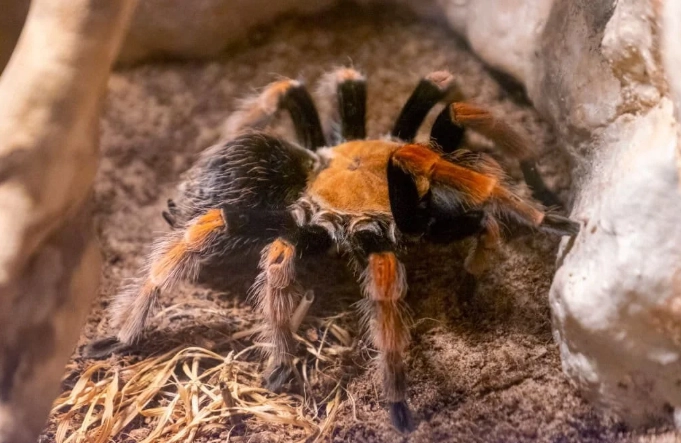
By exploring these questions, you do more than just understand a dream. You start to reclaim the sense of safety and control in your own "house." And that's the real goal—not just to figure out the dream, but to feel more at home in your own life, wide awake.
So next time you wake up from that creepy crawly scenario, take a deep breath. Get curious. Your mind is trying to tell you something in the only language it knows—the language of symbols. And understanding that language can be surprisingly empowering.











Comments
Join the Conversation