Waking up with your heart pounding, the echo of thunder and the chaos of a storm still vivid behind your eyelids—it’s a powerful experience. For years, I dismissed dreams about storms as simple anxiety replays. But after tracking my own and listening to hundreds of others, I’ve realized most common interpretations get it wrong. These dreams aren't just random fear. They’re one of your psyche’s most dramatic ways of getting your attention. Let’s cut through the generic symbolism and look at what these turbulent dreams are really trying to tell you, and more importantly, what you can actually do about it.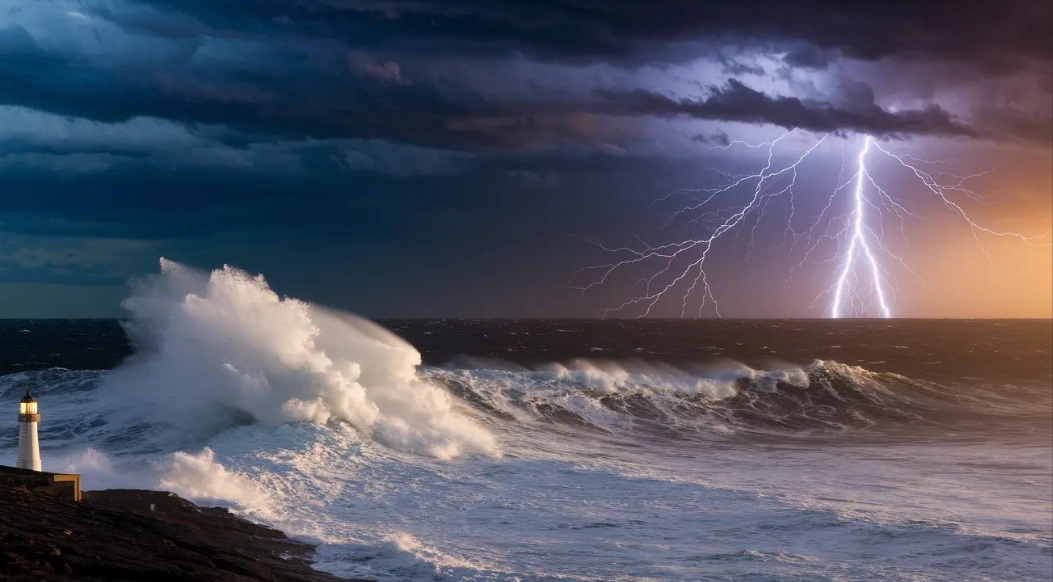
What You’ll Discover
Why Storm Dreams Demand Your Attention
Think of a storm in nature. It’s disruptive, powerful, and clears the air. It forces change. Your subconscious uses this exact metaphor. According to the American Psychological Association, dreams often process emotional experiences. A storm dream is rarely a literal warning about weather. It’s an emotional or psychological "weather system" playing out in your mind.
The biggest mistake I see? People jump straight to "it means chaos" and stop there. That’s like seeing a warning light on your dashboard and just saying "the car is broken." It’s not helpful. The type of storm, your position in it, and your actions are the specific codes you need to crack.
Is it a distant thunderstorm you’re watching calmly, or are you drowning in floodwaters? The difference is everything. One signals manageable upcoming change, the other screams feeling overwhelmed and powerless. Ignoring this detail is where most online dream dictionaries fail you.
The Core Idea: Pressure and Release
At their heart, all storm dreams revolve around pressure—emotional, mental, or spiritual—that needs release or resolution. Your dreaming mind constructs a storm narrative to show you the intensity and nature of that pressure. Your job is to translate the imagery back into your waking life context.
7 Common Storm Dream Scenarios & Their Hidden Meanings
Let’s get specific. Here are seven detailed storm dream scenarios I encounter most often, moving beyond the basic "storm = trouble" cliché.
1. Thunder and Lightning Dreams
You see brilliant flashes of lightning and hear booming thunder, but there’s little rain or wind.
Deep Dive Meaning: This is about sudden insight or shocking realizations. Lightning illuminates the dark for a split second. In your life, what truth is trying to “flash” into your awareness? It could be about a relationship, a job, or a self-deception you’re holding onto. The thunder is the jarring, unavoidable impact of that truth. I had a client who dreamed of constant lightning over her office building. A week later, she accidentally uncovered a major ethical problem at work—the dream was her intuition screaming what her conscious mind hadn’t yet grasped.
Action Prompt: Ask yourself: What uncomfortable truth am I avoiding? What recent event or thought felt like a “bolt from the blue”?
2. Tornado or Hurricane Dreams
The classic. A powerful, swirling vortex is approaching or destroying everything around you.
Deep Dive Meaning: This signifies feeling sucked into a situation that is spinning out of your control. It’s not general stress—it’s a specific vortex. Are you in a toxic dynamic that consumes all your energy? A project with ever-shifting goals? The tornado’s path is key. If it’s coming but you escape, you feel a threat is imminent but survivable. If you’re in the eye, it might reflect a temporary calm in the middle of chaos, a false sense of security. Many people have these dreams during family conflicts or corporate restructuring.
Action Prompt: Identify the “vortex” in your life. What person, obligation, or worry has a centrifugal force that pulls you in and disorients you?
3. Flood or Tsunami Dreams
Rising water, waves crashing, trying to stay afloat or find higher ground.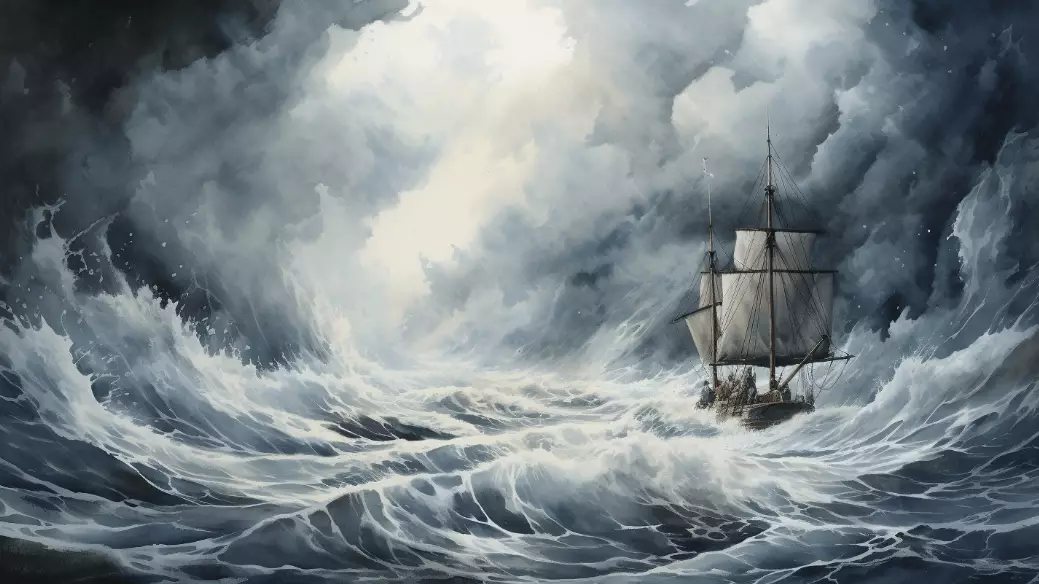
Deep Dive Meaning: This is the dream of emotional overwhelm. Water often represents emotion in dreams. A flood means those feelings are no longer contained; they’re bursting their banks. Are you “drowning” in grief, anger, or even unmet responsibilities? The source of the water matters. A tidal wave from the ocean (the unconscious) suggests a deep, old emotion surfacing. Rainwater flooding a street might point to daily irritations accumulating. A study published on NCBI links stress with dreams of natural disasters.
Action Prompt: Don’t just say “I’m stressed.” Name the primary emotion. Is it sadness, rage, or helplessness? Then, what’s the smallest dam you can build today? (e.g., setting one boundary, scheduling a vent session with a friend).
4. Watching a Storm from a Safe Place
You’re indoors, behind a window, watching a fierce storm rage outside. You feel secure, maybe even in awe.
Deep Dive Meaning: This is a positive and powerful dream. It indicates you have healthy detachment from a chaotic situation in your waking life. You’re in the storm, but not of it. You’ve found an internal sanctuary. This dream often comes after establishing good boundaries or gaining perspective on a previously consuming problem. It’s your psyche’s way of congratulating you on your resilience.
Action Prompt: Acknowledge your growth. What situation did you recently gain healthy distance from? Reinforce whatever practice (mindfulness, therapy, saying no) that created that “safe house.”
5. Driving Through a Heavy Storm
You’re behind the wheel, windshield wipers on full blast, struggling to see the road ahead.
Deep Dive Meaning: This is a dream about your life’s direction and clarity. The car represents your path or career. The storm is the confusion, uncertainty, or external noise obscuring your way forward. Are you forcing progress (“driving”) when you actually have low visibility on a big decision? The dream asks if you should pull over and wait for clarity rather than white-knuckling it through the downpour. It’s a call for patience, not effort.
Action Prompt: Where in your life are you pushing forward with poor visibility? Consider a strategic “pull-over.” This could mean pausing a plan, seeking advice, or collecting more information before deciding.
6. The Storm Passes & The Sky Clears
The dream starts with the storm but ends with it passing, revealing calm skies, a rainbow, or bright sun.
Deep Dive Meaning: This is a dream of resolution, cleansing, and hope. Your subconscious is forecasting an end to a difficult period. It’s a psychological release valve, offering reassurance that the turmoil has a purpose and will subside. This can be profoundly healing. It doesn’t mean the work is done, but it confirms you’re moving through it. I view these as the mind’s way of building resilience by previewing the peace on the other side of struggle.
Action Prompt: Hold onto this feeling. Write down the imagery of the clear sky. When daytime feels stormy, recall this dream as evidence that your psyche believes in renewal.
7. Recurring Storm Dreams
The same storm scenario repeats over weeks, months, or even years.
Deep Dive Meaning: This is a persistent, unresolved issue knocking loudly on the door of your consciousness. Your subconscious won’t let it go because you haven’t addressed the core lesson in waking life. Each recurrence might add slight variations—pay attention to those. They’re clues to what’s changing or what action you’re finally considering. Recurring dreams are like a pop-up notification you keep clicking away without reading. The Mayo Clinic notes that recurring dreams can be linked to unresolved stress or trauma.
Action Prompt: This is your top priority. Journal about every single detail of the last recurrence. What was different? What felt more intense? Then, commit to one concrete action—like a difficult conversation or a therapy appointment—to address the root cause. The dream will likely shift or stop once you do.
A Crucial Note: When Storm Dreams Might Signal More
While most storm dreams are psychological, pay attention if they are extremely violent, cause sleep avoidance, or are paired with waking symptoms like panic attacks. In such cases, they could be related to conditions like PTSD or severe anxiety disorders. This isn’t about dream interpretation; it’s about health. If your dreams are causing significant distress, please consider speaking with a mental health professional. It’s a sign of strength, not weakness.
How to Respond to a Storm Dream: A 5-Step Action Plan
Interpreting the dream is only half the job. The real value is in the response. Here’s a practical plan you can use the morning after.
Step 1: Record Immediately. Keep a notebook by your bed. Write everything—the type of storm, colors, your actions, the outcome. Don’t analyze, just document. Emotions are the most important data point. Were you terrified, awestruck, or numb?
Step 2: Connect the Emotion to Waking Life. Before looking at symbols, ask: “Where in my current life do I feel exactly this same emotion?” The link is usually direct. The feeling of being chased by a tornado might match the feeling of your inbox on a Monday morning.
Step 3: Check for Literal and Symbolic Pressure. Scan two areas: External Pressure (deadlines, conflicts, demands) and Internal Pressure (unexpressed feelings, unmet needs, spiritual longing). Which one feels more “charged”?
Step 4: Perform a Symbolic Action. This integrates the dream. If you dreamed of a flood, literally go for a swim or take a long bath to reconnect with water in a controlled, peaceful way. If you dreamed of lightning, spend 10 minutes brainstorming “flash” insights about a problem. It sounds quirky, but it tells your subconscious you’re listening.
Step 5: Choose One Small Release Valve. Based on steps 1-3, pick one tiny action to relieve pressure. It could be: “I will not check email after 7 PM” (calming the tornado) or “I will write down three things I’m angry about and then rip up the paper” (addressing the flood).
Your Storm Dream Questions Answered
Do dreams about storms predict actual bad luck or disaster?
Almost never. This is a superstitious hang-up that causes unnecessary fear. Storm dreams are metaphors for internal emotional or psychological states, not psychic forecasts for external events. Interpreting them as literal doom prophecies misses their entire purpose as a tool for self-awareness and can increase anxiety. Focus on the emotional weather inside you, not the weather outside.
I keep having the same hurricane dream. I’ve analyzed it to death but it won’t stop. What am I missing?
You’re likely stuck in analysis paralysis. The dream isn’t recurring for more analysis; it’s recurring for action. You’ve identified the “hurricane” (e.g., your demanding family). The dream won’t stop until you make a tangible change in how you interact with that situation. This could be setting a firm boundary, expressing a long-held feeling, or even changing your physical proximity. The subconscious speaks in metaphors but demands real-world movement.
Are storm dreams a sign of anxiety or depression?
They can be a symptom, but not a diagnosis. Intense, frightening storm dreams often accompany periods of high stress or anxiety—they’re the mind’s dramatic expression of that tension. However, having a storm dream doesn’t mean you have an anxiety disorder. Look at the pattern. Is it an occasional dream during a tough week, or a nightly terror that ruins sleep? The latter, especially with daytime symptoms like constant worry or low mood, suggests it’s time to talk to a doctor. The dream is a signal flag, not the illness itself.
Can storm dreams ever be positive?
Absolutely, and this is a key point most miss. Dreams where you survive the storm, find shelter, or see the sky clear afterward are profoundly positive. They are narratives of resilience, cleansing, and emotional catharsis. They show your psyche working through conflict and arriving at resolution. A storm that ends with a rainbow is one of the most hopeful symbols your mind can produce. Pay more attention to the ending than the chaos.
 Dreams about storms are not your enemy. They’re not trying to scare you for no reason. They are a primal, vivid language your inner self uses to communicate about pressure, change, and emotional release. The next time you wake up from one, don’t just feel rattled. Get curious. Grab your notebook. Ask what pressure needs a release valve. By learning to listen and respond to these dramatic dreams, you’re not just interpreting symbols—you’re learning to navigate the inner weather systems that shape your waking life. And that’s a skill no generic dream dictionary can ever give you.











Comments
Join the Conversation