You jolt awake, heart pounding. The image of flames licking the walls of a house—maybe your house—is seared behind your eyelids. A dream of a house on fire is one of the most common, yet most alarming, dream experiences. Let's be clear upfront: this is almost never a premonition. It's a signal. Your subconscious is using a universal, dramatic symbol to get your attention about something in your waking life that feels urgent, out of control, or in need of radical change. I've worked with dream symbols for years, and the mistake I see most? People get stuck on the fear and miss the message entirely.
What to Expect in This Guide
- Why This Dream Is (Almost) Never a Literal Warning
- Your Mental Blueprint: What Each Part of the House Means
- The Fire Itself: Size, Control, and Your Emotional Gauge
- What to Do After You Wake Up: A Practical 4-Step Process
- Common Mistakes People Make Interpreting Fire Dreams
- Your Burning Questions Answered
Why This Dream Is (Almost) Never a Literal Warning
First, breathe. According to the American Psychological Association, dreams are a form of nighttime thinking that help us process emotions and memories. Your brain isn't a psychic news feed; it's a meaning-making machine. It grabs the most intense imagery it can find to represent intense feelings.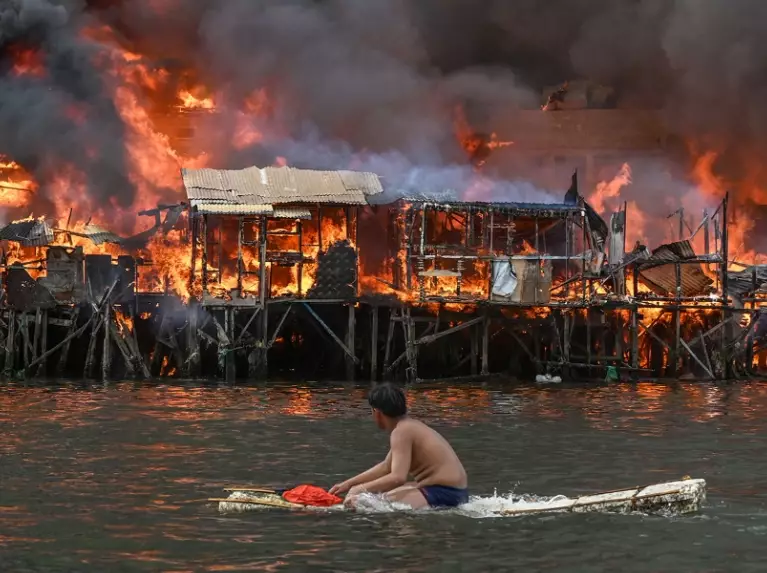
Think about it. A house, in dream language, almost always represents the self—your mind, your life, your body. It's your personal structure. Fire is primal energy. It destroys, but it also purifies, transforms, and provides warmth. Combine them, and you have a powerful metaphor for internal upheaval.
I had a client, Sarah, who kept dreaming her modern apartment was on fire. She was terrified it was an omen. In reality, she was in a high-stress corporate job that was burning her out. The "fire" was her own resentment and exhaustion, threatening to consume the "house" of her mental health. The dream wasn't predicting disaster; it was illustrating one already in progress.
Your Mental Blueprint: What Each Part of the House Means
Where was the fire? This detail is everything. A house isn't a monolith. Different rooms symbolize different aspects of your life. Ignoring this is like getting a medical report that just says "body sick" instead of pinpointing the ailment.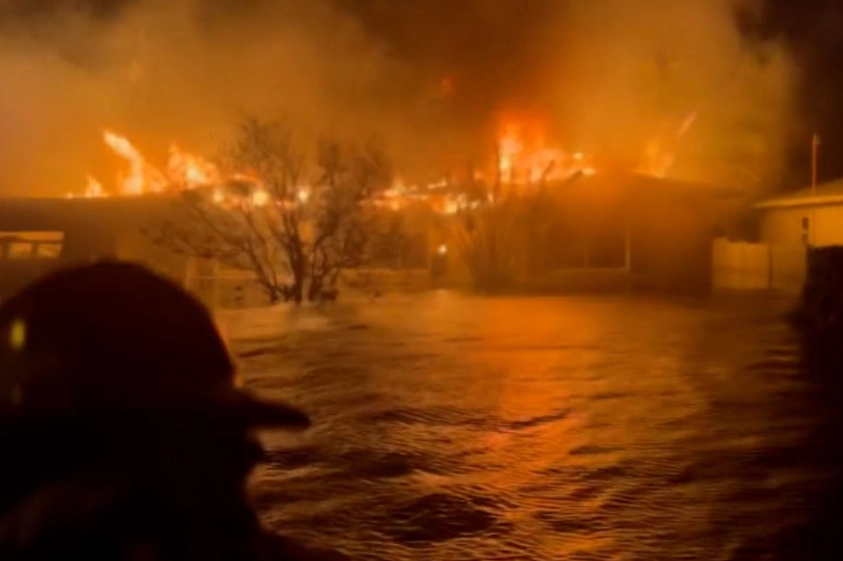
| Room / Area | Common Symbolic Meaning | Example Interpretation |
|---|---|---|
| Kitchen | Nourishment, family, daily routines, "heart of the home." | |
| Bedroom | Intimacy, privacy, rest, the unconscious self. | |
| Living Room | Social life, conscious mind, how you present yourself to others. | |
| Basement / Foundation | The subconscious, repressed memories, childhood, core stability. | |
| Attic | Memories, intellect, spirituality, stored away thoughts. | |
| The Whole House | A systemic issue affecting your entire sense of self. |
Was it a house you recognized? Your childhood home burning carries a different weight than a stranger's house. The childhood home ties the conflict directly to your foundational years and family patterns.
The Fire Itself: Size, Control, and Your Emotional Gauge
Now, examine the flame. This tells you about the intensity and nature of the "upheaval."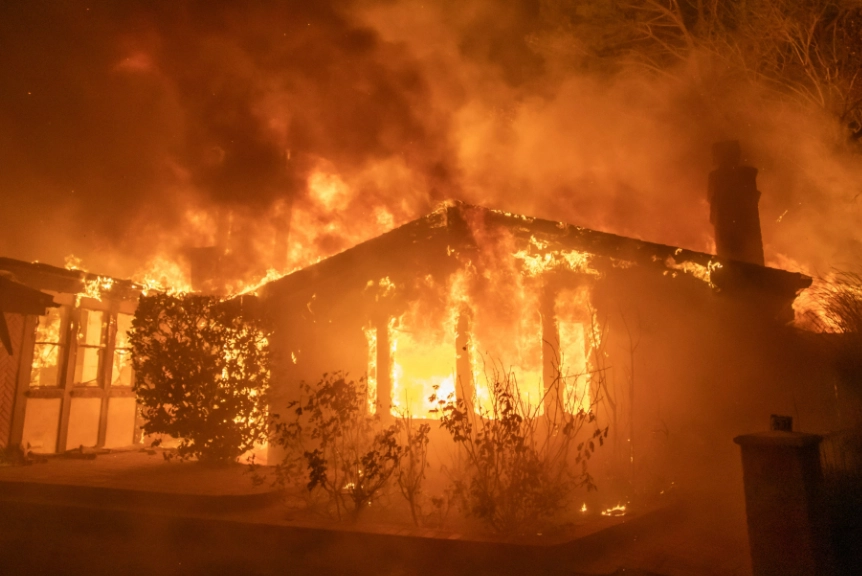
A Small, Contained Fire
Maybe it was just in the fireplace, or a single curtain. This often symbolizes a contained passion or a focused purge. You might be deliberately "burning away" a bad habit or a limited belief. It can feel creative, not destructive. The key question: Were you controlling it, or was it just starting?
An Out-of-Control Inferno
This is the classic anxiety dream. Raging flames, smoke, inability to stop it. This screams overwhelm. Something in your life feels like it's escalating beyond your control—a project at work, a financial worry, an emotional argument. The fire department showing up? That might represent your hope for external rescue or solutions.
You're the One Setting the Fire
This is a profound one. If you're lighting the match, it suggests a conscious or subconscious desire to initiate the destruction. You might be ready to end a phase of your life, a relationship, or a career path. It's a symbol of radical agency, even if it's scary.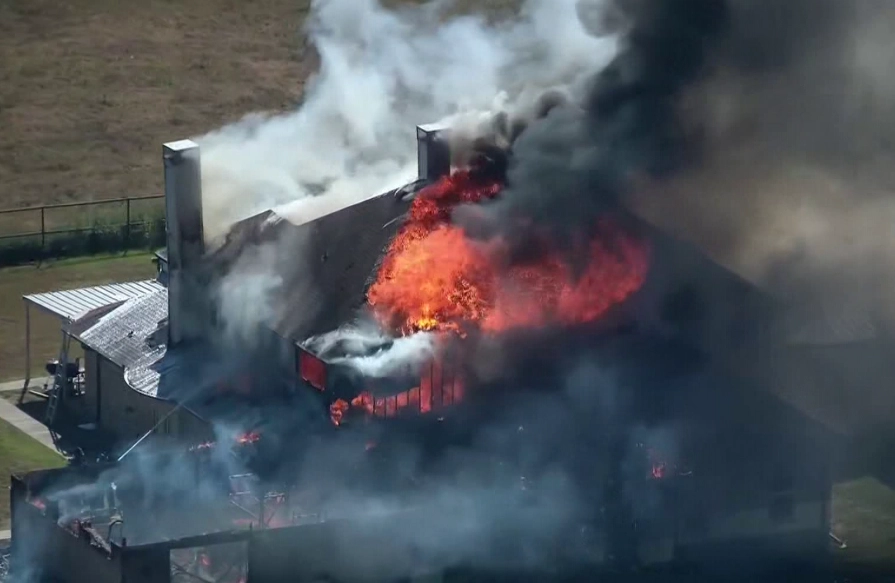
And what about your emotion in the dream? Pure terror is obvious. But what if you felt calm? Detached? I've had clients who watched their house burn with a sense of peace. That, to me, often indicates a deep, subconscious acceptance of a necessary ending. The old structure needs to go, and a part of you knows it.
What to Do After You Wake Up: A Practical 4-Step Process
Don't just shake it off and check your smoke alarms. Engage with the dream. This is how you turn anxiety into insight.
Step 1: Immediate Capture. Keep a notebook by your bed. Before you even get up, jot down every detail: rooms, fire source, colors, people, your actions, your feelings. Details evaporate faster than you think.
Step 2: The Feeling Translation. Ask yourself: "What in my current life feels most like this?" Does your job feel like a slow burn? Is a family tension simmering? Is there a passion project (a creative fire) you're neglecting? Don't censor yourself. The first analogy that pops up is usually the right one.
Step 3: Reality Check & Action. Look at the area of life your dream pointed to. Is the "fire" a warning about burnout? Then action might be setting boundaries, delegating, or taking a day off. Is it about repressed anger? Action might be journaling, talking to a therapist, or having a difficult conversation. The dream loses its distressing power when you use it as a diagnostic tool.
Step 4: Creative Reframing. This is an advanced move. If the dream was terrifying, try rewriting the ending in your imagination before you sleep the next night. Imagine containing the fire. Imagine saving a precious item from the house. This isn't denial; it's teaching your subconscious that you have agency over the symbolized problem.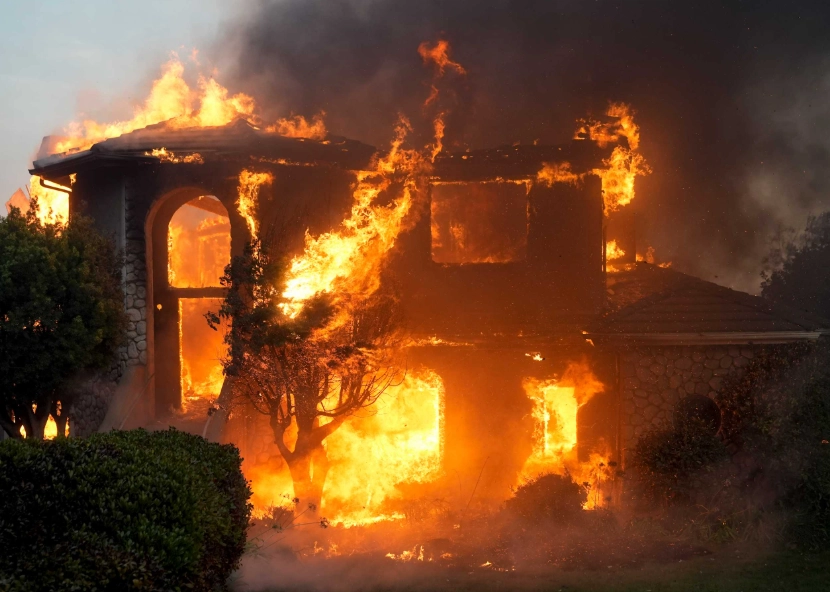
Common Mistakes People Make Interpreting Fire Dreams
After countless conversations, I see the same errors crop up.
Mistake 1: Hyper-Literal Interpretation. The immediate leap to "My house is going to burn down" causes needless fear and completely bypasses the symbolic, personal meaning. Your subconscious doesn't work in literal news alerts.
Mistake 2: Relying Solely on Generic Online Dictionaries. These sites will give you a one-size-fits-all meaning like "transformation" or "anger." That's like getting a horoscope. It might feel vaguely true, but it lacks the specificity of your personal context—the specific house, the specific fire.
Mistake 3: Ignoring Your Waking Life Context. A dream of a house fire during a peaceful, stable period is puzzling. The same dream during a divorce, a major move, or a career crisis is almost certainly commenting on that transition. Always cross-reference the dream with your current life landscape.
Mistake 4: Focusing Only on Destruction. Fire isn't just a destroyer; it's a catalyst. It clears deadwood for new growth. The most profound house fire dreams often precede periods of significant personal reinvention. The trick is to ask not just "What's being destroyed?" but "What space is being cleared for something new?"










Comments
Join the Conversation