You wake up, heart racing a bit, because you just found a stack of cash in your dream. Maybe it was on the street, in an old coat pocket, or under your pillow. It feels vivid, almost real. And now you're left wondering—what on earth does that mean? Is it a sign of good luck, or something deeper? Let's cut to the chase: dreaming of finding money rarely predicts a literal windfall. Instead, it's often a symbol from your subconscious, pointing to hidden emotions, unmet needs, or shifts in your waking life. I've spent years diving into dream analysis, and I've seen how people misinterpret these symbols all the time. In this guide, I'll walk you through what finding money in your dream actually signifies, how to interpret it step-by-step, and common mistakes to avoid.
Quick Navigation: What You'll Learn
What Does Finding Money in a Dream Actually Mean?
Most online sources will tell you that finding money in a dream means good fortune is coming. That's overly simplistic, and frankly, it sets people up for disappointment. From a psychological standpoint, money in dreams often represents value, self-worth, or resources—not just cash. Think about it: when you find money unexpectedly, it's about gaining something you didn't work for. In dreams, that can mirror feelings of undeserved reward, hidden potential, or even anxiety about scarcity.
The Psychological Perspective
Carl Jung, the famous psychologist, saw dreams as messages from the unconscious. Money, as a symbol, might relate to your "treasure"—talents, ideas, or aspects of yourself you've overlooked. For example, if you're struggling with self-doubt at work, finding money could be your mind's way of saying, "Hey, you have more skills than you think." I recall a client who dreamed of finding coins in her garden; after some reflection, she realized it correlated with rediscovering her passion for painting, which she'd neglected for years.
Freud had a different take—he linked money to deeper desires or conflicts, often tied to control or security. But modern dream analysis, like that discussed by the International Association for the Study of Dreams, emphasizes personal context. The meaning isn't fixed; it depends on your life.
Cultural and Symbolic Interpretations
Across cultures, money dreams vary. In some traditions, finding money is seen as a warning against greed, not a blessing. In others, it symbolizes spiritual abundance. Here's a quick breakdown based on common scenarios:
- Finding clean, new bills: Often points to new opportunities or a fresh start. But if it feels too easy, it might hint at imposter syndrome.
- Finding dirty or torn money: This can indicate unresolved guilt or "tainted" gains. Maybe you feel conflicted about a recent success.
- Finding coins instead of bills: Coins might symbolize small but valuable insights—details you're missing in daily life.
I've noticed that people often ignore the emotional tone of the dream. Were you excited, scared, or indifferent? That emotion is a huge clue. A dream where you find money but feel anxious could reflect financial stress, not hope.
How to Interpret Your Money Dream: A Step-by-Step Guide
Interpreting dreams isn't about memorizing symbols; it's about connecting dots in your own life. Here's a practical method I use, broken down into three steps. Skip the fluffy dream dictionaries—they're rarely accurate.
Step 1: Recall the Dream Details
Right after waking, jot down everything you remember. Don't worry about order; just get it out. Focus on specifics:
Key details to note: Where did you find the money? (e.g., street, home, workplace) How much was it? What condition was it in? Who was with you? How did you feel? These aren't random; they're anchors for interpretation.
For instance, finding money at work might relate to career ambitions, while finding it at home could tie to personal relationships. I once dreamed of finding a wad of cash in my childhood bedroom—turned out, it mirrored my nostalgia for simpler times, not financial gain.
Step 2: Analyze the Context
Link the dream to your waking life. Ask yourself: What's happening right now? Are you stressed about money, feeling undervalued, or on the brink of a change? Use this table to map common contexts:
| Dream Scenario | Possible Waking Life Connection |
|---|---|
| Finding money in a stressful situation | Anxiety about resources or support |
| Finding money and sharing it | Desire for collaboration or fear of dependency |
| Finding money but losing it quickly | Insecurity or fear of missed opportunities |
Don't force connections. Sometimes, the link is subtle. A friend dreamed of finding gold coins after starting a new hobby; it wasn't about wealth, but about the "value" she found in that activity.
Step 3: Connect to Your Subconscious Messages
This is where you dig deeper. Money dreams often highlight what you're neglecting. For example, if you're overworked, finding money might be a nudge to recognize your worth beyond productivity. I advise keeping a dream journal for a week—patterns emerge. One common pitfall: people assume positive dreams mean positive outcomes. Not always. A dream of finding money could be a compensatory fantasy if you're feeling deprived.
Try this exercise: Write down the dream, then list three emotions it evoked. Next, list three current life situations that trigger similar emotions. Overlap usually points to the core message.
Common Misconceptions About Money Dreams
Let's bust some myths. I've seen too many folks get led astray by oversimplified interpretations.
Myth 1: It Always Predicts Financial Windfalls
This is the biggest one. Dreaming of finding money doesn't mean you'll win the lottery. In fact, according to research on dream content by institutions like the Harvard University Psychology Department, most dreams reflect ongoing concerns, not prophecies. If you dream of cash and then get a bonus, it's likely coincidence, not causation. I've had clients who fixated on this, only to feel frustrated when nothing materialized. Instead, view it as a metaphor—maybe you're "finding" value in other areas, like relationships or health.
Myth 2: It's Just Random Brain Activity
On the flip side, some dismiss dreams as nonsense. Neuroscience shows dreams help process emotions and memories. Money symbols aren't random; they're shaped by your experiences. For example, if you grew up in a frugal household, finding money might trigger feelings of security or scarcity. Ignoring that misses a chance for self-awareness.
Another misconception: that all money dreams are positive. They can be, but often they're neutral or even negative. I recall a dream where I found money in a dark alley—it felt ominous, and later I linked it to an unethical proposal at work I was subconsciously wrestling with.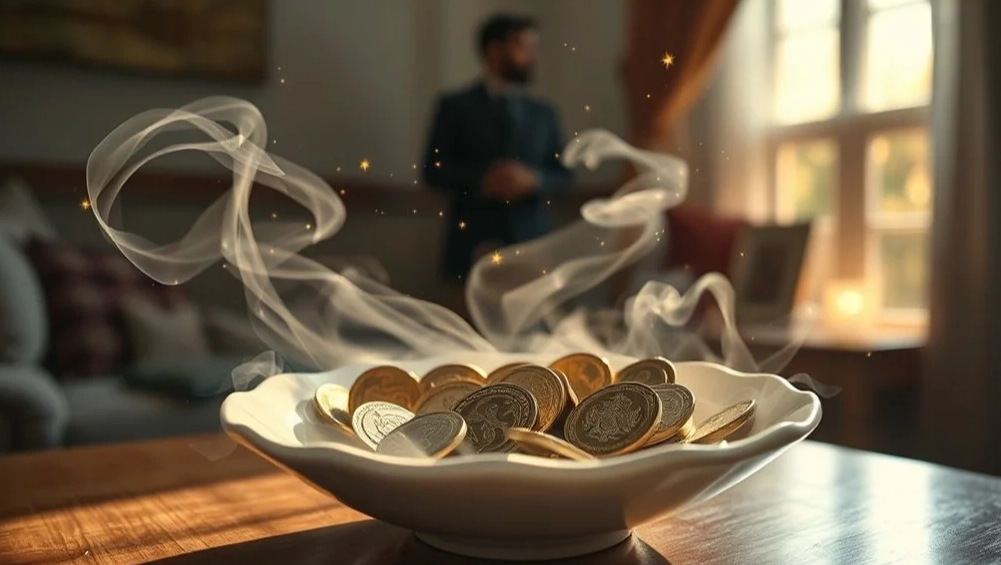
Case Studies: Real Examples of Money Dreams and Their Outcomes
To make this concrete, let's look at two cases from my experience. Names are changed for privacy.
Case Study 1: Sarah's Street Find
Sarah, a graphic designer, dreamed of finding a $100 bill on a busy sidewalk. She felt excited but guilty. In waking life, she was undercharging for her work and felt undervalued. Through our analysis, she realized the dream highlighted her "found" self-worth—she needed to assert her value more. She revised her pricing, and while no extra cash magically appeared, her confidence grew. The dream was about internal abundance, not external gain.
Case Study 2: Mark's Coin Collection
Mark, a teacher, kept dreaming of finding ancient coins in his backyard. He initially thought it meant hidden treasure. But in context, he was bored with his routine and craving intellectual stimulation. The coins symbolized "old knowledge" he could rediscover. He started a history blog, which brought him fulfillment. Here, the money dream pointed to untapped resources within himself.
These cases show how interpretation requires nuance. A quick online search might have told them they'd get rich, but the real value was psychological insight.
FAQ: Your Burning Questions Answered
 Dreams about finding money are more than just curious nighttime stories. They're windows into your subconscious, offering clues about your values, fears, and desires. By moving beyond superficial interpretations, you can uncover meaningful insights that impact your waking life. Remember, the goal isn't to predict the future, but to understand yourself better. Next time you find cash in your dream, take a moment to reflect—it might be pointing you toward something valuable you've been missing.












Comments
Join the Conversation