If you've ever woken up from a dream about a funeral feeling uneasy, you're not alone. Dreaming of a funeral is common, but most people get it wrong—they jump to conclusions about real death or bad luck. After over a decade of studying dreams and working with clients, I've found that funeral dreams almost never predict literal death. Instead, they're your subconscious shouting about change, endings, or hidden emotions. Let's cut through the noise and explore what a dreaming funeral really means, how to interpret it step-by-step, and why ignoring these dreams can leave you stuck in life.
Quick Navigation: What You'll Find Here
What Does a Dreaming Funeral Symbolize?
Funeral dreams aren't about death in the physical sense. They're metaphors. Your brain uses funeral imagery to process endings, transitions, or grief in your waking life. Think about it—funerals mark the close of a chapter, whether it's a relationship, a job, or an old habit. The International Association for the Study of Dreams notes that death symbols in dreams often relate to personal transformation, not mortality. So if you're dreaming of a funeral, your mind might be trying to tell you something about letting go.
I remember a client who kept having funeral dreams during a messy divorce. She was terrified it meant someone would die. But when we dug deeper, the dream was about mourning her marriage—the coffin symbolized the end of that partnership. Once she saw that, the anxiety faded.
Common Elements and Their Meanings
Break down your dream by looking at specific details. Here's a table I use in my practice to help people decode funeral dream elements. It's not exhaustive, but it covers the basics.
| Dream Element | Possible Meanings | Why It Matters |
|---|---|---|
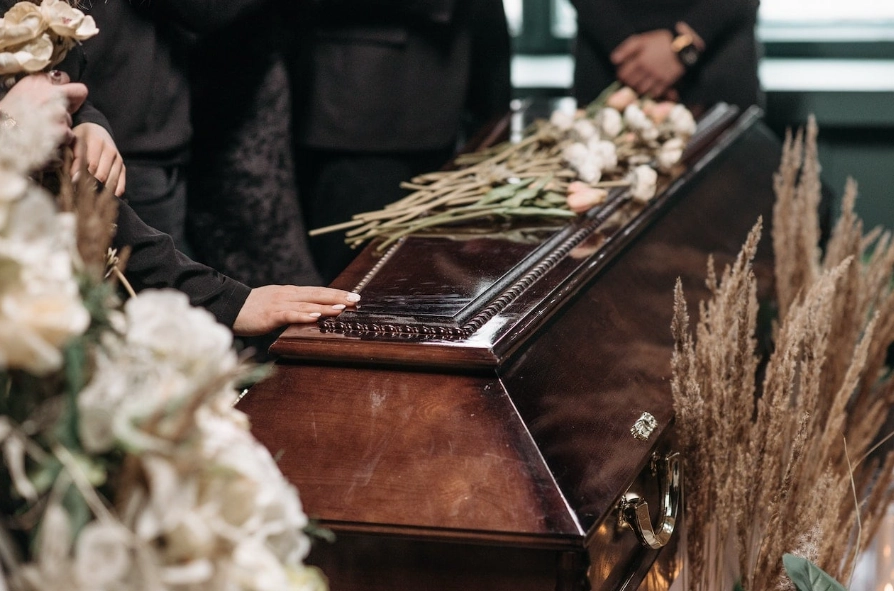
| Coffin | End of a phase, hidden emotions, or something you're "burying" like a secret or regret. | If the coffin is open, you might be confronting these issues; closed could mean avoidance. |
| Flowers (e.g., lilies, roses) | Grief, beauty in endings, or remembrance. Lilies often symbolize purity, while roses can mean love or loss. | The type and color matter—wilting flowers might indicate unresolved sadness. |
| Mourners or Attendees | Social connections, support systems, or people involved in the "ending." Seeing strangers could reflect unknown aspects of yourself. | Pay attention to who's there—if it's a family member, it might tie to family dynamics. |
| Your Own Role (e.g., deceased, mourner) | If you're the deceased, it often symbolizes a part of you that's dying off, like an old identity. As a mourner, you might be processing grief. | This is key—your role reveals how you're engaging with the change. |
| Weather (e.g., rain, sunshine) | Emotional tone. Rain can mean cleansing or sadness; sunshine might indicate acceptance or hope. | Atmospheric details add layers to the interpretation. |
Don't just take this table as gospel. Your personal context is everything. A coffin in one dream might mean career change, in another it could be about health fears. That's where most online guides fail—they offer generic meanings without urging you to connect dots in your own life.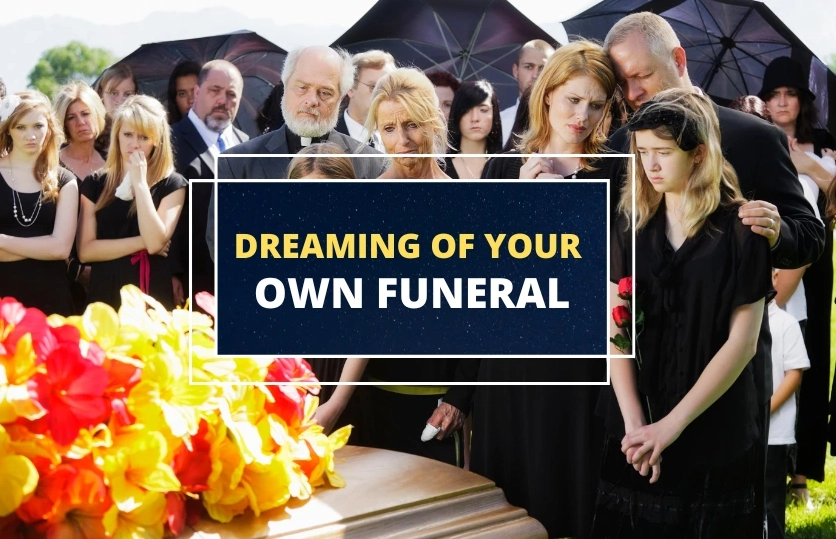
Pro Tip: Start a dream journal. Jot down every detail after a funeral dream—even the weird ones like a clown at the funeral (yes, I've heard that). Over time, patterns emerge. One of my clients realized her funeral dreams always happened before big decisions, like her mind's way of clearing space.
How to Interpret Your Funeral Dream: A Step-by-Step Guide
Interpreting a dreaming funeral isn't about memorizing symbols. It's a process. Here's a straightforward method I've refined over years, broken into actionable steps. Skip the fluff and focus on what resonates.
Step 1: Record the Dream Immediately
Wake up and write everything down. Use your phone if you must. Details fade fast. Note emotions—were you scared, calm, or indifferent? This emotional residue is more telling than the imagery itself. A study published in the journal Dreaming emphasizes that emotional intensity in dreams correlates with waking life stressors.
Step 2: Identify Key Symbols
Pick two or three standout elements from the dream. Refer to the table above, but don't force-fit meanings. Ask: What does this symbol mean to me personally? For instance, if you dream of a specific flower from your childhood garden, it might tie to past memories rather than generic grief.
Step 3: Link to Waking Life
This is where most people stumble. Look at your current life—any endings, transitions, or unresolved issues? Job changes, relationship breakups, even quitting a bad habit can trigger funeral dreams. I've seen clients who dreamed of funerals when they were considering moving cities; the dream symbolized "burying" their old home life.
Step 4: Consider the Overall Message
Synthesize the symbols and links. Is the dream urging you to let go, mourn something, or embrace a new start? Sometimes, funeral dreams are cathartic—they help you process grief you've been ignoring. Other times, they're wake-up calls. A client once dreamed of his own funeral and realized he was "dead" in his routine job; he later switched careers.
Step 5: Take Action (If Needed)
Dreams aren't just for analysis. Use the insight. If the dream highlights unresolved grief, maybe talk to a therapist. If it's about ending a toxic habit, make a plan. Action seals the interpretation.
Case Study: When a Dreaming Funeral Changed Someone's Life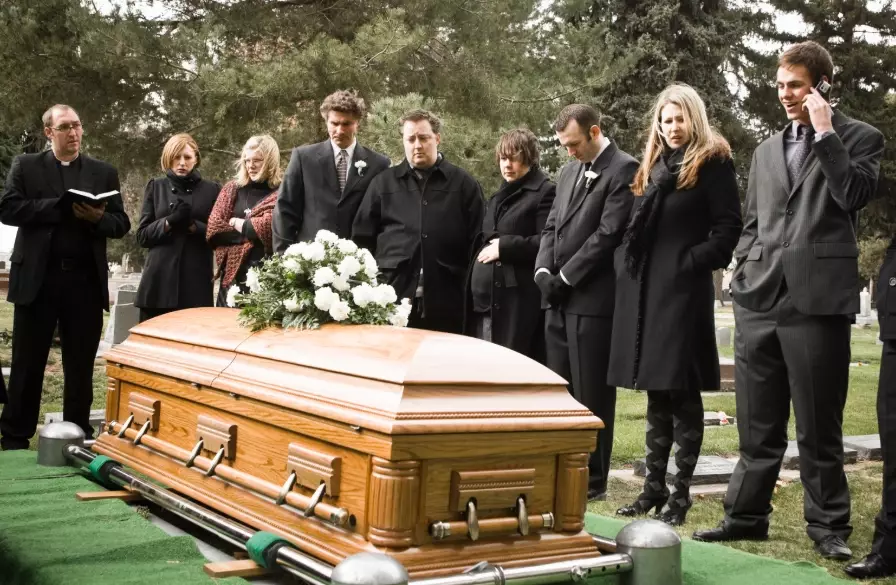
Let's make this concrete. Meet Sarah (name changed for privacy), a 35-year-old marketing manager. She came to me after recurring funeral dreams left her anxious. In her dream, she was at a funeral in a rainy cemetery, but she couldn't see the coffin clearly. Mourners were faceless, and she felt detached.
We applied the steps above. Sarah recorded the dream: emotions were numbness, not fear. Key symbols: rain (cleansing?), faceless mourners (lack of connection?), unclear coffin (ambiguity?). Linking to her life, she was in a stable but unfulfilling job, and her social life had dwindled since the pandemic. The overall message? Her subconscious was highlighting a "death" of social connections and career passion, but she was numb to it.
Sarah realized she'd been on autopilot. The dream wasn't about literal death; it was a nudge to revive parts of her life. She started reconnecting with friends and explored a side hustle in graphic design. Within months, the funeral dreams stopped. She later told me, "That dream was the kick I needed to stop burying my desires."
This case shows how dreaming funerals can be transformative if you dig past the surface. It's not always dramatic—sometimes it's about subtle shifts.
Common Misconceptions About Dreaming Funerals
There's a lot of bad advice out there. Let's clear up three big myths I see all the time.
Myth 1: Funeral Dreams Predict Actual Death
No, they don't. This is the most harmful misconception. In my experience, funeral dreams are symbolic, not prophetic. They reflect internal processes, not external events. The American Psychological Association resources on dream interpretation support this, noting that dreams rarely predict future occurrences in a literal sense.
Myth 2: They're Always Negative
Not true. Funeral dreams can be positive—signaling necessary endings for growth. I've had clients who felt relief after such dreams, like a weight lifted. If you dream of a peaceful funeral, it might mean you're accepting a change gracefully.
Myth 3: One-Size-Fits-All Interpretations
Online dictionaries that say "coffin equals death" are oversimplifying. Your personal associations matter more. For example, if you associate funerals with family reunions (some cultures do), the dream could be about connection, not loss.
I think the worst trend is people using dream apps that spit out generic meanings. They miss the nuance. Your dream is unique to you.
FAQ: Your Top Questions Answered
 Dreaming about funerals is a rich, complex experience. It's not something to fear or dismiss. By understanding the symbols, following a clear interpretation process, and avoiding common myths, you can turn these dreams into insights for personal growth. Remember, your subconscious is speaking in metaphors—listen closely.








Comments
Join the Conversation