Quick Guide: What's Inside
You wake up in a cold sweat, heart racing. Cockroaches were everywhere in your dream—crawling on the walls, scurrying under furniture. It feels gross, unsettling. But here's the thing: that dream isn't just random nonsense. In dream interpretation, cockroaches are packed with meaning, often pointing to hidden fears, resilience, or aspects of your life you've been ignoring. I've been analyzing dreams for over a decade, and I've seen how people misinterpret these symbols. Most websites will tell you cockroaches equal dirt or fear, but it's more nuanced. Let's dive in.
What Does Dreaming About Cockroaches Generally Mean?
At its core, a cockroach in your dream often symbolizes something persistent, resilient, or unwanted that's lurking in your subconscious. Think about it—cockroaches survive almost anything. In dream analysis, they can represent:
- Hidden fears or anxieties: Stuff you're pushing down, like financial stress or relationship issues.
- Resilience and adaptability: Your ability to bounce back, even if you don't realize it.
- Unwanted habits or thoughts: Those nagging behaviors or negative patterns that keep popping up.
I remember a client, Sarah, who kept dreaming of cockroaches in her kitchen. She thought it was about cleanliness, but after talking, we linked it to her fear of failure at work—a "mess" she felt was creeping into her personal life. The kitchen represented her nurturing side, and the cockroaches were her unresolved stress. This is where many go wrong: they take the symbol too literally. Cockroaches aren't just about dirt; they're about what's persisting despite your efforts.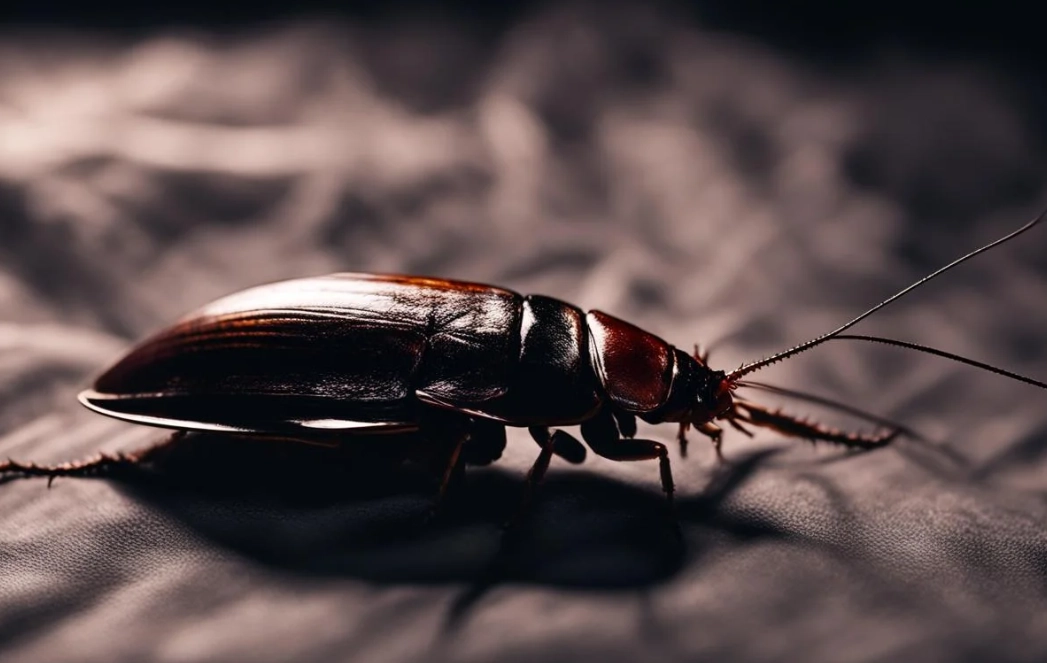
Specific Cockroach Dream Scenarios and Their Interpretations
Dreams are personal, so the context matters. Here's a breakdown of common scenarios I've encountered in my practice.
Dreaming of a Single Cockroach
A lone cockroach might seem minor, but it can signal a specific issue you're overlooking. For example, if it's just sitting there, it could be a warning to address a small problem before it grows. I've seen cases where this ties to procrastination—like ignoring a leaky faucet that eventually causes bigger damage.
Dreaming of Many Cockroaches
A swarm or infestation often points to overwhelming feelings. Maybe you're juggling too many responsibilities, and it feels like things are crawling out of control. In psychology, this can relate to anxiety disorders, as noted in resources like the American Psychological Association discussions on stress and dream content. Don't panic; it's your mind's way of saying, "Hey, this is too much."
Killing a Cockroach in Your Dream
This might feel victorious, but in dream interpretation, killing a cockroach can symbolize suppressing an issue rather than solving it. I had a friend who dreamed of squashing cockroaches repeatedly. He realized it mirrored his habit of avoiding confrontations at work—temporarily "fixing" things without dealing with the root cause.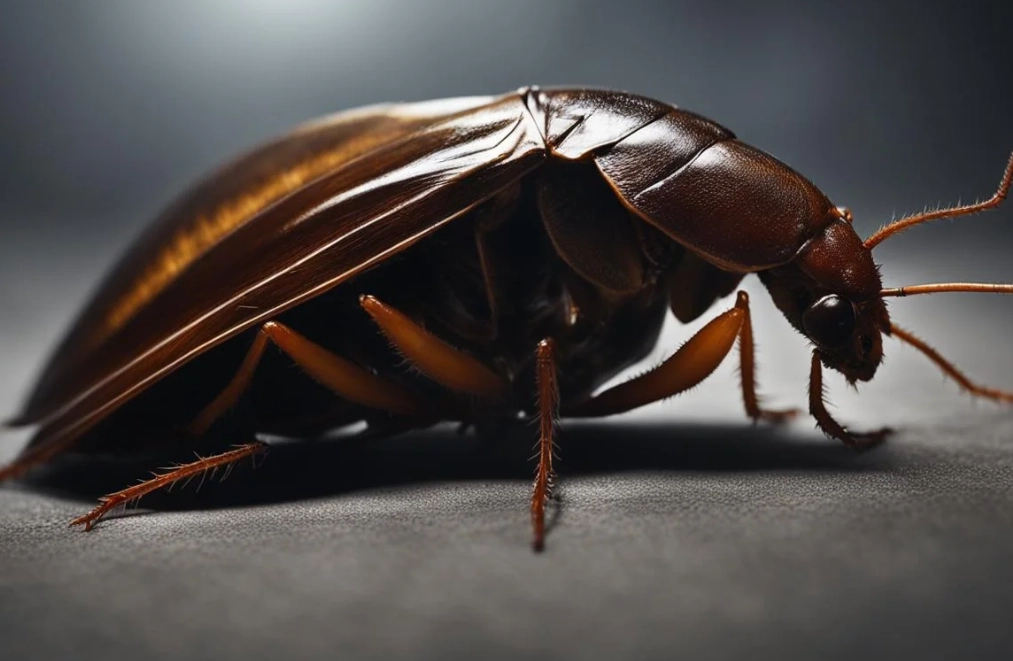
Expert tip: Many dream dictionaries online oversimplify this. They say killing is good, but in my experience, it often leads to recurring dreams if the underlying emotion isn't addressed. Pay attention to how you feel in the dream—relief or guilt? That clues you in.
To make this clearer, here's a table summarizing key scenarios based on real client cases:
| Dream Scenario | Common Interpretation | What It Might Really Mean (Non-Consensus View) |
|---|---|---|
| A single cockroach crawling | A minor annoyance or hidden fear | A specific task you're delaying, like a work project or health check-up |
| Many cockroaches swarming | Overwhelm or anxiety | Your subconscious highlighting areas where you need to set boundaries, not just stress |
| Killing a cockroach | Overcoming a problem | Temporary relief that masks deeper issues—ask yourself what you're avoiding |
| Cockroaches in your bed | Invasion of personal space | Unresolved intimacy or trust issues in relationships |
| Cockroaches disappearing | Resolution of fears | Your mind adapting, but check if you're genuinely addressing the cause or just ignoring it |
The Psychology Behind Cockroach Dreams
From a psychological standpoint, dreams about cockroaches often tie into our primal fears and adaptive mechanisms. Sigmund Freud might have linked them to repressed desires, but modern psychology, as referenced in journals like Dreaming (the academic journal by the International Association for the Study of Dreams), suggests they're more about cognitive processing of stress.
Our brains use symbols like cockroaches to package complex emotions. For instance, if you're facing a tough situation at work, your mind might manifest it as cockroaches because they're "hard to get rid of"—just like that project deadline. I've noticed that people who experience frequent cockroach dreams often have high resilience but struggle with acknowledging vulnerability. They're the "I can handle anything" types, but the dream is a nudge to admit when things are too much.
A common mistake? Assuming all negative dreams are bad. In reality, cockroach dreams can be constructive. They force you to confront what's lurking. Think of it as your internal alarm system—annoying but necessary.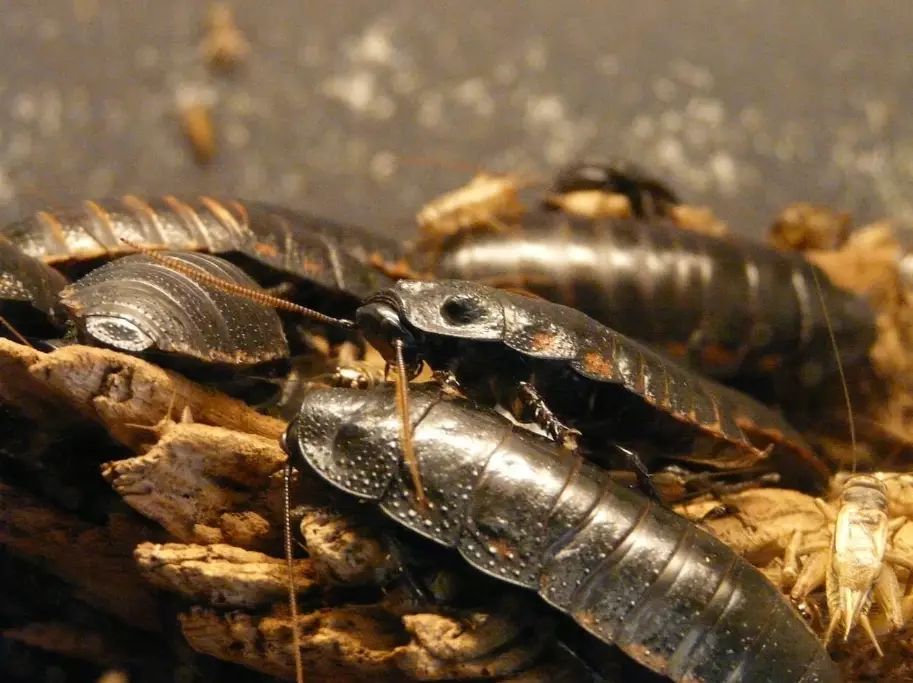
Cultural Perspectives on Cockroach Dreams
Dream interpretation varies globally. In some cultures, cockroaches are seen differently:
- Western contexts: Often viewed as pests, symbolizing filth or neglect. This ties to common anxieties about cleanliness and order.
- Eastern traditions: In parts of Asia, cockroaches might symbolize longevity or survival due to their hardy nature. For example, in Chinese folklore, dreaming of cockroaches could indicate perseverance through hardship.
- Indigenous interpretations: Some Native American beliefs see insects as messengers; a cockroach dream might be a warning to prepare for challenges.
I worked with a client from Japan who dreamed of cockroaches and initially felt shame. But when we explored her cultural background, she recalled stories where cockroaches represented endurance. This shifted her perspective—instead of fear, she saw it as a sign to stay strong during a career transition. It's crucial to consider your cultural lens; otherwise, you might miss positive angles.
How to Use Your Cockroach Dream for Personal Growth
So, you've had a cockroach dream. Now what? Don't just shrug it off. Here's a step-by-step approach I recommend, based on years of guiding people through dream analysis:
- Journal immediately: Write down every detail—where the cockroaches were, how you felt, any actions you took. Emotions are key; they're the roadmap.
- Identify real-life parallels: Ask yourself: What in my life feels persistent, annoying, or hard to eliminate? It could be a relationship dynamic, a work habit, or even a health concern.
- Reframe the symbol: Instead of seeing cockroaches as purely negative, consider what resilience they represent. Maybe you're tougher than you think.
- Take small actions: If the dream points to overwhelm, list one thing you can control today. For example, if it's about clutter, clean one drawer. Action reduces the dream's power.
- Seek patterns: If cockroach dreams recur, track them. Use a simple app or notebook. Over time, you might see triggers—like stress at certain times of the month.
Let me share a personal case. A few years back, I kept dreaming of cockroaches in my old apartment. I initially thought it was about moving, but journaling revealed it was tied to my reluctance to let go of past projects. The cockroaches symbolized "clinging" ideas. Once I delegated some tasks, the dreams faded. It's not always deep, but often it is.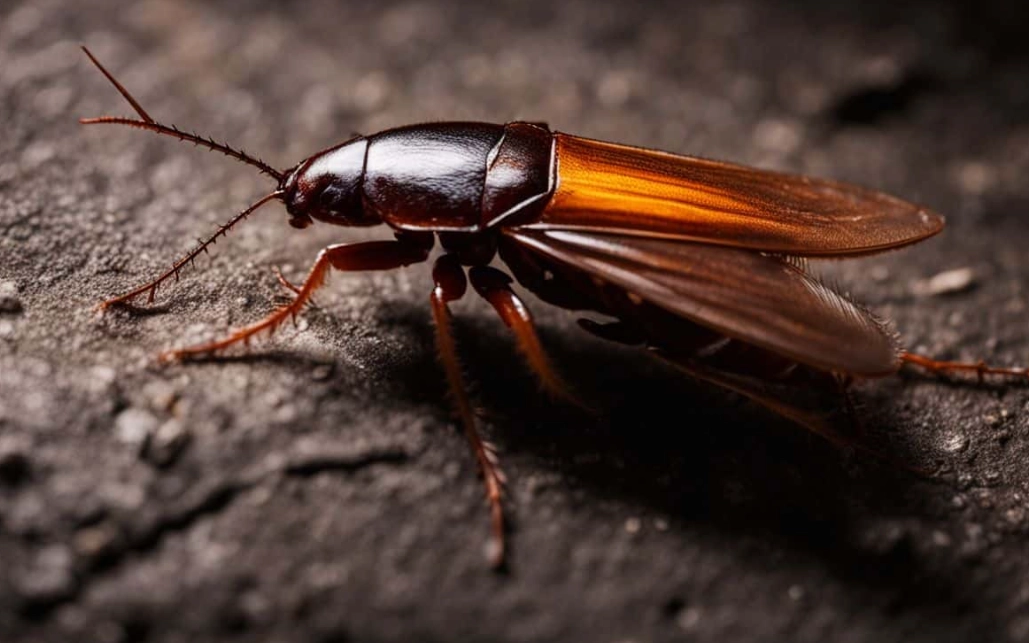
Frequently Asked Questions
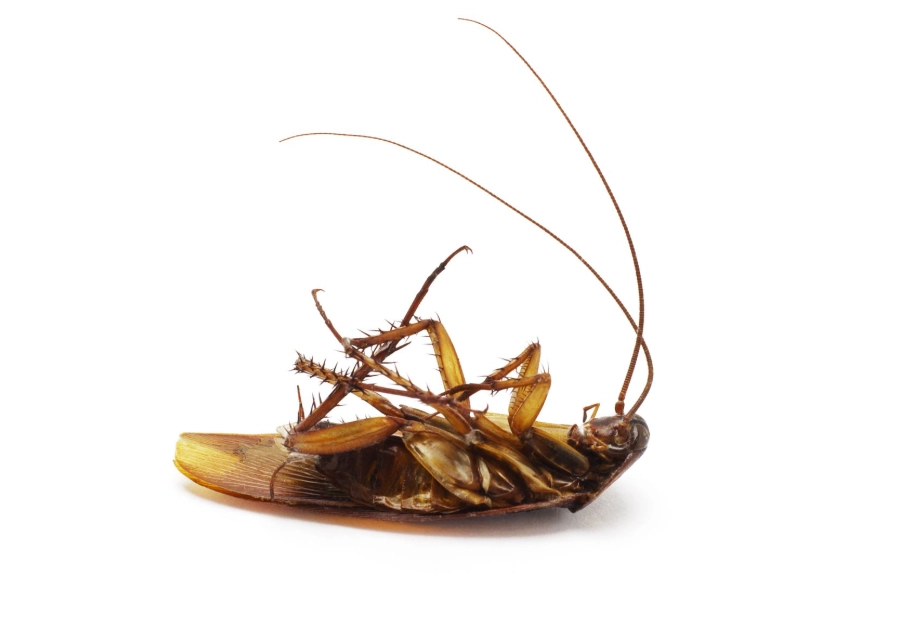 Dreams about cockroaches are more than just creepy nightmares. They're windows into your subconscious, highlighting fears, resilience, and hidden aspects of your life. By understanding the symbolism—beyond the basic dream dictionary entries—you can turn these unsettling experiences into tools for personal growth. Remember, it's not about the cockroach itself, but what it represents to you. Keep exploring, and don't hesitate to seek professional guidance if dreams disrupt your life. Your mind is talking; it's worth listening.









Comments
Join the Conversation