Waking up from a vivid dream of a black dog can leave you feeling unsettled, curious, or even a bit spooked. Is it a warning? A spiritual sign? Or just a random firing of neurons? Let's cut through the generic symbolism you find everywhere. The meaning isn't a one-size-fits-all omen of doom or protection. It's a complex message from your subconscious, and decoding it depends entirely on the specific details of your dream—the dog's behavior, your emotions, and even your waking life context. I've spent years analyzing dreams, and the black dog is one of the most misunderstood symbols. Most guides miss the nuance, leaving people more anxious than before.
What's Inside This Guide
Beyond Fear: The Black Dog in Myth and Culture
Before we dive into your personal dream, it helps to see the backdrop. The black dog archetype is loaded with historical and cultural baggage, which your mind might be tapping into.
In many British and European folklores, black dogs are often portrayed as spectral, ominous creatures. The Black Shuck of East Anglia or the Gurt Dog of Somerset are classic examples—huge, shadowy hounds said to portend death or disaster. This association with the supernatural and the unknown is a powerful undercurrent.
But flip the coin. In other traditions, black dogs are loyal guardians. Think of Anubis, the ancient Egyptian god with a jackal's head (often depicted in black), who guided souls to the afterlife. Here, the black canine is a protector of thresholds, a guide through transitions, not a mere bringer of doom.
Even in modern psychology, the "black dog" is a metaphor for depression, popularized by Winston Churchill. This isn't directly about dreams, but it shows how the image is tied to internal, hidden struggles.
Your dream is likely pulling threads from this rich tapestry. The table below breaks down these contrasting views—it's crucial to see both sides to avoid jumping to the scariest conclusion.
| Cultural Context | Symbolic Role of Black Dog | Key Emotion/Association |
|---|---|---|
| British Folklore (e.g., Black Shuck) | Omen, Phantom, Death Harbinger | Fear, Dread, Warning |
| Egyptian Mythology (Anubis) | Guardian, Psychopomp, Protector | Guidance, Transition, Respect |
| Celtic Symbolism | Gatekeeper to the Otherworld | Mystery, The Unknown |
| Modern Metaphor (Churchill) | Representation of Depression | Heaviness, Internal Struggle |
| General Canine Symbolism | Instinct, Loyalty, Protection | Instinct, Companionship |
So, was your black dog a folkloric phantom or a protective Anubis? The next section on dream specifics will help you decide.
Common Black Dog Dream Scenarios and Their Meanings
This is where most dream dictionaries fail. They give a single meaning. Nonsense. A friendly black dog and a snarling one are worlds apart. Let's map out the most frequent scenarios I've encountered.
The Aggressive or Chasing Black Dog
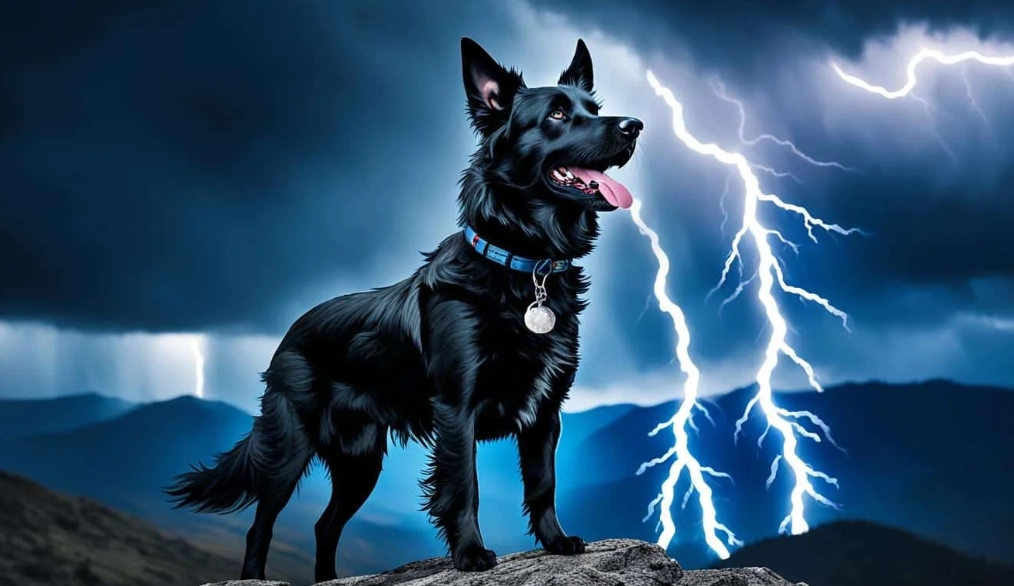
This is the classic anxiety dream. The dog is barking, growling, or chasing you. Your heart races. You're terrified.
Most likely interpretation: This isn't about an external threat, but an internal one you're running from. It could be a repressed emotion (like anger or grief), a looming responsibility you're avoiding, or a facet of your own personality (your "shadow self") that frightens you. The black color amplifies the sense of this being unknown or hidden. Are you ignoring a difficult conversation at work? Suppressing creative ambitions because they scare you? The dog represents that "thing" gaining on you.
The Calm, Guardian Black Dog
The dog is simply present. Sitting quietly, walking beside you, or watching over you. It might feel protective, noble, or silently supportive.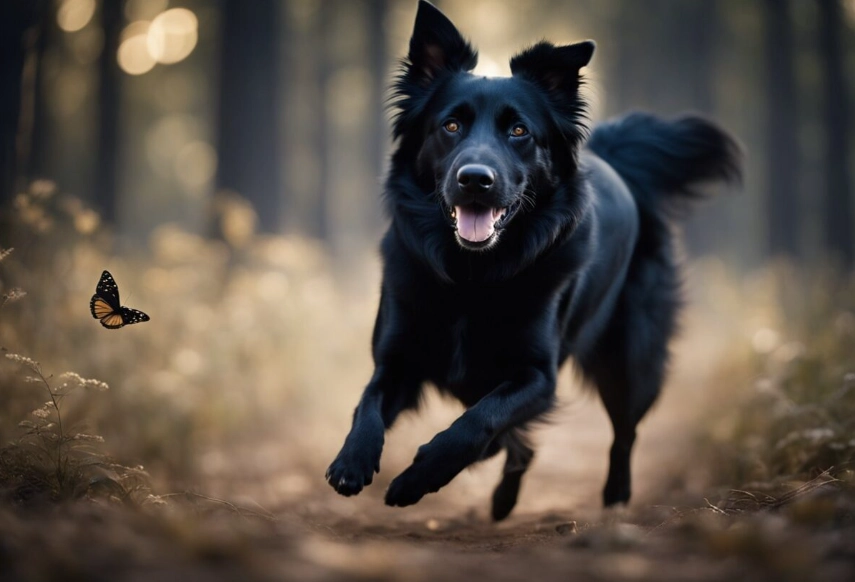
Most likely interpretation: This is a powerful positive symbol. It often represents your own intuition or inner strength manifesting as a protector. You may be entering a challenging phase in life, and your subconscious is reassuring you that you have the resilience and instinct to navigate it. Some interpret this as a sign of spiritual protection—a guide watching over you. The key is the lack of fear. It feels like a companion, not a threat.
The Lost or Injured Black Dog
You find a black dog that is hurt, lonely, or abandoned. You might feel compelled to help it.
Most likely interpretation: This frequently points to a neglected part of yourself. Your own needs, your emotional well-being, or a talent you've cast aside might be that "injured" aspect calling for attention. The dream is a nudge to practice self-care or to reconnect with something you've lost. It's a compassionate message, not a frightening one.
The Talking Black Dog
A less common but significant dream. The black dog speaks to you.
Most likely interpretation: Pay very close attention to the words. This is a direct line to your subconscious wisdom or intuition. The message is usually clear, concise, and highly relevant to a current dilemma. Write it down immediately upon waking.
Is Dreaming of a Black Dog a Bad Omen?
This is the million-dollar question, and the answer most people get wrong.
No, not inherently. Automatically labeling a black dog dream as bad luck is a superficial and potentially harmful misinterpretation. It causes unnecessary anxiety.
The omen theory comes almost entirely from the folklore lens, ignoring the psychological and spiritual ones. Even in folklore, some black dogs were seen as protectors of travelers on lonely roads.
In modern dream analysis, we view dreams as symbolic communications about your inner state, not as prophecies about external events. A "bad" dream is actually incredibly useful—it's a warning light on your dashboard, alerting you to internal pressure, unresolved conflict, or ignored intuition. It's an opportunity for course-correction, not a sentence of fate.
So, if you dream of a threatening black dog, ask: "What in my life feels like it's chasing me or cornering me?" That's the real "omen"—a signal to address that issue.
How to Analyze Your Own Black Dog Dream
Forget generic meanings. Let's build your personal interpretation. Grab a notebook and walk through these steps right now.
Step 1: Recall the Vivid Details (Not Just the Dog). Where were you? (A familiar house? A dark forest? Your childhood street?) What was the weather/lighting? These set the emotional stage.
Step 2: Focus on the Dog's Specifics. Size? Breed (if discernible)? Most importantly, its exact behavior and the exact emotion you felt. Were you scared, curious, sad, or awed? Write down the verbs: was it staring, following, blocking, playing, ignoring?
Step 3: Connect to Waking Life. This is the master key. What were you thinking about before bed? What major stress, decision, or relationship dynamic is occupying your mind? The dream is almost always a symbolic commentary on this. For example, a snarling black dog could mirror a hostile work environment, while a loyal one following you might reflect your dependable but overlooked dedication to a project.
Step 4: Consider the "Shadow Self." In Jungian psychology, the shadow is the part of our personality we repress or deny. The black dog is a prime shadow symbol. Is the dog showing you a quality you disown? Perhaps untamed anger, wild creativity, or primal instinct you've been taught to suppress.
Step 5: Synthesize. Don't force a single meaning. Let an interpretation emerge that connects the dots between the dream imagery and your current life. It should feel like an "aha" moment, not a memorized definition.
How to Respond to a Recurring Black Dog Dream
If the dream keeps coming back, it means your subconscious is knocking louder. It has an urgent message you haven't fully understood or acted upon.
First, track the dreams. Note any slight variations. Is the dog getting closer? Does the scene change? This shows the evolution of the underlying issue.
Then, engage with it consciously. Before sleep, set an intention: "Tonight, if I see the black dog, I will ask it what it wants." Or, in a waking meditation, visualize the dream scene and change the ending. If it chased you, turn and face it. What happens? This active imagination technique, endorsed by many depth psychologists, can integrate the shadow energy and often resolves the recurrence.
Finally, take one small, concrete action in your waking life that addresses the core theme. If it's about neglected self-care, schedule that doctor's appointment. If it's about unexpressed anger, find a safe way to articulate a boundary. Action satisfies the subconscious that it's being heard.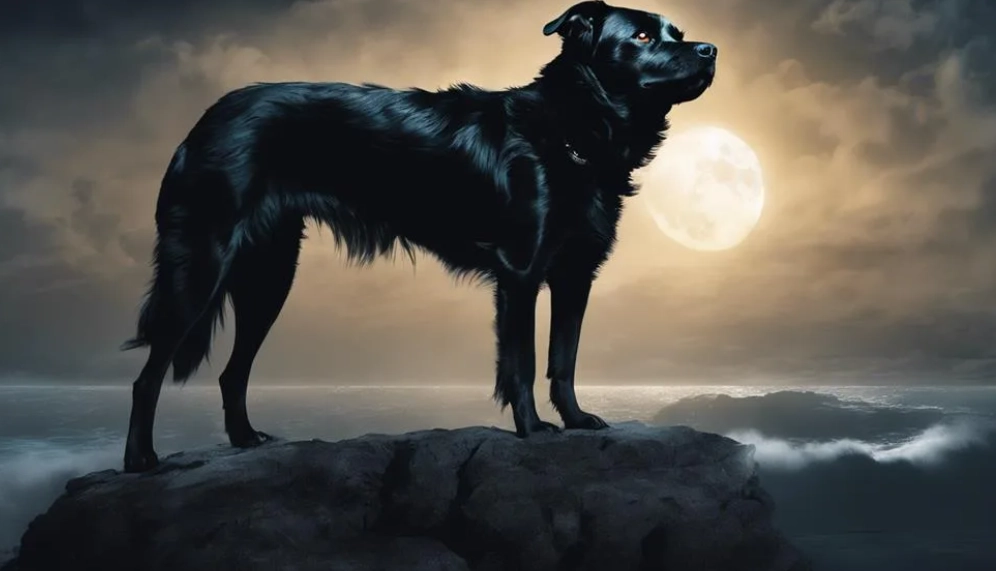
Your Black Dog Dream Questions Answered
I dreamt a black dog was attacking me. Does this mean I'm in physical danger?
Extremely unlikely. The attack almost always symbolizes an internal or emotional conflict. The danger is metaphorical—the risk of burnout from overwork, the harm of repressing your true feelings, or the self-sabotage of ignoring a problem. Look for what's "attacking" your peace of mind in daily life.
My black dog dream felt peaceful. Is that normal or did I misinterpret it?
It's not just normal, it's a great sign. You've likely interpreted it correctly as intuition or inner strength. Many people have peaceful guardian dog dreams but dismiss them because they've been conditioned to think "black dog = bad." Trust the feeling. A peaceful dream indicates you're in touch with a protective, instinctual part of yourself, or you're receiving a message of support during a transition.
Can the breed of the black dog in the dream change the meaning?
It can add a layer of nuance, but don't get lost in breed dictionaries. Focus first on behavior and emotion. That said, general associations can color the meaning: A large, guarding breed like a Rottweiler or Doberman might emphasize protection or formidable personal power. A fast breed like a Greyhound could link to speed, pursuit of a goal, or anxiety. A small terrier might symbolize a persistent, nagging worry you need to "dig up." Use breed as a subtle adjective, not the main noun of the interpretation.
 Are dreams of other colored dogs interpreted differently?
Absolutely. Color is a primary symbol. A white dog often relates to purity, spiritual guidance, or a more conscious, positive aspect of the self. A brown or golden dog might symbolize earthiness, reliability, or friendship. The black coat specifically ties the canine energy to the unknown, the hidden, the unconscious, or the profound. It's the depth of the symbol. Changing the color changes the thematic filter.
What's the biggest mistake people make when interpreting a black dog dream?
They project external meaning onto it before examining their internal landscape. They jump to "this means death" or "bad luck is coming" because of cultural myths, which creates fear and shuts down the real exploration. The mistake is looking outward for an omen instead of inward for a message. The dream is about you. The most powerful interpretations always link back to your emotions, your conflicts, and your current life challenges.
Dreaming of a black dog is an invitation, not a verdict. It's your psyche's way of bringing something important—often something powerful or hidden—into the light of your awareness. Whether it feels like a warning or a reassurance, the goal is the same: greater self-knowledge. By paying attention to the specific story your dream tells, you move from superstition to understanding, transforming a mysterious nighttime image into a tool for waking life insight.









Comments
Join the Conversation