That image in your head—the one of a sparkling blue oasis in your backyard, the sound of gentle water, a place to cool off on a hot day—that's the dream. Turning the dream of a swimming pool into a concrete (or fiberglass, or vinyl-lined) reality is a major project. It's exciting, but let's be honest, it can also feel overwhelming. Where do you even start? This guide is here to replace the overwhelm with a clear, actionable plan. We'll walk through everything from finding your perfect pool design to understanding the real costs and the not-so-glamorous but utterly essential world of maintenance.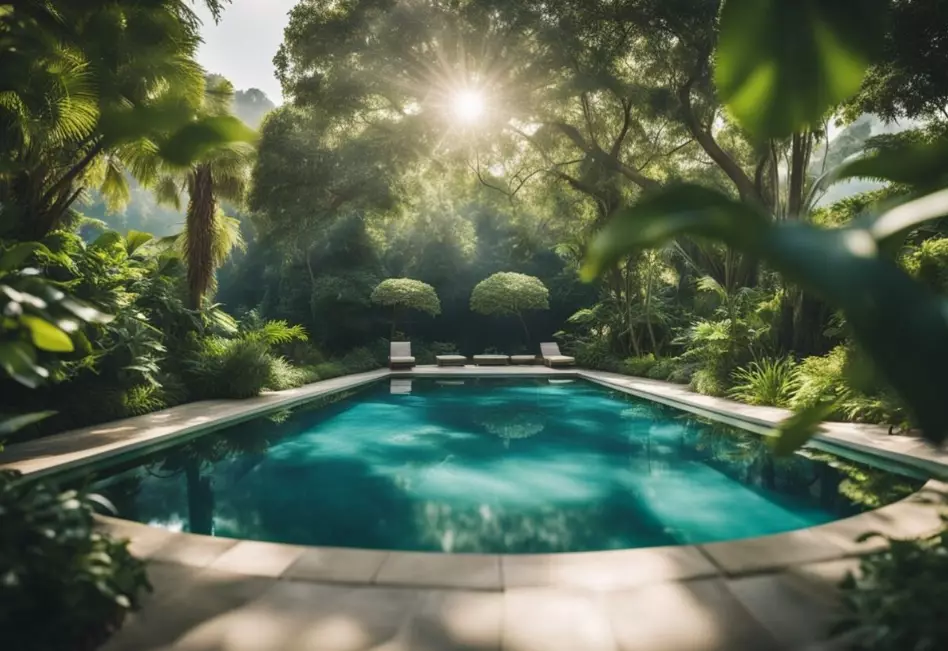
What's Inside This Guide?
Finding Your Pool Style: Beyond the Basic Rectangle
Your pool should feel like an extension of your home and your lifestyle. The first mistake many make is picking a shape from a catalog without thinking about how they'll actually use the space.
I remember a friend who installed a huge, classic rectangular pool because it looked "estate-like." Two years later, they confessed they only ever used one corner for cooling off; the rest was just expensive water to clean. Think about your primary use cases first.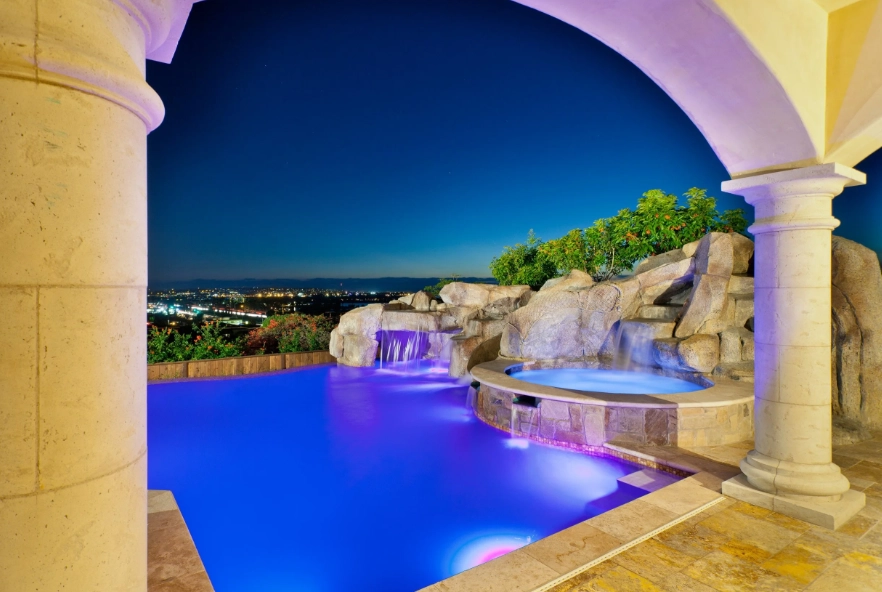
Design Directions for Different Lifestyles
The Entertainer's Oasis: This is for hosting. Think a large, freeform or geometric pool with a generous, integrated sun shelf (a shallow, wide ledge). This "Baja shelf" or "tanning ledge" is a game-changer. It's perfect for lounging chairs in the water, little kids playing safely, and adults sipping a drink without being fully submerged. Add a few umbrella sleeves on the shelf, and you've created the ultimate social hub.
The Family Fun Zone: Durability and safety are key. A vinyl liner or fiberglass pool can be softer on little feet. Consider a gradual slope entry instead of traditional steps—it's like a built-in beach for toddlers. A dedicated, separated shallow end is non-negotiable. You might also think about leaving space on the deck for future additions like a basketball hoop or a volleyball net.
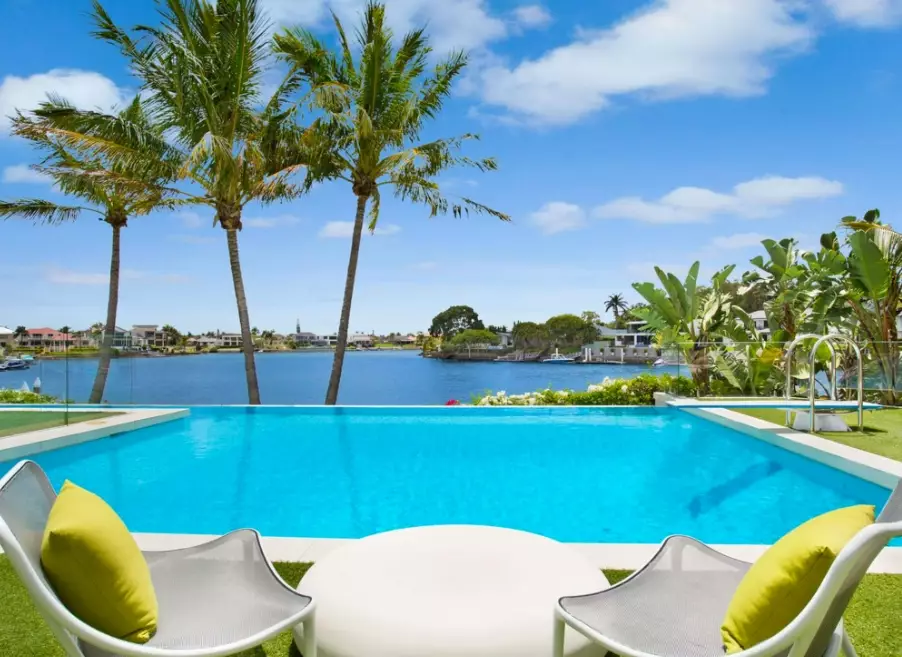
The Modern & Minimal Retreat: Clean lines, infinity edges (vanishing edge), and dark interior finishes (like black or dark gray quartz) create a mirror-like, sophisticated look. These pools are about visual drama and serenity. They often incorporate sleek water features like sheer descent waterfalls or laminar deck jets that create arcs of water. The landscaping here is usually minimalist: ornamental grasses, sleek pavers, and strategic lighting.
The Natural Lagoon: This style aims to look like it was always there. It uses freeform, irregular shapes, rock waterfalls, grottos, and boulder accents. The finish is often a stone or pebble-based aggregate. Surround it with lush, native plants and use irregular flagstone for the decking. The goal is a backyard that feels like a private resort cove.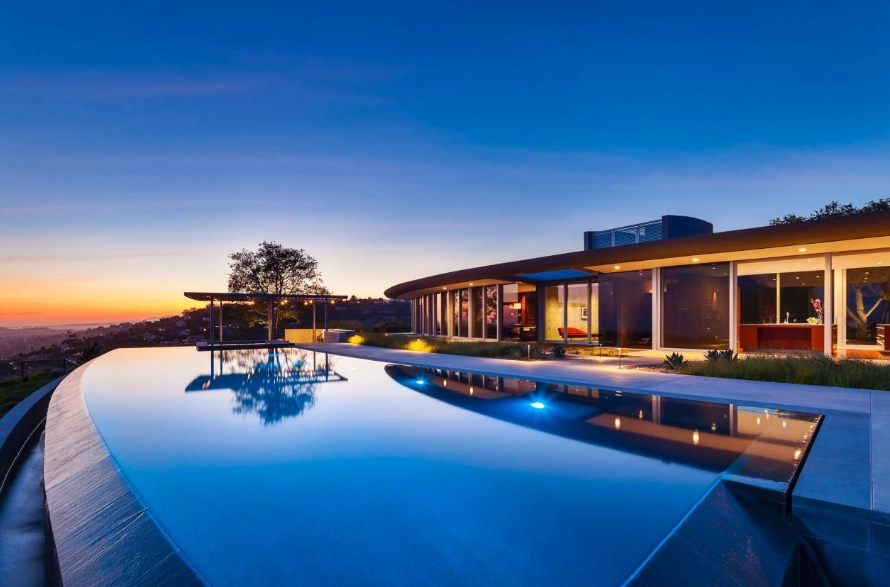
Understanding Pool Costs: The Real Numbers Beyond the Quote
Asking "how much does a pool cost?" is like asking how much a house costs. The range is massive. A basic, small fiberglass pool installed in a straightforward backyard might start around $45,000. A large, custom concrete pool with high-end finishes, automation, and landscaping can easily surpass $150,000.
The initial quote is just the entry ticket. The real financial planning happens when you account for the add-ons and the long-term.
| Cost Factor | Low-End Estimate | High-End Estimate | What It Includes & Why It Matters |
|---|---|---|---|
| Pool Type & Size | $35,000 - $50,000 | $80,000 - $120,000+ | Basic vinyl or small fiberglass vs. large custom concrete (Gunite). Concrete offers unlimited shape/size but costs more and takes longer. |
| Filtration & Heating | Included (Basic) | $5,000 - $15,000+ | Upgrading to a variable-speed pump (saves 80% on energy vs. single-speed) and a heat pump or gas heater for extended seasons. |
| Decking & Coping | $8,000 - $15,000 | $25,000 - $50,000+ | Basic poured concrete vs. large-format travertine, bluestone, or exotic hardwood. This is a huge visual and comfort factor. |
| Landscaping & Lighting | $3,000 - $7,000 | $15,000 - $30,000+ | Basic sod and a few shrubs vs. full hardscaping, privacy plantings, and sophisticated LED landscape & pool lighting. |
| Annual Maintenance | $1,200 - $2,000 | $3,000 - $5,000+ | Chemicals, electricity (pump), water, cleaning service if you hire it out. Larger pools and heaters increase this cost. |
You see how it adds up? The biggest budget surprise for most new pool owners isn't the initial build—it's the long-term operational cost. A pool is a piece of recreational infrastructure that requires constant energy and chemical input. Planning for this from the start (by choosing an efficient pump, a pool cover, etc.) is the mark of a savvy owner.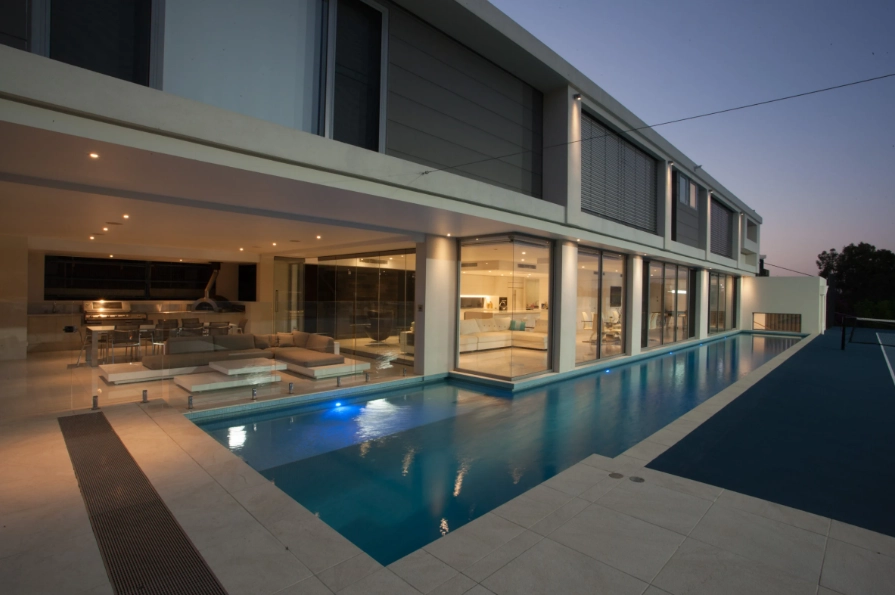
How to Plan Your Dream Pool: A Step-by-Step Timeline
This isn't a weekend project. From the first sketch to the first swim, a typical in-ground pool project takes 3 to 6 months, sometimes longer depending on weather, permits, and complexity.
Phase 1: The Dream & Research Stage (1-2 Months)
This is where you are now. Browse magazines (like Pool & Spa News), use Pinterest wisely (create a specific board), and most importantly, visit display centers. Get your feet wet, literally. Talk to multiple builders. Get a feel for different materials. Decide on a rough budget range and must-have features.
Phase 2: Design & Permitting (1-2 Months)
You hire your builder and the real work begins. They'll survey your yard, check for utility lines, and create detailed engineering plans. This is when you finalize the exact shape, depth, tile, finish, and equipment location. Your builder will submit these plans to your local municipality for permits. This stage feels slow, but it's critical. Don't rush the design details.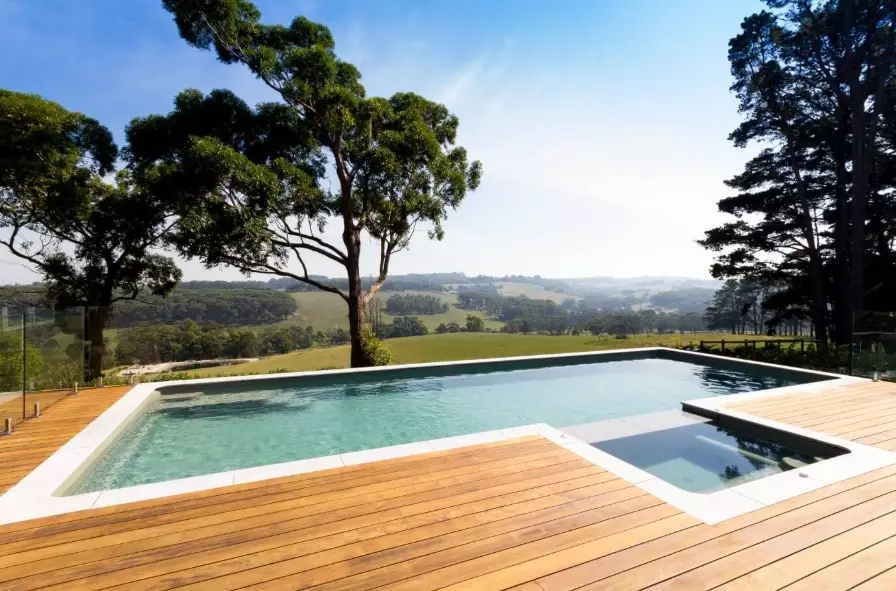
Phase 3: Construction (6-12 Weeks)
The heavy machinery arrives. The general sequence is: excavation, steel rebar framing (for concrete), plumbing/electrical rough-in, gunite shotcrete application (for concrete), or shell placement (for fiberglass). Then comes the interior finish (plaster, quartz, or tile), followed by decking, coping, and finally, filling the pool with water. There will be dirt, noise, and delays. It's messy but exciting.
Phase 4: Startup & Orientation (1-2 Weeks)
The pool is full, but you can't swim yet. The builder will "start up" the equipment, balance the chemistry, and brush the new finish for the first week. They should also give you a thorough orientation on how to operate the pump, filter, and cleaner. Pay attention here. This is your owner's manual in real life. Ask every question you have.
The Maintenance Reality: Keeping Your Dream Sparkling
If you think maintenance is just tossing in a chlorine tablet once a week, you're in for a shock. Consistent, proactive care is the secret to clear water and avoiding costly repairs.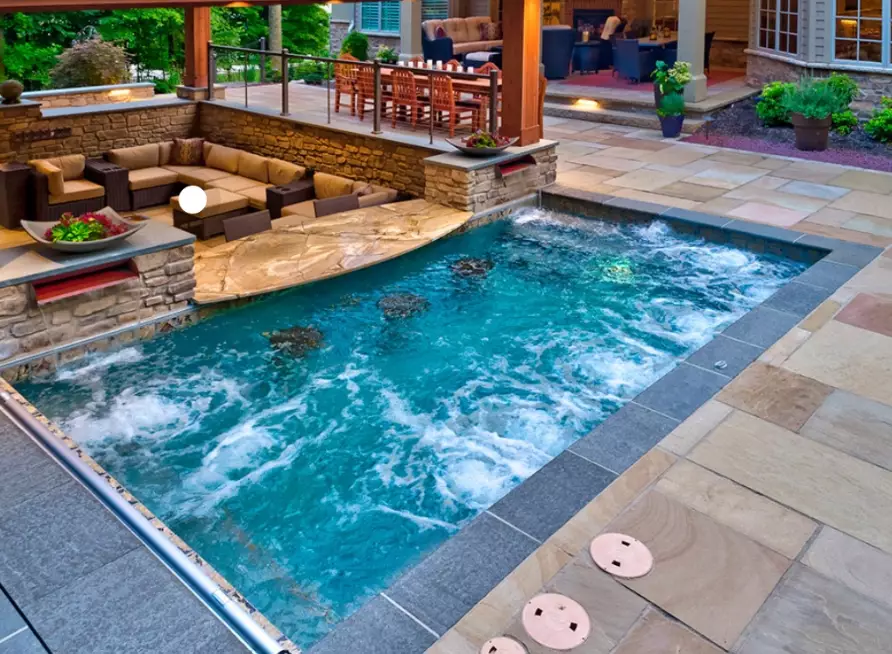
Here’s the non-negotiable weekly routine:
- Skim & Vacuum: Remove leaves and debris from the surface and floor.
- Brush: Brush the walls and floor to prevent algae from getting a foothold.
- Test the Water: Use a reliable test kit or strips to check pH, chlorine, alkalinity, and stabilizer levels. This is the most important step.
- Empty the Skimmer & Pump Baskets: Clogged baskets strain your pump.
Most people get the weekly stuff. Where they fail is the seasonal and system care.
When closing the pool for winter (in cold climates), it's not just about a cover. You need to properly lower the water, blow out the plumbing lines with air to prevent freezing, and add winterizing chemicals. Doing this wrong can lead to thousands in pipe-replacement costs come spring.
Similarly, opening the pool isn't just pulling off the cover. It's a process of cleaning, refilling, rebalancing chemicals, and restarting the equipment system-by-system.
Consider investing in a saltwater chlorine generator. It's not maintenance-free, but it automates chlorine production, leading to softer-feeling water and less need to handle harsh chemicals. Also, a high-quality automatic pool cover is a luxury that pays for itself in reduced heat loss, evaporation, and debris.
Expert Answers to Your Biggest Pool Planning Questions
 Is a saltwater pool actually easier to maintain than a traditional chlorine pool?
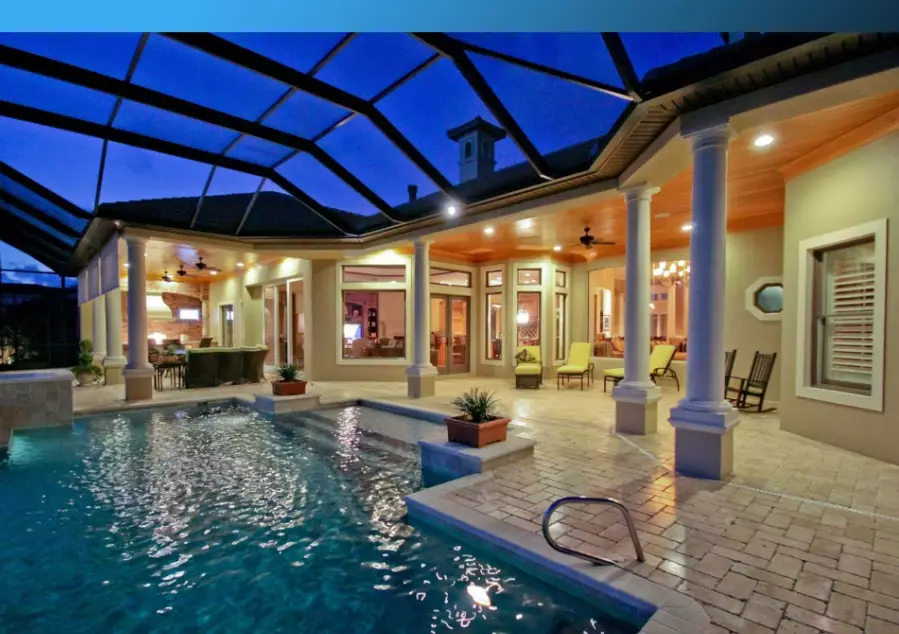 Dreaming of a pool is the fun part. Making it happen requires research, planning, and a commitment to ongoing care. But when you're floating on a warm summer evening, looking up at the stars from your own backyard, every bit of the effort feels worth it. Start with your lifestyle, budget honestly for the full picture, choose a reputable builder, and embrace the maintenance as part of the package. Your personal oasis is waiting.










Comments
Join the Conversation