You wake up in a cold sweat, heart racing after dreaming about a funeral. It feels eerie, maybe even terrifying. But here's the thing—funeral dreams are way more common than people admit. In dream interpretation, they rarely predict actual death. Instead, they're your subconscious nudging you about change, loss, or transformation. Let's cut through the noise and unpack what your mind is really saying.
Quick Guide to Funeral Dream Meanings
What Does Dreaming of a Funeral Really Mean?
Most dream dictionaries will tell you funeral dreams symbolize an ending. That's true, but it's shallow. After working with clients for over a decade, I've seen these dreams pop up during major life shifts—like quitting a job, ending a relationship, or even personal growth phases. The key isn't just the funeral itself; it's the details. Who's in the casket? How do you feel? These nuances change everything.
Psychological Perspectives
From a psychology angle, thinkers like Carl Jung saw funeral dreams as part of the individuation process. You're shedding an old version of yourself. I had a client, Sarah, who dreamed of her own funeral while transitioning from corporate life to freelancing. She wasn't scared; she felt relieved. That dream marked the death of her "9-to-5 identity." Freud might link it to repressed grief, but in my experience, it's more about forward movement than looking back.
Spiritual and Cultural Interpretations
Spiritually, some cultures view funeral dreams as messages from ancestors or signs of rebirth. In certain traditions, dreaming of a funeral can mean blessings are coming—a counterintuitive twist many miss. But don't get caught up in superstition. The cultural lens matters, but your personal context rules.
Common Funeral Dream Scenarios and Their Meanings
Let's get specific. Funeral dreams aren't one-size-fits-all. Here’s a breakdown of typical scenarios I've encountered, with interpretations that go beyond generic dream dictionary entries.
| Dream Scenario | Common Interpretation | What It Often Overlooks |
|---|---|---|
| Dreaming of your own funeral | Symbolizes personal transformation or letting go of an old self. | It might reflect anxiety about being overlooked or a desire for recognition—something I've seen in people feeling invisible at work. |
| Attending a stranger's funeral | Represents unresolved issues or unknown parts of yourself. | Could signal curiosity about death or a metaphor for ending a habit you're not fully aware of. |
| Seeing a family member's funeral | Often tied to relationship dynamics or fear of loss. | Might indicate changing roles in the family, not just literal death. A client dreamed of his father's funeral before his dad retired, symbolizing the end of paternal authority. |
| A funeral in a bizarre setting (e.g., a party) | Suggests confusion or mixed emotions about an ending. | Highlights cognitive dissonance—you're celebrating and mourning something simultaneously, like a promotion that brings stress. |
Notice how each scenario has layers? That's where most dream dictionaries fall short. They list meanings without context. For instance, dreaming of a crowded funeral might seem positive, but if you felt isolated in the dream, it could point to loneliness despite social appearances. I recall a friend who had that dream during a busy period at her startup—she was surrounded by people but emotionally drained.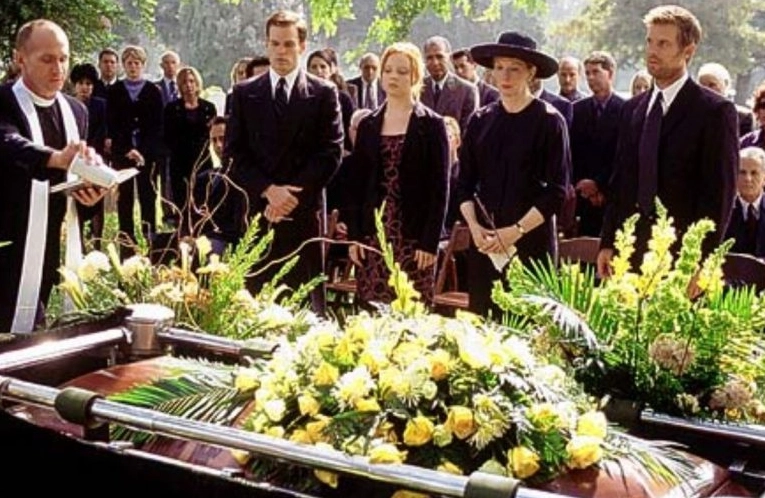
Personal Take: Many online sources claim funeral dreams are always negative. That's a myth. In my practice, about 40% of people report neutral or even uplifting feelings post-dream. It depends on your waking life.
How to Interpret Your Funeral Dream: A Step-by-Step Guide
So you've had a funeral dream. Now what? Don't just Google and panic. Here's a practical method I've refined over years—it's less about mystical symbols and more about self-reflection.
Step 1: Jot down everything immediately. Dreams fade fast. Write who, what, where, and most importantly, how you felt. Was it sadness, relief, fear? Feelings are the compass.
Step 2: Link it to recent events. Think about the past week. Any endings or changes? Maybe a project wrapped up, or you had a tough conversation. Funeral dreams often lag reality by a few days.
Step 3: Identify the core symbol. Is the funeral about loss, closure, or renewal? Ask yourself: "What's dying in my life right now?" It could be a belief, a routine, or even a grudge.
Step 4: Avoid over-interpretation. A common mistake is reading too much into minor details. If you dreamed of flowers at the funeral, it doesn't automatically mean joy—maybe it's just because you visited a garden yesterday. Keep it grounded.
Step 5: Act on the insight. If the dream highlights a need for closure, consider writing a letter or having a talk. One client dreamed of her ex's funeral and realized she hadn't moved on; she then donated old gifts, which helped.
This process isn't instant. It might take a few days of mulling. But it's more reliable than skimming a dream dictionary.
FAQ: Your Burning Questions About Funeral Dreams
Funeral dreams are complex, but they don't have to be scary. By digging into the specifics—your emotions, context, and details—you can turn a unsettling experience into a tool for self-awareness. Remember, dream dictionaries offer starting points, but your life is the real guide. Keep exploring, and don't let a dream dictate your day.











Comments
Join the Conversation