You wake up, maybe a little unsettled. The dream was vivid, mundane, and oddly specific—you were just using a toilet. It feels too ordinary to mean anything, yet it sticks with you. Let's cut to the chase: dreaming of a toilet is almost never about literal plumbing. It's one of your psyche's most direct metaphors. Far from being a bad omen, these dreams are typically about release, cleansing, and processing the emotional or mental "waste" you're carrying. They point to what you need to let go of to feel lighter and more functional in your waking life.
What You'll Find Inside
What Does a Toilet in a Dream Really Mean?
The toilet is a universal symbol for elimination. In dreams, this translates to psychological and emotional elimination. Think about it—it's the private place where you process what the body can't use and expel it. Your mind uses the same imagery.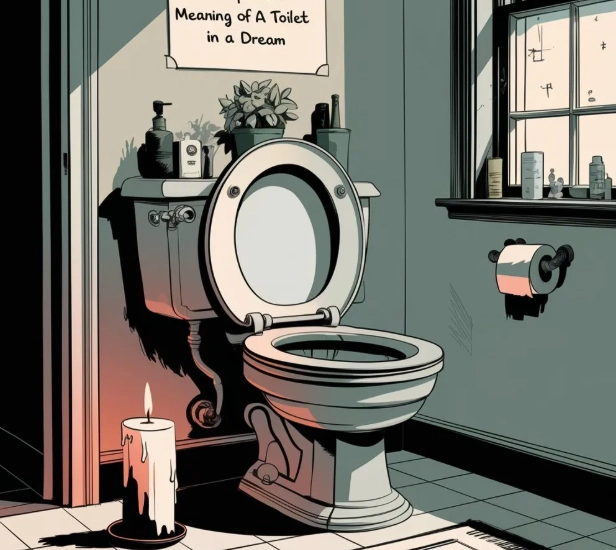
I've been analyzing dreams for clients for over a decade, and one subtle mistake I see constantly is people jumping to the most negative, shame-based interpretation. They think a toilet dream must mean they're "dirty" or that something "crappy" is about to happen. That's rarely the core message. The dominant theme is usually healthy release.
We can break the symbolism down into three key angles:
The Spiritual and Energetic Angle
In many spiritual traditions, dreams of elimination are positive. They signify purification. You are clearing out old, stagnant energy to make room for the new. It can indicate a spiritual detox. If the dream felt relieving, it's a strong sign you're successfully releasing baggage, perhaps after a period of therapy, meditation, or simply gaining a new perspective on an old problem.
The Psychological Angle (Hello, Freud and Jung)
Yes, Freud famously linked bathroom functions to psychosexual stages, but modern psychology takes a broader view. Carl Jung might see the toilet as part of the "shadow"—the aspects of ourselves we repress or find unacceptable. Dreaming of using a toilet can symbolize integrating these shadow aspects, acknowledging your basic, animal, or "unclean" needs and emotions as a natural part of being human. It's about self-acceptance.
The Utterly Practical, Modern-Life Angle
Sometimes, a toilet is just a toilet. If you drank a gallon of water before bed, your subconscious might be sending a literal signal. But more often, the modern-life meaning is about processing information. We're inundated with data, opinions, and news—mental clutter. A toilet dream can mean your brain is trying to "flush" unnecessary information, toxic opinions you've absorbed, or the details of a stressful project you've finally completed.
How to Interpret Your Specific Toilet Dream Scenario
Generic meanings only get you so far. The real insight comes from the details. Don't just say "I dreamed of a toilet." Interrogate the dream. Ask yourself these questions as soon as you wake up:
- Where was the toilet? In your home? A public restroom? A bizarre, non-bathroom location like a forest or a classroom?
- What was its condition? Sparkling clean, filthy, clogged, overflowing, broken, or missing?
- What was happening? Were you using it normally, struggling to find it, unable to flush, or watching it overflow?
- Who else was there? Were you alone? Was someone waiting outside? Was someone in the stall with you?
- What was your primary emotion? Relief, anxiety, shame, urgency, disgust, or indifference?
Your answers create a unique fingerprint. For example, relief after using a home toilet points to successfully releasing a private, personal worry. Anxiety about a missing toilet in a public place points to feeling exposed and unable to meet basic emotional needs in your social or work life.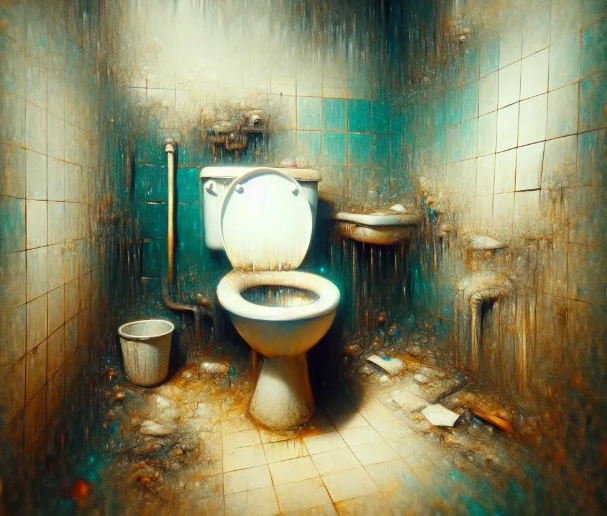
Common Toilet Dream Scenarios and Their Meanings
Let's apply the framework above to the most frequently reported toilet dream plots. This table breaks down the scenario, the likely symbolism, and a potential waking-life connection.
| Dream Scenario | Core Symbolism | What It Might Reflect in Your Life |
|---|---|---|
| A clogged or overflowing toilet | Emotional blockage. Feelings you've tried to flush away are backing up and threatening to spill over. | Suppressing grief, anger, or stress about a situation (work, family) that is now becoming unmanageable. |
| Searching for a toilet but can't find one | Lack of a safe outlet or privacy to process your needs. A sense of urgency with no release valve. | Being in a high-pressure environment (new job, caregiving) where you feel you can't show vulnerability or take time for yourself. |
| Using a public toilet with no doors/locks | Violated boundaries and fear of exposure. Your private matters feel visible to others. | After a personal secret was shared without consent, or working in a culture of oversharing and lack of privacy. |
| A disgustingly dirty toilet | Contamination. Feeling you've been exposed to or are holding onto "toxic" ideas, relationships, or environments. | Being in a gossipy friend group, a corrupt work project, or recovering from a manipulative relationship. |
| Using the toilet normally with relief | Healthy, necessary release. Letting go of what no longer serves you. | After a difficult conversation (you "got it out"), finishing a big project, or deciding to forgive someone. |
| Someone walking in on you | Interrupted process. Fear of judgment during a vulnerable act of self-care or emotional release. | A partner or family member dismissing your feelings when you try to express them, making you shut down. |
I once worked with a client, Sarah, who had recurring dreams of an overflowing toilet in her childhood home. She was fixated on the "disaster" of the overflow. We talked, and it wasn't about a past trauma. It was about her current role as the primary emotional support for her aging parents and her own teenage kids. She was the family "plumbing system," and the dream was a perfect metaphor: everyone's emotional needs were being dumped into her, and she had no way to process or release her own, causing a system-wide backup. The solution wasn't in the past; it was about creating boundaries in the present.
How to Use Your Toilet Dream for Personal Growth
So you've had the dream and decoded it. Now what? The dream is a diagnostic tool, not a destiny. Here’s a practical, three-step framework to move from interpretation to integration.
Step 1: Identify the "Waste"
Ask yourself bluntly: What am I full of that I need to get rid of? Be specific. Is it resentment toward a colleague? Anxiety about finances? Guilt over a past mistake? The clutter of too many commitments? Name it. Write it down. The more concrete, the better.
Step 2: Choose Your Release Valve
Your subconscious hinted at the problem; you need to choose the waking-life solution. Match the release to the "waste."
- For emotional waste (anger, sadness): Physical release works wonders. Intense exercise, screaming into a pillow, or a cathartic crying session.
- For mental waste (worry, rumination): Download it. Do a "brain dump" journaling session where you write every single thought without filter. Then, literally rip it up or delete the file.
- For relational waste (toxic patterns): Set a boundary. It could be as simple as "I'm not discussing this topic anymore" or as firm as limiting contact.
Step 3: Clean Your Internal Bathroom
This is the preventative maintenance. If your dream toilet was dirty, what daily or weekly practice can you install to keep your inner space cleaner? This could be a five-minute meditation to clear mental clutter, a weekly review where you forgive small irritations, or curating your social media feed to reduce anxiety-inducing input.
The goal isn't to never have a toilet dream again. It's to have dreams where the bathroom is clean, functional, and private—a sign of a healthy internal processing system.
Frequently Asked Questions About Toilet Dreams
Dreams about toilets strip away the pretense. They deal with the base, fundamental level of our human experience—what we need to take in, what we need to let go of to stay healthy. Instead of brushing them off as embarrassing or meaningless, see them as a highly efficient diagnostic report from your inner self. Pay attention to the details, connect them to your life, and take the actionable step toward release. That's how you turn a seemingly crude dream into a tool for genuine clarity and lightness.












Comments
Join the Conversation