What You'll Discover in This Guide
You wake up in a sweat, remembering a vivid dream where you're at a wedding—maybe yours, maybe someone else's. It feels so real, but what does it mean? Wedding dreams are incredibly common, and they often pop up during times of change or stress. In my ten years of analyzing dreams, I've seen people jump to conclusions, thinking it's all about marriage. But it's rarely that simple. Let's cut through the noise and explore what your subconscious might really be signaling.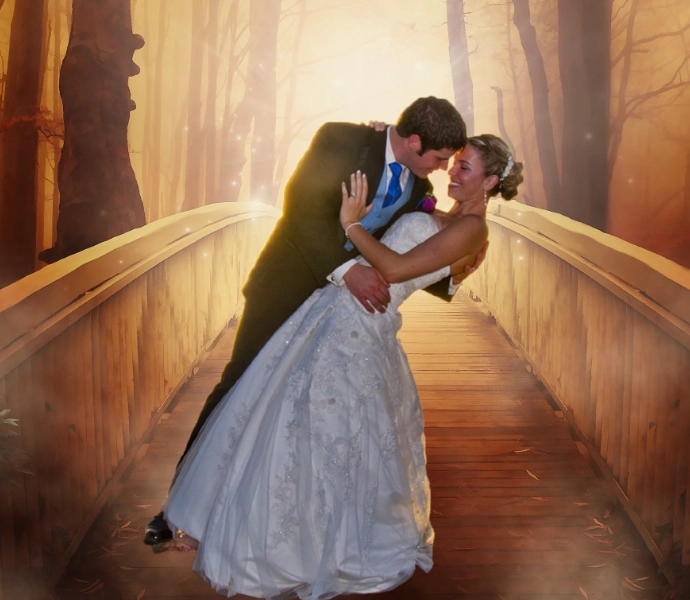
Dreams about weddings can symbolize union, commitment, transition, or even conflict. They tap into deep psychological themes, and ignoring them might mean missing out on personal insights. This guide dives into the wedding dream meaning, backed by psychology, cultural views, and practical steps to decode your own experiences.
Common Wedding Dream Scenarios and Their Meanings
Not all wedding dreams are the same. The details matter—who's involved, what happens, how you feel. Here are some frequent scenarios I've encountered.
Dreaming of Your Own Wedding
If you're single and dream of your own wedding, don't panic. It doesn't necessarily mean you're desperate to get married. Often, it's about personal integration. For example, one client dreamed of marrying herself in a mirror ceremony—it turned out to be about self-acceptance after a career shift. The wedding symbol represented uniting her old and new identities.
Key points:
- Positive aspects: Joy or excitement might indicate readiness for a new phase, like starting a business or embracing a hobby.
- Negative aspects: Anxiety or confusion could signal fear of commitment in any area, not just relationships.
I've noticed a common mistake: people assume the dream partner is a literal future spouse. But in dreams, partners often symbolize aspects of yourself. A stranger might represent the unknown, while an ex could point to unresolved past issues.
Attending Someone Else's Wedding
Dreaming of being a guest at a wedding often reflects your role in others' lives or societal expectations. If it's a friend's wedding, you might be processing their life changes or feeling left behind. A family member's wedding could highlight family pressures.
From my experience, these dreams sometimes reveal envy or support. Pay attention to your actions—are you happy for the couple, or feeling resentful? That emotion mirrors your waking attitudes toward others' successes.
A Wedding That Goes Wrong
Chaotic weddings in dreams—like missing rings, bad weather, or arguments—are classic anxiety dreams. They don't mean your relationship is doomed. Instead, they often symbolize stress about a decision or fear of failure.
One vivid case: a man dreamed his wedding cake collapsed as he gave a speech. In reality, he was nervous about a public presentation at work. The dream used wedding symbolism to amplify his performance anxiety.
Quick Tip: When analyzing a wedding dream, jot down three things: the main emotion, any odd details (like unusual guests or locations), and how it connects to your current life. This simple step can reveal patterns.
The Psychology Behind Wedding Dreams
Psychology offers frameworks to understand wedding dream meaning. Carl Jung, for instance, saw weddings as symbols of the coniunctio—the union of opposites within the psyche. It's about balancing conscious and unconscious elements.
Sigmund Freud might interpret it as repressed desires or conflicts about sexuality and commitment. But modern dream research, like studies referenced by the International Association for the Study of Dreams, suggests dreams often process daily experiences and emotions.
Here's a non-consensus view I've developed: wedding dreams are less about literal marriage and more about integration points. They mark moments where different parts of your life or personality need to come together. For example, a student dreaming of a wedding during exams might be struggling to integrate study pressure with social life.
External resources can add depth. The American Psychological Association notes that dream analysis should consider personal context, not just universal symbols. So, while weddings generally mean union, your unique associations—like a past wedding trauma—shape the meaning.
How to Interpret Your Wedding Dream: A Step-by-Step Guide
Interpreting a wedding dream isn't about looking up a dictionary. It's a personal process. Here's a method I use with clients, refined over years.
Step 1: Recall and Record
As soon as you wake up, write down everything—images, sounds, feelings. Don't censor; even bizarre details matter. For instance, if you dreamed of marrying in a library, that location is a clue.
Step 2: Identify Key Symbols
List the main symbols: wedding dress, rings, guests, venue, etc. For each, ask: What does this mean to me personally? A ring might symbolize commitment to you, but to others, it could be a trap or a circle of wholeness.
Step 3: Connect to Waking Life
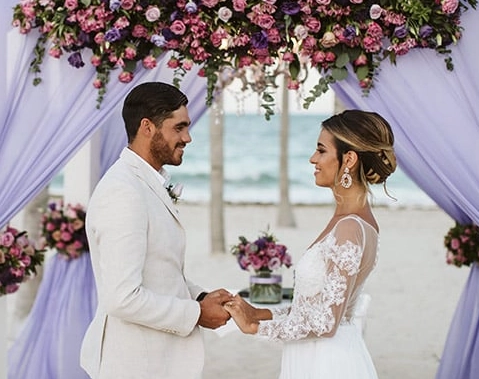
Reflect on recent events. Are you facing a big decision, relationship issue, or career change? Wedding dreams often mirror transitions. A client dreamed of a beach wedding during a job relocation—the beach symbolized her desire for a fresh start.
Step 4: Consider Emotions
Emotions in dreams are direct messages. Joy suggests alignment; fear indicates resistance. If you felt dread during the dream, explore what in your life feels forced or scary.
Step 5: Look for Patterns
If the dream recurs, track variations. Recurrence means your subconscious is emphasizing something unresolved. Journal over time to see shifts.
I often see people skip step 3, jumping to symbolic meanings without context. That leads to misinterpretation. Your dream is yours—own it.
Cultural Perspectives on Wedding Dreams
Wedding dream meaning varies across cultures. In Western traditions, weddings often symbolize personal union and happiness. But in some Eastern cultures, like in Indian dream interpretation, a wedding might predict auspicious events or family harmony.
In African traditions, dreams of weddings can be seen as messages from ancestors about community or lineage. For example, in some Nigerian cultures, such dreams might encourage family gatherings or rituals.
This diversity shows that there's no one-size-fits-all interpretation. If you have cultural roots, consider how your background influences the symbolism. A cross-cultural client once dreamed of a hybrid wedding—mixing elements from her heritage and new country. It reflected her identity integration struggle.
Ignoring cultural context can flatten the meaning. So, when analyzing, ask: What do weddings mean in my culture or family?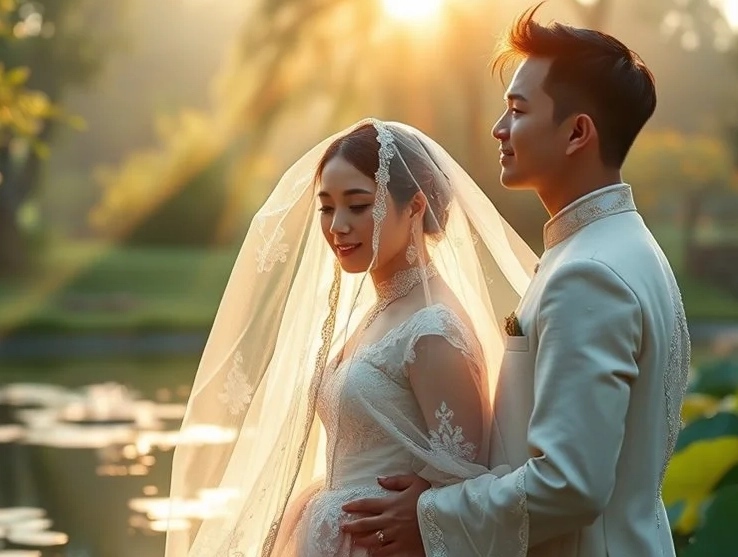
Case Study: A Real-Life Wedding Dream Analysis
Let me share a detailed case from my practice. Anna, a 32-year-old marketing manager, came to me with a recurring wedding dream. She'd dream of marrying a faceless partner in a crowded, noisy hall. She felt overwhelmed and kept losing her bouquet.
We worked through the steps. Key symbols: faceless partner (unknown aspect), crowded hall (social pressure), losing bouquet (loss of beauty or celebration). In her waking life, Anna was considering a career shift to freelance work but felt pressured by family expectations to stay in her stable job.
The dream wasn't about romance. The wedding symbolized the "merger" of her desire for freedom with societal norms. The faceless partner represented the uncertain future of freelancing. Losing the bouquet mirrored her fear of losing recognition.
After insights, Anna took small steps toward her goal, and the dreams decreased. This case highlights how wedding dreams can mask practical anxieties.
Frequently Asked Questions
Wedding dreams are rich with meaning, but they require personal decoding. Whether it's a joyful celebration or a chaotic mess, your subconscious is pointing to something real—integration, change, or conflict. Use the steps here to explore, and remember: the dream is a tool, not a verdict. Keep a dream journal, stay curious, and you'll uncover layers of insight about your life's journey.





Comments
Join the Conversation