You wake up, heart pounding, the image of a massive wall of water still vivid behind your eyelids. A dream about big waves can leave you feeling shaken, anxious, or just plain curious. Forget the generic "it means change" explanations you find everywhere. Having worked with dream analysis for years, I've seen how a tidal wave dream can signal anything from buried anxiety to a profound spiritual awakening. The key isn't just the wave itself, but the specific details your subconscious served up. Let's decode what those big waves are trying to tell you.
Navigate Your Dream Waves
The Core Meanings of Big Wave Dreams (Emotional and Psychological)
Most people jump straight to "impending doom." That's a surface-level read. In my experience, big waves primarily represent overwhelming emotion or a force of change that feels beyond your control. The ocean in dreams often symbolizes the unconscious mind—deep, vast, and full of unknown potential. A big wave is a piece of that unconscious energy breaking through to your conscious awareness.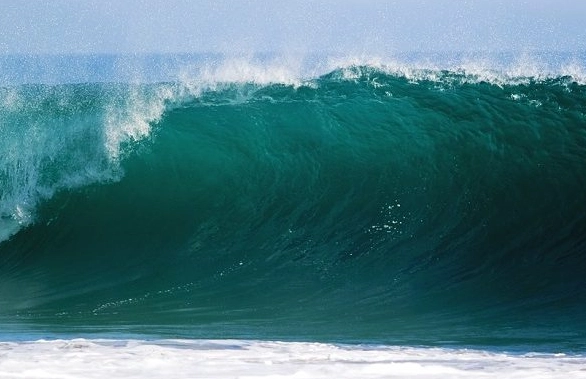
Here's the breakdown most websites miss: the wave's nature points to the emotion's nature.
A sudden, crashing tsunami? That's often panic, shock, or a crisis you didn't see coming—like losing a job or a relationship ending abruptly. A large, rolling swell that builds slowly? That might be a growing stressor, like work pressure or family tension that's been mounting for months. The feeling in the dream is your best clue. Are you terrified? Resigned? Awe-struck? That emotional tone is the direct message.
Expert Insight: A common mistake is focusing only on the wave's destructive potential. Many clients I've worked with fail to notice if the water was clear or murky. Clear blue waves can point to a powerful but cleansing emotional release (like finally having a difficult conversation), while dark, muddy waves often signify confusion, depression, or emotions you haven't fully processed.
Psychologically, these dreams frequently appear during life transitions: starting a new career, moving, becoming a parent, or any period where old structures are dissolving. The wave isn't necessarily a bad omen; it's the psyche's dramatic way of illustrating the sheer scale of the emotional shift happening within you.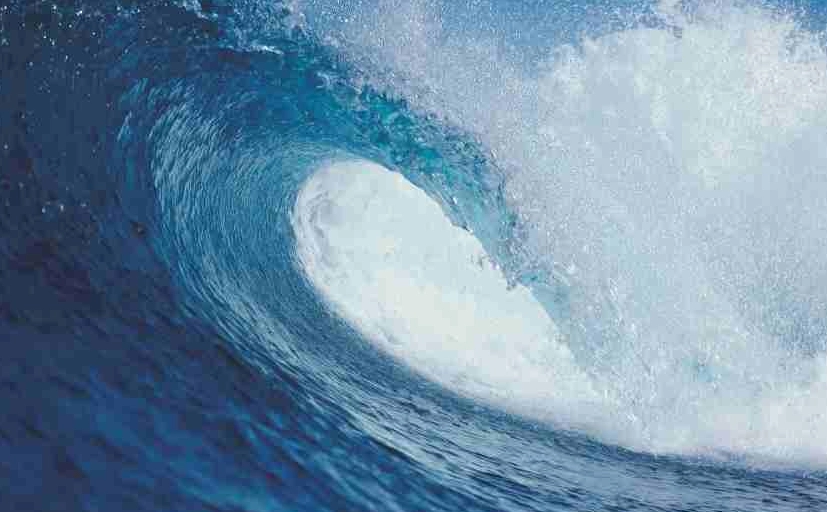
How to Interpret Your Big Wave Dream: A Step-by-Step Guide
Don't just Google and grab the first meaning. Your dream is unique. Follow this process to find your personal interpretation.
Step 1: Recall the Specifics Immediately. Keep a notebook by your bed. Write down everything before logic edits it. What color was the water? Was there a sound? Where were you standing? Was anyone with you? This detail is gold.
Step 2: Link to Waking Life. Ask yourself: What in my life right now feels overwhelming, unstoppable, or due for a major shake-up? Be brutally honest. It might not be a obvious catastrophe. It could be an exciting opportunity that also scares you.
Step 3: Focus on Your Action (or Inaction). What did you DO in the dream? This is critical. Did you run, freeze, try to surf it, or calmly observe? Your dream-self's reaction shows your subconscious assessment of your coping mechanisms. Running might mean avoidance. Standing still could be paralysis. Finding high ground? That's your mind seeking safety and perspective.
Step 4: Consider the Outcome. Did the wave hit you? Did you wake up before impact? Were you swept away but survived? Survival, even after being engulfed, is a hugely positive sign of resilience.
Let me give you a real example from my practice. A client, Sarah, kept dreaming of a giant wave approaching her house while she frantically stacked sandbags. In her waking life, she was "preparing" for a potential layoff by obsessively updating her resume and networking, but felt it was futile. The dream perfectly mirrored her feeling of building defenses against an unstoppable force. The interpretation wasn't about the layoff itself, but about her exhausting state of anxious preparation.
Common Big Wave Dream Scenarios and Their Specific Meanings
Let's get concrete. Here are some of the most frequent big wave dream variations and what they typically point to.
A Quick Reference: What Your Dream Details Might Mean
| Dream Element | Common Psychological Interpretation | What to Ask Yourself |
|---|---|---|
| Tsunami or Tidal Wave | Feeling blindsided by an emotional crisis. Suppressed feelings erupting. A sudden, life-altering change. | What recent news or event felt like a shock? What emotion have I been trying to suppress? |
| Large Ocean Swells (not breaking) | Anticipation of a challenge. A looming decision or event that creates sustained anxiety. | What's on the horizon that I'm worried about? Is this anxiety proportionate to the actual event? |
| Seeing the Wave from Afar | Gaining perspective on a problem. Awareness of a coming challenge, but with some emotional distance. | Am I in a better position to handle this than I think? What resources do I have? |
| Being Swept Away by the Wave | Feeling consumed by circumstances or emotions. A sense of losing control or identity. | In what area of my life do I feel powerless? What small action can I take to regain a sense of agency? |
| Surfing the Big Wave | Attempting to harness a powerful force or emotion. Riding a period of intense change with skill (or the attempt). | Am I trying to channel my anxiety into productivity? Is this a risky but exciting venture? |
| The Wave is Chasing You | Running from a problem or emotion. The feeling that trouble is personal and inescapable. | What am I actively avoiding? Is it time to turn and face this? |
One scenario I find particularly telling is dreaming of a big wave while in a car or building. The vehicle or structure represents your ego, your defense systems, your daily life. The wave threatening it shows a force powerful enough to breach those normal protections. It signals a challenge to your fundamental security or identity.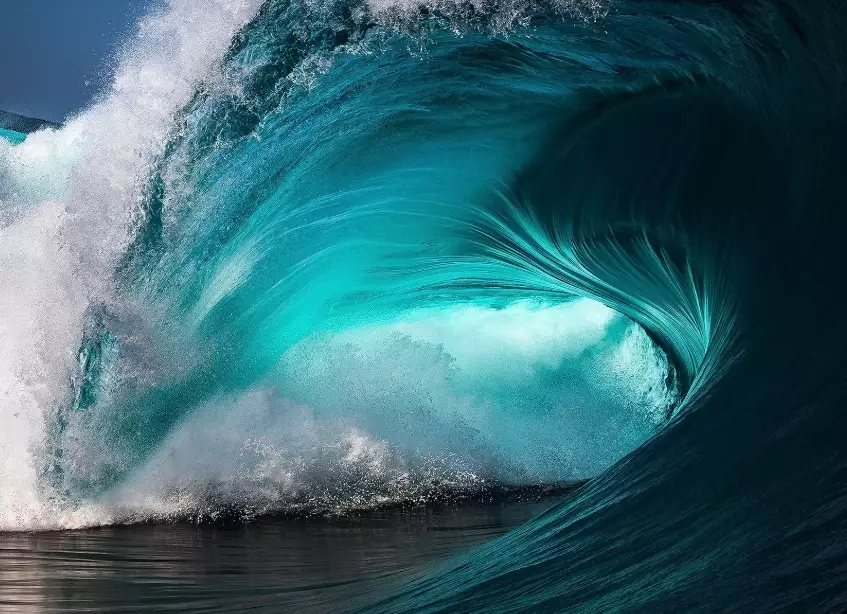
A Note on Anxiety: If you have recurring tidal wave dreams paired with high daytime anxiety, it's worth considering them as a symptom of stress. The brain rehearses threat scenarios. While exploring the meaning is valuable, also look at practical stress-reduction techniques. The International Association for the Study of Dreams notes that recurring distressing dreams can sometimes lessen with therapies like Imagery Rehearsal Therapy.
Beyond Fear: Positive and Spiritual Interpretations of Wave Dreams
Here's the non-consensus part: not all big wave dreams are bad. Many spiritual and cultural traditions see water as a symbol of cleansing, rebirth, and the flow of life force. A big wave can represent a powerful awakening or a release of creative energy.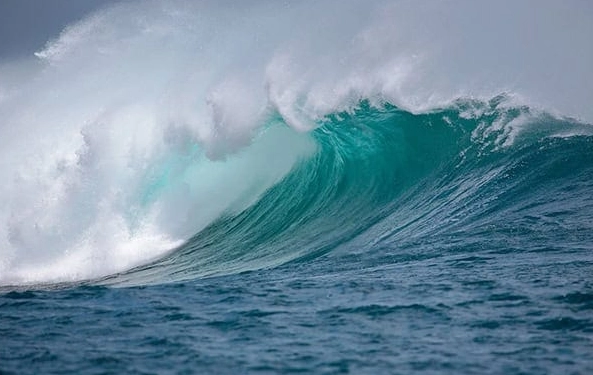
Think about it. What follows a massive wave? The water recedes, the air is clear, the landscape is changed. In dream logic, this can symbolize the necessary destruction of old patterns to make way for the new. I've had clients report big wave dreams before making a bold, positive life change—like leaving a stifling job to start a business. The dream wasn't a warning; it was a depiction of the immense internal energy mobilizing for the leap.
In some interpretations, especially those drawing from Carl Jung's work, the ocean represents the collective unconscious. A big wave, then, could be a major archetypal energy or a profound insight breaking into your personal awareness. It's less about personal fear and more about connecting to something vast and universal.
Ask yourself: Did the dream feel terrifying, or was there an element of awe? Awe is a key differentiator. If you felt small but also mesmerized by the wave's power, your subconscious might be pointing you toward a force greater than yourself—a call to spiritual surrender or a recognition of nature's (or life's) immense power.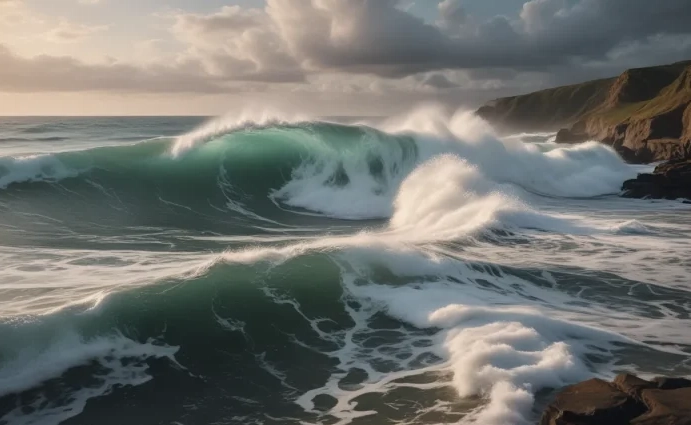
Your Questions Answered: Big Wave Dream FAQ
I dream of big waves every night. Should I be worried?
Recurrence is your subconscious's way of shouting a message you're not hearing during the day. Worry less about a literal disaster and more about what persistent, overwhelming feeling you're ignoring. Is it stress at work, a relationship issue, or a life path that feels wrong? The dream will likely continue until you address the core emotional reality. Keeping a dream journal to spot patterns is more useful than fearing the dream itself.
What if I dream of calm water turning into huge waves suddenly?
This is a classic pattern for repressed emotions or hidden problems. The calm surface is how you present your life to yourself and others. The sudden wave is the truth erupting. Look for a situation where everything seems "fine" on the outside, but you have a nagging feeling something is brewing underneath. It could be a quiet resentment in a relationship or a small health symptom you're dismissing.
Does dreaming of surviving a big wave mean I'll overcome my problems?
It's one of the most positive signs in this dream category. Your dreaming mind is simulating a crisis and showing you that you come out the other side. This builds psychological resilience. It suggests a deep, often untapped, belief in your own endurance. Instead of just taking it as a good omen, use it. When you feel overwhelmed awake, remind yourself of the dream. Your own subconscious has given you a metaphor for your survival instinct.
I often dream of big waves before a job interview or big presentation. Why?
You're translating performance anxiety into a universal symbol of an overwhelming force. The wave isn't about the event itself failing; it's about your fear of being emotionally overwhelmed by the pressure, scrutiny, or potential outcome. The size of the wave correlates to the size of your anxiety. This is normal. The work here is to manage your anxiety, not to divine the interview's result. Practical preparation and mindfulness can often make these performance-related wave dreams subside.
Are there cultural differences in interpreting big wave dreams?
Absolutely. While Western psychology often personalizes the wave, some coastal and Indigenous cultures might interpret it through a communal or environmental lens. In some traditions, it could relate to ancestors, weather patterns, or community fate. If you have strong cultural ties, it's worth exploring those symbolic systems too. For example, in some Polynesian navigation traditions, the ocean is a living pathway, not just a threat. Context always matters.
Ultimately, a dream about big waves is a personal encounter with the concept of "overwhelm." Your job isn't to fear the water, but to understand what it's reflecting about your emotional landscape. By paying attention to the specifics—the color, your actions, the outcome—you move from being a victim of the dream to an interpreter of its powerful imagery. The wave holds meaning, not fate. Your next step is to figure out what that meaning is trying to change in your waking life.











Comments
Join the Conversation