If you've ever jolted awake from a dream where a massive tsunami was crashing toward you, you're not alone. I've spent over a decade studying dreams, and tsunami dreams are one of the most common yet misunderstood themes people bring up. Let's cut straight to it: dreaming of a tsunami usually isn't about literal disaster. It's your mind's dramatic way of highlighting emotional overwhelm, sudden life changes, or buried fears. But here's the catch—most online dream dictionaries get it wrong by offering generic interpretations. The real meaning hinges on specifics: what you were doing in the dream, how you felt, and what's happening in your life right now.
Jump to What Matters Most
What Does Dreaming of a Tsunami Really Mean?
Tsunamis in dreams are powerful symbols. Water often represents emotions in dream analysis, and a tsunami amplifies that—think of it as a tidal wave of feelings you might be suppressing. From my experience, clients who report these dreams are usually facing something big in their waking lives: a job loss, a relationship ending, or even positive changes like a move that stirs up anxiety. The International Association for the Study of Dreams notes that natural disaster dreams frequently correlate with perceived loss of control.
The Symbolism of Water and Tsunamis in Dreams
Water isn't just water here. Calm seas might mean peace, but a tsunami? That's chaos. It's the subconscious shouting, "Hey, you're overwhelmed!" I've seen people dismiss this as random, but when we dig deeper, there's always a trigger. For example, one client dreamed of a tsunami after ignoring stress at work for months. The dream was her mind's last-ditch effort to get her attention.
Common Tsunami Dream Scenarios and Their Interpretations
Not all tsunami dreams are the same. The details matter. Here are a few scenarios I've encountered:
- Watching a tsunami from afar: You might feel detached from a problem in your life. It's happening, but you're not in the thick of it yet. This can be a warning to prepare.

- Running from a tsunami: Classic avoidance. You're likely dodging an issue—maybe a difficult conversation or a decision you're postponing.
- Being swept away by a tsunami: This often points to feeling powerless. Life events are carrying you along, and you need to regain agency.
- Surviving a tsunami: A positive sign! It suggests resilience. You're going through tough times but will come out okay.
I recall a man who dreamed of surfing a tsunami. Sounds cool, right? But in therapy, it revealed his reckless approach to financial risks. The dream was a metaphor for his "riding the wave" of debt without a plan.
How Your Emotions in the Dream Change the Meaning
This is where most interpretations fail. If you felt terrified in the dream, it's probably about fear. But if you felt calm or curious, that flips the script. I worked with a woman who dreamed of a tsunami and felt peaceful. Everyone told her it was bad, but actually, she was in the midst of a divorce and the dream symbolized her acceptance of the emotional release—the tsunami was washing away the old to make room for new.
Your emotional response is the key. Write it down as soon as you wake up. Was it panic, numbness, or something else? That feeling ties directly to what your subconscious is processing. For instance, numbness might indicate burnout, where you're so overwhelmed you've shut down.
Expert tip: Don't just focus on the tsunami. What else was in the dream? Were there people, buildings, or animals? These elements add layers. A tsunami hitting a childhood home, for example, could link to family issues resurfacing.
Practical Steps to Decode and Deal with Tsunami Dreams
So you've had a tsunami dream. Now what? Here's a straightforward plan I recommend to clients, based on cognitive-behavioral techniques and mindfulness.
Keeping a Dream Journal: A Simple but Powerful Tool
Grab a notebook or use a notes app. Right after waking, jot down everything: images, emotions, colors, sounds. Don't edit. Over time, patterns emerge. One of my clients noticed tsunami dreams spiked during tax season—turns out, money anxiety was the trigger. The journal helped her connect dots she'd missed.
When to Seek Professional Help for Recurring Dreams
If tsunami dreams keep coming back and disrupt your sleep or daily life, it's time to talk to a therapist. Recurrence often signals unresolved trauma or chronic stress. I've seen people waste years on online forums when a few therapy sessions could have addressed the root cause. Look for a professional trained in dream analysis or trauma-informed care.
Also, practice grounding techniques. When you feel overwhelmed awake, it can manifest in dreams. Try deep breathing or mindfulness exercises before bed. It's not woo-woo; studies from sources like the American Psychological Association show it reduces anxiety-driven dreams.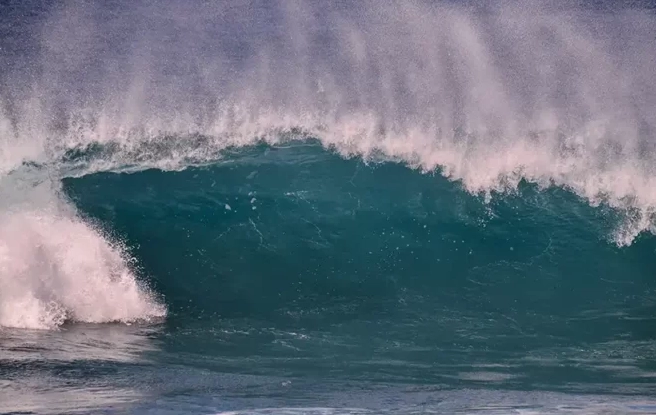
Case Study: Sarah's Journey with Recurring Tsunami Dreams
Let me share Sarah's story (name changed for privacy). She came to me with weekly tsunami dreams for six months. In them, she was always trapped in her car as waves hit. She felt suffocated. Initially, she thought it was about her fear of ocean, but she lived inland.
We explored her life: she was a new manager at work, juggling deadlines and team conflicts. The car symbolized her feeling "stuck" in her role, and the tsunami represented the pressure building up. She'd been avoiding delegating tasks, trying to do it all.
Our approach was simple. First, she started a dream journal. Then, we worked on assertiveness training at work. Within a month, the dreams shifted—she dreamed of escaping the car. After three months, they stopped. Sarah's case shows how actionable steps in waking life can directly impact dreams. She didn't need vague symbolism; she needed to address her control issues.










Comments
Join the Conversation